
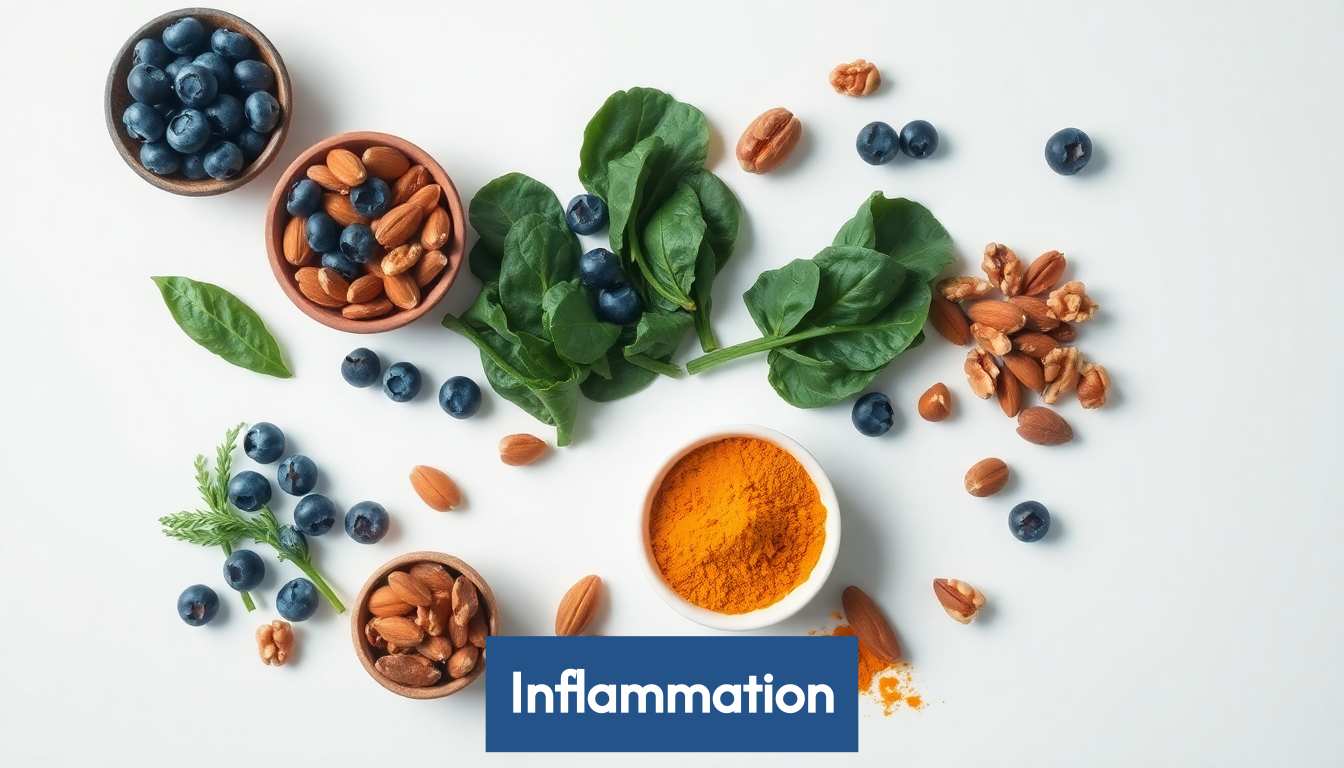
Inflammation can feel like a mysterious enemy lurking in our bodies. It’s the immune system’s response to harm but can also turn against us when it lingers too long. Recent studies reveal that chronic inflammation may contribute to and exacerbate a shocking 80 percent of chronic diseases. But here’s the kicker: you can actively combat this inflammation with proper nutrition. By choosing the right foods, you can transform your diet into a powerful ally in your quest for health and vitality.
Table of Contents
- What Is Inflammation And Why It Matters
- Foods That Can Help Reduce Inflammation
- Foods That Contribute To Inflammation Concerns
- Making Anti-Inflammatory Eating Simple And Tasty
Quick Summary
| Takeaway | Explanation |
|---|---|
| Inflammation is complex but crucial for health | Understanding inflammation, including its protective and harmful aspects, helps individuals make informed health decisions and manage chronic inflammation risks effectively. |
| Incorporate anti-inflammatory foods | A diet rich in plant-based foods, omega-3 fatty acids from fish and nuts, and spices like turmeric and garlic can significantly combat inflammation and support overall health. |
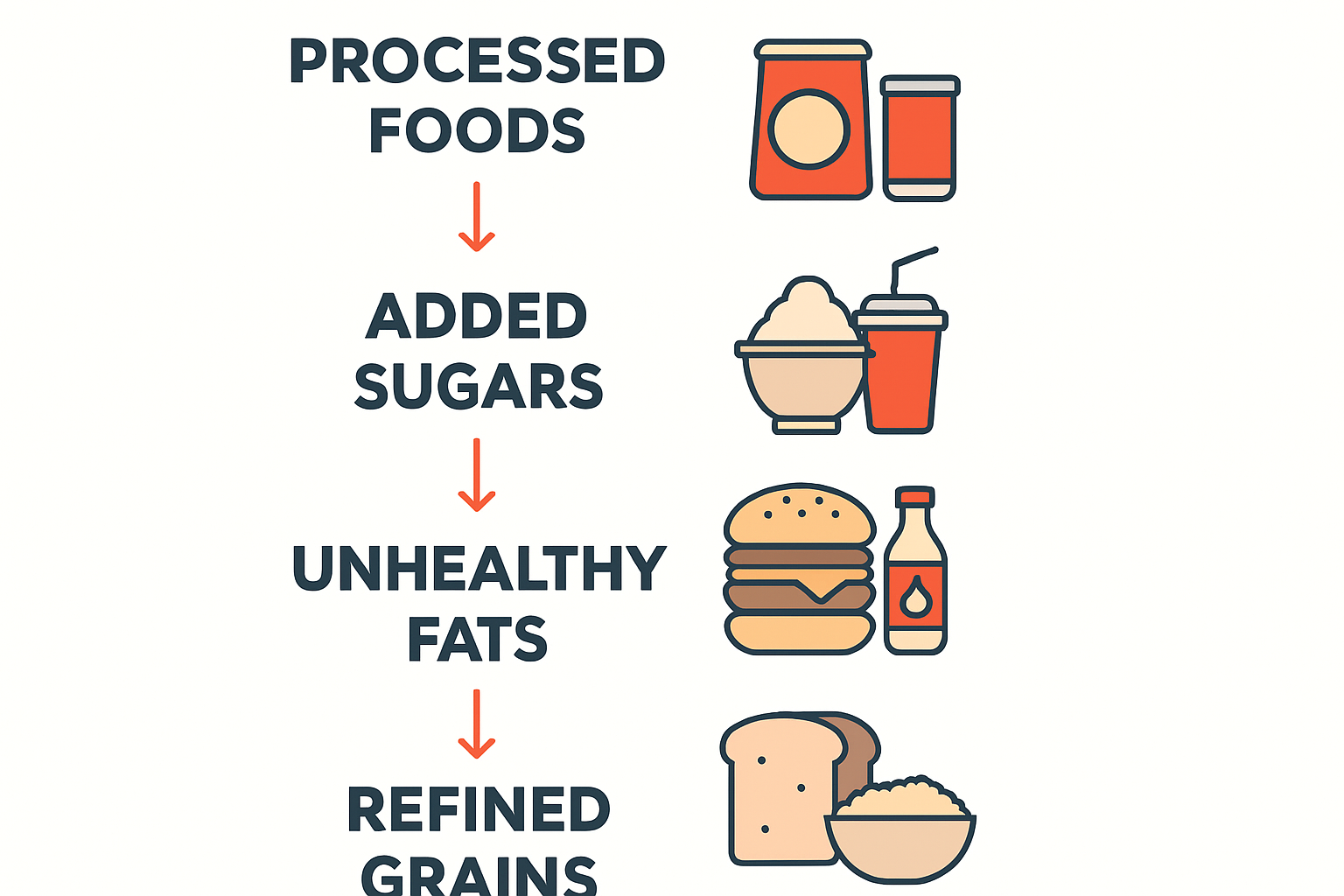
| Avoid pro-inflammatory foods | Processed foods, refined sugars, unhealthy fats, and refined grains can exacerbate inflammation. Making mindful choices to minimize these foods is key for long-term wellness. |
| Meal planning can simplify anti-inflammatory eating | Using simple substitutions and preparing quick, flavorful meals can make it easier to adopt an anti-inflammatory diet without sacrificing enjoyment. |
| Consistency is key | Creating sustainable habits rather than seeking perfection in diet helps maintain anti-inflammatory eating and support the body’s natural healing processes. |
What is Inflammation and Why It Matters?
Inflammation is the body’s natural defense mechanism, a complex biological response designed to protect and heal. While often misunderstood, this intricate process plays a critical role in our overall health and survival. Understanding inflammation means recognizing both its protective capabilities and potential risks.
The Biological Mechanism of Inflammation
At its core, inflammation is the immune system’s immediate response to injury, infection, or harmful stimuli. When your body detects potential threats like pathogens, damaged cells, or irritants, it launches a sophisticated protective strategy. Cleveland Clinic research reveals this process involves a cascade of events including blood vessel dilation, increased blood flow, and targeted immune cell recruitment.
The classic signs of inflammation – redness, heat, swelling, and pain – are not random occurrences but carefully orchestrated protective mechanisms. These symptoms indicate your immune system is actively working to neutralize threats and initiate healing. Specialized immune cells and hormones like bradykinin and histamine coordinate this complex defense, creating an environment that helps control infection and promote tissue repair.
Acute vs. Chronic Inflammation: Understanding the Difference
Not all inflammation is created equal. Acute inflammation is a short-term, beneficial response that typically resolves within days or weeks. Imagine cutting your finger: the immediate redness, swelling, and warmth are acute inflammatory responses designed to protect and heal the wound. These reactions are essential and typically subside once healing begins.
Chronic inflammation, however, represents a more problematic scenario. National Institutes of Health research indicates chronic inflammation occurs when the inflammatory response persists for months or even years, continuing long after the initial threat has passed. This prolonged state can be triggered by various factors including persistent infections, autoimmune disorders, lifestyle choices, and environmental stressors.
Prolonged inflammation becomes destructive, potentially contributing to serious health conditions. It can gradually damage healthy tissue, disrupt normal cellular functions, and create an internal environment conducive to developing chronic diseases like arthritis, heart disease, and certain cancers.
The Broader Health Implications
Understanding inflammation goes beyond recognizing its immediate effects. Emerging scientific evidence suggests that chronic inflammation might be an underlying factor in numerous health challenges. It’s not just about managing a single symptom but addressing a complex biological process that impacts overall wellness.
Lifestyle factors significantly influence inflammatory responses. Diet, stress levels, sleep quality, physical activity, and environmental exposures can either mitigate or exacerbate inflammatory processes. This interconnectedness highlights why holistic approaches to health – considering nutrition, mental well-being, and physical activity – are crucial in managing inflammation.
By comprehending inflammation’s nuanced role, individuals can make informed decisions about their health, potentially reducing risks associated with chronic inflammatory conditions and promoting long-term wellness.
Foods that Can Help Reduce Inflammation
Nutrition plays a pivotal role in managing inflammation, with certain foods acting as powerful allies in our body’s defense against chronic inflammatory processes. Understanding which foods can help reduce inflammation is crucial for maintaining overall health and preventing potential long-term health complications.
The Power of Plant-Based Anti-Inflammatory Foods
Research from the National Institutes of Health reveals that diets rich in fruits, vegetables, whole grains, nuts, and legumes are exceptional at combating inflammation. These nutrient-dense foods work through multiple mechanisms to lower inflammatory markers and protect cellular health. Leafy green vegetables like spinach and kale are particularly potent, packed with antioxidants that neutralize harmful free radicals and reduce systemic inflammation.
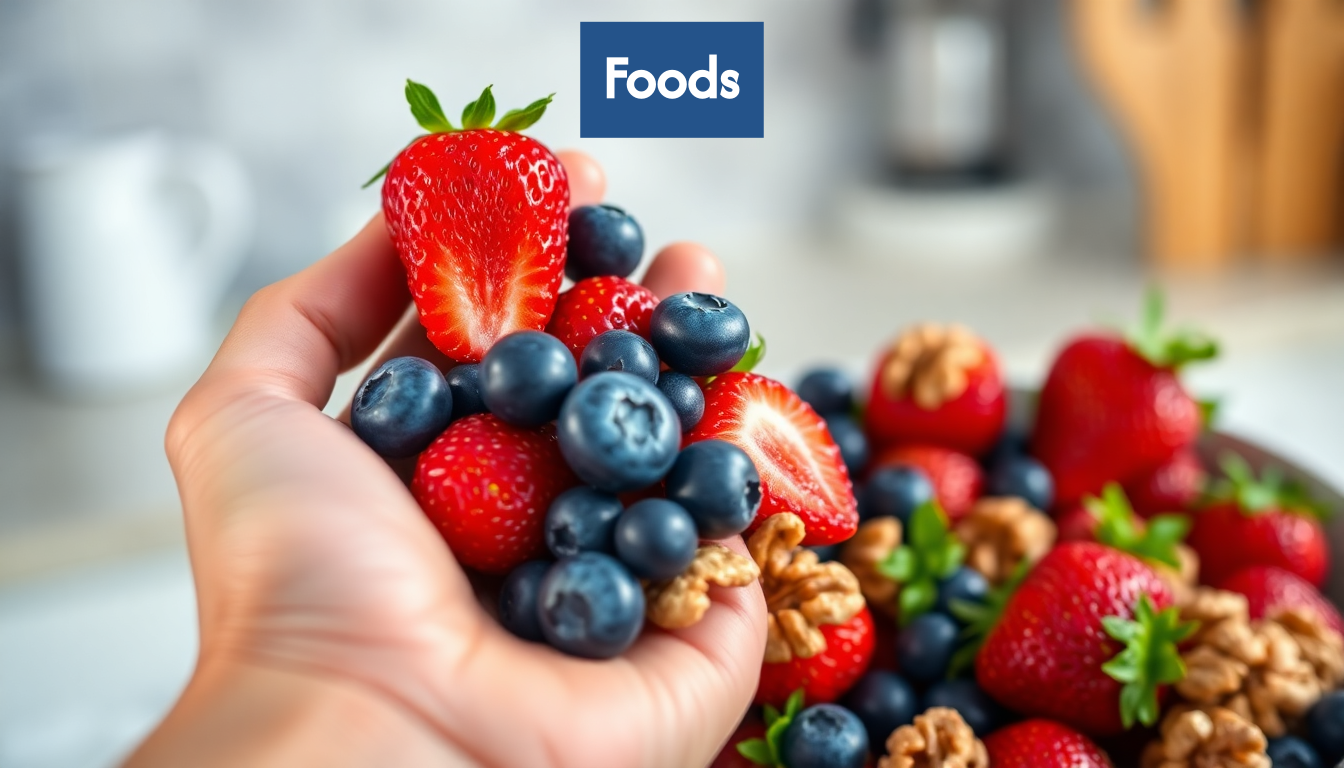
Berries stand out as inflammation-fighting superstars. Blueberries, strawberries, and raspberries contain powerful polyphenols and flavonoids that help reduce oxidative stress. Their vibrant colors aren’t just visually appealing – they’re indicators of high antioxidant content that directly combat inflammatory processes in the body.
Omega-3 Rich Foods: Nature’s Anti-Inflammatory Agents
The Oncology Dietitian highlights fatty fish as exceptional inflammation fighters. Salmon, sardines, and tuna are rich in omega-3 fatty acids, which have been scientifically proven to lower inflammatory markers. These essential fatty acids work by reducing the production of molecules linked to inflammation, providing a natural and effective approach to managing chronic inflammatory responses.
Nuts, particularly almonds and walnuts, complement fish as powerful anti-inflammatory foods. They’re packed with healthy fats, protein, and antioxidants that help regulate immune system responses. Just a handful of these nutrient-dense foods can significantly contribute to reducing inflammation and supporting overall cellular health.
Strategic Dietary Approaches to Reducing Inflammation
Mayo Clinic’s Cancer Research emphasizes the importance of a diverse, plant-rich diet. Tomatoes, olive oil, and whole grains are additional key players in an anti-inflammatory nutritional strategy. Extra virgin olive oil contains oleocanthal, a compound with similar anti-inflammatory properties to ibuprofen, making it a delicious and natural way to combat inflammation.
It’s not just about adding individual foods but creating a comprehensive dietary approach. Incorporating a variety of colorful fruits and vegetables ensures a wide range of antioxidants and anti-inflammatory compounds. Turmeric, ginger, and garlic are particularly noteworthy, offering potent anti-inflammatory properties that can be easily integrated into daily meals.
Understanding that food is medicine provides a powerful approach to managing inflammation. By making intentional dietary choices, individuals can actively support their body’s natural healing processes, reduce chronic inflammation risks, and promote long-term health and wellness. The key is consistency and variety – transforming your diet into a proactive health strategy.
Foods that Contribute to Inflammation Concerns
While some foods can help combat inflammation, others can actively trigger and exacerbate inflammatory responses in the body. Understanding these pro-inflammatory foods is crucial for making informed dietary choices and protecting long-term health.
Processed Foods and Added Sugars: The Inflammation Accelerators
Ohio State University research reveals that a significant portion of American adults consume diets that substantially contribute to inflammation. Processed foods, characterized by high levels of refined carbohydrates, added sugars, and artificial ingredients, are primary culprits in triggering inflammatory responses.
Sugar, particularly in its refined form, plays a devastating role in inflammation. When consumed in excess, it can cause rapid spikes in blood glucose levels, prompting the body to produce inflammatory cytokines. Sugary beverages, packaged snacks, and desserts not only provide empty calories but also create an internal environment conducive to chronic inflammation.
Unhealthy Fats and Their Inflammatory Impact
Trans fats and certain saturated fats are particularly problematic for inflammatory processes. Foods like fried items, commercially baked goods, and processed meats contain these harmful fat types that directly stimulate inflammatory pathways. Frontiers in Nutrition research indicates that consistent consumption of these foods can significantly increase risks of chronic liver disease and other inflammation-related conditions.
Fast food and commercially prepared meals often contain hydrogenated oils and excessive omega-6 fatty acids, which can disrupt the body’s natural inflammatory balance. Unlike omega-3 fatty acids that help reduce inflammation, these pro-inflammatory fats contribute to cellular stress and immune system dysregulation.
Refined Grains and Inflammatory Gut Responses
Cutting-edge medical research has highlighted the intricate relationship between diet, gut microbiome, and inflammatory responses. Refined grains like white bread, pasta, and many processed breakfast cereals can trigger inflammatory gut responses by disrupting microbiome balance and promoting systemic inflammation.
Alcohol and excessive caffeine consumption also contribute to inflammatory concerns. These substances can increase gut permeability, allowing toxins and undigested food particles to enter the bloodstream, a condition often referred to as “leaky gut,” which further escalates inflammatory processes.
Recognizing and minimizing these inflammatory food sources doesn’t mean complete deprivation but rather making mindful, balanced dietary choices. By understanding how certain foods interact with our body’s inflammatory mechanisms, individuals can take proactive steps towards reducing chronic inflammation risks and promoting overall wellness. The goal is creating a sustainable, health-conscious approach to nutrition that supports the body’s natural healing and regulatory processes.
Making Anti-Inflammatory Eating Simple and Tasty
Transforming your diet to combat inflammation doesn’t mean sacrificing flavor or enjoyment. With strategic planning and creative approaches, eating anti-inflammatory can be both delicious and effortless. The key is understanding how to make nutritious choices that tantalize your taste buds while supporting your body’s health.
Meal Planning and Simple Substitutions
National Institutes of Health research recommends incorporating whole grains, nuts, and legumes strategically into meals. Instead of viewing these as restrictive changes, think of them as exciting culinary opportunities. Replace white rice with quinoa, swap processed snacks for almonds, and experiment with black beans or lentils in your favorite recipes.
Creating an anti-inflammatory meal plan involves simple swaps that maintain flavor while boosting nutritional value. Use herbs and spices like turmeric, ginger, and garlic to add depth and complexity to dishes. These ingredients not only enhance taste but also provide powerful anti-inflammatory compounds that naturally support your body’s healing processes.
Omega-3 Rich Meal Strategies
Veterans Affairs Nutrition Research emphasizes the importance of balancing omega-3 and omega-6 fatty acids. Incorporate fatty fish like salmon, mackerel, and sardines into your weekly meal rotation. These can be prepared in numerous delicious ways – grilled with lemon, baked with herbs, or even transformed into flavorful fish tacos.
For those who don’t enjoy fish, consider plant-based omega-3 sources like chia seeds, flaxseeds, and walnuts. Sprinkle these into morning smoothies, yogurt, or use them in baking. Vegetarian and vegan options can be just as effective in providing anti-inflammatory benefits when chosen thoughtfully.
Practical Cooking and Snacking Tips
Meal preparation doesn’t have to be complicated. Develop a repertoire of quick, anti-inflammatory recipes that can be prepared in 30 minutes or less. Stir-fries loaded with colorful vegetables, one-pan baked chicken with turmeric, or Mediterranean-inspired grain bowls offer delicious alternatives to processed meals.
Snacking can also support your anti-inflammatory goals. Replace chips and processed snacks with options like mixed berries, a handful of nuts, or vegetable sticks with homemade hummus. These choices provide nutrients, satisfy hunger, and contribute to reducing inflammatory responses.
Remember that consistency matters more than perfection. An occasional treat won’t derail your efforts, but focus on creating sustainable, enjoyable eating habits. By approaching anti-inflammatory eating as a flavorful lifestyle rather than a restrictive diet, you’ll naturally gravitate towards foods that nourish and protect your body.
Transforming your diet is a journey of discovery. Experiment with new recipes, explore different cuisines, and find joy in preparing meals that both taste incredible and support your health. The most successful dietary changes are those that feel satisfying, delicious, and sustainable.
Frequently Asked Questions
What is inflammation and why is it important?
Inflammation is the body’s natural defense mechanism, responding to injury or infection. While acute inflammation is beneficial for healing, chronic inflammation can lead to serious health issues, potentially contributing to various chronic diseases.
How can I reduce inflammation through my diet?
To reduce inflammation, incorporate anti-inflammatory foods such as fruits, vegetables, whole grains, nuts, seeds, and omega-3 rich foods like fatty fish. Avoid processed foods, added sugars, unhealthy fats, and refined grains that can exacerbate inflammation.
What are some examples of anti-inflammatory foods?
Examples of anti-inflammatory foods include leafy greens like spinach, berries, fatty fish such as salmon, nuts like almonds and walnuts, and herbs and spices like turmeric and garlic that have been shown to have anti-inflammatory properties.
Which foods should I avoid to minimize inflammation?
To minimize inflammation, avoid processed foods, refined sugars, trans fats, sugary beverages, and refined grains like white bread and pasta. These foods can trigger inflammatory responses and contribute to chronic disease risks.
Take Control of Your Inflammation Today!
Inflammation doesn’t have to be an enigma. As highlighted in our latest article, chronic inflammation can be a silent adversary, contributing to a staggering 80% of chronic diseases. But what if there was a way to reclaim your health with a personalized approach to nutrition?
At Menalam, we understand the urgent need for effective solutions. With our AI-driven platform, you’ll receive personalized supplement recommendations that align with your unique health profile, dietary preferences, and lifestyle choices. No more guessing games – just science-backed solutions tailored for you! Imagine effortlessly integrating anti-inflammatory foods and supplements into your life, enhancing your wellness while tracking your progress all in one convenient app.
Ready to take the next step? Visit https://menalam.com to start your journey towards reducing inflammation and revitalizing your health. Your body deserves it, and you can make a real change NOW!
Leave a Reply