
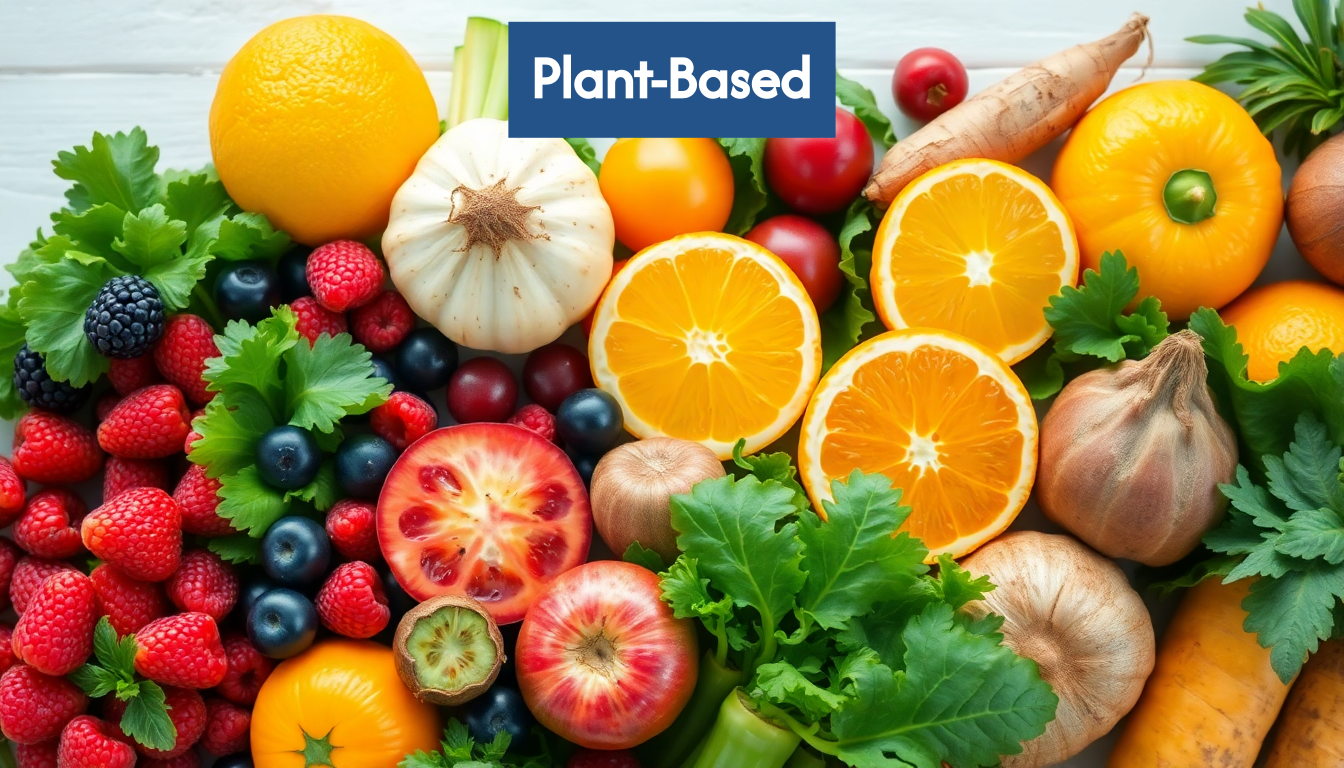
Plant-based nutrition is taking the world by storm. More than 40% of Americans are now embracing this dietary approach, driven by health, environmental, and ethical reasons. But here’s the twist: many people still think plant-based means bland and boring. In reality, the diversity and richness of flavors and nutrients found in whole plant foods can be astonishing. Transitioning to a plant-based diet is not just a trendy choice; it’s a transformative lifestyle that opens a world of culinary creativity while promoting personal health and global sustainability.
Table of Contents
- What Does Plant-Based Nutrition Mean Today
- Health Perks Of Plant-Based Eating
- Getting Started With Plant-Based Nutrition
Quick Summary
| Takeaway | Explanation |
|---|---|
| Emphasize Whole Foods | Focus on consuming whole, minimally processed plant foods to maximize nutritional benefits and overall health. |
| Incorporate Variety for Health | Include a diverse array of plant foods to enhance gut microbiome health and prevent chronic diseases through improved nutrient intake. |
| Gradual Transition | Start by integrating plant-based meals into your diet gradually, allowing flexibility and personalization for a sustainable dietary change. |
| Monitor Key Nutrients | Be mindful of essential nutrients such as vitamin B12, iron, and omega-3 fatty acids, and consider supplementation if needed for a balanced diet. |
| Explore Environmental Benefits | Recognize the significant environmental advantages of plant-based eating, such as reducing carbon emissions while supporting personal health. |
What Does Plant-Based Nutrition Mean Today?
Plant-based nutrition has evolved from a niche dietary approach to a mainstream movement transforming how people think about food, health, and environmental sustainability. Unlike traditional diets centered around animal products, plant-based nutrition focuses on consuming foods primarily derived from plants, emphasizing whole, minimally processed ingredients that provide comprehensive nutritional benefits.
The Core Principles of Plant-Based Eating
At its foundation, plant-based nutrition is more than just a diet – it’s a holistic approach to consuming foods that prioritize plant sources while minimizing or eliminating animal products. Stanford Medicine’s Nutrition Division defines this approach as centering meals around fruits, vegetables, whole grains, legumes, nuts, seeds, and plant oils.
The philosophy extends beyond simple food choices. It represents a comprehensive strategy that considers not just personal health, but also broader impacts on environmental sustainability and ethical food production. Practitioners typically aim to:
- Maximize whole food consumption
- Minimize processed ingredient intake
- Reduce reliance on animal-derived proteins
- Prioritize nutrient-dense plant sources
Health Implications and Scientific Evidence
Recent scientific research has provided compelling evidence supporting plant-based nutrition’s remarkable health benefits. Research published in medical journals demonstrates that well-planned plant-based diets are safe and beneficial across all life stages – from pregnancy and childhood to adult and senior years.
The potential health advantages are substantial. Studies consistently show that plant-based diets are associated with lower risks of chronic diseases, including type II diabetes, certain cancers, and cardiovascular conditions. These benefits stem from the diet’s rich composition of antioxidants, fiber, and essential nutrients that support overall metabolic health.
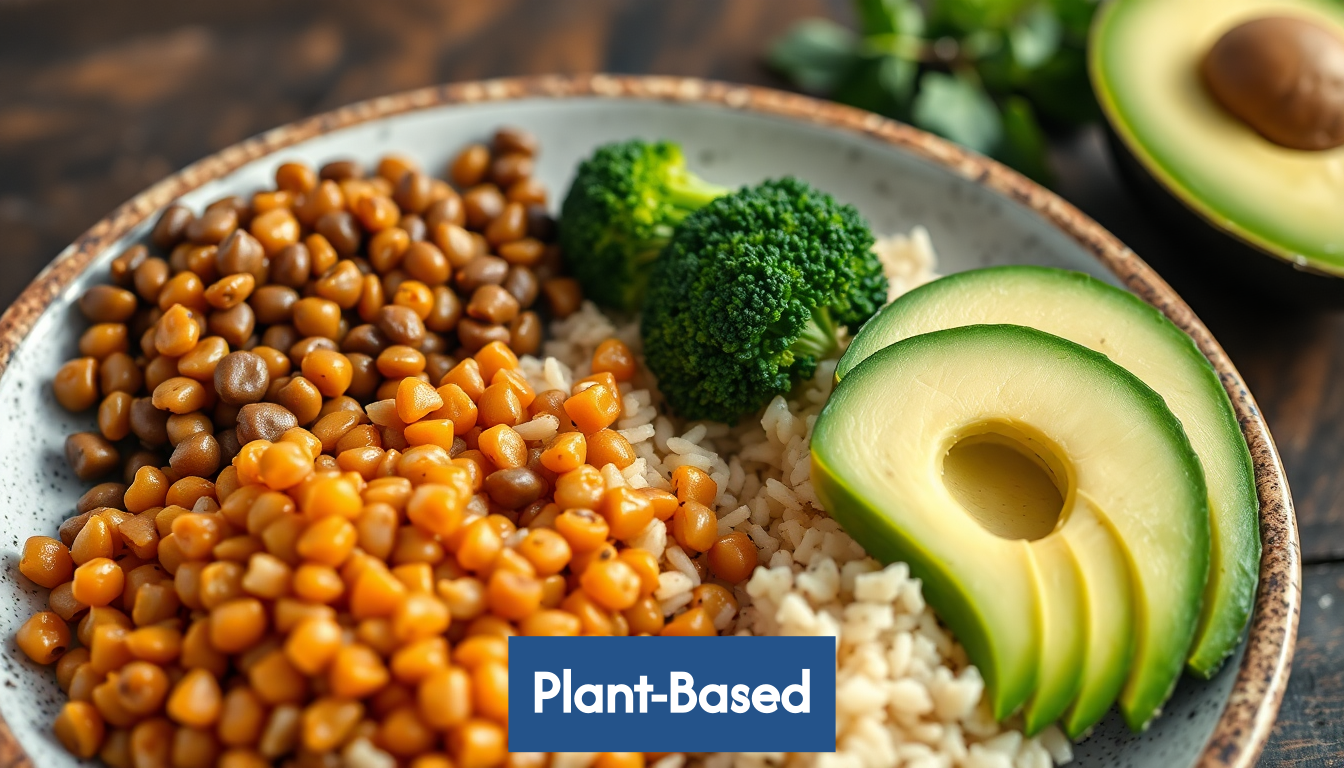
Moreover, plant-based nutrition promotes a diverse gut microbiome. The varied plant ingredients encourage the development of beneficial bacteria that produce anti-inflammatory metabolites, potentially helping manage and prevent various disease processes. This intricate relationship between diet and internal biological systems highlights nutrition’s complexity beyond simple caloric intake.
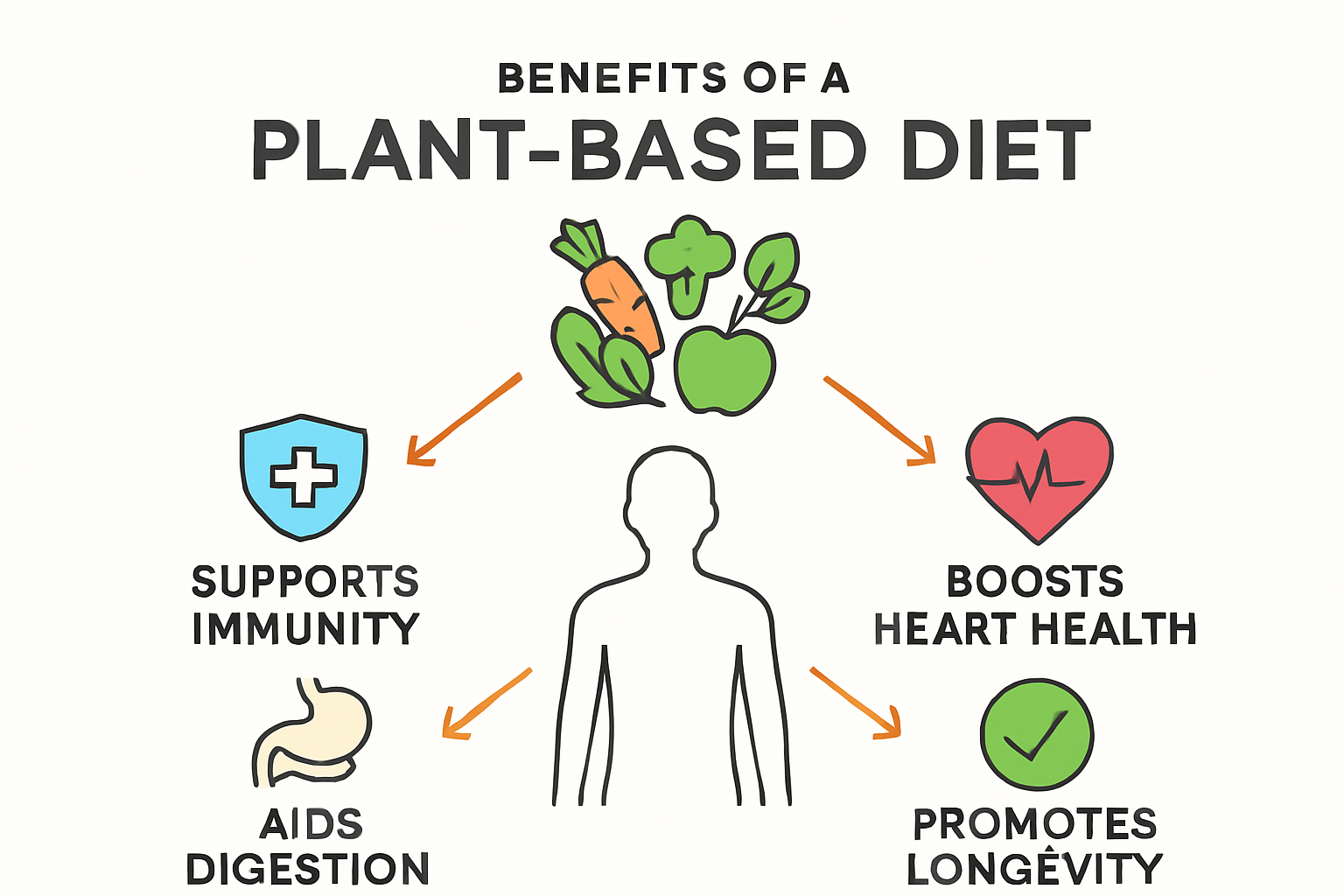
Today’s understanding of plant-based nutrition transcends traditional dietary restrictions. It’s not about eliminating entire food groups but about creating a balanced, intentional approach to eating that prioritizes whole, nutrient-rich plant sources. The modern interpretation embraces flexibility, allowing individuals to personalize their nutritional journey while maintaining core principles of health-conscious consumption.
As global awareness increases about the interconnections between personal health, agricultural practices, and environmental sustainability, plant-based nutrition continues to gain momentum. It represents not just a dietary choice, but a comprehensive lifestyle approach that empowers individuals to make informed, holistic decisions about their nutritional intake.
Health Perks of Plant-Based Eating
Plant-based eating isn’t just a dietary trend; it’s a powerful approach to enhancing overall health and preventing chronic diseases. The numerous benefits extend far beyond simple nutrition, offering comprehensive wellness advantages that impact multiple aspects of human physiology.
Cardiovascular Health and Disease Prevention
Research from the American College of Cardiology reveals remarkable insights into plant-based nutrition’s impact on cardiovascular health. Individuals with cardiometabolic disorders who follow a healthful plant-based diet demonstrate a significant 17% to 24% reduction in mortality risk from cardiovascular disease, cancer, and other chronic conditions.
The heart-protective mechanisms of plant-based diets stem from their unique nutritional profile. High-fiber foods, abundant antioxidants, and lower saturated fat content contribute to improved blood vessel function, reduced inflammation, and more stable cholesterol levels. Whole plant foods like legumes, nuts, and whole grains actively support cardiovascular resilience by providing essential nutrients that traditional animal-based diets might lack.
Metabolic Health and Weight Management
Harvard Health confirms that plant-based diets offer comprehensive nutritional benefits, providing all necessary protein, fats, carbohydrates, vitamins, and minerals. Importantly, these diets typically contain higher fiber content, which plays a crucial role in metabolic health and weight management.
Fiber-rich plant foods contribute to:
- Improved insulin sensitivity
- Enhanced digestive function
- Prolonged satiety
- Stable blood sugar levels
- Natural weight regulation
The metabolic advantages extend beyond weight control. Plant-based eating has been linked to reduced risks of type 2 diabetes, metabolic syndrome, and obesity-related complications. By emphasizing whole, unprocessed foods, individuals can effectively manage their metabolic health through nutrition.
Environmental and Holistic Wellness
Planet Forward research highlights an extraordinary dimension of plant-based diets: their potential to reduce climate-heating emissions by up to 75% while simultaneously delivering significant health benefits. This intersection of personal and planetary health represents a holistic approach to wellness that transcends individual nutrition.
Beyond physical health, plant-based diets contribute to mental well-being. The nutrient-dense foods support brain health, potentially reducing inflammation associated with depression and cognitive decline. Antioxidants found in fruits, vegetables, and whole grains protect neural pathways and support long-term cognitive function.
The comprehensive benefits of plant-based eating demonstrate that nutrition is not merely about consuming calories, but about nourishing the body with intentionally selected, health-promoting foods. As scientific understanding evolves, plant-based diets continue to emerge as a powerful strategy for preventing disease, maintaining optimal health, and supporting broader ecological sustainability.
Getting Started with Plant-Based Nutrition
Transitioning to plant-based nutrition can seem daunting, but with the right approach, it becomes an exciting journey of discovering new foods, flavors, and health benefits. The key is to start gradually, make informed choices, and focus on creating sustainable, enjoyable dietary habits that nourish both body and mind.
Understanding Your Nutritional Foundation
Stanford Medicine’s Nutrition Initiative provides clear guidance for beginners. A plant-based diet isn’t about strict elimination but about emphasizing whole, nutrient-dense plant foods while reducing processed ingredients and animal products. This approach allows flexibility and personalization, making the transition more manageable.
Beginners should focus on incorporating these foundational food groups:
- Whole Grains: Quinoa, brown rice, oats
- Legumes: Beans, lentils, chickpeas
- Fresh Vegetables: Dark leafy greens, colorful produce
- Nuts and Seeds: Almonds, chia seeds, flaxseeds
- Plant Proteins: Tofu, tempeh, edamame
Practical Transition Strategies
The Dietary Guidelines Committee recommends a gradual, thoughtful approach to integrating plant-based nutrition. Start by implementing meatless meals one or two days per week, slowly expanding plant-based options as you become more comfortable with new recipes and ingredients.
Consider these practical transition tips:
- Experiment with one new plant-based recipe weekly
- Replace animal proteins with bean-based alternatives
- Learn basic plant protein combinations
- Stock your pantry with diverse plant ingredients
- Explore international cuisines with naturally plant-based dishes
Nutritional Considerations and Supplementation
While plant-based diets offer comprehensive nutrition, strategic planning ensures you’re meeting all nutritional needs. Key nutrients to monitor include vitamin B12, iron, calcium, omega-3 fatty acids, and complete proteins. Consulting a registered dietitian specializing in plant-based nutrition can provide personalized guidance.
Supplementation might be necessary for some individuals. Recommended supplements often include:
- Vitamin B12
- Vitamin D
- Omega-3 from algae sources
- Potential iron or zinc supplements
Beyond personal health, research demonstrates that shifting towards plant-based nutrition offers broader environmental benefits. Plant-based foods generate significantly lower carbon emissions compared to animal products, creating a positive impact that extends beyond individual wellness.
Remember, transitioning to plant-based nutrition is a personal journey. There’s no universal perfect approach – what matters is finding a sustainable, enjoyable strategy that works for your lifestyle, health goals, and personal preferences. Embrace curiosity, remain open to learning, and celebrate each positive dietary choice as a step towards holistic well-being.
Common Questions About Plant-Based Diets
Navigating the world of plant-based nutrition often raises numerous questions and concerns. Understanding the nuanced realities of this dietary approach can help individuals make informed, confident decisions about their nutritional journey.
Addressing Protein and Nutritional Concerns
Research from the University of Wollongong demonstrates that plant-based diets can be nutritionally comprehensive and beneficial even for individuals with specific health challenges. One groundbreaking study revealed that participants consuming more than 30 different types of plant foods weekly experienced significant improvements in gut bacteria diversity and reduced toxin levels.
Common protein-related questions include:
- Can you get enough protein from plants?
- Are plant proteins complete?
- How do vegetarian and vegan diets meet nutritional needs?
Plant-based protein sources like legumes, tofu, tempeh, seitan, quinoa, and nuts offer complete amino acid profiles. Strategic combinations – such as beans with rice or hummus with whole-grain bread – can create protein-rich meals that rival animal-based options in nutritional quality.
Chronic Disease and Long-Term Health
The American College of Cardiology provides compelling evidence addressing concerns about long-term health. Their research indicates that adherence to a healthful plant-based diet was associated with a remarkable 17% to 24% lower risk of death from various causes, including cardiovascular disease and cancer.
Frequent health-related inquiries include:
- Will a plant-based diet provide sufficient nutrients?
- Can plant-based eating prevent chronic diseases?
- Is this diet sustainable for all age groups?
Studies consistently demonstrate that well-planned plant-based diets can not only meet but potentially exceed nutritional requirements across different life stages. The key lies in dietary diversity, informed food choices, and occasional professional nutritional guidance.
Environmental Impact and Practical Considerations
Planet Forward’s 2023 research addresses another critical dimension of plant-based nutrition: its environmental implications. Their findings reveal that plant-based diets can reduce climate-heating emissions by up to 75% while simultaneously providing substantial health benefits.
Common practical questions include:
- How expensive is a plant-based diet?
- Is it time-consuming to prepare plant-based meals?
- Can I still enjoy dining out?
Contrary to popular misconceptions, plant-based eating can be both affordable and convenient. Many global cuisines naturally feature plant-forward dishes, and meal preparation can be streamlined with batch cooking, strategic ingredient selection, and simple cooking techniques.
Ultimately, plant-based nutrition is not about perfection but progression. It represents a flexible, personalized approach to eating that prioritizes whole foods, supports individual health, and contributes to broader environmental sustainability. By remaining curious, open-minded, and willing to experiment, individuals can discover a nutritional path that feels both nourishing and enjoyable.
Frequently Asked Questions
What is plant-based nutrition?
Plant-based nutrition focuses on consuming foods primarily derived from plants, including fruits, vegetables, whole grains, legumes, nuts, and seeds, while minimizing or eliminating animal products.
How does a plant-based diet benefit health?
A plant-based diet is associated with lower risks of chronic diseases, including heart disease, diabetes, and certain cancers, due to its rich composition of fiber, antioxidants, and essential nutrients.
Can I get enough protein on a plant-based diet?
Yes, you can get enough protein from plants by consuming a variety of protein-rich sources such as legumes, tofu, tempeh, quinoa, and nuts. Combining different plant foods can also create complete protein profiles.
What are some tips for transitioning to a plant-based diet?
Start gradually by incorporating more plant-based meals into your diet, experiment with new recipes, focus on whole, minimally processed foods, and seek support from resources like registered dietitians to ensure nutritional balance.
Unlock Your Plant-Based Nutrition Potential with Menalam
Are you ready to make the leap to a vibrant, nutrient-rich plant-based diet but feeling overwhelmed? You’re not alone! Many individuals struggle to identify the right nutrients, understand protein sources, and ensure their dietary changes support long-term health goals as highlighted in “Understanding Plant-Based Nutrition for 2025.” The challenges may seem daunting, but your path to comprehensive health and well-being is just a click away.
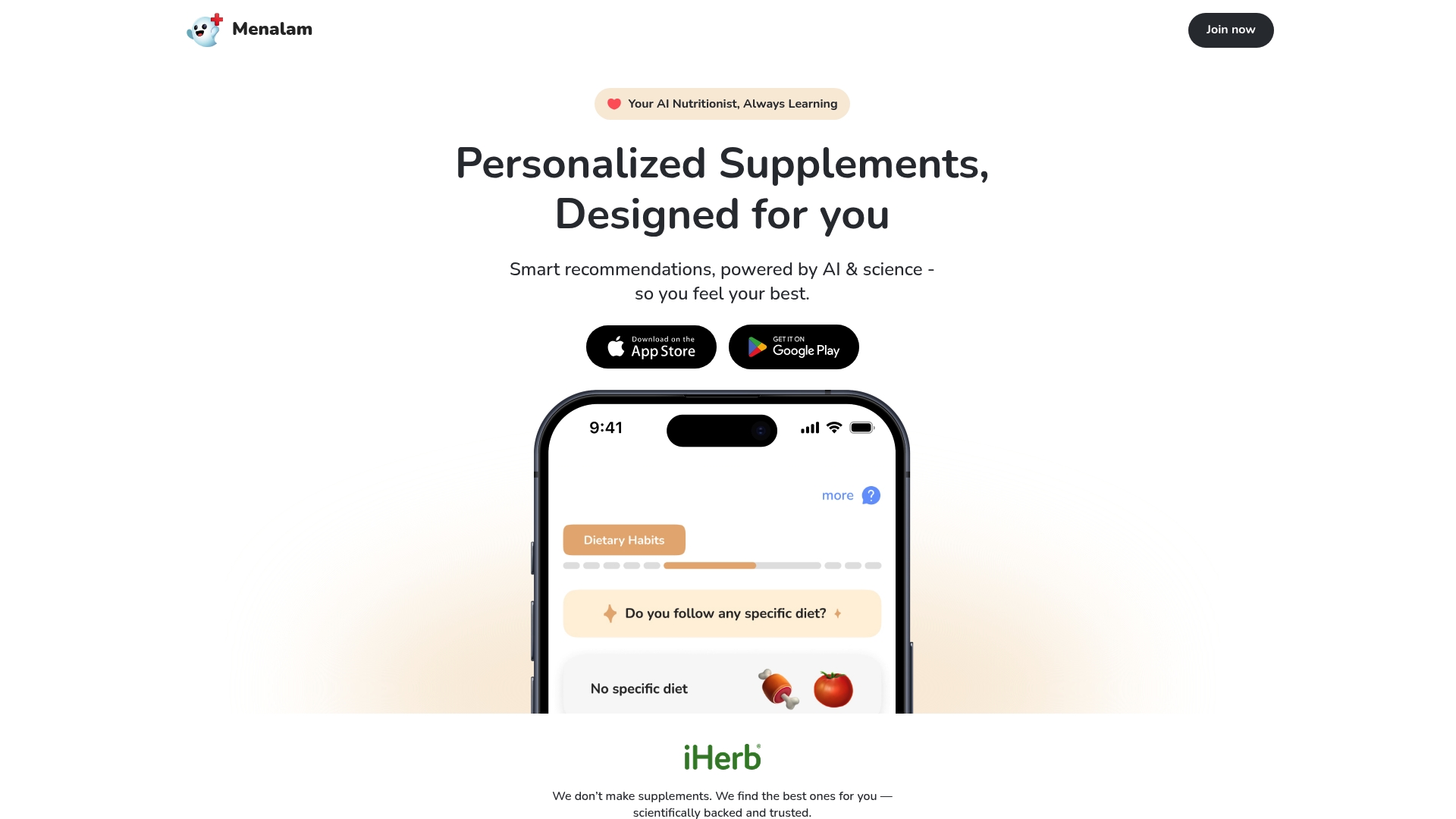
With Menalam, you can transform your plant-based journey into an empowering experience. Our AI-driven platform simplifies nutrition decisions by offering tailored supplement plans based on your unique health profile, lifestyle, and dietary choices. Imagine having a personal digital nutritionist that not only provides scientifically backed recommendations but also tracks your progress and offers smart reminders for consistency!
Don’t let uncertainty hold you back! Take control of your nutrition today. Discover how Menalam can simplify your dietary transition and help you harness the full benefits of your plant-based diet. Visit https://menalam.com now, and start your personalized health journey!
Leave a Reply