
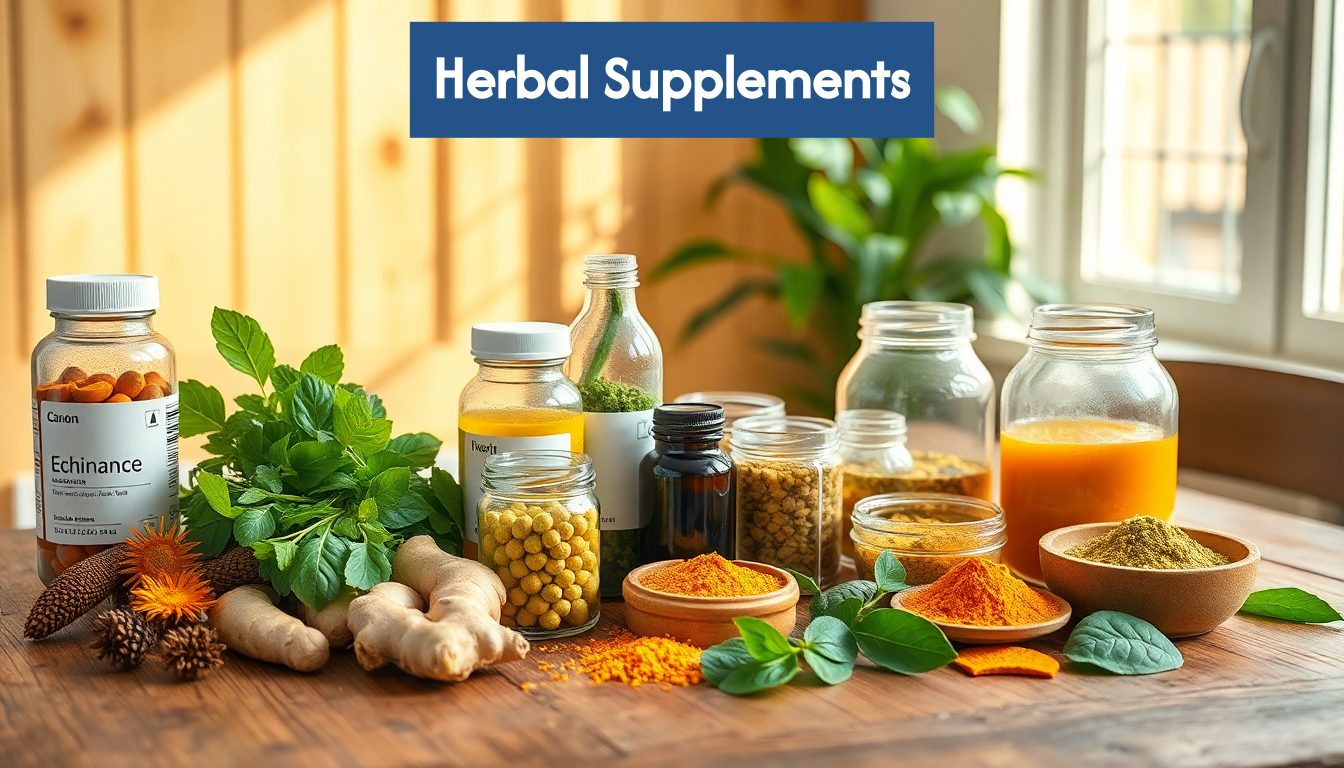
Herbal supplements are gaining immense popularity as a natural alternative to traditional medicine. The global herbal supplements market was valued at USD 53.8 billion in 2025 and is projected to continue growing as more people seek holistic health solutions. But here’s the twist—these products are often seen as harmless, yet many consumers overlook important safety considerations. Navigating the complex landscape of herbal remedies requires a keen understanding of their benefits and potential risks. By arming yourself with knowledge, you can make informed choices that enhance your wellness journey.
Table of Contents
- Understanding Herbal Supplement Basics
- Exploring Health Benefits Naturally
- Latest Trends And Research 2025
- Safe Usage And Risk Management
Quick Summary
| Takeaway | Explanation |
|---|---|
| Understand your herbs | Familiarize yourself with common types of herbal supplements and their specific health benefits, such as immune support from echinacea and digestive health from ginger. |
| Prioritize quality and safety | Choose products from reputable manufacturers that undergo third-party testing. Follow recommended dosages and consult healthcare providers to avoid potential interactions with medications. |
| Embrace personalized approaches | Consider your unique health profile and wellness goals when selecting herbal supplements, as individual responses to these products can vary significantly. |
Understanding Herbal Supplement Basics
Herbal supplements offer a natural approach to wellness that has been practiced for thousands of years across diverse cultures. When exploring herbal supplements, it’s essential to understand what they are, how they work, and how to use them safely and effectively.
What Are Herbal Supplements?
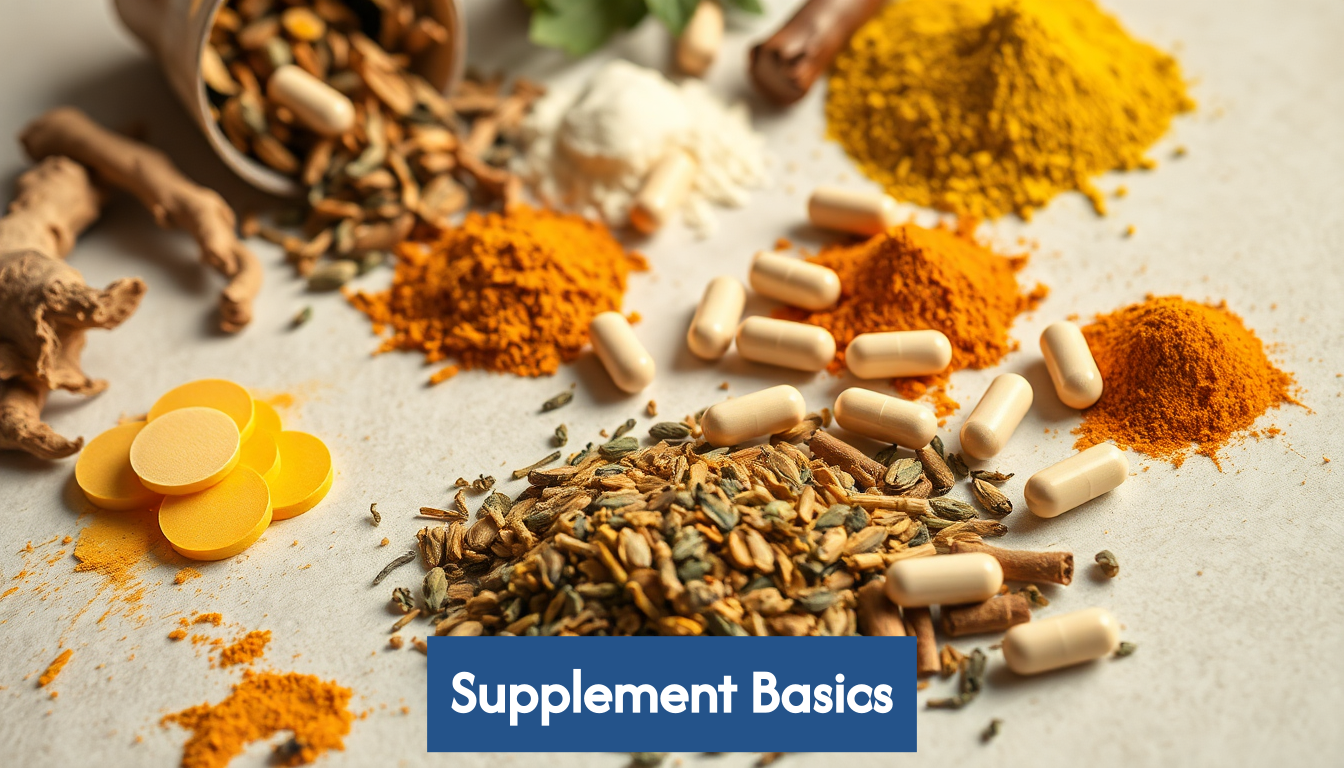
Herbal supplements, also known as botanicals or phytomedicines, are natural products derived from plants used to support health or address specific concerns. These supplements contain plant parts—roots, stems, leaves, flowers, or seeds—that are believed to have medicinal properties. Unlike pharmaceutical drugs, which typically contain isolated or synthetic active ingredients, herbal supplements often contain complex mixtures of compounds that work together.
The global interest in these natural remedies continues to grow significantly. According to market research, the herbal supplements market was valued at USD 53.8 billion in 2025 and is projected to reach USD 71.41 billion by 2029, growing at a 7.3% CAGR. This growth is primarily driven by increasing health-conscious consumers and the rising geriatric population seeking natural alternatives to conventional medicine, according to Research and Markets.
How Herbal Supplements Work
Herbal supplements function through various mechanisms in the body. Many contain bioactive compounds like flavonoids, alkaloids, terpenoids, and glycosides that interact with different biological systems. Some herbs may:
- Support immune function by enhancing the body’s natural defenses
- Provide antioxidant protection against cellular damage
- Help modulate inflammation processes
- Support specific organ systems such as the liver, heart, or digestive tract
One important consideration when exploring herbal supplements is their interaction with the body’s metabolic processes. Herbal supplements can interact with cytochrome p450 enzymes (CYP450), which are responsible for metabolizing many medications. This interaction becomes a significant clinical concern when herbal supplements are taken alongside prescription medications, potentially affecting drug efficacy or safety, as noted by the National Library of Medicine.
Common Types of Herbal Supplements
The world of herbal supplements is vast and diverse. Some of the most commonly used herbs include:
Adaptogenic herbs like ashwagandha, rhodiola, and holy basil help the body adapt to stress and promote overall balance.
Immune-supporting herbs such as echinacea, elderberry, and astragalus are often used during seasonal changes or when immune support is needed.
Digestive herbs like ginger, peppermint, and fennel can help soothe digestive discomfort and support gut health.
Cognitive herbs such as ginkgo biloba, bacopa, and lion’s mane may support memory, focus, and overall brain health.
Quality and Standardization Challenges
One of the biggest challenges when exploring herbal supplements is ensuring product quality and consistency. Unlike pharmaceutical drugs, herbal supplements are regulated differently and may not undergo the same rigorous testing.
A 2025 study by Vanderbilt pharmacologists highlighted this issue when they uncovered substantial inconsistencies in the alkaloid content of Corydalis yanhusuo dietary supplements. Their research found that only five of fourteen analyzed products contained alkaloid levels comparable to those found in the natural plant, according to Vanderbilt University Medical Center.
This variation underscores the importance of choosing herbal supplements from reputable manufacturers who conduct third-party testing and provide certificates of analysis. When exploring herbal supplements, look for products that are standardized to contain specific amounts of active compounds, as this helps ensure consistent potency and effect.
Starting Your Herbal Supplement Journey
If you’re new to herbal supplements, it’s advisable to start with single-herb formulations rather than complex blends. This approach makes it easier to identify which herbs work well for your body and which might cause sensitivities. Begin with lower dosages and gradually increase as needed while monitoring how your body responds.
Remember that herbal supplements are meant to complement, not replace, a healthy lifestyle. They work best when combined with proper nutrition, regular physical activity, stress management, and adequate sleep. By understanding these herbal supplement basics, you can make more informed choices on your wellness journey.
Exploring Health Benefits Naturally
The allure of herbal supplements lies in their potential to support wellness through natural means. As more people seek alternatives to conventional approaches, understanding the specific benefits of various herbs becomes increasingly important. The growing interest in natural remedies is reflected in market projections, with the herbal medicine market expected to expand from $105.24 billion in 2025 to approximately $580.81 billion by 2034, according to Global News Wire. This remarkable growth underscores the shift toward embracing natural approaches to health management.
Targeted Wellness Support
Different herbal supplements offer specific benefits for various aspects of health. When exploring herbal supplements, it’s helpful to understand which herbs align with your particular wellness goals:
Immune System Enhancement
Strengthening your body’s natural defenses is one of the most sought-after benefits of herbal supplements. Echinacea and elderberry are particularly renowned for their immune-boosting properties. These herbs contain compounds that can help the body fend off seasonal threats and recover more quickly when challenges arise. According to American College of Acupuncture, these herbs specifically target immune function, making them popular choices during seasonal transitions or when additional immune support is desired.
Digestive Health Optimization
Digestive discomfort affects millions of people daily, from occasional bloating to more persistent issues. Herbal remedies like ginger and peppermint have demonstrated remarkable efficacy in soothing digestive systems. Ginger contains gingerols and shogaols that help reduce nausea and inflammation, while peppermint relaxes digestive tract muscles and improves bile flow. These natural solutions offer gentle yet effective relief without the side effects often associated with pharmaceutical options.
Mental Wellbeing Support
Mental health is increasingly recognized as a crucial component of overall wellness. St. John’s Wort has shown promise in alleviating symptoms of mild depression by affecting neurotransmitter activity in the brain. Similarly, ashwagandha is valued for its ability to reduce cortisol levels, helping the body manage stress more effectively. These adaptogenic qualities make it particularly beneficial during periods of heightened tension or anxiety.
Synergistic Effects and Whole-Plant Benefits
Unlike isolated compounds in conventional medications, herbal supplements often work through multiple mechanisms simultaneously. This synergistic action occurs because plants contain hundreds of bioactive compounds that work together in ways that cannot be replicated by single isolated substances.
For example, turmeric’s benefits extend beyond its well-known curcumin content. The whole herb contains essential oils, fiber, and other compounds that enhance absorption and effectiveness. This holistic approach often results in gentler action with fewer side effects than isolated compounds.
Many herbalists and traditional medicine practitioners emphasize that this complex interplay of compounds provides benefits that exceed what any single extracted component might offer. This principle of synergy is central to understanding why exploring herbal supplements as whole-plant preparations often yields different results than isolated extracts.
Safety Considerations When Exploring Benefits
While exploring the benefits of herbal supplements, it’s crucial to remain aware of potential interactions, especially if you take prescription medications. Herbal supplements can interact with cytochrome p450 enzymes (CYP450), which metabolize approximately 80% of prescribed medications. According to the National Library of Medicine, specific compounds in herbs like Gingko biloba, St. John’s wort (hyperforin), ginseng (ginsenosides), and garlic (diallyl sulfide) can induce CYP450 enzymes, while terpenes in black cohosh and Echinacea extract may inhibit these enzymes.
These interactions can potentially alter medication effectiveness or safety, making it essential to consult healthcare providers before combining herbal supplements with prescription medications.
Personalized Approaches to Herbal Benefits
The effectiveness of herbal supplements varies significantly between individuals due to differences in metabolism, gut microbiome composition, genetic factors, and overall health status. What works remarkably well for one person might produce minimal results for another.
This individual variation highlights the importance of a personalized approach when exploring herbal supplements. Rather than following generic recommendations, consider your unique health profile, current medications, and specific wellness goals. Tracking your response to different herbs through a health journal can help identify which supplements provide the most benefit for your particular situation.
By exploring herbal supplements with awareness of their specific benefits, potential interactions, and your individual needs, you can harness natural approaches to wellness more effectively and safely. The growing body of research supporting various herbal benefits suggests that traditional wisdom and modern science are increasingly finding common ground in the realm of plant-based wellness.
Latest Trends and Research 2025

The herbal supplement landscape is evolving rapidly in 2025, with new research, emerging market trends, and innovative approaches to natural wellness taking center stage. For those exploring herbal supplements, staying informed about these developments can help make more educated choices about which products might best support individual health goals.
Market Evolution and Growth Patterns
The herbal supplements market continues its impressive expansion trajectory. According to Research and Markets, the global market is expected to grow from $49.71 billion in 2024 to $53.8 billion in 2025, representing a compound annual growth rate (CAGR) of 8.2%. This growth stems from several factors, including increased consumer education about natural remedies, a stronger focus on preventive healthcare approaches, and the needs of an aging global population seeking gentle yet effective wellness solutions.
Particularly noteworthy is the pharmaceutical segment within the herbal supplements industry. This segment is projected to achieve an even stronger CAGR of 10.05% through 2025, as reported by IndustryARC. This trend reflects the increasing integration of herbal supplements into mainstream health and wellness solutions, blurring the lines between traditional herbal remedies and conventional approaches.
Personalized Herbal Solutions
One of the most significant trends in 2025 is the rise of personalized herbal supplementation. Moving beyond the one-size-fits-all approach, companies are now leveraging advanced technologies to create customized herbal formulations based on individual health profiles, genetic information, and specific wellness goals.
This personalization trend manifests in several innovative ways:
- Direct-to-consumer testing kits that analyze genetic predispositions and guide herbal supplement selection
- AI-powered apps that track supplement effectiveness and recommend adjustments based on reported outcomes
- Subscription services delivering personalized herbal blends tailored to individual health data and goals
These customized approaches help address one of the long-standing challenges in herbal supplementation: individual variability in response to specific herbs. By tailoring recommendations to personal biochemistry and health status, these services aim to maximize benefits while minimizing the trial-and-error process many consumers experience.
Sustainability and Ethical Sourcing
Environmental and ethical considerations have moved from niche concerns to mainstream priorities in the herbal supplement industry. In 2025, consumers are increasingly demanding transparency about how their supplements are sourced, processed, and packaged.
Eco-friendly packaging has emerged as a particularly important trend. According to Research and Markets, companies are investing heavily in sustainable packaging solutions, including biodegradable materials, plastic-free alternatives, and minimalist designs that reduce overall waste.
Beyond packaging, ethical sourcing practices have become a significant differentiator for premium herbal supplement brands. This includes:
- Fair trade certification ensuring equitable compensation for herb growers
- Regenerative agricultural practices that support ecosystem health
- Protection of traditional knowledge and benefit-sharing with indigenous communities
These practices not only appeal to environmentally conscious consumers but often result in higher quality raw materials and therefore more effective supplements.
Cultural Wisdom Meets Modern Science
The integration of traditional herbal knowledge with cutting-edge scientific research is creating exciting new possibilities in 2025. Researchers are investigating ancient herbal formulations using advanced technologies like metabolomics, proteomics, and genomics to understand their mechanisms of action at the molecular level.
This cultural and traditional influence is actively shaping product offerings, with many companies developing formulations that honor traditional uses while validating them through modern scientific methods. The result is a new generation of herbal supplements that bridge ancient wisdom and contemporary research.
These cross-cultural investigations have led to several breakthrough discoveries about previously overlooked herbs and novel applications for well-known botanicals. Researchers are particularly focused on understanding the complex synergistic effects between multiple compounds found in whole herbs—effects that cannot be replicated by isolated constituents.
Industry Collaborations and Partnerships
The expansion of collaborations between herbal supplement companies, research institutions, technology firms, and healthcare providers represents another key trend in 2025. These strategic partnerships are accelerating innovation and improving product quality across the industry.
These collaborations take various forms:
- Joint research initiatives between universities and herbal product manufacturers
- Technology partnerships integrating supplement tracking with health monitoring devices
- Clinical research collaborations testing herbal formulations in rigorous settings
By pooling resources and expertise, these partnerships are generating valuable data on efficacy, safety, and optimal usage protocols for herbal supplements—information that ultimately benefits consumers seeking evidence-based natural solutions.
As we navigate the evolving landscape of herbal supplements in 2025, these trends point toward an industry that is becoming more personalized, sustainable, scientifically validated, and collaborative. For those exploring herbal supplements, these developments promise greater efficacy, safety, and alignment with individual health needs and values.
Safe Usage and Risk Management
While exploring herbal supplements offers exciting possibilities for supporting wellness naturally, understanding how to use these products safely is just as important as knowing their potential benefits. Developing a thoughtful approach to herbal supplement use can help maximize benefits while minimizing potential risks.
Understanding Regulatory Limitations
Many consumers mistakenly believe that herbal supplements undergo the same rigorous testing and approval process as prescription medications. However, the regulatory framework for these products is quite different. Herbal supplements are regulated as dietary supplements, which means manufacturers must ensure their products are free of contaminants and accurately labeled, but they don’t require pre-market FDA approval.
According to Midwest Lifestyle Medicine Clinic, this regulatory approach doesn’t guarantee safety for all individuals. This regulatory reality makes it essential for consumers to take additional steps to ensure the supplements they choose are both safe and appropriate for their specific health situation.
Professional Guidance Is Essential
One of the most important safety practices when exploring herbal supplements is consulting with qualified healthcare providers before beginning any new supplement regimen. This step becomes particularly crucial if you:
- Take prescription medications
- Are pregnant or breastfeeding
- Have existing health conditions
- Are scheduled for surgery
- Are elderly or providing supplements to children
The Cleveland Clinic emphasizes this point, noting that many herbal products can cause serious drug interactions or adverse effects in certain populations. A healthcare provider with knowledge of herbal medicine can help assess potential risks based on your complete health profile.
Practical Safety Guidelines
Beyond professional consultation, several practical strategies can help minimize risks when using herbal supplements:
Start with researched products
Choose supplements from reputable manufacturers who voluntarily participate in third-party testing programs. Look for certification marks from organizations like NSF International, USP, or ConsumerLab, which indicate the product has been tested for quality, purity, and potency.
Follow label instructions precisely
Dosage guidelines exist for a reason. Taking more than the recommended amount doesn’t necessarily increase benefits and may significantly increase risks. As Northside Hospital advises, follow label instructions carefully and never exceed recommended dosages without professional guidance.
Implement the start-low approach
When beginning a new herbal supplement, consider starting with a lower dose than recommended and gradually increasing to the full dose over several days. This approach allows you to monitor how your body responds and can help identify potential sensitivities early.
Keep a supplement journal
Tracking your experience with different supplements can provide valuable insights about how they affect you personally. Note when you start taking a supplement, the dosage, any effects (positive or negative) you notice, and how these change over time.
Common Risk Factors to Consider
Certain situations warrant extra caution when exploring herbal supplements:
Polypharmacy considerations
The more medications and supplements you take, the greater the potential for interactions. Each additional substance increases the complexity of your biochemical environment, making unforeseen reactions more likely.
Surgery preparation
Many herbal supplements can affect bleeding risk, blood pressure, or how anesthesia works in the body. It’s generally recommended to stop all herbal supplements at least two weeks before scheduled surgery unless your surgical team specifically approves continued use.
Pregnancy and lactation
During pregnancy and breastfeeding, substances you consume can reach your baby. Since research on herbal safety during these periods is limited, extra caution is warranted. Many herbs traditionally used for general wellness are not appropriate during pregnancy.
Recognizing Warning Signs
Knowing when to discontinue an herbal supplement is just as important as knowing how to select one. Stop taking a supplement and seek medical advice if you experience:
- Unexpected symptoms like rashes, headaches, digestive disturbances, or changes in heart rate
- Worsening of existing health conditions
- Any severe reaction, even if it doesn’t seem directly related to the supplement
Remember that “natural” doesn’t automatically mean safe. As the Northside Hospital points out, many potent natural substances can cause significant adverse effects if used incorrectly.
Building a Comprehensive Safety Approach
The safest approach to herbal supplements combines informed selection, appropriate usage, ongoing monitoring, and professional guidance. By thinking of herbal supplements as powerful tools rather than harmless additions to your routine, you can develop the respectful and cautious approach that these complex botanical preparations deserve.
When used thoughtfully within this safety framework, herbal supplements can be valuable contributors to your wellness journey while minimizing potential risks. The key is balancing enthusiasm for natural approaches with practical risk management strategies.
Frequently Asked Questions
What are herbal supplements?
Herbal supplements, also known as botanicals, are natural products derived from plants used to support health or address specific concerns. They contain plant parts believed to have medicinal properties.
How do herbal supplements work in the body?
Herbal supplements interact with various biological systems through bioactive compounds that can support immune function, provide antioxidant protection, modulate inflammation, and support organ systems such as the liver or digestive tract.
Are herbal supplements safe to use with prescription medications?
Herbal supplements can interact with medications, particularly those metabolized by cytochrome P450 enzymes. It’s essential to consult a healthcare provider before combining herbal supplements with prescription drugs to avoid potential interactions.
What should I consider when choosing herbal supplements?
When selecting herbal supplements, prioritize quality by choosing products from reputable manufacturers that undergo third-party testing. Start with single-herb formulations, follow recommended dosages, and consider your unique health profile and wellness goals.
Tailored Herbal Solutions Await You!
Navigating the world of herbal supplements can be a daunting task, especially with the myriad of choices and potential interactions highlighted in our latest article on Exploring Herbal Supplements: 2025 Guide & Benefits. Many individuals face challenges like determining which herbs can effectively support their immune system or digestive health without the risk of adverse effects from interactions with medications. At Menalam, we understand these complexities and have created an intelligent platform that acts as your personal nutritionist.
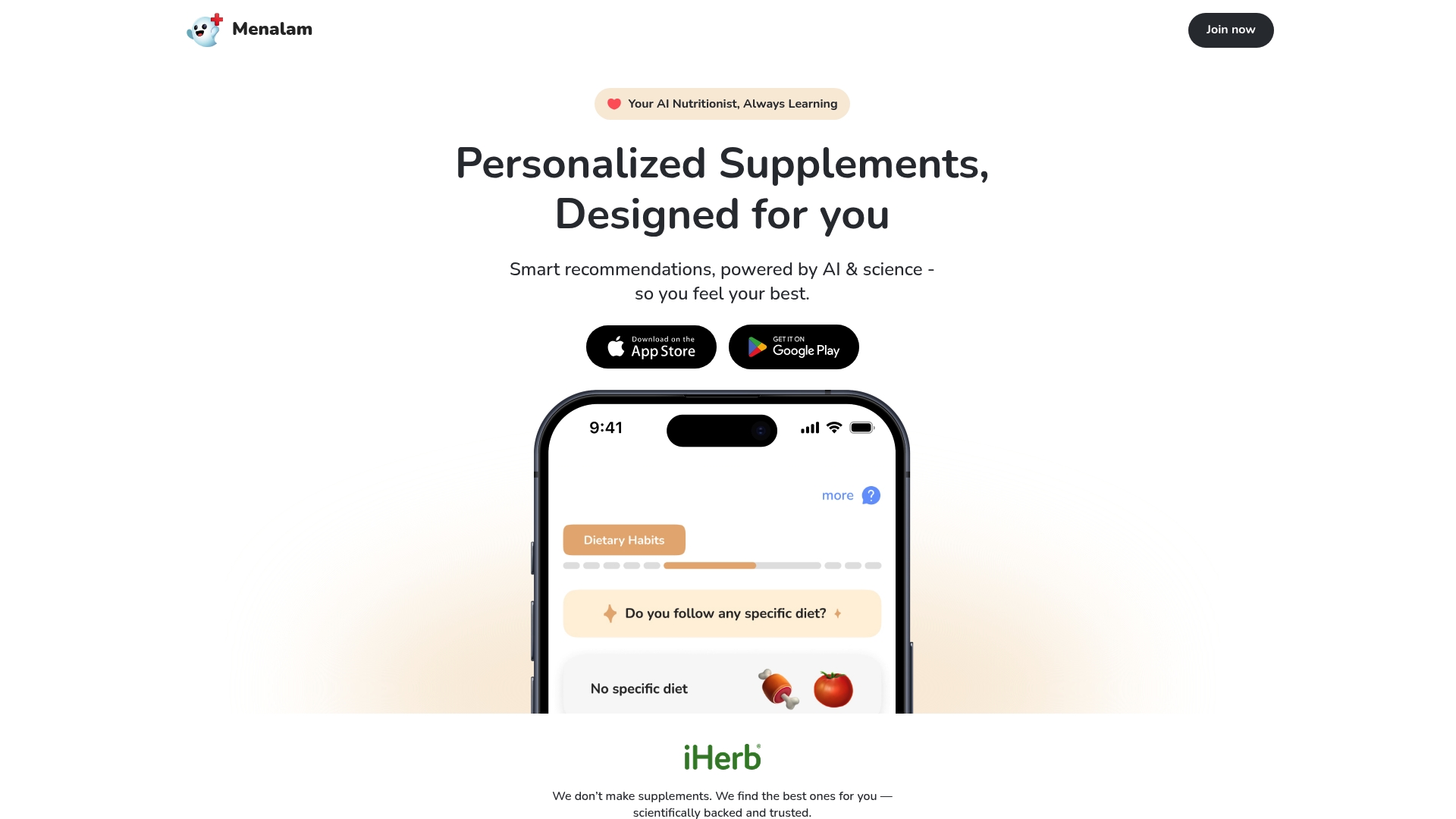
With Menalam’s AI-driven personalized recommendations, you can cut through the confusion and discover the exact herbal supplements suited to your unique health profile. By simply taking a quick health quiz, you unlock tailored supplement plans designed to meet your individual needs. Our platform not only offers guidance based on scientifically validated options but also provides a mobile app to track your intake and progress, ensuring you stay on the path to wellness. Don’t leave your health to chance! Join us today at https://menalam.com to transform your wellness journey with a customized approach that evolves with you. Act now to leverage the power of personalization and embrace your healthiest self!
Leave a Reply