

A balanced diet is fundamental for good health and well-being, yet many people misunderstand what it truly entails. Surprising as it may seem, a balanced diet should consist of at least five food groups in appropriate proportions, yet many individuals struggle to incorporate this diversity into their meals. The unexpected truth is that achieving balance doesn’t require strict diets or rare ingredients; it’s about personalization and everyday foods tailored to your needs.
Table of Contents
- Understanding A Balanced Diet
- Choosing Essential Nutrients Wisely
- Meal Planning For Daily Balance
- Simple Lifestyle Tips For Diet
Quick Summary
| Takeaway | Explanation |
|---|---|
| A balanced diet is foundational to health | A balanced diet involves consuming diverse nutrients in proper proportions to maintain optimal health, which includes macronutrients (proteins, carbohydrates, fats), micronutrients (vitamins and minerals), fiber, and water. |
| Personalization is key | Nutritional needs vary based on individual factors such as age, activity level, and health conditions, making it essential to adapt dietary choices to personal circumstances for effective balance. |
| Effective meal planning enhances balance | The plate method is a simple strategy for visualizing balanced meals: half of the plate for fruits and vegetables, one quarter for lean proteins, and one quarter for whole grains, making it easy to achieve daily nutritional goals. |
| Mindful eating can improve food choices | Practicing mindful eating, such as focusing on flavors and eating without distractions, can help regulate portion sizes and enhance satisfaction with smaller amounts of food. |
| Hydration is an essential part of nutrition | Proper hydration supports bodily functions and appetite regulation; incorporating water-rich foods and ensuring easy access to water can help maintain adequate hydration levels throughout the day. |
Understanding a Balanced Diet
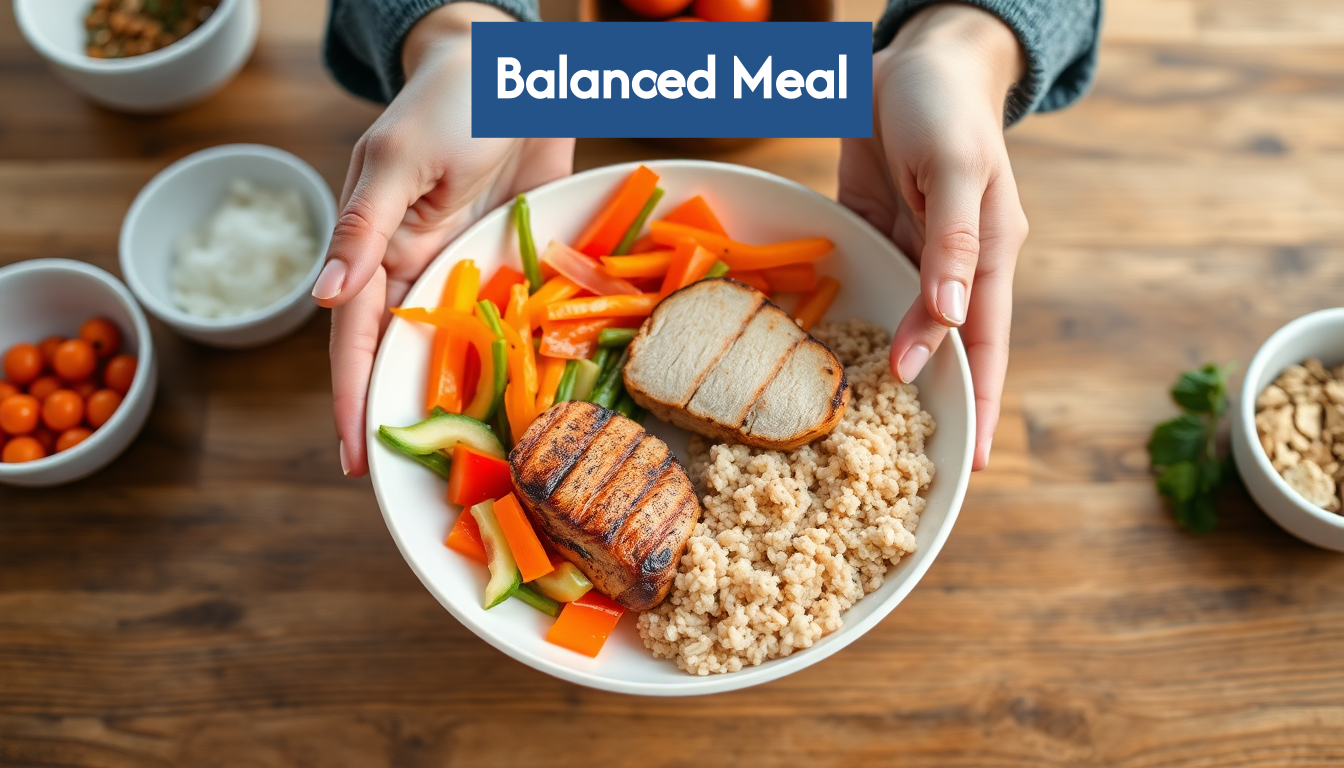
A balanced diet forms the cornerstone of good health, but what exactly does this common nutrition term mean? At its core, balanced diet meaning encompasses consuming appropriate amounts of various food groups to maintain optimal health and well-being.
What Does a Balanced Diet Mean?
The definition of a balanced diet goes beyond simply eating “healthy foods.” What is meant by a balanced diet is the intentional consumption of diverse nutrients in proper proportions to support your body’s functions. This includes proteins, carbohydrates, fats, vitamins, minerals, and water—each playing vital roles in maintaining your health.
What balanced diet means in practical terms is eating a variety of foods that provide all the nutrients your body needs without excessive calories. It’s about quality and quantity working together. For instance, while fruits are nutritious, eating only fruits would not constitute a balanced diet because you’d miss essential nutrients found in other food groups.
A common misconception is that balanced eating requires complicated meal plans or exotic ingredients. In reality, what does balanced diet consist of are everyday foods in appropriate amounts. The key is variety and moderation rather than restriction or perfection.
Components of a Balanced Diet
Understanding what a balanced diet means requires familiarity with its core components:
- Macronutrients (needed in larger quantities): Proteins for tissue building and repair, carbohydrates for energy, and fats for hormone production and nutrient absorption
- Micronutrients (needed in smaller amounts): Vitamins and minerals that support various bodily functions
- Fiber for digestive health and sustained energy
- Water for hydration and numerous bodily processes
When people ask what are the balance diet food, the answer isn’t a specific list but rather a framework that includes:
- Fruits and vegetables (at least half your plate)
- Whole grains (about a quarter of your plate)
- Protein sources (about a quarter of your plate)
- Healthy fats in moderate amounts
- Dairy or plant-based alternatives
According to Dr. David Katz, founding director of the Yale-Griffin Prevention Research Center, “The basic theme of optimal eating—a diet made up mostly of whole, wholesome plant foods—has tremendous consensus support. Adding ever more studies does not change this fundamental truth.”
Personalizing Your Balanced Diet
What does it mean to have a balanced diet varies somewhat from person to person. Your specific nutritional needs depend on factors like:
- Age and gender
- Activity level and fitness goals
- Health conditions and medications
- Food preferences and cultural background
- Pregnancy, breastfeeding, or other special circumstances
This is why how to balance diet effectively might look different for a sedentary office worker compared to an elite athlete, or for a pregnant woman versus a senior citizen. The principles remain the same, but the specific implementation varies.
For example, a person with high cholesterol might focus more on soluble fiber and heart-healthy fats, while someone with iron-deficiency anemia might emphasize iron-rich foods alongside vitamin C for better absorption.
Understanding balanced diet def in this personalized context helps you make more meaningful dietary choices. Rather than following generic advice, you can adapt balanced eating principles to your unique situation.
Learning how to improve diet starts with this fundamental understanding of what balanced nutrition really means. It’s not about temporary changes but developing sustainable eating patterns that nourish your body and support your health goals over the long term.
Remember that achieving nutritional balance doesn’t happen in a single meal—it’s about patterns over days and weeks. This flexible approach makes balanced eating both achievable and sustainable, allowing room for occasional treats while maintaining overall nutritional quality.
Choosing Essential Nutrients Wisely
Knowing how to balance diet effectively requires understanding which nutrients your body needs and in what amounts. While the previous section explained what a balanced diet means, this section focuses on making smart choices about specific nutrients that power your body.
Prioritizing Protein Sources
Protein serves as the building block for tissues, enzymes, and hormones in your body. When learning how to improve diet, selecting the right protein sources matters significantly.
Plant-based proteins like beans, lentils, tofu, and quinoa offer fiber and antioxidants alongside protein. Animal proteins such as eggs, fish, poultry, and lean meats provide complete proteins with all essential amino acids. The key is variety—mixing protein sources throughout the week ensures you get a complete range of amino acids and other nutrients.
For example, combining rice with beans creates a complete protein profile similar to meat but with added fiber benefits. This approach helps you achieve nutritional goals while potentially reducing environmental impact and often cost.
Smart Carbohydrate Choices
Carbohydrates have gained an undeserved bad reputation in recent years. The truth is, they remain your body’s preferred energy source. The distinction lies in choosing complex carbohydrates over simple sugars.
Complex carbohydrates from whole grains, vegetables, and legumes provide sustained energy along with fiber, vitamins, and minerals. These foods digest slowly, helping maintain stable blood sugar levels and providing lasting fullness.
When selecting breads, pastas, and cereals, look for “whole grain” as the first ingredient. Brown rice, quinoa, oats, and barley make excellent bases for meals. These choices support how to balance diet effectively by providing both energy and essential micronutrients.
Fats: The Essential Misunderstood Nutrient
Dietary fats play crucial roles in hormone production, brain function, vitamin absorption, and cell membrane integrity. The key to incorporating fats wisely lies in choosing the right types.
Healthy fats include:
- Monounsaturated fats found in olive oil, avocados, and most nuts
- Polyunsaturated fats, including omega-3s from fatty fish, walnuts, and flaxseeds
- Limited amounts of saturated fats from animal sources and tropical oils
Prioritize foods with natural fats over highly processed alternatives. For example, an avocado provides healthier fats than a package of fat-free cookies loaded with refined carbohydrates and artificial ingredients.
Micronutrient Mindfulness
Vitamins and minerals—though needed in smaller quantities—perform vital functions throughout your body. Rather than focusing on individual micronutrients, consider food patterns that naturally provide a spectrum of these essential compounds.
For example, eating a variety of colorful vegetables and fruits automatically supplies different antioxidants and phytonutrients. The orange in sweet potatoes indicates beta-carotene, while the deep red in berries signals anthocyanins—each offering unique benefits.
Certain nutrients deserve special attention when planning how to achieve nutritional goals:
- Vitamin D, often lacking in modern diets, supports bone health and immune function
- Iron, particularly important for women and athletes, carries oxygen throughout the body
- Calcium, essential for bones and nerve function, goes beyond just dairy sources
- B vitamins, crucial for energy metabolism, are found in whole grains and animal products
Hydration: The Overlooked Nutrient
Water deserves recognition as an essential nutrient—it enables virtually every bodily process. While the “eight glasses daily” rule provides a reasonable starting point, individual needs vary based on activity level, climate, body size, and diet.
Water-rich foods like cucumbers, watermelon, oranges, and soups contribute to your daily fluid intake. Additionally, unsweetened beverages like herbal tea can provide hydration along with beneficial plant compounds.
Monitor your hydration through thirst cues and urine color (pale yellow indicates adequate hydration). This simple practice supports your efforts to balance diet effectively—as even mild dehydration affects energy levels, mental clarity, and overall well-being.
By making thoughtful choices about these essential nutrients, you create a sustainable approach to how to improve diet. Rather than viewing foods as “good” or “bad,” consider how each choice contributes to your overall nutritional needs and health goals. This balanced perspective transforms nutrition from a restrictive practice into an empowering daily habit.
Meal Planning for Daily Balance
Transforming nutrition knowledge into daily practice requires a practical approach to meal planning. Learning how to balance diet isn’t just about understanding nutrients—it’s about creating sustainable eating patterns that work in real life.
The Plate Method: Visual Balance
One of the simplest ways to achieve nutritional balance is by using the plate method. This visual approach helps you portion your meals appropriately without measuring or counting:
- Fill half your plate with non-starchy vegetables and fruits
- Reserve one quarter for lean proteins
- Use the remaining quarter for whole grains or starchy vegetables
- Add a small amount of healthy fat
This method naturally creates balance while allowing flexibility. For example, a dinner might include roasted chicken (protein), quinoa (whole grain), a large portion of roasted vegetables (non-starchy vegetables), and a drizzle of olive oil (healthy fat).
The beauty of this approach is its adaptability across different cuisines and preferences. Whether you’re enjoying a stir-fry, pasta dish, or sandwich, you can apply these proportions to achieve nutritional goals.
Strategic Meal Prep
Meal preparation is a powerful tool for maintaining balance when life gets busy. Rather than prepping complete meals that might feel repetitive, consider component-based preparation:
- Batch cook versatile proteins (grilled chicken, hard-boiled eggs, baked tofu)
- Prepare various whole grains and starches (brown rice, quinoa, roasted sweet potatoes)
- Wash and chop vegetables for quick assembly
- Make homemade dressings or sauces to add flavor variety
With these components ready, you can mix and match throughout the week, creating different meals from the same prep session. This approach prevents the common pitfall of reaching for unhealthy options when time is limited.
Balancing Across the Day
Nutritional balance doesn’t require every single meal to be perfectly balanced. Instead, aim for balance across the day or even the week. If breakfast is carbohydrate-heavy (like oatmeal with fruit), plan for a protein-focused lunch or add protein to breakfast (like adding Greek yogurt or eggs).
This flexible approach acknowledges real-life eating patterns while still achieving overall balance. It allows room for occasional restaurant meals or treats without derailing your nutritional goals.
Consider these balanced meal combinations that work well for different times of day:
Morning Options:
- Vegetable omelet with whole-grain toast and fruit
- Greek yogurt with berries, nuts, and a sprinkle of whole-grain cereal
- Overnight oats made with milk, chia seeds, and fruit
Midday Ideas:
- Grain bowl with quinoa, roasted vegetables, chickpeas, and tahini dressing
- Hearty salad with mixed greens, grilled chicken, avocado, and a variety of vegetables
- Whole-grain wrap with hummus, vegetables, and turkey
Evening Meals:
- Baked fish with roasted vegetables and brown rice
- Bean-based vegetable soup with whole-grain bread and a side salad
- Stir-fry with plenty of vegetables, tofu or lean meat, and a moderate portion of noodles
Practical Planning Tools
Implementing how to balance diet effectively benefits from simple planning tools:
- A weekly meal calendar (digital or paper) to outline main meals
- A flexible shopping list organized by food categories
- A list of balanced meal ideas that you enjoy and can prepare easily
- A routine for regular kitchen inventory to reduce waste
These tools don’t need to be complex—even a simple note in your phone can serve as an effective meal plan. The goal is to reduce daily decision fatigue while ensuring nutritional balance.
Adapting for Real Life
A sustainable approach to how to improve diet acknowledges that life includes special occasions, travel, and unexpected situations. Rather than striving for perfection, develop strategies for maintaining reasonable balance even during disruptions:
- When dining out, apply the plate method visually to your restaurant meal
- Keep portable, nutritious options available for busy days (nuts, fruit, yogurt)
- Practice simple food swaps rather than complete meal overhauls
- Focus on adding nutrition first, rather than just restricting less healthy options
Remember that consistency matters more than perfection. A meal plan that works 80% of the time is far more effective than an “ideal” plan that’s too complicated to maintain. By creating flexible structures for daily eating, you can achieve nutritional goals while still enjoying food and accommodating real life’s unpredictability.
Simple Lifestyle Tips for Diet

Successfully learning how to balance diet extends beyond food choices to include lifestyle practices that support healthy eating. These practical strategies can make nutritional balance easier to achieve and maintain over time.
Mindful Eating Practices
Mindfulness—paying full attention to the present moment—transforms how you experience food. When applied to eating, this practice helps you recognize true hunger, enjoy meals more fully, and naturally regulate portion sizes.
Try these mindful eating techniques:
- Eat without digital distractions (phones, TV, computers)
- Take time to notice the colors, smells, textures, and flavors of your food
- Pause between bites and put utensils down occasionally
- Check in with your hunger and fullness cues throughout the meal
These simple practices often lead to greater satisfaction with smaller portions and improved digestion. Rather than viewing mindful eating as another task, see it as permission to fully enjoy your food without rushing.
Social Eating Strategies
Sharing meals is an important social connection, but it can sometimes challenge balanced eating efforts. Instead of avoiding social situations, develop strategies that allow participation while maintaining nutritional goals:
- Offer to bring a dish to gatherings that supports your eating approach
- Eat a small, nutritious snack before events where food choices may be limited
- Focus on the social aspects rather than just the food
- Practice polite ways to decline food without making others uncomfortable
Remember that occasional indulgences at special events won’t derail your overall nutritional balance. The consistency of your daily habits matters more than individual meals.
Managing Environmental Cues
Your environment significantly influences eating patterns, often without conscious awareness. Make your surroundings work for rather than against your nutritional goals:
- Keep nutritious, ready-to-eat foods visible and convenient
- Store less nutritious options out of sight or avoid purchasing them
- Use smaller plates and tall, narrow glasses to naturally moderate portions
- Pre-portion snack foods rather than eating directly from packages
These environmental adjustments reduce the need for constant willpower. When nutritious choices become the path of least resistance, balanced eating becomes much easier.
Sleep and Stress Management
Often overlooked, sleep and stress significantly impact eating patterns. Inadequate sleep disrupts hunger hormones, often increasing cravings for high-calorie, low-nutrient foods. Similarly, chronic stress can trigger emotional eating and poor food choices.
Incorporate these habits to support how to improve diet through better rest and stress management:
- Aim for 7-9 hours of quality sleep most nights
- Establish a consistent sleep schedule when possible
- Practice brief stress-reduction techniques throughout the day (deep breathing, short walks, stretching)
- Identify non-food ways to manage emotions and celebrate accomplishments
When well-rested and managing stress effectively, making balanced food choices becomes naturally easier.
Kitchen Skills Development
Basic cooking skills dramatically expand your ability to eat well. You don’t need to become a chef—even a few simple techniques can transform your relationship with food:
- Learn to properly prepare vegetables in ways you enjoy
- Master a few versatile cooking methods like roasting, sautéing, and one-pot meals
- Experiment with herbs and spices to add flavor without excess salt or sugar
- Develop a repertoire of 5-10 simple, balanced meals you can prepare with confidence
Even spending 15 minutes weekly learning a new food preparation skill gradually builds your capability to create balanced, delicious meals.
Hydration Habits
Proper hydration supports every aspect of health, including appetite regulation. Many people confuse thirst with hunger, leading to unnecessary snacking.
Try these strategies to maintain hydration throughout the day:
- Keep water visible and accessible during your daily activities
- Establish hydration triggers by linking drinking water to regular activities (like checking email or starting a new task)
- Infuse water with fruit, herbs, or cucumber for variety without added sugar
- Begin meals with water or broth-based soup to support proper hunger assessment
These simple lifestyle adjustments create an environment where balanced eating becomes your default rather than something requiring constant effort. By addressing the broader context of how, when, and why you eat, you create sustainable conditions for nutritional success. Remember that small, consistent changes often lead to more lasting improvements than dramatic overhauls that prove difficult to maintain.
Frequently Asked Questions
What is a balanced diet?
A balanced diet consists of a variety of foods that provide the necessary nutrients in appropriate proportions. It includes macronutrients like proteins, carbohydrates, and fats, as well as micronutrients like vitamins and minerals, fibers, and water.
How can I personalize my balanced diet?
Personalizing your balanced diet involves considering your age, activity level, health conditions, preferences, and cultural background. Tailor your food choices based on your unique needs and lifestyle for effective balance.
What are the main components of a balanced diet?
The main components of a balanced diet include fruits and vegetables, whole grains, lean proteins, healthy fats, and adequate hydration. Aim to fill half your plate with fruits and vegetables, one quarter with whole grains, and the remaining quarter with protein.
How can meal planning help with a balanced diet?
Meal planning aids in achieving a balanced diet by allowing you to visualize and prepare meals in advance. Use the plate method, prepare food components, and maintain flexibility across meals to make nutritious choices easier, especially during busy times.
Elevate Your Nutritional Balance with Menalam
Navigating the complexities of a balanced diet can be overwhelming. As emphasized in the article, achieving daily health revolves around personalizing your nutrition and making informed choices that fit your individual needs. Whether you’re unsure about the right macronutrient proportions or struggling to incorporate essential vitamins and minerals, Menalam is here to help.
By leveraging AI-driven personalized recommendations, Menalam bridges the gap between knowledge and action. Our platform offers tailored supplement plans designed to complement your unique lifestyle and dietary preferences. Imagine having expert nutritional guidance at your fingertips—no more guesswork, only science-backed solutions that adjust as you progress.
Take the first step towards a healthier you! Begin your nutritional journey today by completing our quick health quiz at Menalam. Discover which vitamins and supplements fit your profile, track your health progress seamlessly through our mobile app, and enjoy the confidence that comes from informed decisions. Don’t wait to achieve your health goals—sign up now and transform your daily balance into lasting wellness!
Leave a Reply