
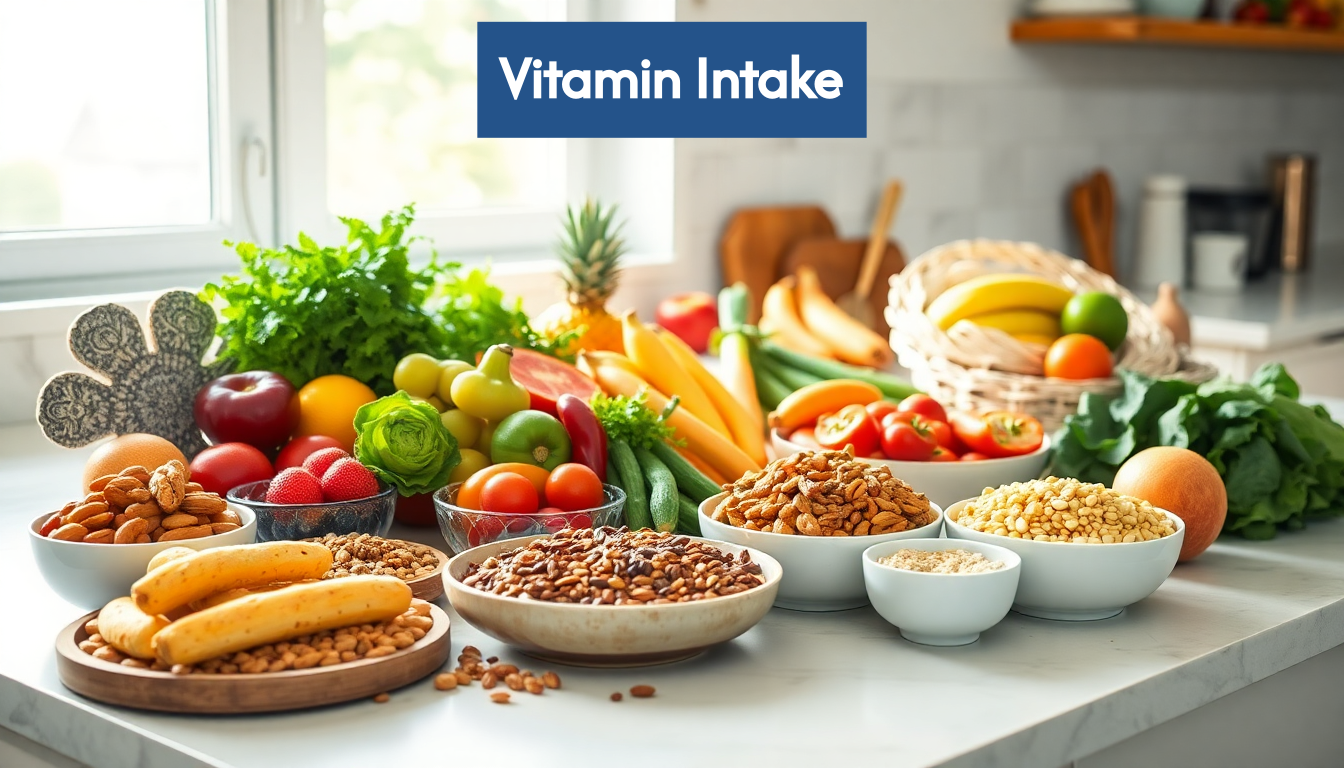
Vitamins are crucial for your health and wellbeing. In fact, a balanced intake of essential vitamins can significantly boost your immune system and energy levels. But here’s the surprising part: most people don’t realize that your body absorbs vitamins best from whole foods, not from supplements. This might challenge your usual approach to nutrition, but prioritizing nutrient-rich foods is the key to maximizing vitamin benefits.
Table of Contents
- Vitamins Essential For Healthy Living
- Daily Vitamin Intake Guidelines
- Safe Vitamin Supplementation Practices
- Optimizing Intake For 2025 Trends
Quick Summary
| Takeaway | Explanation |
|---|---|
| Prioritize Whole Foods for Optimal Vitamin Absorption | Aim to meet your vitamin needs through nutrient-dense whole foods, which enhance absorption and provide additional beneficial compounds compared to supplements. |
| Recognize Personal Vitamin Needs | Individual factors like age, sex, health status, and lifestyle dictate unique vitamin requirements; regular nutritional assessments can help identify any gaps. |
| Follow Daily Intake Guidelines and Monitor Levels | Understand the Recommended Dietary Allowances (RDAs) for different vitamins, and use food labels to track your intake, adjusting based on personal circumstances and changes. |
| Be Cautious with Supplements | Before taking any vitamin supplements, assess your need, ensure you choose quality products, and schedule periodic evaluations to avoid deficiencies or excessive intake. |
| Stay Informed on Emerging Trends | Keep an eye on developments in precision nutrition and functional foods, as these trends focus on personalized vitamin intake and nutrient-rich food sources for future health optimization. |
Vitamins: Essential for Healthy Living
Vitamins are the unsung heroes in our quest for optimal health. While they don’t provide energy directly like carbohydrates or proteins, these micronutrients are critical for nearly every bodily function. Without the right vitamin intake, even the most carefully planned diet can fall short of supporting your overall wellbeing.
The Fundamental Role of Vitamins
Vitamins are organic compounds that our bodies need in small amounts to function properly. According to the National Center for Complementary and Integrative Health, vitamins support metabolism, strengthen immune function, and maintain everything from skin and bone health to neurological function. The human body requires thirteen essential vitamins—vitamins that must come from external sources because our bodies cannot produce them in sufficient quantities.
These thirteen essential nutrients include vitamins A, C, D, E, K, and the eight B vitamins (thiamine, riboflavin, niacin, pantothenic acid, B6, biotin, folate, and B12). Each plays a unique and vital role:
- Vitamin A supports vision health and immune function
- Vitamin C is crucial for collagen production and acts as an antioxidant
- Vitamin D promotes calcium absorption for bone health
- Vitamin E functions as a powerful antioxidant protecting cells
- Vitamin K is essential for proper blood clotting
The B vitamin complex collectively helps convert food into energy, supports nerve function, and assists with DNA synthesis and repair.
Why Food-First Approach Matters
While supplements may seem like a convenient shortcut to optimal vitamin intake, the body typically absorbs vitamins more effectively from whole foods. The Dietary Guidelines for Americans recommend meeting nutritional needs primarily through nutrient-dense foods rather than supplements.
Whole foods provide vitamins in their natural forms, often accompanied by fiber, minerals, and other beneficial compounds that work synergistically. For example, the vitamin C in an orange comes packaged with bioflavonoids that enhance its absorption and effectiveness in ways that an isolated supplement might not match.
Signs of Vitamin Inadequacy
Your body has ways of signaling when vitamin intake isn’t meeting your daily needs. Subtle symptoms often appear before serious deficiencies develop:
- Unexplained fatigue or weakness (may indicate B vitamin deficiencies)
- Slow-healing wounds (potential vitamin C inadequacy)
- Hair loss or brittle nails (possibly linked to biotin or other B vitamins)
- Mouth issues like cracks at corners (may suggest riboflavin deficiency)
- Bone pain (could indicate vitamin D insufficiency)
Pay attention to these signals—they’re your body’s way of communicating that something in your nutritional profile needs attention.
Balancing Supplementation and Natural Sources
Despite our best efforts, dietary gaps happen. MedlinePlus notes that while all thirteen essential vitamins must come from our diet, certain populations face higher risks of deficiency. Pregnant women often need additional folate. Older adults and those with limited sun exposure may require vitamin D supplements. Strict vegetarians might benefit from B12 supplementation.
When considering supplements for optimal vitamin intake, remember they should complement—not replace—a nutrient-rich diet. Think of supplements as filling specific gaps rather than providing comprehensive nutrition.
The Personal Nature of Vitamin Needs
Your optimal vitamin intake depends on numerous factors including age, sex, health conditions, activity level, and even genetic predispositions. What constitutes adequate intake for one person may be insufficient for another. Regular health checkups that include nutritional assessments can help identify your personal vitamin needs and any potential deficiencies requiring attention.
By prioritizing vitamin-rich foods while strategically supplementing where necessary, you create the foundation for lasting health and vitality. Remember that vitamins work best as part of an overall balanced approach to nutrition and lifestyle.
Daily Vitamin Intake Guidelines
Understanding how much of each vitamin you need daily can feel overwhelming. While we’ve established that vitamins are essential for health, knowing the right amounts for optimal vitamin intake requires some guidance. Let’s break down these requirements into practical, actionable information.
Understanding Recommended Dietary Allowances (RDAs)
The Recommended Dietary Allowance (RDA) is the average daily intake level sufficient to meet the nutrient requirements of nearly all healthy individuals. According to the Office of Dietary Supplements, these values are carefully calculated based on scientific evidence and vary by age, sex, and life stage.
For example, vitamin C requirements for adult men (90 mg) differ slightly from those for adult women (75 mg). During pregnancy and lactation, these needs increase to support both mother and child. Understanding these nuances helps you tailor your approach to vitamin intake.
In addition to RDAs, you might encounter other terms like Adequate Intake (AI) when scientific evidence isn’t sufficient to establish an RDA, or Tolerable Upper Intake Level (UL), which indicates the maximum daily amount unlikely to cause adverse health effects.
Beyond Individual Nutrients: The Pattern Approach
While specific vitamin recommendations are important, the Dietary Guidelines for Americans 2020-2025 emphasizes focusing on overall dietary patterns rather than individual nutrients. This approach recognizes that nutrients work synergistically and that food choices should be considered holistically.
The guidelines recommend following healthy dietary patterns that include:
- A variety of vegetables from all subgroups
- Fruits, especially whole fruits
- Grains, with at least half being whole grains
- Dairy or fortified plant alternatives
- Protein foods including lean meats, poultry, eggs, seafood, beans, nuts, and seeds
- Oils rich in beneficial fatty acids
This pattern-based approach naturally delivers most vitamins needed for optimal health while reducing the risk of both deficiencies and excesses.
Life Stage Considerations
Your vitamin needs evolve throughout life. Children require specific amounts to support growth and development. Adults need maintenance levels that may increase during periods of stress or illness. Older adults often require higher amounts of certain vitamins like B12 and D due to decreased absorption efficiency.
Pregnant and breastfeeding women have particularly elevated needs. Folate (vitamin B9) is critically important before and during early pregnancy to prevent neural tube defects. The World Health Organization sets global nutrient requirements that account for these life stage variations, providing a scientific foundation for national dietary guidelines worldwide.
Practical Application: Reading Food Labels
Food labels can be powerful tools for tracking your vitamin intake. The % Daily Value (%DV) listed on nutrition facts panels indicates what percentage of your daily needs for that vitamin is provided in one serving. Generally:
- 5% DV or less is considered low
- 20% DV or more is considered high
Remember that these percentages are based on a 2,000-calorie diet and may need adjustment for your specific calorie needs and health circumstances.
When Guidelines Meet Real Life
While guidelines provide valuable frameworks, applying them requires adaptation to your individual situation. Factors like your activity level, health status, geographic location, and even genetic factors can influence your personal vitamin requirements.
For instance, if you live in northern latitudes with limited sun exposure, your vitamin D needs may exceed standard recommendations. Similarly, intense physical activity may increase your requirements for certain B vitamins involved in energy metabolism.
Tracking your dietary intake occasionally using a food diary app can provide insights into how well you’re meeting vitamin guidelines through your regular diet. This information, combined with professional guidance when needed, allows you to make informed decisions about supplementation.
Balancing Act: Avoiding Deficiency and Excess
Finding the sweet spot between too little and too much is crucial for optimal vitamin intake. While deficiencies can lead to health problems, excessive amounts of certain vitamins—particularly fat-soluble vitamins A, D, E, and K—can accumulate in body tissues and potentially cause toxicity.
Using established guidelines as your reference point while remaining attentive to your body’s signals helps maintain this balance, supporting your journey toward comprehensive nutritional wellness.
Safe Vitamin Supplementation Practices
When diet alone doesn’t provide optimal vitamin intake, supplements can fill nutritional gaps. However, vitamin supplementation isn’t as straightforward as taking whatever seems popular or available. Safe and effective supplementation requires knowledge, strategy, and sometimes professional guidance.
Determining If You Need Supplements
Before adding any vitamin supplement to your routine, assess whether you truly need it. Certain circumstances may increase your likelihood of needing supplementation:
- Following restrictive diets (vegan, vegetarian, ketogenic)
- Having limited food variety due to allergies or intolerances
- Being in specific life stages (pregnancy, advanced age)
- Having medical conditions affecting nutrient absorption
- Taking medications that deplete certain vitamins
Ideally, this assessment includes objective measures like blood tests to confirm actual deficiencies rather than relying on symptoms alone.
Evidence-Based Supplementation Guidelines
Recent scientific findings suggest a more nuanced approach to vitamin supplementation. The Endocrine Society’s 2024 Clinical Practice Guideline recommends against vitamin D supplements beyond reference dietary intakes for healthy adults under 75 years old, while suggesting higher doses may benefit children, pregnant people, adults over 75, and those with prediabetes.
Similarly, the U.S. Preventive Services Task Force specifically recommends against using beta carotene or vitamin E supplements for preventing cardiovascular disease and cancer, contradicting long-held beliefs about antioxidant supplementation.
These evidence-based guidelines highlight that more isn’t necessarily better when it comes to vitamin intake.
Quality Matters: Selecting Reputable Supplements
The supplement industry isn’t regulated as strictly as pharmaceuticals. This means quality, potency, and even safety can vary significantly between products. When selecting supplements:
- Look for third-party testing certifications (USP, NSF, ConsumerLab)
- Check for Good Manufacturing Practices (GMP) certification
- Research the manufacturer’s reputation and testing protocols
- Review ingredient lists for unnecessary fillers, allergens, or additives
- Choose appropriate forms for better absorption (for example, methylated forms of B vitamins)
Remember that price doesn’t always correlate with quality. Some affordable supplements meet high standards, while some expensive ones don’t.
Special Considerations During Pregnancy and Breastfeeding
Pregnancy and breastfeeding create unique nutritional demands. While prenatal vitamins are commonly recommended, the National Institutes of Health Office of Dietary Supplements advises caution when taking supplements beyond a standard prenatal formula during pregnancy or nursing.
Pregnant women should never self-prescribe supplements. Even seemingly beneficial vitamins like vitamin A can be harmful at high doses during pregnancy. Always consult with a healthcare provider about supplement needs during this critical time.
Proper Timing and Administration
How and when you take supplements impacts their effectiveness and safety:
- Fat-soluble vitamins (A, D, E, K) are best absorbed with meals containing healthy fats
- Some B vitamins may cause digestive discomfort when taken on an empty stomach
- Certain vitamins and minerals compete for absorption pathways (calcium and iron, for example)
- Some supplements should be taken at different times of day for optimal benefit
Following label instructions and spacing out supplements when needed helps maximize their benefits while minimizing potential issues.
Monitoring and Adjusting
Supplementation isn’t a “set and forget” practice. Regular monitoring helps ensure you’re getting the right amounts without reaching harmful levels:
- Track any changes in how you feel after starting supplements
- Schedule periodic blood tests to check vitamin levels when appropriate
- Review your supplement regimen with healthcare providers at regular checkups
- Adjust dosages based on seasonal changes, diet modifications, or health status
Avoiding Supplement Interactions
Vitamin supplements can interact with medications and each other, sometimes dangerously. Common interactions include:
- Vitamin K affecting blood thinners like warfarin
- Some B vitamins interfering with certain antibiotics
- Vitamin E potentially increasing bleeding risk when combined with aspirin
- Vitamin C enhancing iron absorption (beneficial for some, problematic for others)
Always inform your healthcare providers about all supplements you take, especially before surgery or when starting new medications.
By following these safe supplementation practices, you can use vitamins effectively as part of your overall health strategy while avoiding potential pitfalls. Remember that supplements should complement, not replace, a nutritious diet rich in whole foods.
Optimizing Intake for 2025 Trends
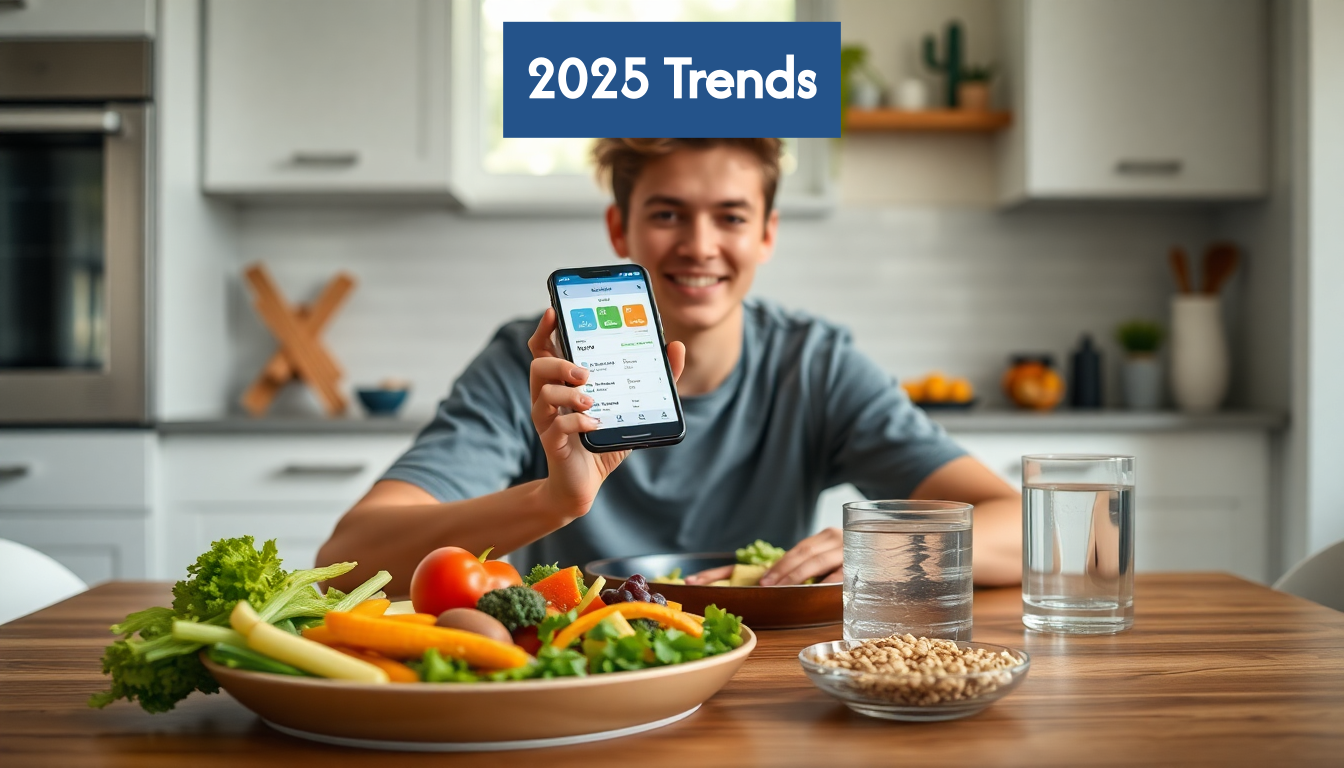
As we look toward 2025, vitamin optimization is evolving beyond basic supplementation into more personalized, evidence-based approaches. Current research and emerging technologies are reshaping how we understand optimal vitamin intake. Let’s explore the trends that will influence vitamin consumption in the near future.
Precision Nutrition Takes Center Stage
The one-size-fits-all approach to vitamins is rapidly becoming outdated. Precision nutrition—tailoring vitamin intake to individual needs based on genetics, microbiome composition, lifestyle, and health goals—is gaining momentum. This approach recognizes that each person has unique nutritional requirements that can vary significantly from population averages.
Advances in genetic testing now allow for identifying specific genetic variants that affect how your body processes certain vitamins. For example, those with MTHFR gene variations may benefit from methylated forms of folate rather than standard folic acid. As these tests become more affordable and accessible, expect to see more personalized vitamin recommendations based on your genetic profile.
Evidence-Based Recalibration
Scientific understanding of vitamin needs continues to evolve, sometimes challenging long-held beliefs. The Endocrine Society’s 2024 Clinical Practice Guideline represents this trend, recommending that healthy adults under 75 take only the recommended daily allowance of vitamin D—a departure from previous trends that often encouraged higher supplementation.
These evidence-based recalibrations signal a more nuanced approach to vitamin intake, recognizing that different populations have different needs. While children, pregnant people, adults over 75, and those with prediabetes might benefit from higher vitamin D levels, healthy younger adults may not need the high doses that were previously popular.
Functional Food Integration
Rather than relying solely on pills and capsules, vitamin optimization in 2025 will increasingly emphasize obtaining nutrients from functional foods—conventional or modified foods that provide health benefits beyond basic nutrition.
Expect to see more innovative food products specifically designed to address common vitamin gaps in the modern diet. These might include:
- Mushrooms exposed to UV light to increase vitamin D content
- Fermented foods optimized for B vitamin production
- Novel plant breeding techniques creating produce with enhanced vitamin profiles
- Fortified food products targeting specific demographic needs
This trend aligns with the Dietary Guidelines for Americans 2020-2025, which emphasizes meeting nutrient needs primarily through foods as part of a healthy dietary pattern.
Digital Tracking and Optimization
Technology will play an increasingly important role in vitamin optimization. Advanced nutrition tracking apps will move beyond simple calorie counting to provide detailed analysis of vitamin intake patterns over time, identifying potential gaps and suggesting personalized adjustments.
Some cutting-edge platforms are beginning to integrate data from wearable devices that monitor physiological markers potentially affected by vitamin status. These might include:
- Skin sensors that detect subclinical signs of certain deficiencies
- Wearable devices tracking biomarkers affected by B vitamin levels
- Digital tools connecting seasonal mood changes with vitamin D status
These technologies will help create more responsive, dynamic approaches to vitamin intake that adjust to changing needs.
Research Methodology Improvements
The quality of vitamin research itself is improving. According to the NIH Office of Dietary Supplements’ 2025-2029 Strategic Plan, enhanced research methodology guidelines are being developed to advance and harmonize the field of dietary supplement research. These improvements will lead to more reliable information about vitamin efficacy and appropriate intake levels.
For consumers, this means future vitamin recommendations will be based on stronger scientific evidence, potentially reducing contradictory advice and clarifying optimal intake levels for different populations.
Sustainability Considerations
Environmental impact is becoming an important factor in vitamin optimization. Sustainable sourcing of vitamin ingredients—whether in supplements or foods—will gain prominence in 2025 and beyond.
This trend includes:
- Plant-based and algae-derived alternatives to animal-sourced vitamins
- Vitamin production methods with reduced environmental footprints
- Packaging innovations reducing plastic waste from supplement bottles
- Transparent supply chains allowing consumers to evaluate sustainability claims
Integrating Traditional Wisdom with Modern Science
The coming years will see greater integration of traditional nutritional wisdom with contemporary scientific understanding. Many traditional food preparation methods—fermentation, sprouting, specific food combinations—naturally enhance vitamin bioavailability. These practices are being scientifically validated and incorporated into modern nutritional strategies.
By combining ancestral wisdom with cutting-edge research, vitamin optimization in 2025 will offer a more holistic approach that respects both traditional knowledge and scientific advancement.
As these trends converge, optimal vitamin intake will become increasingly personalized, evidence-based, food-centric, technologically supported, and environmentally conscious—creating a more sophisticated approach to this fundamental aspect of nutrition.
Frequently Asked Questions
What are the essential vitamins I need for optimal health?
Vitamins A, C, D, E, K, and the eight B vitamins (thiamine, riboflavin, niacin, pantothenic acid, B6, biotin, folate, and B12) are essential for various bodily functions and must come from your diet.
How can I meet my daily vitamin needs without supplements?
Prioritize a balanced diet rich in whole foods, including a variety of fruits, vegetables, whole grains, lean proteins, and healthy fats, to help you meet your daily vitamin requirements effectively.
What are the signs of vitamin deficiency?
Common signs of vitamin deficiency include fatigue, slow-healing wounds, hair loss, brittle nails, and bone pain. Pay attention to these signals as they indicate your body may need more vitamins.
How can I safely use vitamin supplements?
Before starting any vitamin supplements, assess your dietary intake and consider blood tests to check for deficiencies. Choose high-quality supplements, and consult with a healthcare provider to tailor the supplement regimen to your specific needs.
Take Charge of Your Vitamin Intake with Menalam!
Navigating the complexities of vitamin intake can feel overwhelming, especially with the growing emphasis on personalized nutrition. As highlighted in our recent article on Optimal Vitamin Intake in 2025, understanding your unique needs is essential for preventing deficiencies and maximizing health. Many individuals find it challenging to tailor their diets effectively due to the myriad of factors like age, lifestyle, and specific health conditions. This is where Menalam shines!
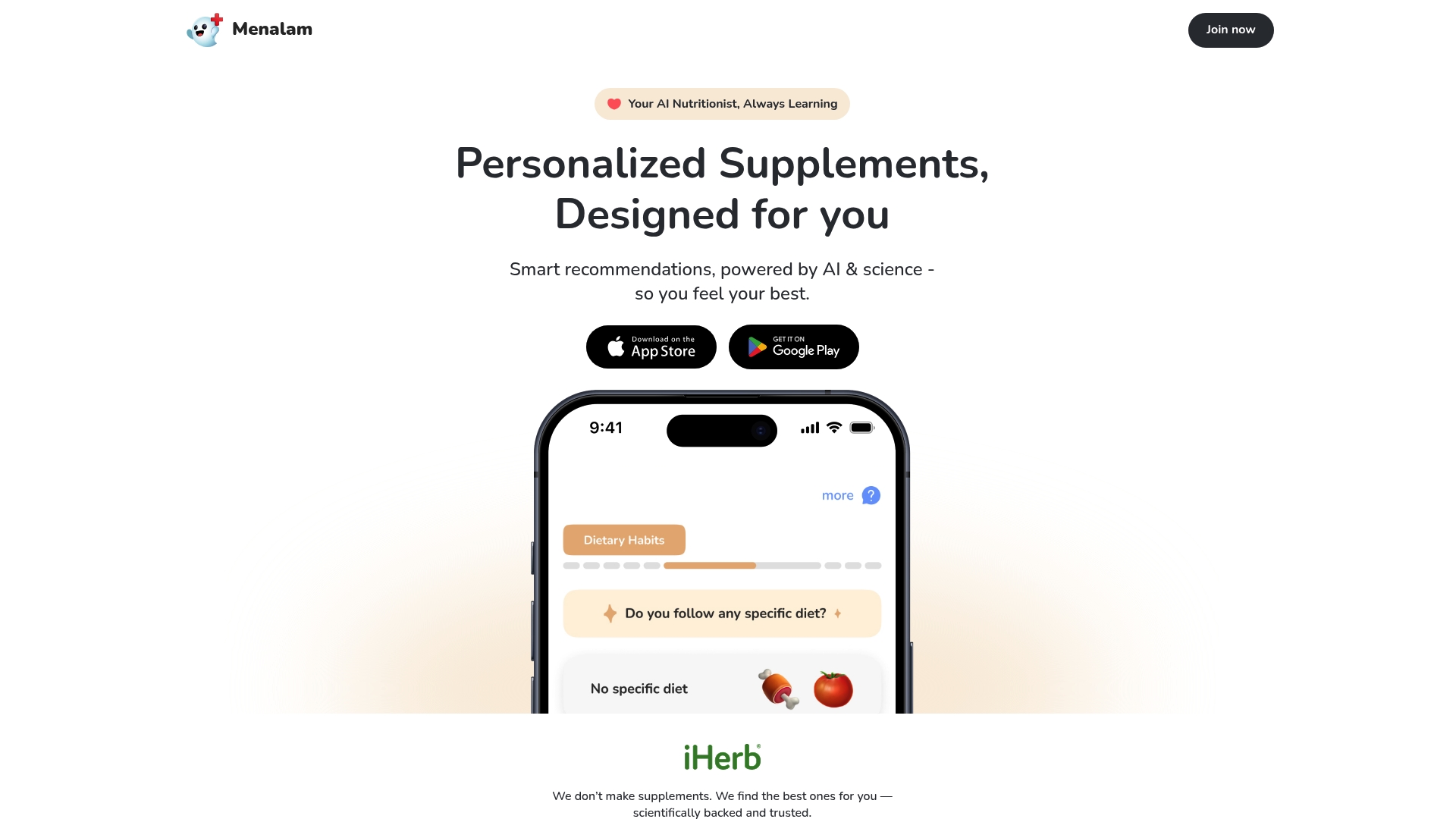
Our innovative platform serves as your digital nutritionist, offering personalized supplement recommendations based on your specific health profile and dietary preferences. No more guessing games! With just a quick health quiz, you can discover exactly which vitamins are right for you. Plus, our mobile app helps you track your supplement intake and health progress, ensuring you stay consistent on your wellness journey.
Why wait? Start optimizing your vitamin intake today!
Visit Menalam and take the first step toward a more vibrant, healthier you!
Leave a Reply