
The supplement industry is booming with over 80,000 dietary supplement products available in the U.S. market. Yet, with this vast selection comes the unfortunate reality that not all supplements are created equal. Many contain dangerous ingredients that can jeopardize your health. But here’s the kicker: nearly 23% of these supplements contain undeclared substances, which means they can be far more harmful than labeled. With careful scrutiny, you can protect yourself and make informed choices in your health journey.
Table of Contents
- Identifying Harmful Supplement Ingredients
- Supplement Toxicity And Risks
- Regulatory Standards And Label Clarity
- Choosing Safer Supplement Alternatives
Quick Summary
| Takeaway | Explanation |
|---|---|
| Avoid Red Flag Ingredients | Steer clear of harmful ingredients like Ephedra, DMAA, SARMs, and others that pose serious health risks. |
| Be Cautious of Undeclared Ingredients | Nearly 23% of supplements contain undeclared substances, underscoring the need for vigilance in label scrutiny. |
| Understand Dosage and Interactions | Dosage-related toxicity and interactions with medications can lead to severe health issues; always consult with healthcare professionals. |
| Opt for Third-Party Certified Products | Look for supplements that have undergone third-party testing for assurance of quality and accurate labeling. |
| Prioritize Food Over Supplements | Whenever possible, get nutrients from whole foods; this reduces the need for supplements and enhances overall health. |
Identifying Harmful Supplement Ingredients
Navigating the world of supplements requires vigilance, especially when it comes to identifying potentially harmful ingredients. With over 80,000 dietary supplement products available in the U.S. market according to a 2023 government report, consumers face a daunting task of separating beneficial products from potentially dangerous ones.
Red Flag Ingredients to Avoid
Certain supplement ingredients have been associated with serious health risks and should be approached with extreme caution or avoided entirely. These include:
- Ephedra/Ephedrine alkaloids (banned by FDA since 2004)
- DMAA (1,3-dimethylamylamine) and DMBA (1,3-dimethylbutylamine)
- Selective Androgen Receptor Modulators (SARMs)
- Phenibut and other synthetic nootropics
What makes these ingredients particularly concerning is their potent pharmacological effects. For example, DMAA can cause cardiovascular problems including heart attacks, while SARMs can disrupt hormonal balance and damage the liver.
According to the USADA Supplement Guide, “You can’t trust what many supplements claim to contain or deliver because of ineffective regulation of the supplement industry.” This post-market regulation approach means harmful ingredients can remain on shelves for years before authorities take action.
Hidden Dangers: Undeclared Ingredients
One of the most troubling aspects of supplement safety is the presence of undeclared ingredients. Nearly 23% of supplements tested in FDA spot checks between 2020 and 2024 contained substances not listed on product labels, including banned or potentially harmful compounds. These undisclosed ingredients may include:
- Prescription medications (like sildenafil in “male enhancement” products)
- Banned stimulants in pre-workout and weight loss supplements
- Synthetic steroids or hormones in bodybuilding supplements
- Heavy metals and other contaminants
These findings directly contradict the common misconception that supplements are safe if sold in mainstream stores. As explained by the USADA, “regulatory agencies do not evaluate most supplements before they are sold, so the presence of a product on store shelves does not guarantee safety or efficacy.”
Newly Classified Harmful Substances
The supplement landscape changes constantly, with new ingredients emerging and being classified as harmful. The World Anti-Doping Agency (WADA) updates its List of Prohibited Substances annually, and for 2025, new examples were added to banned categories. According to WADA’s guide, compounds like elacestrant (an anti-estrogen) and insulin-mimetics (S519 and S597) have been newly classified as prohibited substances.
While these restrictions primarily affect competitive athletes, they serve as important signals about potentially problematic ingredients for all consumers. Diuretics, stimulants, and metabolic modulators in particular deserve scrutiny due to their significant health risks.
To protect yourself, always research ingredients thoroughly, look for supplements certified by reputable third-party testing organizations, and consult healthcare professionals before beginning any supplement regimen. Remember that the burden of ensuring supplement safety ultimately falls on the consumer in today’s regulatory environment. A healthy skepticism toward miracle claims and an understanding of what to avoid in supplements can help you navigate this complex landscape more safely.
Supplement Toxicity and Risks
When it comes to what to avoid in supplements, understanding potential toxicity and associated risks is crucial. While many people assume supplements are inherently safe, this misconception can lead to serious health consequences. The reality is that supplement safety exists on a spectrum, with various factors influencing potential harm.
Dosage-Related Toxicity
Many supplement ingredients that are beneficial at recommended doses become harmful when consumed in excess. This concept of dose-dependency is frequently overlooked by consumers eager to maximize results.
Vitamin toxicity provides a clear example of this principle. Fat-soluble vitamins (A, D, E, and K) accumulate in body tissues and can reach toxic levels when overconsumed. For instance, hypervitaminosis A can cause liver damage, bone pain, and even increased intracranial pressure. Similarly, excessive vitamin D supplementation can lead to hypercalcemia, causing kidney stones and calcification of soft tissues.
Mineral supplements also present dose-related risks. Iron supplements, while essential for those with deficiency, can cause gastrointestinal distress at higher doses and potential organ damage with chronic overconsumption. According to reports from Poison Control Centers, supplement-related adverse events have increased by nearly 50% between 2015 and 2025, with dosage issues being a significant contributor.
Interactions with Medications
One of the most serious yet frequently overlooked risks is the potential for supplements to interact with prescription medications. These interactions can occur through several mechanisms:
- Altered drug absorption or metabolism
- Competition for binding sites
- Additive or opposing effects
- Changes in drug excretion
St. John’s Wort exemplifies this danger, as it can reduce the effectiveness of numerous medications including birth control pills, antidepressants, and blood thinners by accelerating their metabolism. Similarly, supplements containing vitamin K can counteract the effects of warfarin, a common anticoagulant.
Alarmingly, less than 7% of supplement users regularly consult with healthcare professionals before starting new products, significantly increasing their risk of experiencing these dangerous interactions. This statistic, reported by the USADA Supplement Guide, highlights a troubling gap in consumer awareness.
Long-Term Safety Concerns
While acute toxicity grabs headlines, the long-term effects of supplement use remain understudied and potentially problematic. Many supplements lack robust clinical trials examining their effects beyond short-term use.
Certain herbal supplements that initially appear beneficial may cause cumulative harm with prolonged use. For example, kava, once popular for anxiety relief, has been linked to liver damage with extended consumption. Similarly, high-dose antioxidant supplements, once thought universally beneficial, have shown potentially harmful effects in some long-term studies, including increased cancer risk in certain populations.
The NIH Office of Dietary Supplements Strategic Plan Committee notes that targeted supplementation addressing clinically identified deficiencies is significantly safer than multi-supplement use without clear medical justification. As stated in their 2025-2029 Strategic Plan, “The Dietary Guidelines for Americans 2020–2025 identified calcium, potassium, dietary fiber, and vitamin D as dietary components of public health concern, underscoring the need for targeted supplementation rather than blanket use.”
To minimize risks, approach supplements with appropriate caution. Use only what addresses specific needs, research potential interactions with any medications you take, adhere strictly to recommended dosages, and prioritize products that have undergone third-party testing. Remember that more isn’t always better when it comes to supplements – sometimes it’s significantly worse.
Regulatory Standards and Label Clarity
Navigating supplement regulation can be confusing for even the most health-conscious consumers. Understanding the regulatory landscape is essential when considering what to avoid in supplements, as these standards directly impact product safety and quality.
The Reality of Supplement Regulation
Many consumers are surprised to learn that dietary supplements undergo significantly less regulatory scrutiny than pharmaceuticals. In the United States, supplements are regulated under the Dietary Supplement Health and Education Act (DSHEA) of 1994, which created a framework that treats supplements more like foods than drugs.
The most critical aspect of this regulatory approach is that it’s primarily post-market rather than pre-market. According to the USADA Supplement Guide, “Dietary supplements are regulated in a post-market manner in many countries, including the United States, meaning regulatory agencies like the FDA do not evaluate the contents or effects of supplements before they reach consumer shelves.”
This system places the burden of ensuring safety and accuracy primarily on manufacturers, not government agencies. The FDA can only take action after problems are reported, which creates a significant gap in consumer protection. Harmful or mislabeled products may remain available for years before regulatory intervention occurs.
Decoding Supplement Labels
Supplement labels can be confusing and sometimes misleading. When evaluating supplements, pay close attention to these key label elements:
- Supplement Facts panel – This standardized section lists active ingredients and their amounts
- Ingredient list – Should include all ingredients, including “inactive” ones like fillers and binders
- Claims – Marketing statements about benefits (which are often carefully worded to avoid FDA scrutiny)
- Manufacturing information – Where and by whom the product was made
One troubling statistic reveals that nearly 23% of supplements tested in FDA spot checks between 2020 and 2024 contained substances not listed on product labels. This highlights why consumers must approach label claims with healthy skepticism.
Third-Party Verification and Certification
Given the limitations of government oversight, third-party verification has emerged as a valuable tool for consumers seeking safer supplements. These independent organizations test products to verify ingredients, check for contaminants, and ensure manufacturing quality.
Look for these respected third-party certification symbols on supplement labels:
- NSF Certified for Sport
- USP Verified
- Informed Choice/Informed Sport
- ConsumerLab approved
These certifications don’t guarantee effectiveness, but they do provide assurance that what’s on the label matches what’s in the bottle and that the product is free from certain harmful contaminants. As the NIH Office of Dietary Supplements notes in their strategic plan, “Most individuals get adequate nutrition through diet and only need supplementation in cases of documented deficiency or specific medical conditions.” When supplementation is necessary, verified products offer an additional layer of protection.
International Regulatory Differences
It’s worth noting that regulatory standards for supplements vary significantly across countries. The European Union, for instance, imposes stricter pre-market requirements than the United States. Canada classifies supplements as a subset of drugs called “natural health products,” which requires pre-market licensing.
These international variations create challenges for global consumers and can lead to confusion when products available in one country may be banned in another due to safety concerns. For example, certain weight loss and workout supplements readily available in the US might be prohibited in Australia or the EU due to stimulant content.
The World Anti-Doping Agency (WADA) provides some guidance through its annually updated Prohibited Substance List. According to WADA’s 2025 guidelines, “For a substance or method to be added to the Prohibited List, it must meet at least two of the following three criteria: it has the potential to enhance sports performance, it represents an actual or potential health risk to the athlete, or it violates the spirit of sport.”
While primarily intended for athletes, this list can serve as a helpful resource for all consumers concerned about potentially harmful supplement ingredients. Understanding these regulatory limitations empowers you to make informed decisions and approach supplement purchases with appropriate caution.
Choosing Safer Supplement Alternatives

With so many concerns about what to avoid in supplements, you might wonder if there are safer ways to support your health. The good news is that there are numerous approaches to meeting your nutritional needs without exposing yourself to unnecessary risks.
Food First: Nature’s Original Supplements
The most fundamental alternative to synthetic supplements is whole food nutrition. Your body has evolved to extract nutrients from food, complete with the cofactors and enzyme systems that enhance absorption and utilization. When you obtain nutrients from foods, they come packaged with complementary compounds that work synergistically.
For example, instead of isolated vitamin C supplements, citrus fruits provide vitamin C along with bioflavonoids that enhance its absorption. Similarly, fatty fish delivers omega-3 fatty acids within a complex nutritional matrix that includes selenium, protein, and other beneficial compounds.
According to the NIH Office of Dietary Supplements Strategic Plan, calcium, potassium, dietary fiber, and vitamin D are identified as “shortfall nutrients” in the American diet. Rather than immediately turning to supplements, consider these food-based alternatives:
- For calcium: Dairy products, fortified plant milks, leafy greens, and small fish with edible bones
- For potassium: Bananas, potatoes, leafy greens, beans, and avocados
- For fiber: Whole grains, legumes, fruits, vegetables, and nuts
- For vitamin D: Fatty fish, egg yolks, mushrooms exposed to UV light, and safe sun exposure
Targeted Supplementation: When and What
When dietary changes alone aren’t sufficient, targeted supplementation based on documented needs presents a safer approach than taking multiple supplements without clear justification. This approach aligns with evidence-based nutritional science.
Before starting any supplement regimen, consider these steps:
- Get appropriate testing to identify actual deficiencies
- Work with healthcare providers to determine optimal dosage
- Select supplements with minimal additives and fillers
- Choose products from manufacturers that exceed regulatory requirements
One practical application recommended by experts is to “use independent third-party verification programs and consult healthcare professionals before beginning any new supplement regimen to avoid unsafe ingredients.” This approach substantially reduces your risk of exposure to harmful compounds or inappropriate formulations.
Safer Formulations and Delivery Systems
Not all supplements are created equal, even when they contain the same primary ingredient. The form of a nutrient and how it’s delivered can significantly impact both safety and effectiveness.
For minerals, look for chelated forms (bonded to amino acids), which are generally better absorbed and gentler on the digestive system than inorganic forms. For example, magnesium glycinate is typically better tolerated than magnesium oxide.
For fat-soluble vitamins and certain herbs, liposomal delivery systems can improve absorption while allowing for lower doses, reducing toxicity risks. These advanced formulations encapsulate nutrients in lipid bilayers similar to cell membranes.
Additionally, consider supplements that come with built-in safety features. For instance, some iron supplements are now available in packaging designed to reduce accidental overdose risks in households with children. Similarly, formulations that combine vitamin D with vitamin K2 help direct calcium to bones rather than soft tissues, reducing calcification concerns.
Personalized Approaches to Supplementation
The future of safe supplementation lies in personalization. Generic multivitamins and supplement stacks designed for the “average” person often provide unnecessary nutrients while potentially missing your specific needs.
Advances in testing now allow for more precise determination of nutritional status. Options include:
- Comprehensive blood panels that assess micronutrient levels
- Genetic testing that identifies metabolism variations affecting nutrient needs
- Microbiome analysis to understand how your gut bacteria influence nutrient absorption
These tools enable a truly personalized approach that minimizes unnecessary supplementation while targeting actual deficiencies. As the supplement industry evolves, technologies like AI-driven nutrition platforms can help track your intake and make evidence-based recommendations tailored to your unique biochemistry.
Remember that even the safest supplements should complement, not replace, a nutrient-dense diet. By focusing on food first, getting appropriate testing, choosing quality products when supplementation is necessary, and working with knowledgeable healthcare providers, you can navigate the supplement landscape with greater confidence and safety.
Frequently Asked Questions
What ingredients should I avoid in supplements?
Avoid harmful ingredients such as Ephedra, DMAA, SARMs, and other synthetic nootropics, as they pose serious health risks.
How can I identify undeclared ingredients in supplements?
Nearly 23% of supplements have undeclared substances. Always scrutinize labels and choose products that have undergone third-party testing for safety and accuracy.
What are the risks associated with supplement toxicity?
Dosage-related toxicity can occur with many supplements, leading to severe health issues. Always consult with healthcare professionals to avoid harmful interactions and overdose.
How can I choose safer supplements?
Opt for third-party certified products, prioritize food sources for nutrients, and consider targeted supplementation based on documented needs rather than taking multiple supplements indiscriminately.
Take Control of Your Supplement Journey with Menalam
Navigating the supplement landscape can be daunting, especially with 23% of products containing undeclared substances and the ever-present risk of harmful ingredients. Many people face the challenge of identifying exactly what they need to support their health without exposing themselves to unnecessary risks.
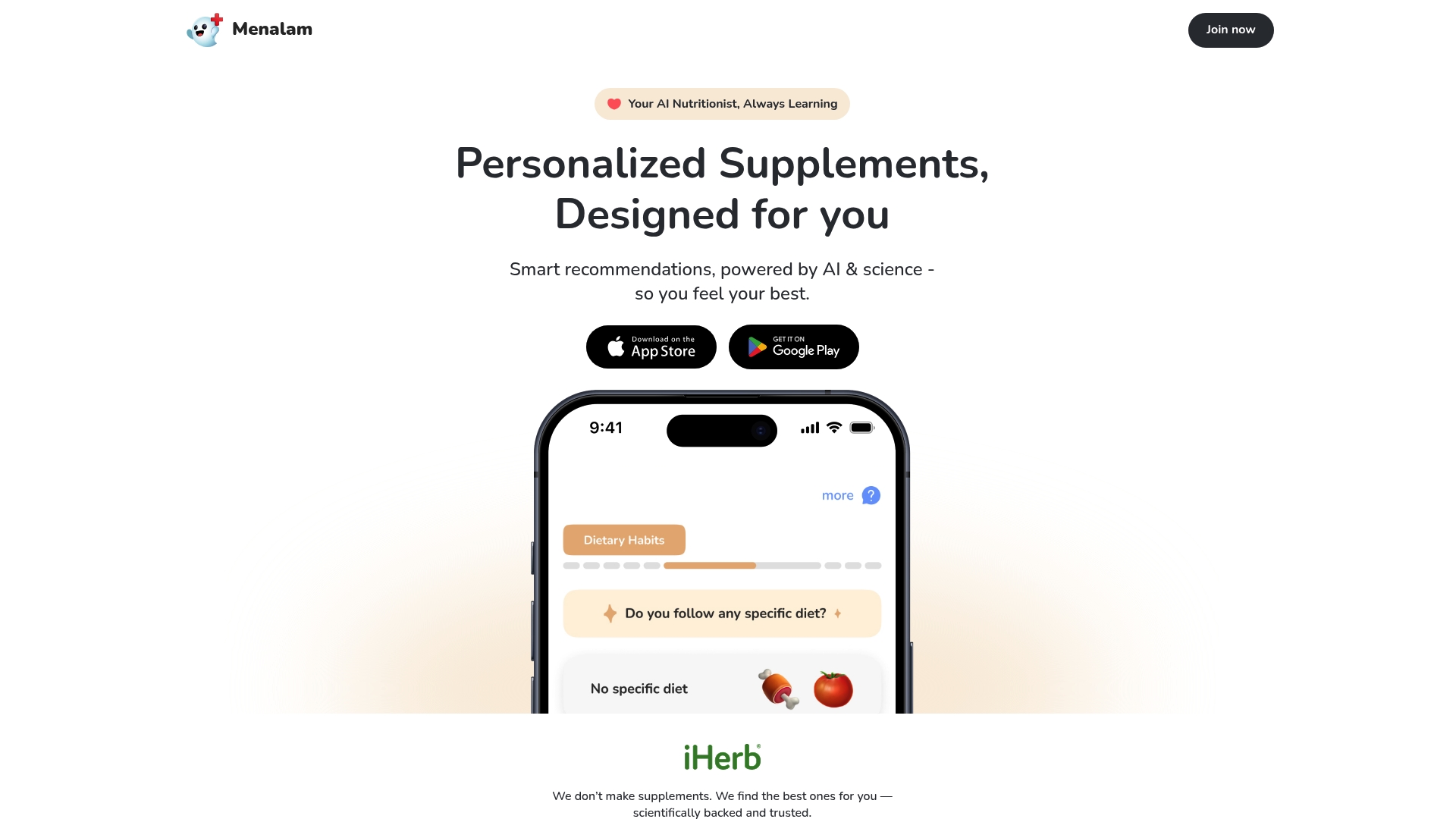
At Menalam, we understand that your health is personal, and that’s why our AI-driven platform empowers you to craft personalized supplement strategies tailored to your unique profile. By completing a quick health quiz, you can:
- Discover science-backed supplements tailored just for you.
- Track your health progress effortlessly through our mobile app.
- Adjust your intake based on results and ongoing health data, ensuring you’re never on autopilot.
Why risk your well-being with generic supplements? Act now! Visit https://menalam.com and take the first step toward a safer, more informed supplement experience today! Your health deserves personalized care, and it starts here.
Leave a Reply