

Understanding blood test results can seem intimidating. With nearly 7 billion laboratory tests performed annually in the United States alone, the sheer volume can overwhelm anyone. But here’s the twist: the real power lies not just in the numbers but in what they tell you about your health. By decoding your blood test markers, you unlock the potential to improve your well-being, often without the need for medication. Imagine taking control of your health simply by understanding your blood work. Curious about how to leverage these insights for better health management? Let’s dive in.
Table of Contents
- Understanding Blood Test Markers
- Overview Of Blood Test Types
- How To Interpret Your Results
- Expert Tips For Better Health
Quick Summary
| Takeaway | Explanation |
|---|---|
| Understanding Blood Test Markers is Crucial | Familiarity with various blood test markers like CBC, metabolic panels, and lipid panels enhances your ability to interpret health data and discuss it with your healthcare provider. |
| Context Matters When Interpreting Results | Single abnormal results may not indicate serious health issues; factors such as previous results, personal health history, and relevant lifestyle changes should be considered. |
| Lifestyle Changes Can Improve Blood Markers | Modifying diet and exercise can significantly affect blood markers, such as lowering LDL cholesterol and balancing blood glucose levels, often without medication. |
| Engagement with Healthcare Is Key | Access to and understanding of blood test results empower patients to actively engage in their healthcare, fostering better communication and timely interventions. |
| Monitoring Progress Over Time Is Important | Tracking changes in blood test results helps establish trends and understand the effectiveness of health strategies, leading to better overall health management. |
Understanding Blood Test Markers

Blood test markers are specific components measured in your blood that provide valuable insights into your overall health. These biomarkers serve as indicators of various bodily functions and can help identify potential health issues before symptoms appear. Let’s explore what these markers mean and how to interpret them correctly.
Types of Blood Test Markers
Blood tests typically measure several categories of markers, each revealing different aspects of your health. Understanding these categories helps make sense of your blood test results.
Complete Blood Count (CBC) is one of the most common blood tests performed. It measures different cell types in your blood, including red blood cells, white blood cells, and platelets. Abnormal levels may indicate conditions like anemia, infections, or bleeding disorders, according to the National Institute of Diabetes and Digestive and Kidney Diseases.
Metabolic panels evaluate your organ function and metabolic health. These include markers like glucose (blood sugar), electrolytes (sodium, potassium), kidney function tests (creatinine, BUN), and liver function tests (ALT, AST). The Blood Urea Nitrogen (BUN) test is particularly important for kidney function, with normal ranges typically falling between 8–20 mg/dL as noted by the National Kidney Foundation.
Lipid panels measure cholesterol and triglycerides, which are crucial indicators of heart health. These include total cholesterol, HDL (“good” cholesterol), LDL (“bad” cholesterol), and triglycerides.
Specialty markers target specific conditions or nutrients. These include hormones (thyroid, reproductive), vitamins (B12, D), inflammatory markers (C-reactive protein), and disease-specific markers (tumor markers, autoimmune antibodies).
Interpreting Reference Ranges
Reference ranges are essential for interpreting blood test results. These ranges represent the values considered normal for a particular marker in a healthy population.
It’s important to understand that reference ranges can vary between laboratories. According to the Clinical and Laboratory Standards Institute, these differences reflect variations in equipment, reagents, and measurement techniques. Current standardization efforts aim to improve consistency across different healthcare settings.
When reviewing your blood test results, pay attention to values marked as high (H) or low (L). These indicate results outside the reference range and may require further investigation. However, a value slightly outside the range doesn’t necessarily indicate a serious problem.
Reference ranges may also vary based on factors like age, sex, race, and even the time of day the sample was collected. For example, hormones like cortisol naturally fluctuate throughout the day.
Common Misconceptions About Blood Test Results
One prevalent misconception is that all abnormal blood test results indicate serious health issues. In reality, abnormal results can sometimes be due to temporary conditions, laboratory errors, or may simply require additional testing for confirmation, as noted by the National Academy of Medicine.
Another misunderstanding is that blood tests always provide definitive diagnoses. In practice, blood tests provide supportive evidence that doctors must evaluate alongside clinical symptoms and other diagnostic tools for accurate diagnosis.
Understanding your blood test markers empowers you to participate actively in your healthcare. Approximately 70% of patients feel that access to their blood test results via electronic health records improves their understanding and engagement with healthcare decisions, according to a study published in the JAMA Network.
As medical technology advances, the accessibility and interpretation of blood test results continue to improve, allowing for more personalized and proactive healthcare approaches. With this knowledge, you can better collaborate with your healthcare provider to maintain optimal health.
Overview of Blood Test Types
Blood tests are powerful diagnostic tools that provide valuable insights into your health status. Different types of blood tests analyze specific aspects of your blood, helping healthcare providers identify and monitor various conditions. Understanding the basics of these tests can help you make sense of your blood test results and take a more active role in your healthcare.
Routine Blood Tests
Complete Blood Count (CBC) is perhaps the most frequently ordered blood test. It examines the cellular components of your blood, including red blood cells, white blood cells, and platelets. A CBC helps detect a wide range of disorders, from anemia and infections to blood cancers.
A typical CBC measures:
- Red blood cell count and hemoglobin levels (oxygen-carrying capacity)
- White blood cell count and differential (immune system function)
- Platelet count (blood clotting ability)
- Red blood cell indices (size and characteristics)
Comprehensive Metabolic Panel (CMP) evaluates your organ function and checks for conditions like diabetes and liver or kidney disease. This panel typically includes 14 different measurements, including glucose levels, electrolytes, and proteins.
Lipid Panel assesses your cardiovascular health by measuring various types of cholesterol and triglycerides in your blood. These include total cholesterol, HDL (high-density lipoprotein), LDL (low-density lipoprotein), and triglycerides. According to the American Heart Association, these measurements help evaluate your risk for heart disease and stroke.
Specialized Blood Tests
Thyroid Function Tests measure levels of thyroid hormones (T3, T4) and thyroid-stimulating hormone (TSH) to evaluate thyroid health. These tests help diagnose conditions like hypothyroidism and hyperthyroidism.
Hemoglobin A1C test measures your average blood sugar levels over the past 2-3 months, making it crucial for diagnosing and monitoring diabetes. Unlike a single glucose test that captures only one moment, A1C provides a longer-term picture of blood sugar control.
Liver Function Tests assess liver health by measuring enzymes like ALT, AST, and ALP, as well as bilirubin and albumin levels. Elevated liver enzymes may indicate liver damage or disease.
Coagulation Tests evaluate how well your blood clots. The most common are prothrombin time (PT) and partial thromboplastin time (PTT), which help diagnose bleeding disorders and monitor blood-thinning medications.
Advanced Diagnostic Blood Tests
Tumor Markers are substances produced by cancer cells or by the body in response to cancer. These markers, such as PSA (prostate), CA-125 (ovarian), and CEA (colorectal), can help detect and monitor certain cancers.
Autoimmune Panels detect antibodies associated with autoimmune disorders like rheumatoid arthritis, lupus, and celiac disease. These tests help diagnose conditions where the immune system attacks healthy tissues.
Genetic and Molecular Tests analyze DNA and RNA to identify genetic disorders, predispositions to certain diseases, or specific infections. These advanced tests are increasingly used for personalized medicine approaches.
Emerging Testing Technologies
Point-of-care testing has transformed blood testing by enabling rapid results outside traditional laboratory settings. According to the Journal of Clinical Chemistry, these advancements enhance patient engagement and improve healthcare outcomes by providing immediate results during appointments or even at home.
The global market for diagnostic testing is projected to reach over $93 billion by 2025, as reported by MarketsandMarkets, reflecting the growing importance and technological advancement in blood testing.
Liquid biopsies represent a cutting-edge approach that can detect circulating tumor DNA in the bloodstream, potentially allowing for earlier cancer detection and monitoring treatment response without invasive tissue biopsies.
Understanding the various types of blood tests empowers you to engage more meaningfully with your healthcare providers about your test results. Approximately 7 billion laboratory tests are performed annually in the United States alone, according to the Clinical Laboratory Improvement Amendments, highlighting their critical role in modern healthcare.
When reviewing your blood test results, remember that these tests work together to create a comprehensive picture of your health. No single test tells the whole story, which is why healthcare providers often order multiple tests to form an accurate diagnosis.
How to Interpret Your Results
Making sense of your blood test results can seem overwhelming at first glance. Pages filled with numbers, abbreviations, and medical terms might leave you confused about what it all means for your health. However, with some basic knowledge and a systematic approach, you can gain valuable insights from your results and have more productive conversations with your healthcare provider.
Understanding the Basics of Blood Test Reports
Every blood test report follows a similar structure, though the exact format may vary between laboratories. Typically, you’ll find your personal information at the top, followed by the test name, your results, the reference range, and sometimes additional notes or flags.
The most important elements to focus on are:
Your result: This is the actual value measured in your blood for a specific marker.
Reference range: Also called the normal range, this represents the values considered normal for healthy individuals. These ranges are determined based on the general population and may vary slightly between laboratories.
Flags or indicators: Most reports use visual markers like H (high), L (low), or asterisks to highlight results outside the reference range. These don’t automatically indicate a problem but signal values that may need attention.
According to the Clinical and Laboratory Standards Institute, reference ranges can vary between laboratories due to differences in equipment, testing methods, and the specific populations they serve. This standardization effort aims to improve consistency in interpreting blood test results across different healthcare settings.
Contextualizing Your Results
When interpreting your blood test results, context matters. A single out-of-range value rarely tells the complete story. Consider these important contextual factors:
Previous results: Tracking changes over time often provides more valuable information than a single measurement. Establish a baseline by keeping records of your past results to monitor trends.
Personal factors: Age, sex, pregnancy status, medications, recent physical activity, and even the time of day you had your blood drawn can all influence your results.
Multiple related measurements: Blood tests often work together as a group. For example, liver function is assessed through several different enzymes and proteins, not just a single value.
One common misconception is that all abnormal blood test results indicate serious health issues. In reality, approximately 10-15% of blood test results fall outside the reference range, and many require no immediate intervention, according to the American Medical Association.
Decoding Common Blood Test Abnormalities
While a healthcare provider should always interpret your results, understanding some common patterns can help you become more engaged in your care:
High white blood cell count often indicates your body is fighting an infection. However, certain medications, stress, and some non-infectious conditions can also cause elevations.
Low red blood cell count or hemoglobin typically suggests anemia, which can result from various causes including iron deficiency, chronic disease, or blood loss.
Elevated liver enzymes (ALT, AST, ALP) may indicate liver inflammation or damage from conditions ranging from medication effects to liver disease.
Abnormal cholesterol levels provide insights into cardiovascular risk. While high LDL (“bad” cholesterol) increases heart disease risk, elevated HDL (“good” cholesterol) is generally protective.
Elevated blood glucose may indicate prediabetes or diabetes, though a single high reading should be confirmed with follow-up testing.
Taking Action Based on Your Results
Access to electronic health records has revolutionized how patients engage with their test results. As Dr. Lee, Chief Medical Officer at the College of Physicians and Surgeons of Ontario notes, “The capability to access and understand blood test results empowers patients to take a more active role in their healthcare. This transparency improves patient outcomes by facilitating timely interventions and fostering a more informed dialogue between patients and healthcare providers.” This perspective from the Canadian Medical Association Journal highlights the importance of patient engagement.
Here’s a practical approach to taking action on your results:
- Review your results carefully, noting any values outside the reference range.
- Research basic information about concerning tests, using reliable sources like medical association websites.
- Prepare specific questions for your healthcare provider.
- Discuss lifestyle modifications or follow-up testing that might be appropriate.
- Create a plan with your provider for monitoring changes over time.
Remember that blood test results are just one piece of your overall health picture. They provide valuable objective data, but your symptoms, medical history, and other diagnostic information are equally important for making healthcare decisions.
By developing a better understanding of your blood test results, you become an active participant in your healthcare journey rather than a passive recipient of medical information.
Expert Tips for Better Health

Understanding your blood test results is just the beginning. The real power comes from using this knowledge to make informed decisions about your health. Here are practical strategies to improve your health based on your blood test results, along with expert advice for maintaining optimal levels of key blood markers.
Optimizing Your Blood Markers Naturally
Many blood markers can be improved through lifestyle modifications, often without medication. Here’s how to address some common blood test abnormalities:
Improving cholesterol profiles: High LDL cholesterol and triglycerides can often be reduced through dietary changes. Focus on replacing saturated fats with heart-healthy monounsaturated and polyunsaturated fats found in olive oil, avocados, nuts, and fatty fish. Adding soluble fiber from oats, beans, and fruits can help lower cholesterol by reducing its absorption in the intestines.
Balancing blood glucose: If your glucose or A1C levels are elevated, prioritize regular physical activity, which improves insulin sensitivity. Opt for complex carbohydrates with a low glycemic index instead of simple sugars. Pairing carbohydrates with protein and healthy fats helps slow digestion and prevents rapid blood sugar spikes.
Boosting iron levels: For low ferritin or hemoglobin levels, increase your intake of iron-rich foods like lean red meat, spinach, lentils, and fortified cereals. Consuming these with vitamin C sources (like citrus fruits) enhances iron absorption, while avoiding coffee or tea with meals prevents interference with absorption.
Supporting liver function: If liver enzymes are elevated, limit alcohol consumption and processed foods high in added sugars. Increasing antioxidant-rich foods like berries, leafy greens, and cruciferous vegetables provides compounds that support liver detoxification pathways.
Lifestyle Changes with Maximum Impact
Certain lifestyle modifications have far-reaching effects across multiple blood markers, offering the most efficient path to overall improvement:
Regular physical activity: Consistent exercise improves insulin sensitivity, helps maintain healthy weight, reduces inflammation, and promotes healthy cholesterol levels. Aim for at least 150 minutes of moderate-intensity exercise per week, combining cardiovascular activity with strength training for optimal results.
Prioritizing sleep: Poor sleep quality directly impacts stress hormones, inflammation markers, and blood glucose regulation. Create a consistent sleep schedule and aim for 7-9 hours of quality sleep nightly. Limiting screen time before bed and creating a dark, cool sleeping environment supports better sleep architecture.
Stress management: Chronic stress elevates cortisol and inflammatory markers, which can cascade into various blood test abnormalities. Incorporate daily stress reduction techniques such as meditation, deep breathing, or gentle movement practices like yoga or tai chi.
Hydration: Proper hydration affects blood viscosity, kidney function, and cellular processes throughout the body. Water needs vary by individual, but aiming for pale yellow urine is a good indicator of adequate hydration for most people.
When to Seek Professional Guidance
While lifestyle changes are powerful, some situations require medical intervention. According to Dr. Amory, Laboratory Director at the European Federation of Clinical Chemistry, “Standardization and harmonization of laboratory testing are critical for ensuring accurate and consistent interpretation of blood test results across different healthcare settings.” This insight from the European Journal of the International Federation of Clinical Chemistry emphasizes the importance of professional guidance.
Consult your healthcare provider promptly if you notice:
- Multiple abnormal results across different systems
- Significant changes from your previous baseline
- Extreme values far outside reference ranges
- Abnormal results accompanied by concerning symptoms
- Persistent abnormalities despite lifestyle modifications
Tracking Progress Effectively
Monitoring changes in your blood test results over time provides valuable feedback on your health journey. Consider these approaches for effective tracking:
- Request copies of all your blood tests and organize them chronologically
- Focus on trends rather than single readings
- Note any lifestyle changes, medications, or supplements alongside your results
- Use digital health platforms that allow you to input and visualize your data
- Schedule regular follow-up tests to evaluate the impact of your health strategies
According to research published in the JAMA Network, over 70% of patients feel that access to their blood test results improves their understanding and engagement with healthcare decisions. This emphasizes how tracking your results can empower you to take a more active role in your health management.
By combining the insights from your blood test results with these evidence-based strategies, you can work toward optimizing your health markers and potentially preventing future health issues. Remember that small, consistent changes often yield more sustainable results than dramatic short-term measures, and patience is key when working to improve your blood markers naturally.
Frequently Asked Questions
What are the common types of blood tests?
Blood tests typically include routine tests like Complete Blood Count (CBC), metabolic panels for organ function, lipid panels for cholesterol levels, and specialized tests for conditions such as diabetes or thyroid function.
How do I interpret my blood test results?
To interpret your results, compare your values to the reference ranges provided in the report, consider any flags for high or low values, and take into account personal factors like age, sex, and medical history. Always discuss your findings with your healthcare provider for a full understanding.
What should I do if my blood test results are abnormal?
If your results are abnormal, it is important to consult your healthcare provider. They can help determine if further testing is necessary, suggest lifestyle changes, or recommend treatments based on your individual health needs.
How often should I get blood tests?
The frequency of blood tests depends on your health status, medical history, and any existing conditions. For healthy individuals, annual tests may suffice, but those with chronic conditions may need more frequent monitoring as recommended by their healthcare provider.
Take Charge of Your Health Journey with Menalam!
Understanding your blood test results is a crucial step in taking control of your health. Armed with insights into your blood markers, such as cholesterol and glucose levels, you can assess your nutritional needs. But what happens once you have this information? The challenge often lies in translating these numbers into actionable, personalized health practices. Many individuals find themselves lost when it comes to optimizing their vitamin and supplement intake based on their results.
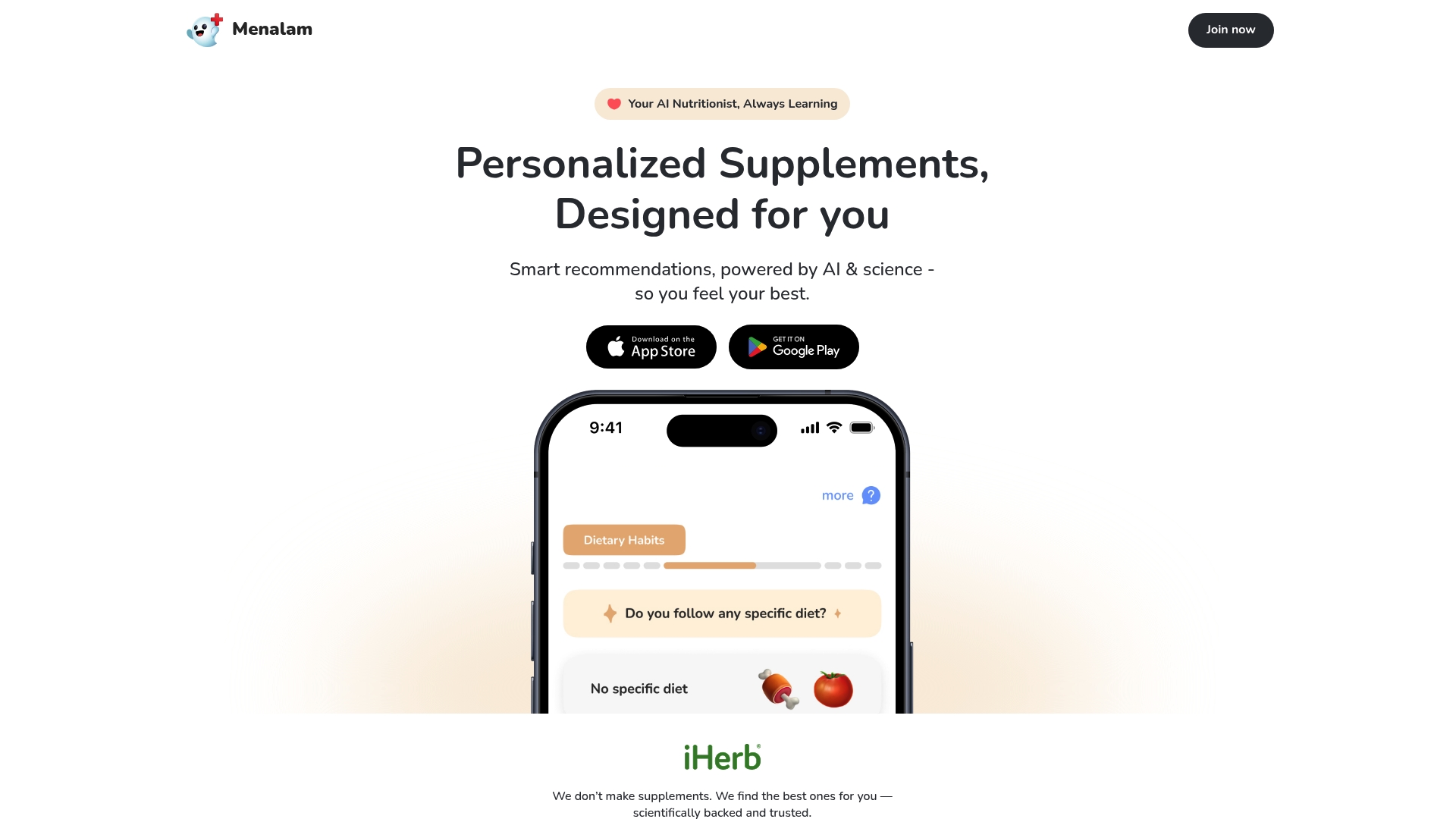
Menalam is here to bridge that gap! Our innovative platform uses AI-driven personalized recommendations to tailor supplement plans specifically for you. By completing just a quick health quiz, you can receive customized suggestions that align with your unique health profile, lifestyle, and dietary preferences. Furthermore, our mobile app tracks your supplement intake and health progress, keeping you motivated with smart reminders. Don’t let complicated blood test results be another source of stress. Transform your insights into empowering action. Start your journey towards optimized health today at https://menalam.com!
Leave a Reply