

Fitness nutrition strategies are evolving rapidly, promising breakthroughs for athletes and everyday gym-goers alike. In 2025, personalized nutrition solutions are expected to redefine how we approach food and supplements in relation to our workouts. But here’s the twist: the focus is shifting from expensive supplements to the power of whole foods and proper hydration. This means that simple meal planning can significantly enhance your performance and recovery.
Table of Contents
- Effective Pre-Workout Meal Planning
- Optimal Post-Workout Recovery Nutrition
- Balanced Meals For Energy And Strength
- Hydration And Supplement Strategies
Quick Summary
| Takeaway | Explanation |
|---|---|
| Timing Matters for Pre-Workout Nutrition | Consume a meal 2-3 hours before exercising or a smaller snack 30-60 minutes prior to ensure optimal energy without digestive discomfort. |
| Macronutrient Balance is Key | Pre-workout meals should focus on complex carbohydrates, moderate protein (15-25 grams), and minimal fats to fuel performance and aid muscle recovery. |
| Post-Workout Nutrition is Critical | Aim for 20-30 grams of protein and about 1.0-1.2 grams of carbohydrates per kg of body weight within 30 minutes to 2 hours after a workout to effectively recover and replenish glycogen stores. |
| Stay Hydrated | Drink 16-20 ounces of water 2-3 hours before exercise and monitor hydration by checking urine color, maintaining adequate fluid levels throughout your day. |
| Personalize Your Supplement Strategy | Utilize technology-driven personalized nutrition solutions to tailor supplement use based on individual training patterns, recovery needs, and performance goals. |
Effective Pre-Workout Meal Planning
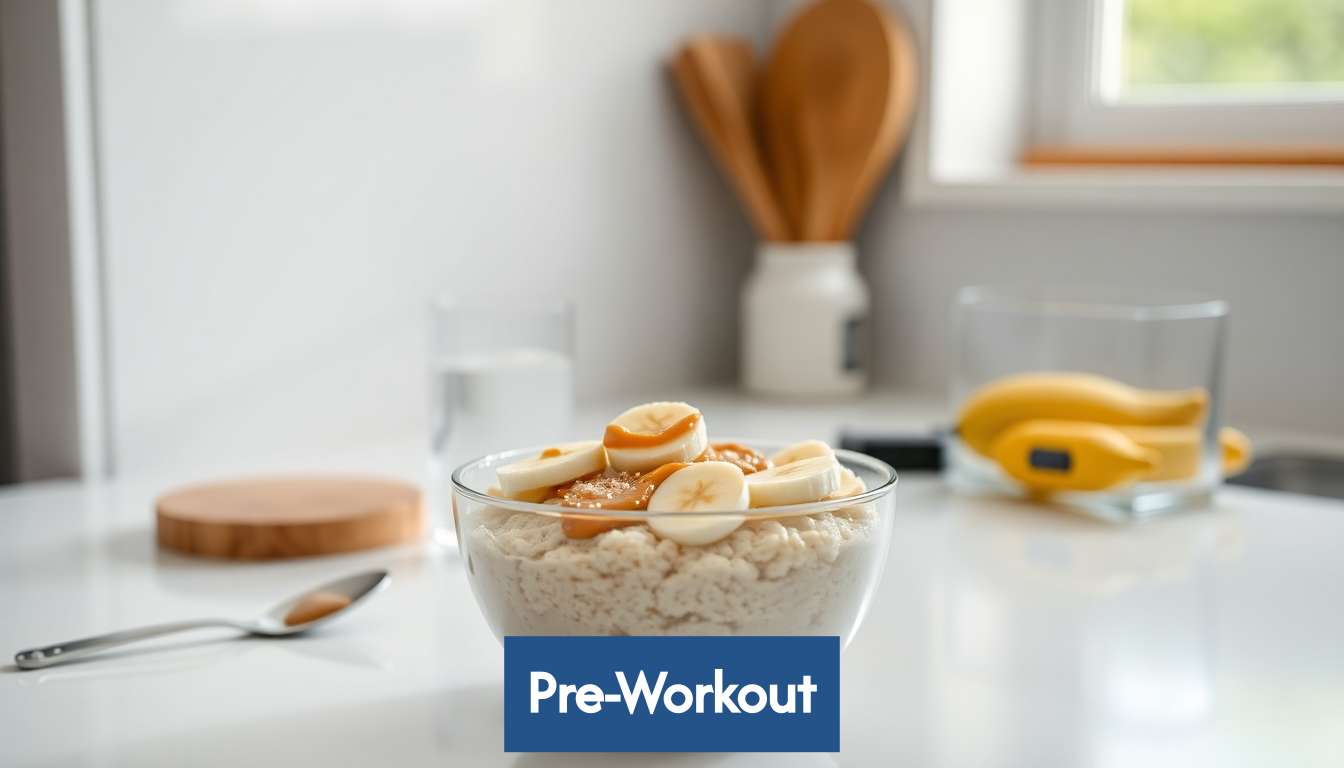
What you eat before hitting the gym can make or break your workout. Strategic pre-workout nutrition fuels your body for optimal performance, enhances endurance, and sets the foundation for better results. Let’s explore how to create effective pre-workout meal plans that align with modern fitness nutrition strategies.
Timing Your Pre-Workout Nutrition
The timing of your pre-workout meal matters significantly. Eating too close to your workout might cause digestive discomfort, while waiting too long could leave you feeling depleted during exercise.
For most people, consuming a meal 2-3 hours before exercise provides adequate time for digestion while ensuring energy availability. If you’re pressed for time, a smaller snack 30-60 minutes before training can work well. This approach gives your body access to readily available fuel without the discomfort of a full stomach during intense movement.
According to Mayo Clinic Health System, pre-workout nutrition is most effective when it includes easily digested carbohydrates and a moderate amount of protein, while minimizing fiber and fat to reduce digestive discomfort during workouts.
Optimal Macronutrient Balance
The ideal pre-workout meal combines macronutrients in proportions that support your specific activity:
-
Carbohydrates: These serve as your primary energy source during workouts. Focus on complex carbohydrates that provide sustained energy rather than simple sugars that cause energy spikes and crashes.
-
Protein: Including moderate protein helps prevent muscle breakdown during exercise and begins the recovery process. Aim for 15-25 grams in your pre-workout meal.
-
Fats: While essential for overall health, limit fats immediately before workouts as they digest slowly and may cause discomfort. If included, keep portions small.
Many fitness enthusiasts follow the 80/20 rule in their overall nutrition strategy: 80% whole, unprocessed foods and 20% more flexible choices. As noted by Muscle and Fitness, this balanced approach supports long-term adherence while providing high-quality nutrition for workouts.
Pre-Workout Meal Ideas
Put these principles into practice with these simple, effective pre-workout meal ideas:
2-3 Hours Before Exercise:
- Oatmeal with banana and a tablespoon of nut butter
- Whole grain toast with eggs and avocado
- Chicken, rice, and steamed vegetables
- Greek yogurt with berries and granola
30-60 Minutes Before Exercise:
- Banana with a small handful of nuts
- Apple with 1-2 tablespoons of nut butter
- Small smoothie with fruit and protein powder
- Rice cake with a thin layer of honey
One common misconception is that you should avoid carbohydrates to lose fat and gain muscle. However, the reality is that carbohydrates are essential for fueling intense workouts and aiding recovery by replenishing muscle glycogen. A balanced carbohydrate intake remains crucial for both fat loss and muscle maintenance goals.
Hydration remains equally important as your food choices. Begin hydrating well before your workout, aiming for 16-20 ounces of water 2-3 hours prior, followed by another 8 ounces about 20 minutes before starting. This preparation ensures you begin your workout properly hydrated, as even mild dehydration can significantly impair performance.
By thoughtfully planning your pre-workout nutrition strategy, you provide your body with the right fuel at the right time, setting yourself up for more productive, energized, and effective training sessions.
Optimal Post-Workout Recovery Nutrition
After pushing your body during a challenging workout, what you eat plays a crucial role in how well you recover. The right post-workout nutrition strategy helps repair muscle tissue, replenish energy stores, and prepare your body for your next training session. Let’s dive into how to optimize your post-workout recovery through smart nutrition choices.
The Recovery Window
You’ve likely heard about the “anabolic window” – that critical period after exercise when your body is primed to absorb nutrients. While older advice suggested an extremely narrow timeframe, current research offers a more practical approach.
According to Mayo Clinic Health System, the optimal window for post-workout nutrition is within 30 minutes to 2 hours after exercising. During this time, it’s crucial to replenish glycogen stores and consume sufficient protein to maximize muscle protein synthesis.
Waiting longer than two hours to refuel can reduce your body’s ability to replenish nutrients by up to 50%, significantly impacting both recovery and subsequent performance. This makes post-workout nutrition timing a key component of effective fitness nutrition strategies.
Protein: The Recovery Foundation
Protein serves as the building block for muscle repair and growth. After exercise, consuming adequate protein helps:
- Repair micro-tears in muscle tissue created during training
- Stimulate new muscle protein synthesis
- Reduce recovery time between workouts
- Support overall muscle maintenance and growth
Aim for 20-30 grams of high-quality protein within your post-workout meal. Good options include:
- Whey protein shake (fastest absorption)
- Greek yogurt with berries
- Chicken or turkey breast
- Fish or lean beef
- Plant-based options like tofu, tempeh, or legumes with rice
Carbohydrate Replenishment
While protein gets much of the attention, carbohydrates play an equally vital role in post-workout recovery. During exercise, your body depletes glycogen stores, and replenishing these reserves is essential for energy restoration.
Research suggests consuming approximately 1.0-1.2 grams of carbohydrates per kilogram of body weight within the first hour post-exercise. This approach effectively restocks muscle glycogen, particularly important if you train regularly or perform multiple daily sessions.
Focus on faster-digesting carbohydrates immediately post-workout, such as:
- White rice or potatoes
- Fresh fruit (especially bananas or berries)
- Sports recovery drinks (when convenient)
- Honey or maple syrup (as natural sweeteners)
Hydration and Electrolytes
Rehydration forms a critical but often overlooked component of recovery nutrition. During exercise, you lose fluid through sweat, and replacing these fluids helps transport nutrients to your muscles and supports overall recovery.
A general guideline is to drink 16-24 ounces of fluid for every pound lost during exercise. Including electrolytes (sodium, potassium, magnesium) enhances fluid absorption and helps restore what’s lost through sweat.
One misconception worth addressing is that immediate post-workout nutrition is absolutely essential for any benefit. While timing matters, the “anabolic window” is broader than commonly thought. As research progresses, we understand that consistency in your overall nutrition plan matters more than perfect timing for most recreational athletes.
Practical Recovery Meal Ideas
Turning these principles into practice, here are some effective post-workout meal combinations:
Quick Options (Within 30 minutes):
- Protein shake with banana and a touch of honey
- Greek yogurt with berries and granola
- Chocolate milk (natural recovery beverage with protein and carbs)
Complete Meals (Within 2 hours):
- Grilled chicken with sweet potato and vegetables
- Salmon with rice and asparagus
- Egg white omelet with vegetables and toast
- Quinoa bowl with tofu and mixed vegetables
By prioritizing proper post-workout nutrition, you transform your recovery process from passive to active. This approach not only speeds up your body’s natural recovery mechanisms but also positions you for better performance in subsequent workouts – a foundational element of long-term fitness progress.
Balanced Meals for Energy and Strength
Creating balanced meals that fuel both energy and strength is at the heart of effective fitness nutrition strategies. When your diet properly supports your training goals, you’ll notice improved performance, better recovery, and more consistent progress. Let’s explore how to construct meals that provide sustained energy and promote strength development.
The Foundation: Macronutrient Balance
Every effective fitness meal starts with the right balance of macronutrients—proteins, carbohydrates, and fats. Rather than eliminating any single macronutrient (as many fad diets suggest), focus on finding the optimal ratio for your specific needs.
For most active individuals, a balanced plate typically includes:
- Protein: Approximately 25-30% of your plate, providing the building blocks for muscle repair and growth
- Carbohydrates: Around 40-50% of your meal, offering fuel for workouts and replenishing energy stores
- Healthy Fats: About 20-30% of your meal, supporting hormone production and nutrient absorption
The trend in 2025 continues to shift toward eating whole, unprocessed foods as the mainstay of any fitness diet. According to Muscle and Fitness, incorporating the 80/20 rule has proven effective: 80% whole foods and 20% discretionary choices. This balance ensures adequate nutrition while allowing flexibility.
Quality Protein Sources
Protein serves as the cornerstone of strength-focused nutrition. When selecting protein sources, prioritize options that provide complete amino acid profiles with minimal processing:
- Lean meats (chicken, turkey, lean beef)
- Fish and seafood (salmon, tuna, shrimp)
- Eggs and egg whites
- Dairy (Greek yogurt, cottage cheese)
- Plant-based proteins (tofu, tempeh, legumes, quinoa)
For strength development, aim to distribute protein intake relatively evenly throughout the day rather than consuming it all at once. This approach keeps muscle protein synthesis activated and supports better overall utilization.
Complex Carbohydrates for Sustained Energy
Carbohydrates often get an undeserved bad reputation in fitness circles. In reality, they’re your body’s preferred energy source, especially for high-intensity training. The key is choosing the right types:
- Whole grains (brown rice, oats, quinoa, barley)
- Starchy vegetables (sweet potatoes, squash, corn)
- Legumes (beans, lentils, chickpeas)
- Fresh fruits (berries, apples, bananas)
These complex carbohydrates provide a steady release of energy, helping you maintain intensity throughout your workouts while avoiding the crash that comes from simple sugars. They also contain valuable fiber, which supports digestive health and helps maintain stable blood sugar levels.
Strategic Meal Timing
Beyond what you eat, when you eat matters for energy and strength. While individual preferences vary, most people benefit from eating 3-5 meals spaced throughout the day.
A practical approach includes:
- Breakfast: Protein + complex carbs to start the day
- Lunch: Balanced meal with all three macros
- Pre-workout snack: Easily digestible carbs + moderate protein
- Post-workout meal: Protein + carbs for recovery
- Dinner: Complete meal balanced according to your daily needs
This spacing helps maintain consistent energy levels, supports recovery, and ensures nutrients are available when your body needs them most.
Practical Balanced Meal Examples
Putting these principles into practice, here are some balanced meal ideas that support both energy and strength:
Breakfast Options:
- Oatmeal with whey protein, banana, and almond butter
- Vegetable omelet with avocado and whole-grain toast
- Greek yogurt parfait with berries, honey, and granola
Lunch/Dinner Options:
- Grilled chicken breast with quinoa and roasted vegetables
- Salmon with sweet potato and steamed broccoli
- Turkey and vegetable stir-fry with brown rice
- Bean and vegetable chili with a small portion of corn bread
Snack Options:
- Apple with 1-2 tablespoons of natural peanut butter
- Greek yogurt with a small handful of nuts
- Protein smoothie with frozen fruit and spinach
Meal prepping continues to gain popularity among fitness enthusiasts in 2025, as it allows individuals to maintain dietary consistency and portion control, which are closely linked with achieving fitness goals. Preparing several balanced meals at once ensures you always have proper nutrition available, even during busy periods.
Remember that individual needs vary based on training intensity, body composition goals, and personal preferences. The most effective nutrition strategy is one you can maintain consistently over time, making adjustments as your fitness journey evolves.
Hydration and Supplement Strategies

Proper hydration and smart supplement use form critical components of effective fitness nutrition strategies. While many focus primarily on food intake, these elements can significantly impact your performance, recovery, and overall results. Let’s explore practical approaches to optimize both hydration and supplementation for your fitness goals.
The Foundation of Hydration
Water is the most essential nutrient for your body, playing a vital role in virtually every bodily function. For active individuals, even mild dehydration can significantly impair performance – reducing strength, endurance, and cognitive function.
According to Mayo Clinic Health System, hydration remains a foundational pillar of fitness nutrition, as even mild dehydration can impair both performance and recovery. This makes consistent hydration practices essential for anyone serious about their fitness goals.
Daily Hydration Guidelines
Rather than waiting until you feel thirsty (a sign you’re already mildly dehydrated), develop a proactive hydration strategy:
- Start your day with 16-20 ounces of water
- Aim for approximately half your body weight in ounces daily (e.g., 80 ounces for a 160-pound person)
- Increase intake by 16-24 ounces for every hour of moderate-to-intense exercise
- Monitor urine color – pale yellow indicates good hydration
Consistency matters more than occasionally drinking large volumes. Spreading your water intake throughout the day helps maintain optimal hydration levels and supports cellular functions critical for recovery and performance.
Electrolytes: Beyond Water
When you sweat, you lose more than just water – you also lose essential electrolytes like sodium, potassium, calcium, and magnesium. These minerals help regulate fluid balance, muscle contractions, and nerve signals.
Consider electrolyte supplementation when:
- Exercising for longer than 60 minutes
- Training in hot or humid conditions
- Naturally heavy sweating or visible salt residue on skin/clothes after workouts
- Experiencing muscle cramps during or after exercise
Options for electrolyte replacement include specially formulated sports drinks, electrolyte tablets that dissolve in water, or natural sources like coconut water. For those monitoring sugar intake, look for low-sugar or sugar-free electrolyte products.
Supplement Fundamentals
The supplement industry offers countless products claiming to enhance performance, build muscle, and accelerate recovery. While some provide genuine benefits, many offer minimal advantages over whole food nutrition. Start with these evidence-backed options:
Protein Supplements
While whole foods should provide most of your protein, supplements offer convenience when needed. Options include:
- Whey protein: Fast-absorbing, ideal post-workout
- Casein protein: Slow-digesting, good before bed
- Plant proteins: Pea, rice, hemp blends for plant-based diets
Creatine Monohydrate
One of the most researched supplements, creatine monohydrate has been shown to:
- Increase strength and power output
- Support muscle growth when combined with resistance training
- Enhance high-intensity exercise performance
A standard protocol includes 3-5 grams daily, consistently, with no need for loading phases that were once commonly recommended.
Technology-Driven Personalization
The supplement landscape has evolved significantly in recent years. Technology-driven personalized nutrition, including apps and wearables that monitor dietary intake, recovery, and activity levels, are among the most significant fitness nutrition trends for 2025, according to the American Council on Exercise.
These advances allow for more tailored supplement recommendations based on your specific:
- Training style and intensity
- Recovery patterns
- Nutritional gaps
- Performance goals
Rather than following generic supplement protocols, this personalized approach helps identify which supplements might genuinely benefit your individual needs.
Avoiding Supplement Pitfalls
To make informed decisions about supplements:
- Research ingredients, not just marketing claims
- Look for products tested by third-party organizations
- Start with minimal effective doses of any new supplement
- Track results objectively (performance metrics, recovery indicators)
- Remember that supplements complement, not replace, solid nutrition
Many pre-workout supplements, for example, rely primarily on caffeine for their effects. Understanding this helps you make more cost-effective choices – perhaps simply having coffee before your workout rather than expensive proprietary blends.
Remember that sustainable results come primarily from consistent training, proper nutrition, adequate sleep, and stress management. Supplements should address specific needs within this foundation rather than attempting to compensate for deficiencies in these fundamental areas.
By approaching both hydration and supplementation strategically rather than haphazardly, you create another layer of support for your overall fitness nutrition strategy – optimizing both daily performance and long-term results.
Frequently Asked Questions
What should I eat before a workout for optimal performance?
Eat a meal 2-3 hours before exercising that includes complex carbohydrates and moderate protein, such as oatmeal with banana and nut butter or whole grain toast with eggs. If you’re short on time, a small snack 30-60 minutes prior, like a banana with nuts, is also effective.
How important is hydration for workouts?
Hydration is crucial as even mild dehydration can impair performance. Aim to drink 16-20 ounces of water 2-3 hours before exercising and continually hydrate throughout the day to support energy and recovery.
What are the best foods for post-workout recovery?
For optimal post-workout recovery, consume 20-30 grams of protein and about 1.0-1.2 grams of carbohydrates per kg of body weight within 30 minutes to 2 hours after exercising. Good options include a protein shake, grilled chicken with rice, or Greek yogurt with berries.
How can I personalize my supplement strategy?
Utilize technology-driven personalized nutrition solutions, such as apps or wearables, to tailor your supplement use based on your individual training patterns, recovery needs, and performance goals, ensuring you get the most benefit from your regimen.
Unlock Your Personalized Nutrition Journey with Menalam
The latest fitness nutrition strategies highlighted in the article emphasize the importance of tailored pre- and post-workout meals and consistent hydration and recovery practices. Many fitness enthusiasts struggle with knowing what to eat, when to eat, and how to optimize supplementation for maximum performance. If you’re aiming to unlock your full potential but feel overwhelmed by conflicting advice and myriad options, Menalam is here to help.
Our innovative platform utilizes AI-driven recommendations to curate personalized supplement plans tailored to your unique health profile, lifestyle, and dietary preferences. Imagine having a virtual nutritionist by your side to ensure your meals are perfectly aligned with your training goals—no more guesswork!
Whether you’re aiming to boost your endurance or maximize recovery, Menalam allows you to take control of your nutritional journey with data-driven insights, ongoing health tracking, and reminders to keep you consistent. Find out what supplements work best for your specific needs by visiting https://menalam.com today. Take the first step towards transforming your fitness nutrition strategy—start your personalized health quiz now!
Leave a Reply