
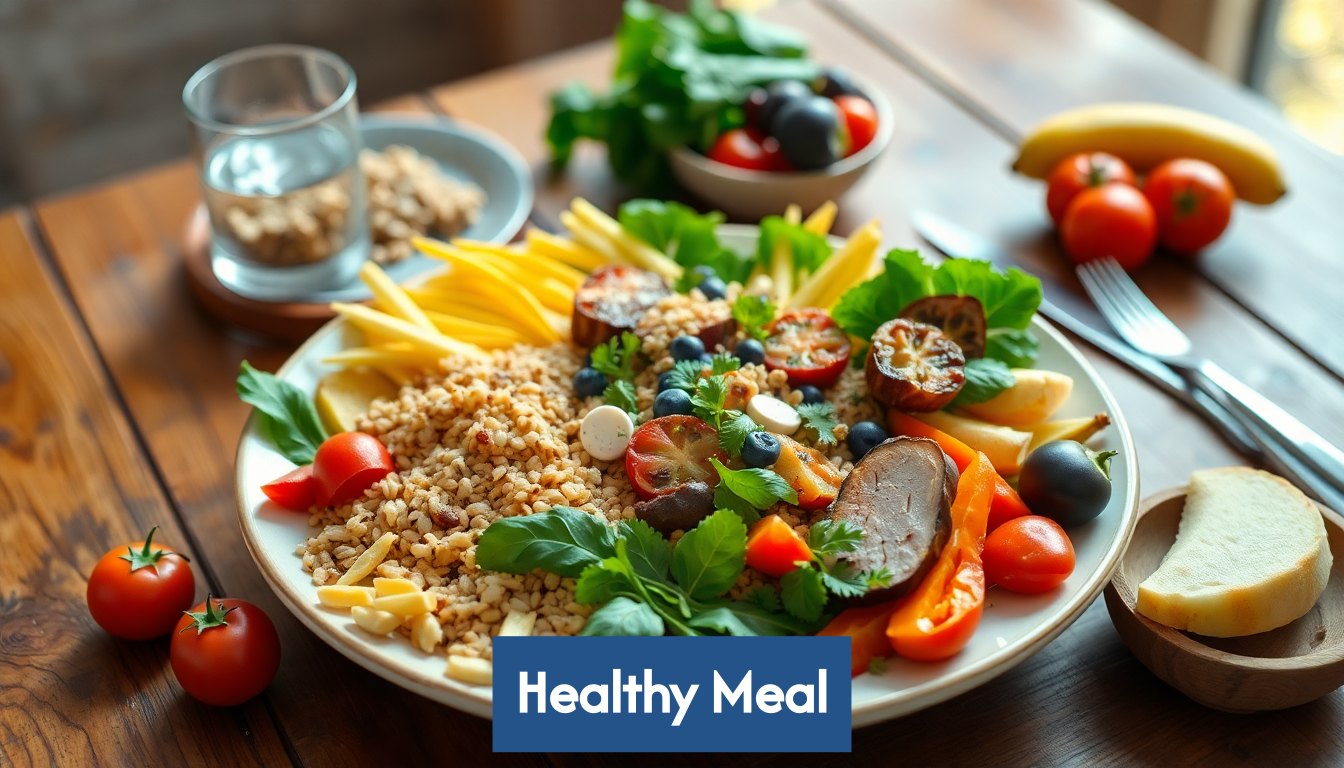
Nutrition plays an essential role in our overall health. Yet surprisingly, only one in five adults understands their personal nutrition needs. Many still follow generic guidelines, risking their well-being in the process. But here’s the kicker: personalized nutrition can dramatically shift the way you feel and function. Discovering what works specifically for your body isn’t just smart—it’s vital.
Understanding Your Nutrition Needs

Nutrition isn’t one-size-fits-all. Your body has unique requirements that depend on various factors including your age, gender, activity level, health status, and even genetic makeup. Understanding these specific needs is the first crucial step toward optimizing your health through personalized nutrition advice.
The Foundation of Personalized Nutrition
Personal nutrition advice begins with recognizing that your nutritional requirements are as individual as your fingerprint. While general dietary guidelines provide a useful framework, they may not address your specific needs. Your body might require different ratios of macronutrients (proteins, carbohydrates, and fats) based on your lifestyle and goals. For instance, an athlete training for competition needs significantly different nutrition than someone managing a chronic health condition.
Research increasingly supports this individualized approach. According to a study on nutrition and cognitive performance, specific nutrients like magnesium, phosphorus, zinc, B vitamins, and omega fatty acids correlate with improved cognitive function. What’s more interesting is that these effects vary among individuals, reinforcing the need for personalized approaches.
Understanding your baseline is essential before making any dietary changes. This includes knowing your current health metrics, nutritional deficiencies, food sensitivities, and metabolic factors that influence how your body processes different foods.
Key Factors That Shape Your Nutritional Needs
- Metabolic factors (including your basal metabolic rate and how efficiently your body processes nutrients)
- Activity level (sedentary lifestyles versus highly active require vastly different caloric and nutrient intakes)
- Health conditions (diabetes, heart disease, autoimmune disorders all necessitate specific nutritional approaches)
- Age and life stage (nutritional needs change dramatically from childhood through senior years)
Unfortunately, many people follow generalized nutrition advice that fails to account for these individual variations. This explains why some people thrive on certain diets while others experience negative effects from the same approach.
Identifying Your Personal Nutrition Profile
Creating your nutrition profile involves both objective measurements and subjective assessment. Blood tests can reveal vitamin deficiencies, hormone levels, and metabolic markers. But equally important is tracking how different foods make you feel. Do certain meals leave you energized while others cause fatigue? Do you experience digestive issues after specific foods?
Your nutritional needs also evolve throughout your life. What worked in your twenties may be inadequate in your forties. Women have different requirements during pregnancy and menopause. Athletes need to adjust their nutrition during training seasons versus recovery periods.
Tracking these changes requires consistent monitoring and adjustment. Personal nutrition advice becomes most effective when it’s responsive to your body’s changing signals and circumstances rather than remaining static.
Understanding your nutrition needs isn’t just about knowing what to eat—it’s about recognizing why certain foods and nutrients matter specifically for your body. This knowledge empowers you to make informed choices that support your health goals, whether that’s improving athletic performance, managing weight, or enhancing overall wellness through targeted, personalized nutrition strategies.
Key Takeaways
| Takeaway | Explanation |
|---|---|
| Understand Your Unique Nutritional Needs | Your nutritional requirements are individual and influenced by factors such as age, activity level, and health status. Tailoring your nutrition to these specific needs is essential for optimal health. |
| Embrace Personalized Diet Plans | Tailored diet plans consider your unique biology, preferences, and lifestyle, leading to more effective outcomes than generic advice. Incorporating your metabolic profile and food sensitivities enhances the personalization. |
| Implement Meal Prep Strategies | Meal preparation should be intentional and strategic. Planning meals and batch cooking can aid in consistently following your personalized diet without sacrificing time or variety. |
| Create Healthy Environmental Triggers | Restructure your environment to promote healthy eating, such as keeping healthy snacks visible and easy to access while minimizing the presence of less nutritious options. |
| Integrate Nutrition into Daily Life | Building sustainable eating habits involves incorporating nutrition into existing routines and social situations, making healthier choices a natural part of your lifestyle rather than a struggle. |
Tailored Diet Plans for You

Generic nutrition advice tells everyone to eat more vegetables and reduce processed foods. But when it comes to achieving your specific health goals, personalized nutrition advice offers a more effective approach. Tailored diet plans consider your unique biology, preferences, and lifestyle factors to create eating strategies that work specifically for you.
The Science Behind Personalization
Recent research strongly validates the superiority of personalized approaches. According to a randomized controlled trial published in Nature Medicine, personalized dietary programs that incorporate multiple biological inputs—such as glucose responses, triglyceride levels, microbiome composition, and health history—demonstrate significantly better outcomes than standard dietary recommendations. The study found that participants following personalized plans showed greater improvement in cardiometabolic health markers than those following generic advice.
This makes intuitive sense. Your body processes foods differently based on your unique genetic makeup, gut microbiome, metabolism, and even your previous dietary patterns. One person might experience an energy crash after eating certain carbohydrates, while another feels perfectly fine. Some individuals thrive with higher protein intake, while others need more healthy fats to feel satisfied.
Components of Effective Personalized Diet Plans
A truly tailored diet plan incorporates several key elements that set it apart from one-size-fits-all approaches:
- Metabolic assessment to understand how your body processes different macronutrients
- Food sensitivity evaluation to identify potential trigger foods that may cause inflammation
- Lifestyle integration that accounts for your schedule, cooking abilities, and social commitments
- Preference consideration that respects your food likes and dislikes for long-term sustainability
When these factors align, following your personalized nutrition advice becomes significantly easier. Rather than feeling like you’re forcing yourself into a restrictive diet template, you’re eating in a way that naturally suits your body and lifestyle.
Beyond Weight Management
While many people seek personal nutrition advice for weight management, tailored diet plans offer benefits far beyond the scale. They can help optimize energy levels, improve sleep quality, enhance cognitive function, support gut health, and even manage chronic conditions.
For example, if you struggle with afternoon energy crashes, a personalized approach might identify that your current lunch choices spike your blood sugar too quickly. By adjusting the timing, composition, and portion size of your meals based on your specific metabolic response, you can maintain steadier energy throughout the day.
Similarly, if you’re an athlete looking to improve performance, a tailored plan would account for your specific training schedule, recovery needs, and performance goals rather than applying general sports nutrition principles.
The Implementation Process
Creating an effective tailored diet plan typically involves a multi-step process:
- Assessment of your current health status, goals, and lifestyle factors
- Collection of relevant biomarkers through testing (optional but beneficial)
- Development of initial recommendations based on your unique profile
- Implementation with careful attention to your body’s responses
- Refinement based on what works and what doesn’t
This iterative approach is crucial. Even the most scientifically-sound personalized nutrition advice requires adjustment as you observe how your body responds. The most successful tailored diet plans evolve over time, adapting to changes in your health status, goals, and preferences.
By embracing personalized nutrition, you move beyond simplistic food rules to develop an eating approach that honors your body’s unique needs and helps you achieve your nutritional goals effectively and sustainably.
Simple Meal Prep Strategies
Turning personal nutrition advice into daily practice requires practical solutions for busy lives. Meal preparation is where personalized nutrition transitions from theory to reality. By implementing strategic meal prep techniques, you can consistently follow a healthy diet that supports your specific nutritional goals without sacrificing time or flavor.
The Foundation: Planning with Purpose
Effective meal preparation begins with intentional planning. Rather than approaching each day wondering what to eat, a structured meal plan aligned with your nutritional needs creates a roadmap for success. Start by designating 30 minutes each week to outline your meals. Consider your schedule, identifying particularly busy days when you’ll need quick meal options.
When planning, focus on versatile ingredients that can appear in multiple meals throughout the week. This approach reduces food waste and simplifies shopping. For example, roasted chicken can serve as a standalone protein for dinner, be incorporated into a salad for lunch the next day, and transform into a wrap or soup later in the week.
The planning stage is where your personal nutrition advice becomes actionable. If your nutritional goals include increasing protein intake or incorporating more vegetables, your meal plan should reflect these priorities.
Batch Cooking: The Efficiency Multiplier
Batch cooking—preparing larger quantities of food components at once—fundamentally transforms meal preparation from a daily chore to a strategic system. The principle is simple: invest a few hours once or twice weekly to prepare multiple meal components simultaneously.
Focus on these batch-cooking staples:
- Protein bases (grilled chicken breasts, baked tofu, bean mixtures)
- Complex carbohydrates (brown rice, quinoa, roasted sweet potatoes)
- Versatile vegetables (roasted vegetable medleys, chopped raw veggies)
- Flavorful sauces (homemade dressings, marinades, herb oils)
Store these components separately, then mix and match throughout the week to create diverse meals. This approach provides the efficiency of meal prep without the monotony of eating identical meals day after day.
Smart Storage Solutions
The success of your meal prep strategy hinges on proper storage. Invest in quality glass containers with secure lids in various sizes. These containers protect food quality better than plastic alternatives and allow you to see what’s inside at a glance.
Organize your refrigerator strategically, placing prepared ingredients at eye level so they’re immediately visible when you open the door. Store assembled meals toward the front of the refrigerator and raw ingredients that still need preparation toward the back.
For longer-term storage, portioning and freezing certain prepared foods extends their usability. Soups, stews, casseroles, and many grain dishes freeze exceptionally well. Label everything with contents and preparation dates to avoid the mystery container syndrome.
Automation in the Kitchen
Leverage technology to reduce active cooking time. Slow cookers, pressure cookers, rice cookers, and sheet pan meals all offer ways to prepare food with minimal hands-on attention. Set a timer on your slow cooker before leaving for work, and return to a completed meal component. Use a rice cooker to prepare grains while simultaneously roasting vegetables in the oven and cooking a protein on the stovetop.
Technology can also help with the planning aspect of meal preparation. While advanced AI-powered apps that generate personalized meal plans are emerging, even basic digital task lists or calendar reminders can help structure your meal prep schedule effectively.
By implementing these strategic meal prep approaches, you create a sustainable system that makes following your personalized nutrition advice practical for everyday life. The goal isn’t perfection but consistency—creating a framework that makes nutritious eating the path of least resistance even on your busiest days.
Integrating Nutrition into Daily Life
Even the most personalized nutrition advice is only effective when consistently applied to your everyday routine. The challenge often isn’t knowing what to eat, but implementing those choices amidst busy schedules, social pressures, and established habits. Creating a sustainable nutritional approach means weaving healthy eating patterns into the fabric of your daily life rather than treating them as separate from it.
Beyond Diet: The Holistic Approach
Nutrition doesn’t exist in isolation. Research increasingly shows that our relationship with food is deeply interconnected with other lifestyle factors. According to a comprehensive review on movement and nutrition, there’s a clear correlation between adherence to physical activity, sleep, and reduced sedentary behavior guidelines and healthier eating habits. This supports taking an integrated “24-hour approach” to health rather than compartmentalizing nutrition decisions.
This interconnection makes sense intuitively. When you’re well-rested, you’re less likely to reach for sugary foods for quick energy. Regular physical activity not only increases energy expenditure but often leads to craving more nutrient-dense foods. Conversely, extended periods of sedentary behavior frequently correlate with mindless snacking and poor food choices.
Creating Environmental Triggers
Your environment significantly influences your eating decisions, often subconsciously. Instead of relying solely on willpower, restructure your surroundings to make nutritious choices the default option:
- Position fruit bowls prominently on countertops while storing less nutritious options out of sight
- Pre-portion healthy snacks in grab-and-go containers at eye level in your refrigerator
- Keep a filled water bottle with you throughout the day to encourage hydration
- Stock your pantry with nutritious staples that align with your personal nutrition goals
By thoughtfully arranging your physical space, you reduce the mental effort required to make beneficial food choices. These environmental adjustments create natural cues that guide you toward your nutritional objectives without constant conscious effort.
Building Sustainable Habits
Lasting change comes from establishing habits that eventually become automatic. Start by identifying specific nutrition-related habits you want to develop, such as eating protein with each meal or incorporating vegetables at lunch and dinner. Then attach these new behaviors to existing routines—this “habit stacking” technique leverages established patterns to embed new practices.
For example:
- After pouring your morning coffee (existing habit), prepare a protein-rich breakfast (new habit)
- Before checking emails at work (existing habit), fill your water bottle (new habit)
- When setting the table for dinner (existing habit), include a vegetable side dish (new habit)
Consistency is more important than perfection. Small, consistent steps toward your nutritional goals create more sustainable change than dramatic overhauls that prove difficult to maintain. Set realistic expectations that acknowledge the natural ebb and flow of life while maintaining a steady trajectory toward your goals.
Social Integration Strategies
One of the most challenging aspects of following personalized nutrition advice is navigating social situations. Rather than avoiding social gatherings or feeling isolated by your food choices, develop strategies for maintaining your nutritional approach while engaging fully in social life:
- Review restaurant menus before dining out to identify options that align with your nutrition needs
- When attending gatherings, offer to bring a dish that supports your nutritional goals
- Practice simple, direct responses for declining foods that don’t serve your needs without lengthy explanations
- Focus on the social connection rather than the food as the primary purpose of gatherings
By developing these social navigation skills, you transform nutrition from a potential source of social friction to a natural extension of your identity and values.
The ultimate goal isn’t perfect adherence to a nutrition plan but creating a sustainable relationship with food that supports your health while enhancing your quality of life. When nutrition becomes integrated into your daily routines, relationships, and environment, healthy eating transforms from a constant struggle into simply the way you live.
Frequently Asked Questions
What is personalized nutrition?
Personalized nutrition is an individualized approach to dietary planning that considers a person’s unique biological, lifestyle, and health factors to optimize their health and wellbeing.
How can I identify my personal nutrition needs?
You can identify your personal nutrition needs by assessing factors such as your age, gender, activity level, health status, and conducting tests for nutritional deficiencies and food sensitivities.
Why is personalized nutrition better than generic dietary guidelines?
Personalized nutrition is better than generic dietary guidelines because it tailors dietary advice to your specific needs, leading to more effective outcomes that consider your unique metabolic responses and health goals.
What are some simple meal prep strategies to follow personalized nutrition?
Simple meal prep strategies include planning your meals weekly, batch cooking key ingredients, using smart storage solutions, and leveraging kitchen technology to streamline the cooking process.
Transform Your Health with Personalized Nutrition Solutions
Understanding your unique nutritional needs is the first step toward optimal health—yet countless individuals still struggle with one-size-fits-all diets. If you’ve identified your personal nutrition profile as a priority, Menalam is here to help you execute this strategy effectively. By bridging the gap between knowledge and action, we empower you to make smarter health choices that resonate with your body’s specific requirements. With Menalam, you’re not just following the latest diet trend; you’re engaging with a personalized supplement plan designed just for you.
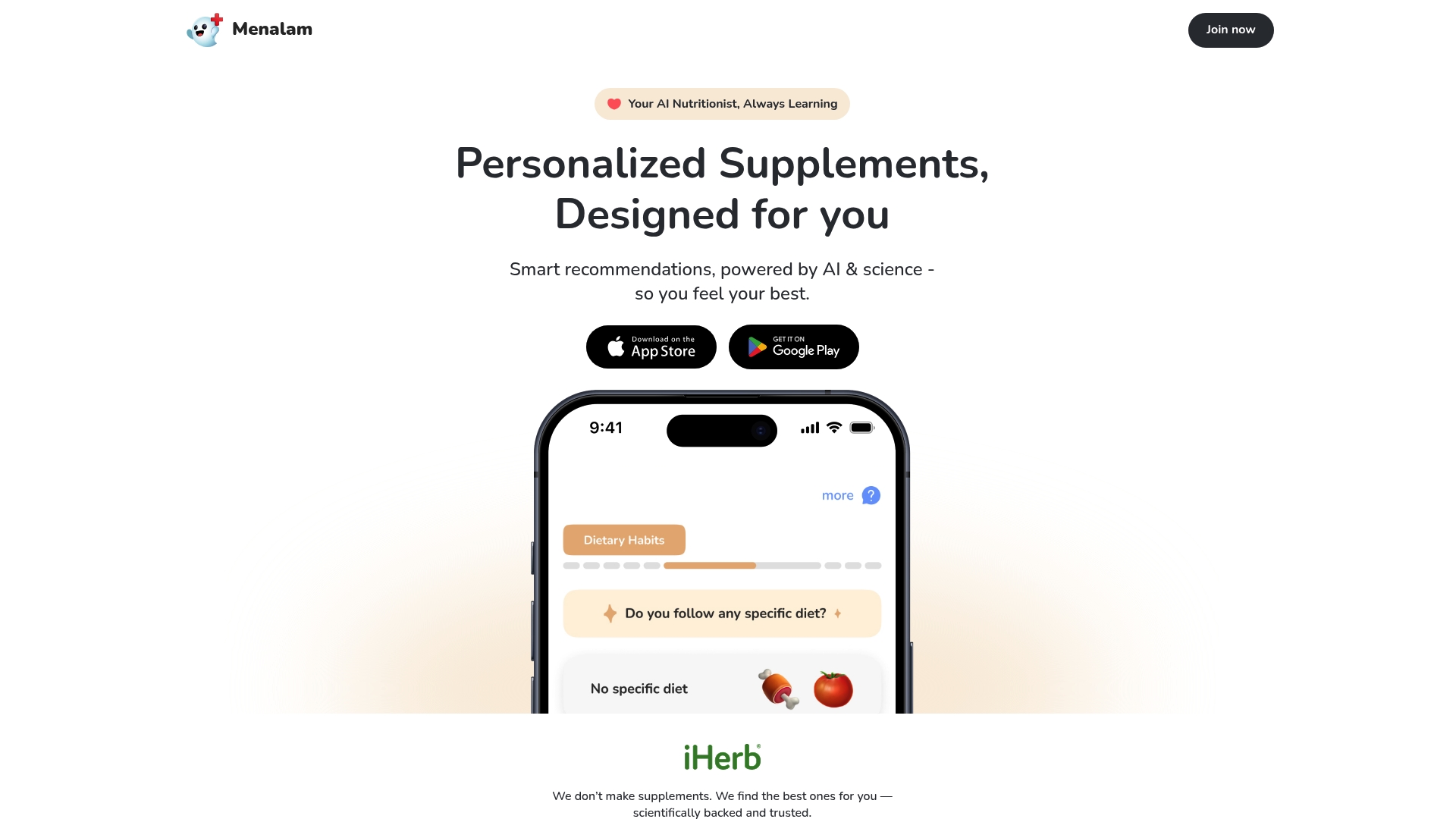
Imagine confidently investing in your well-being with a system that takes your unique biology, health status, and lifestyle into account. Our platform offers:
- Tailored supplement recommendations based on a quick health quiz
- Integration of health data and blood test results
- A mobile app that tracks your progress and offers smart reminders to stay consistent
Don’t let another day go by feeling unsure about your nutrition choices. Take control now! Visit Menalam today and evolve toward a healthier version of yourself with science-backed recommendations that fit seamlessly into your life. Your journey to personal nutrition mastery begins here!
Leave a Reply