

Aging brings a host of nutritional challenges that can impact overall health. Research shows that 80% of older adults have at least one chronic condition, often linked to diet and nutrition. But here’s the twist: it’s not just about consuming more vitamins. Many seniors might be surprised to learn that the importance of these vitamins isn’t solely in the quantity but in the quality of their intake. Focusing on the right vitamins can transform health, making daily life not just manageable, but vibrant and fulfilling.
Key Vitamins for Healthy Aging
As we age, our bodies undergo significant changes that affect how we absorb and utilize nutrients. Research indicates that 80% of older adults have at least one chronic condition, with diet being a leading behavioral risk factor for health issues in this population according to recent findings. For seniors, maintaining adequate vitamin levels becomes increasingly important for supporting overall health and preventing age-related decline.
Fat-Soluble Vitamins for Immune Support

Fat-soluble vitamins play a crucial role in maintaining healthy immune function—particularly important as our immune systems naturally weaken with age. Vitamins A, D, E, and K are essential for seniors as they support various aspects of immunity and inflammation control.
Vitamin D stands out as particularly vital for older adults. Our bodies produce less vitamin D from sunlight exposure as we age, and many seniors spend less time outdoors. This vitamin is critical for bone health, immune function, and may play a role in mood regulation. Many healthcare providers recommend vitamin D supplements for seniors, especially those living in northern climates or with limited sun exposure.
Vitamin E functions as a powerful antioxidant that helps protect cells from damage. As oxidative stress increases with age, adequate vitamin E becomes more important for preventing cellular deterioration. Good sources include nuts, seeds, and vegetable oils, though some seniors may benefit from supplementation under medical guidance.
Water-Soluble Vitamins for Energy and Brain Health
B vitamins become increasingly important as we age, particularly B12, B6, and folate. These nutrients support energy production, neurological function, and help maintain cognitive health.
Vitamin B12 deserves special attention because our ability to absorb it naturally decreases with age. Many seniors experience B12 deficiency without realizing it, which can lead to fatigue, memory problems, and even neurological damage if left untreated. Since B12 is primarily found in animal products, vegetarian or vegan seniors should be especially vigilant about their intake.
Vitamin C remains essential throughout life but takes on additional importance for seniors. Beyond supporting immune function, it helps with collagen production (important for skin, joint, and blood vessel health) and serves as an antioxidant. Many older adults don’t consume enough fruits and vegetables to meet their vitamin C needs, making supplementation worth considering.
Minerals That Work With Essential Vitamins
While focusing on essential vitamins for seniors, we must recognize that certain minerals work synergistically with vitamins to support health. Calcium and magnesium work alongside vitamin D for bone health. Zinc partners with vitamin A for immune function and wound healing.
Many seniors benefit from a comprehensive approach that includes both vitamin and mineral supplementation. However, balance is key—excessive amounts of certain nutrients can interfere with others or cause adverse effects.
Before starting any supplementation regimen, seniors should consult healthcare providers who can assess individual needs based on diet, medications, and existing health conditions. Blood tests can identify specific deficiencies that need addressing rather than taking a one-size-fits-all approach to nutritional supplements for seniors.
The aging population faces unique nutritional challenges, but with proper attention to essential vitamins for seniors, many age-related health concerns can be addressed proactively, supporting healthier, more vibrant senior years.
Key Takeaways
| Takeaway | Explanation |
|---|---|
| Prioritize Vitamin D | Crucial for bone health, immune function, and mood regulation; seniors, especially those with limited sun exposure, should consider supplementation. |
| Focus on B Vitamins | Vitamins B12, B6, and folate are vital for energy and cognitive function; seniors should monitor B12 levels due to decreased absorption with age and consider supplementation if necessary. |
| Incorporate Antioxidants | Vitamins C and E serve as essential antioxidants that support immune health and skin integrity, making adequate intake vital for seniors. |
| Synergistic Minerals Matter | Minerals like calcium, magnesium, and zinc work with vitamins to support bone and immune health; a balanced approach to supplementation is critical. |
| Consult Healthcare Providers | Before starting any supplementation regimen, seniors should seek professional advice to tailor their nutritional plans based on individual needs and existing health conditions. |
Benefits for Bone and Immunity
As we age, maintaining strong bones and a robust immune system becomes increasingly challenging yet critically important. Research has revealed a fascinating interconnection between these two systems that was previously underappreciated. Recent studies show that aging weakens both the skeletal and immune systems simultaneously, creating a complex situation where each system’s decline can accelerate the other’s deterioration.
Supporting Bone Health Through Nutrition
Bone density naturally decreases with age, particularly after 50, making fractures more likely and potentially life-altering for seniors. Essential vitamins for seniors play a crucial role in maintaining bone integrity well into advanced age.
Vitamin D stands as the cornerstone of bone health supplements for older adults. It facilitates calcium absorption from the digestive tract and helps incorporate this vital mineral into bone tissue. Without sufficient vitamin D, even adequate calcium intake becomes ineffective as the body cannot properly utilize it. Many seniors require 800-1000 IU of vitamin D daily, significantly more than younger adults, due to decreased skin production and reduced outdoor activity.
Vitamin K2 deserves special attention in the bone health conversation. While often overlooked, K2 activates proteins that direct calcium to bones rather than allowing it to accumulate in arteries and soft tissues. This dual action both strengthens bones and protects cardiovascular health—a remarkable benefit for seniors concerned about both osteoporosis and heart disease.
Magnesium works synergistically with vitamin D and calcium to support bone structure. Many seniors are deficient in this mineral, which can compromise both bone formation and vitamin D activation. Including magnesium-rich foods or supplements can enhance the effectiveness of other bone-supporting nutrients.
Strengthening Immune Function
The immune system faces natural decline with aging—a process called immunosenescence—making nutritional support increasingly important. Proper vitamin intake can help seniors maintain immune resilience against seasonal illnesses and more serious infections.
Vitamin D emerges again as a multifunctional nutrient, playing a vital role in immune regulation. It helps activate T-cells, the body’s targeted defense system, and modulates inflammatory responses. Many seniors with frequent infections show suboptimal vitamin D levels, suggesting a connection between this nutrient and immune competence.
Vitamin C remains essential for immune function throughout life but takes on added importance for seniors. It supports various immune cells, enhances the skin’s barrier function (our first line of defense), and provides antioxidant protection. Many older adults benefit from 500-1000mg daily, especially during seasons when infections are common.
Vitamin E works as both an immunity enhancer and antioxidant. Its ability to protect cell membranes becomes particularly valuable as oxidative stress increases with age. Some research suggests vitamin E may help improve T-cell function in elderly populations when consumed at optimal levels.
The Bone-Immune Connection
The relationship between bone health and immunity goes beyond sharing common nutritional needs. The bone marrow serves as the production site for immune cells, while immune cells influence bone remodeling processes. This interconnection means that supporting one system often benefits the other.
Consistent intake of essential vitamins for seniors can create a positive cycle: better bone health supports immune cell production, while improved immunity reduces chronic inflammation that can accelerate bone loss. This represents a holistic approach to aging well through proper nutrition.
While individual nutritional needs vary, most seniors benefit from a comprehensive strategy that addresses both bone and immune health simultaneously. Consulting healthcare providers about appropriate nutritional supplements for seniors can help determine the optimal combination and dosage of vitamins based on personal health status, medication use, and lifestyle factors.
Food Sources and Supplement Tips
As we age, obtaining adequate nutrition becomes both more important and more challenging. While essential vitamins for seniors are ideally obtained through diet, physical changes, medication interactions, and practical limitations often make supplementation necessary. Understanding how to balance food sources with appropriate supplements can help older adults maintain optimal health.
Nutrient-Dense Foods for Seniors
The foundation of senior nutrition should always be whole foods rich in essential vitamins and minerals. Despite changes in appetite and digestion that come with aging, focusing on nutrient density—the amount of beneficial nutrients relative to calories—can help maximize nutritional intake even with smaller portions.
Dark leafy greens provide exceptional nutritional value for seniors, offering calcium, magnesium, and vitamins A, C, and K in significant amounts. Just one cup of cooked kale or spinach delivers multiple vitamins at a fraction of the caloric cost of processed foods. For those with chewing difficulties, adding these greens to smoothies or soups makes them more accessible without sacrificing nutritional benefits.
Fatty fish like salmon, mackerel, and sardines deliver both vitamin D and omega-3 fatty acids—nutrients that work synergistically to support brain health, reduce inflammation, and maintain cardiovascular function. Consuming fatty fish twice weekly provides substantial benefits, though those with seafood allergies or restrictions may need alternative sources.
Berries offer concentrated antioxidants and vitamin C with manageable sugar content, making them ideal for seniors monitoring blood glucose levels. Their soft texture also makes them easier to consume for those with dental issues. Freezing seasonal berries provides year-round access to these nutritional powerhouses.
When Supplements Become Necessary
Despite best efforts with diet, certain circumstances make supplementation necessary for many seniors. Age-related physiological changes, including decreased stomach acid production, reduced intestinal absorption, and medication interactions, can compromise nutrient utilization even from excellent diets.
Vitamin B12 supplementation becomes crucial for many older adults as absorption naturally declines with age. Studies show that up to 30% of seniors may have some degree of B12 malabsorption regardless of diet quality. Sublingual or liquid forms often work better than tablets for those with digestive limitations.
Vitamin D supplements are recommended for most seniors, particularly those living in northern climates or with limited outdoor time. The skin’s ability to produce vitamin D from sunlight declines significantly with age, making dietary sources and supplementation increasingly important. Blood testing can help determine appropriate dosage levels, as requirements vary widely among individuals.
Practical Supplement Selection Guidelines
Navigating the supplement aisle can be overwhelming given the vast array of products marketed to seniors. Several practical considerations can help make more informed choices.
Form and absorption matter significantly. Many nutritional supplements for seniors come in various forms—tablets, capsules, liquids, gummies, or powders. While tablets are often most economical, they may not be ideal for seniors with swallowing difficulties or reduced digestive capacity. Liquid or powder supplements mixed into beverages often provide better absorption for those with compromised digestion.
Timing supplements appropriately enhances their effectiveness. Fat-soluble vitamins (A, D, E, and K) should be taken with meals containing some fat to maximize absorption. Water-soluble vitamins like B-complex and vitamin C can be taken with or without food, though taking them with meals may reduce stomach discomfort.
Quality assurance is essential when selecting supplements. Look for products verified by independent organizations like USP (United States Pharmacopeia) or NSF International, which test supplements for purity, potency, and quality. These third-party certifications help ensure that products contain what they claim and are free from harmful contaminants.
Potential Interactions and Precautions
While proper supplementation offers significant benefits, seniors should be aware of potential interactions with medications and existing health conditions. Some vitamins can affect medication efficacy or pose risks at high doses.
Vitamin K supplements may interfere with blood-thinning medications like warfarin. Similarly, high-dose vitamin E supplements might increase bleeding risk in those taking anticoagulants. Always consult healthcare providers about supplement choices, particularly when managing chronic conditions requiring medication.
Balance and moderation remain key principles in supplementation. More isn’t always better—excessive intake of certain nutrients can create imbalances or even toxicity. Essential vitamins for seniors should be supplemented thoughtfully, based on individual needs rather than marketing claims promising miraculous results.
Creating a Balanced Nutrient Plan
Developing a comprehensive nutrition strategy becomes increasingly important as we age. For seniors, a balanced nutrient plan isn’t just about maintaining general health—it’s about strategically addressing age-specific nutritional needs while accounting for changes in metabolism, digestion, and individual health conditions. Creating an effective approach to essential vitamins for seniors requires thoughtful planning rather than random supplementation.
Assessing Individual Nutritional Needs
Nutritional requirements vary significantly among older adults based on several factors. Age itself, activity level, existing health conditions, medication use, and even genetic predispositions all influence which essential vitamins for seniors should be prioritized. Before implementing any supplement regimen, a thorough assessment provides the foundation for effective nutrition planning.
A nutrition assessment ideally begins with healthcare provider consultation, including blood tests to identify specific deficiencies. Many seniors are surprised to discover unexpected nutritional gaps despite eating what they consider a healthy diet. Common deficiencies among older adults include vitamin D, B12, magnesium, and omega-3 fatty acids—each requiring different approaches to address effectively.
Medication review forms a critical component of nutritional planning that’s often overlooked. Many commonly prescribed medications can deplete specific nutrients or interfere with their absorption. For example, proton pump inhibitors for acid reflux can reduce B12 absorption, while certain diuretics can deplete potassium and magnesium. Understanding these interactions helps identify areas needing additional nutritional support.
Building a Food-First Foundation
While supplements play an important role in senior nutrition, they work best when complementing a nutrient-rich diet rather than replacing it. A food-first approach provides complex nutrients and beneficial compounds that work synergistically in ways supplements alone cannot replicate.
Focus on nutrient density rather than calorie restriction when planning meals. Many seniors experience decreased appetite or energy needs, making each bite more important nutritionally. Colorful vegetables and fruits, high-quality proteins, healthy fats, and whole grains should form the foundation of the diet, with supplements filling specific gaps.
Meal planning becomes particularly valuable for seniors facing cooking challenges or decreased motivation to prepare complex meals. Simple strategies like batch cooking, using slow cookers, or arranging meal delivery services can help maintain nutritional quality despite physical limitations or energy constraints.
Targeted Supplementation Strategies
After establishing a strong dietary foundation and identifying specific needs, targeted supplementation can address remaining nutritional gaps. This approach differs significantly from the common practice of taking random supplements based on marketing claims or general recommendations.
Multivitamins formulated specifically for seniors can provide a baseline of nutritional support. Look for products with higher levels of B vitamins, vitamin D, and antioxidants, but without excessive iron (which many postmenopausal women and older men don’t need in high amounts). However, multivitamins shouldn’t replace more targeted supplementation for significant deficiencies.
Individualized supplement timing improves effectiveness. Some nutritional supplements for seniors work better when taken at specific times—vitamin D and calcium may be better absorbed when taken with meals, while some B vitamins might provide more energy benefit when taken in the morning. Creating a schedule that integrates with daily routines increases consistency and results.
Adapting Your Plan Over Time
Nutritional needs aren’t static, particularly during the senior years when health status, medications, and lifestyle factors may change frequently. A truly effective approach to essential vitamins for seniors involves regular reassessment and adjustment.
Schedule periodic nutrition reviews with healthcare providers, ideally including follow-up blood work to verify improvement in previously identified deficiencies or to catch new concerns. Many seniors find that seasonal changes, health events like surgeries or illnesses, or new medications necessitate adjustments to their nutritional strategy.
Track your response to nutritional changes through simple methods like journaling energy levels, sleep quality, and digestive function. While laboratory tests provide objective data, subjective improvements in quality of life often indicate whether a nutritional approach is working effectively. This personalized feedback helps refine your plan for optimal results.
Creating a balanced nutrient plan for seniors isn’t a one-time task but an ongoing process of assessment, implementation, and refinement. By taking a systematic, individualized approach to nutrition, older adults can maximize their health potential and quality of life through their senior years.
Frequently Asked Questions
What vitamins are essential for seniors?
Essential vitamins for seniors include Vitamin D, B12, B6, folate, Vitamin C, and Vitamin E. These vitamins support immune function, energy production, brain health, and overall nutritional needs as we age.
Why is Vitamin D important for older adults?
Vitamin D is crucial for seniors as it aids in calcium absorption, supports bone health, regulates mood, and enhances immune function. Many older adults have lower levels due to decreased sunlight exposure.
How can seniors get enough Vitamin B12?
Seniors can obtain Vitamin B12 from animal products like meat, fish, eggs, and dairy. For those with absorption issues, sublingual or liquid supplements may be more effective.
Should seniors take vitamin supplements?
Many seniors may benefit from vitamin supplements due to dietary gaps, medication interactions, or decreased nutrient absorption with age. It’s important to consult a healthcare provider for personalized recommendations.
Unlock Your Vitality with Personalized Nutrition
Navigating the world of vitamins and supplements can be daunting, especially for seniors facing unique health challenges. As highlighted in our article on essential vitamins for seniors, maintaining optimal levels of key nutrients—such as Vitamin D and B12—is crucial for robust immune function and energy levels. However, understanding which vitamins your body truly needs can feel overwhelming. This is where Menalam steps in, tailored just for you!
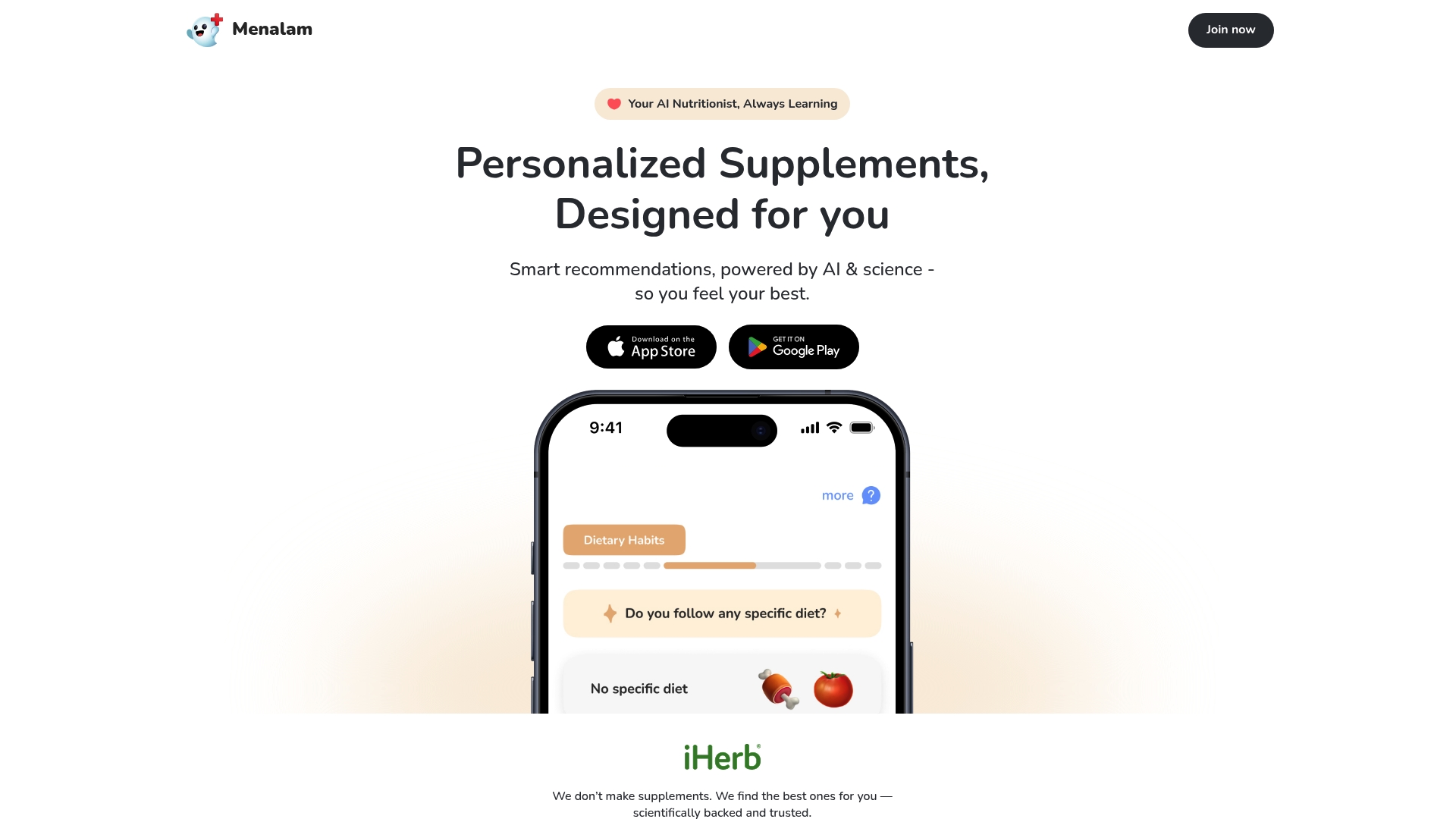
Imagine having a digital nutritionist at your fingertips—that’s Menalam! Our AI-driven platform creates custom supplement plans based on your health profile and lifestyle needs. With a simple health quiz, you’ll discover the vitamins and minerals best suited for your unique circumstances. Plus, our mobile app keeps you accountable with smart reminders, helping you track your intake and monitor your overall health progress. Don’t leave your nutrition to chance; take control of your health today with Menalam. Visit us now to get started on your journey to vibrant living—because your golden years deserve the best care and attention!
Leave a Reply