

Vitamins are often overlooked despite their crucial roles in our health. They are more than just colorful pills; they are essential nutrients that support everything from our immune response to energy production. But here’s the catch: over 90 percent of adults fail to meet the recommended daily intake for certain vitamins. This staggering statistic reveals a shocking truth—many people are unknowingly sabotaging their own health. The unexpected twist? You have the power to rectify this through simple dietary changes and mindful nutrition choices that can significantly boost your vitality and well-being.
Understanding Essential Vitamin Functions
Vitamins are silent heroes in our body’s complex biochemical orchestra. These organic compounds, though required in only small amounts, play crucial roles that affect virtually every system in our body. Without them, even the most basic bodily functions would falter. But what exactly do these essential nutrients do, and why are they so fundamental to our health?
The Biochemical Foundation
At their core, vitamins serve as catalysts for countless biochemical reactions. They don’t provide energy directly like carbohydrates or fats, but instead enable our bodies to access and utilize that energy. Think of vitamins as the spark plugs in your car’s engine – they don’t fuel the vehicle, but without them, the engine won’t run.
The benefits of vitamins stem from their unique abilities to facilitate critical processes. According to Howard D. Sesso from Scientific American, “Vitamins and minerals work in wild and wondrous ways, some of which we understand, many of which we’re still trying to understand.” This complexity explains why vitamin deficiencies can lead to such diverse health problems.
Some vitamins act as antioxidants, protecting our cells from damage caused by harmful molecules called free radicals. Others help maintain the structural integrity of our tissues or support the nervous system. Many participate in energy metabolism, turning the food we eat into usable fuel for our cells.
Categories and Primary Functions
Vitamins are generally classified into two main groups based on their solubility:
-
Fat-soluble vitamins (A, D, E, and K) can be stored in the body’s fatty tissues and liver for extended periods. Vitamin A maintains healthy vision and immune function. Vitamin D regulates calcium absorption for bone health. Vitamin E serves as a powerful antioxidant. Vitamin K is essential for blood clotting and bone metabolism.
-
Water-soluble vitamins include the B-complex vitamins (B1, B2, B3, B5, B6, B7, B9, B12) and vitamin C. These generally cannot be stored and must be consumed regularly. B vitamins primarily function as coenzymes in energy metabolism, while vitamin C supports immune function and collagen formation.
The role of vitamins in the human body extends far beyond just preventing deficiency diseases. They actively participate in maintaining optimal health by supporting immune function, contributing to cellular repair, and helping regulate various metabolic processes.
Synergy With Other Nutrients

Vitamins rarely work in isolation. Their functions are often intertwined with minerals and other nutritional components. For example, vitamin D works closely with calcium and phosphorus for bone health. Iron absorption is enhanced by vitamin C. This interdependence highlights why a diverse diet is so important – it’s not just about getting enough of each vitamin, but about creating the right nutrient environment for these vitamins to function optimally.
Our understanding of vitamin functions continues to evolve. Recent research suggests that genetic variations can significantly impact how individuals metabolize and utilize vitamins. This explains why some people might need more of certain vitamins than others, pointing toward the emerging field of personalized nutrition.
The benefits of vitamins and their essential functions underscore their importance in our daily diet. While supplements can play a role in certain circumstances, obtaining vitamins through whole foods remains the gold standard for most healthy individuals. This natural approach ensures we receive not only the vitamins themselves but also the cofactors and complementary nutrients that enhance their functions.
Key Takeaways
| Takeaway | Explanation |
|---|---|
| Vitamins Are Essential Catalysts | Vitamins facilitate critical biochemical reactions in the body without providing energy directly, making them vital for overall health and metabolic processes. |
| Immune Function Relies on Specific Vitamins | Key vitamins, such as C, D, A, and B6, B9, and B12, play direct roles in supporting a healthy immune system and can reduce the risk and severity of illnesses. |
| Whole Foods Offer Superior Vitamin Sources | Obtaining vitamins through a diverse diet of whole foods ensures not only the nutrients themselves but also the complementary compounds that enhance their effectiveness. |
| Personalized Nutrition is Key | Individual factors like age, gender, and lifestyle affect vitamin needs, indicating the importance of tailoring dietary intake and supplementation strategies. |
| Lifestyle Factors Enhance Vitamin Efficacy | Regular exercise, adequate hydration, stress management, and proper sleep support the absorption and effectiveness of vitamins in maintaining energy and immune health. |
Boost Immune Health Naturally
A robust immune system serves as your body’s first line of defense against illness and infection. While vitamins play numerous roles in the body, their contribution to immune function is particularly significant. Understanding how to harness these nutrients can help you naturally strengthen your immune response and potentially reduce the frequency and severity of illness.
The Vitamin-Immunity Connection
Certain vitamins stand out for their direct impact on immune function. Vitamin C, perhaps the most famous immune-supporting nutrient, enhances several immune cell functions and serves as a powerful antioxidant. Vitamin D regulates immune responses and helps activate your body’s T-cells, which identify and attack foreign pathogens. Vitamin A maintains the integrity of mucosal barriers—like those in your respiratory tract—that serve as your first physical defense against invading microbes.
The B vitamins, particularly B6, B9 (folate), and B12, support biochemical reactions that help your body produce and maintain immune cells. Vitamin E works as an antioxidant that helps protect immune cells from damage during their response to pathogens.
According to a comprehensive review by Singh and colleagues, a balanced diet rich in these vitamins along with minerals like zinc and magnesium is crucial for maintaining optimal immune function. This research highlights that immune-supporting nutrients work synergistically, meaning they’re more effective together than in isolation.
Food Sources for Immune-Boosting Vitamins
Obtaining immune-supportive vitamins through whole foods offers advantages beyond supplements. Foods contain complex combinations of nutrients that often work together to enhance absorption and effectiveness. Here are some top food sources for key immune-supporting vitamins:
- Vitamin C: Bell peppers, citrus fruits, strawberries, broccoli, and tomatoes
- Vitamin D: Fatty fish (salmon, mackerel), egg yolks, mushrooms exposed to UV light, and fortified foods
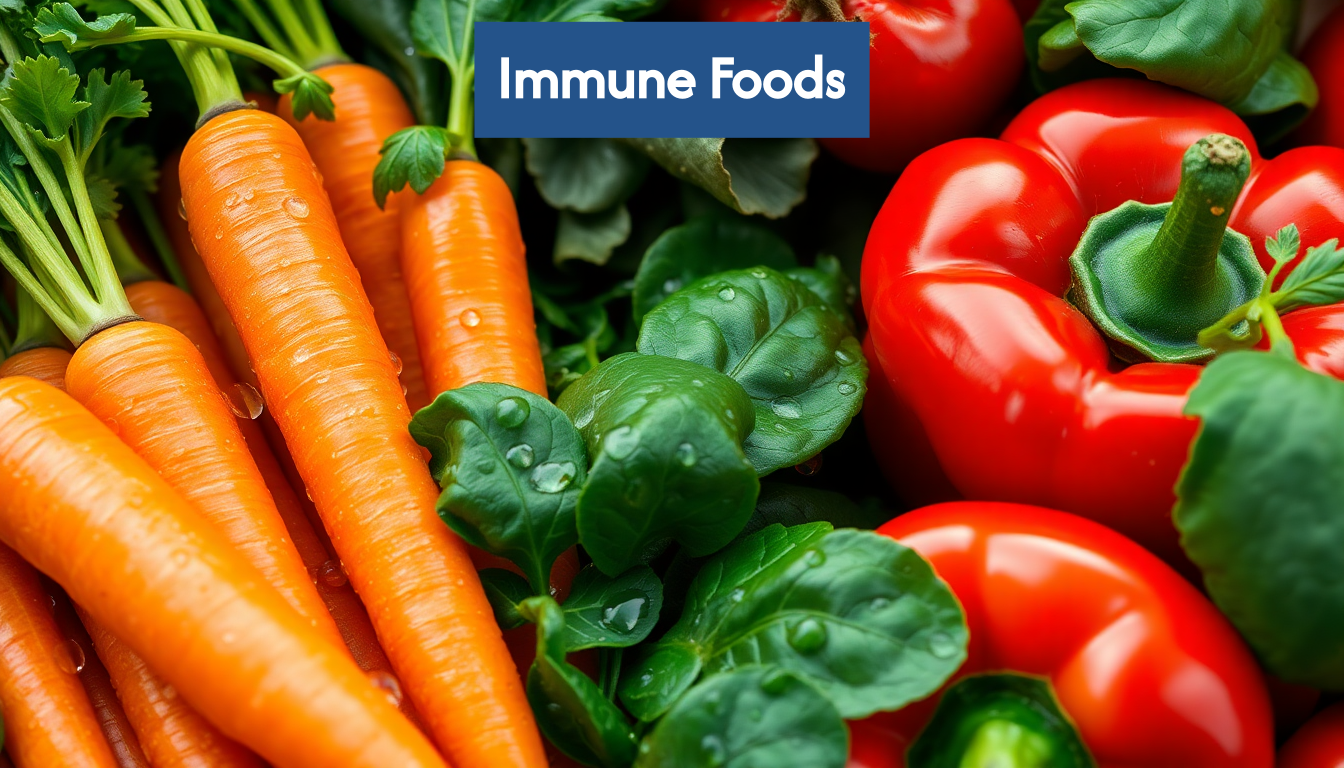
- Vitamin A: Sweet potatoes, carrots, spinach, red bell peppers, and mangoes
- B vitamins: Whole grains, legumes, seeds, dark leafy greens, and animal products
- Vitamin E: Nuts, seeds, vegetable oils, and spinach
Incorporating a variety of these foods into your daily diet creates a nutritional foundation that supports immune function. Colorful fruits and vegetables are particularly valuable, as their pigments often indicate the presence of immune-supporting phytonutrients alongside vitamins.
Lifestyle Factors That Enhance Vitamin Effectiveness
The benefits of vitamins for immune health are maximized when supported by healthy lifestyle habits. Regular physical activity improves circulation, helping immune cells move efficiently throughout your body. Adequate sleep allows your immune system to regenerate and strengthen itself. Stress management is equally important, as chronic stress depletes vitamin stores and suppresses immune function.
Hydration plays a crucial role as well. Water helps carry nutrients to cells and removes waste products. Without sufficient hydration, the concentration and effectiveness of water-soluble vitamins can be compromised.
Seasonal considerations may also influence your vitamin needs. During winter months when sunlight exposure decreases, vitamin D levels tend to drop for many people. Similarly, cold and flu season might warrant extra attention to vitamin C and zinc intake.
The advantages of vitamin supplements and mineral support for immunity become most apparent when dietary intake is insufficient. However, it’s important to remember that supplements should complement, not replace, a nutrient-rich diet. Consulting with a healthcare provider before starting any supplement regimen is advisable, particularly for those with existing health conditions or who take medications.
By intentionally incorporating immune-supporting vitamins through whole foods and maintaining healthy lifestyle habits, you create a robust foundation for your body’s natural defense system to function optimally.
Enhance Energy For Daily Vitality
We all experience those days when our energy levels seem to plummet, leaving us struggling to complete even basic tasks. While occasional fatigue is normal, persistent low energy can significantly impact quality of life. Vitamins play a crucial role in energy production and maintenance, offering natural solutions to boost your vitality without relying on caffeine or sugar.
Vitamins That Power Your Energy Systems
At the cellular level, energy production is a complex process that requires specific vitamins as essential components. B vitamins are particularly important energy-enhancing nutrients, functioning as coenzymes in the metabolic pathways that convert food into usable energy. Each B vitamin plays a distinct role:
- Vitamin B1 (thiamine) helps convert glucose into energy and supports nerve function
- Vitamin B2 (riboflavin) assists with cellular energy production and growth
- Vitamin B3 (niacin) participates in over 200 metabolic reactions, many related to energy production
- Vitamin B5 (pantothenic acid) helps create energy from fats, proteins, and carbohydrates
- Vitamin B6 (pyridoxine) assists in protein metabolism and hemoglobin production for oxygen transport
- Vitamin B7 (biotin) aids in converting food into glucose
- Vitamin B9 (folate) works with B12 to form red blood cells and support cellular energy
- Vitamin B12 (cobalamin) is critical for nerve function and DNA synthesis
A comprehensive review of scientific studies found that vitamins C, D, and B-complex supplementation produced significant benefits for reducing fatigue symptoms, as reported by researchers in the journal Nutrients. This suggests these vitamins may play a vital role in maintaining energy levels throughout the day.
Signs of Energy-Related Vitamin Deficiencies
Unexplained fatigue often serves as an early warning sign of vitamin deficiencies. When your body lacks key vitamins, energy production becomes less efficient, leading to noticeable symptoms. Iron deficiency, which impacts vitamin utilization, frequently manifests as persistent tiredness due to reduced oxygen transport throughout the body. Vitamin D deficiency can lead to muscle weakness and fatigue, while B12 deficiency might cause extreme tiredness and weakness.
These deficiencies don’t always present with obvious symptoms beyond fatigue. You might experience difficulty concentrating, irritability, or even mild depression before recognizing there’s an underlying nutritional issue. Unfortunately, many people attribute these symptoms to stress or lack of sleep, potentially missing the opportunity to address vitamin deficiencies.
Food Sources for Energy Enhancement
The advantages of vitamins for energy come primarily through consuming nutrient-dense foods. For B vitamins, incorporate whole grains, leafy greens, eggs, dairy, meat, and legumes into your daily meals. Vitamin C can be found in abundance in citrus fruits, bell peppers, strawberries, and broccoli. For vitamin D, regular sun exposure combined with fatty fish, egg yolks, and fortified foods can help maintain optimal levels.
Designing meals that combine these energy-boosting nutrients creates synergistic effects. For example, a breakfast of whole-grain toast with eggs provides B vitamins and protein, while adding a side of berries contributes vitamin C. This combination supports sustained energy release throughout the morning.
The timing of nutrient intake also impacts energy levels. Spacing meals and snacks throughout the day helps maintain steady blood sugar levels, avoiding the crashes that come from long periods without eating. Including a source of protein and complex carbohydrates with each meal further promotes stable energy.
Lifestyle Strategies to Maximize Energy
Even with optimal vitamin intake, certain lifestyle factors can undermine your energy levels. Regular physical activity paradoxically increases energy by improving circulation and enhancing cellular energy production. Adequate hydration is equally important—even mild dehydration can lead to fatigue and reduced cognitive function.
Stress management techniques like meditation, deep breathing, or gentle yoga help preserve energy that would otherwise be depleted by chronic stress. Prioritizing sleep quality ensures your body has time to recover and restore vital energy systems.
When dietary measures alone prove insufficient, targeted supplementation may be beneficial. However, it’s important to consult with healthcare providers before starting supplements, especially if you’re taking medications or have underlying health conditions. The purpose of vitamins in supplement form should be to address specific deficiencies, not to replace a balanced diet rich in natural energy-enhancing nutrients.
Optimize Vitamin Intake Strategies
Knowing which vitamins you need is only half the equation—understanding how to optimize their absorption and effectiveness is equally important. Strategic approaches to vitamin consumption can maximize the benefits of these essential nutrients while minimizing potential waste or inefficiency.
Timing Your Vitamin Intake
The timing of vitamin consumption can significantly impact absorption and utilization. Fat-soluble vitamins (A, D, E, and K) are best absorbed when taken with meals containing healthy fats. The presence of dietary fat triggers bile release, which helps emulsify these vitamins for better absorption through the intestinal wall. For instance, taking vitamin D with your largest meal of the day can increase absorption by up to 50% compared to taking it on an empty stomach.
Water-soluble vitamins (C and B-complex) can generally be taken at any time but are often recommended with meals to reduce potential stomach discomfort. Because these vitamins aren’t stored extensively in the body, spreading their intake throughout the day can help maintain more consistent blood levels. For example, dividing your vitamin C intake between morning and evening might provide more sustained immune support than a single large dose.
Certain vitamins and minerals can either enhance or interfere with each other’s absorption. Iron and calcium compete for absorption pathways, so it’s best to separate their intake by a few hours. Conversely, vitamin C enhances iron absorption, making it beneficial to consume these nutrients together.
Food-Based vs. Supplement Sources
Obtaining vitamins from whole foods offers distinct advantages over supplements. Food sources provide vitamins in their natural ratios along with complementary nutrients and fiber that enhance absorption and utilization. The complex matrix of compounds in whole foods creates synergistic effects that isolated supplements cannot replicate.
However, supplements play an important role in specific circumstances. Research indicates that even with careful dietary planning, certain populations may benefit from targeted supplementation. According to a comprehensive analysis in the National Library of Medicine, pregnant women often experience decreases in blood levels of most vitamins without supplementation, and dietary intake in the US frequently falls below recommended levels for critical nutrients like vitamin D.
When choosing supplements, consider these quality indicators:
- Third-party testing certification (USP, NSF, or ConsumerLab verification)
- Appropriate forms of vitamins (methylated B vitamins for better utilization)
- Minimal unnecessary additives, fillers, or artificial colors
- Dosages that complement rather than vastly exceed dietary intake
Personalized Approaches to Vitamin Needs
Vitamin requirements vary significantly based on individual factors. Age, gender, activity level, pregnancy status, and genetic variations all influence your specific needs. For example, women of childbearing age require more folate, while older adults often need additional vitamin B12 and vitamin D.
Seasonal changes also affect vitamin needs. During winter months in northern latitudes, vitamin D requirements increase due to reduced sun exposure. Similarly, periods of high stress or illness may temporarily increase your need for immune-supporting vitamins like C and zinc.
Personal dietary patterns significantly impact vitamin intake strategies. Vegetarians and vegans need to pay particular attention to vitamin B12, which is primarily found in animal products. Those following low-carbohydrate diets might miss out on B vitamins commonly found in whole grains. Understanding these pattern-specific needs allows for targeted supplementation where necessary.
Practical Implementation Tips
Creating a sustainable vitamin intake strategy requires practical approaches. Start by assessing your current diet through a food journal for at least a week, noting key vitamin sources. This baseline helps identify potential gaps that need addressing.
Meal planning with vitamin diversity in mind ensures broader nutrient coverage. Aim to include foods from all color groups—the pigments in colorful fruits and vegetables often indicate specific vitamins and antioxidants. For instance, orange produce typically contains vitamin A precursors, while dark green vegetables offer vitamin K and folate.
For those with busy lifestyles, preparation makes consistency possible. Batch cooking nutrient-rich meals, preparing cut vegetables for snacks, or creating smoothie packs can make vitamin-rich options convenient when time is limited.
The benefits of vitamins are maximized through consistent, informed strategies rather than sporadic high-dose supplementation. By understanding absorption mechanisms, choosing appropriate sources, and tailoring your approach to personal needs, you can optimize your vitamin intake for long-term health benefits.
Frequently Asked Questions
What are the main benefits of vitamins for health?
Vitamins are essential nutrients that support processes like energy production, immune function, and cellular repair. They help maintain overall health and prevent various deficiencies.
How do vitamins affect immune health?
Certain vitamins, such as C, D, A, and B vitamins, play crucial roles in enhancing immune response. They support immune cell production and help protect against infections.
How can I obtain enough vitamins in my diet?
The best way to obtain vitamins is through a balanced diet rich in whole foods like fruits, vegetables, whole grains, and lean proteins. These foods provide not only vitamins but also complementary nutrients that enhance their absorption.
Should I take vitamin supplements?
While supplements can help address specific deficiencies, it’s best to prioritize obtaining vitamins through a varied diet. Consult with a healthcare provider before starting any supplements, especially if you have existing health conditions.
Unlock Your Full Health Potential with Menalam
Are you one of the 90 percent of adults who struggle to meet their daily vitamin requirements? It’s time to stop sabotaging your health and start harnessing the power of vitamins effectively! The recent article highlights the critical role vitamins play in boosting immune function and driving energy production, but the challenge often lies in knowing which ones your body truly needs.
At Menalam, we understand that navigating nutritional needs can be overwhelming, which is why we’ve created a personalized solution just for you. By taking our quick health quiz, you’ll receive tailored vitamin recommendations based on your unique profile, lifestyle, and dietary preferences. Plus, with our mobile app, tracking your supplement intake and health progress has never been easier!
Take charge of your health TODAY! Don’t let vitamin deficiencies hold you back from your full potential. With Menalam’s AI-driven recommendations and ongoing adjustments to your health plan, you can empower yourself to make informed decisions that lead to a healthier, more energetic life. Dive into your personalized wellness journey now at https://menalam.com and discover how simple it can be to optimize your vitamin intake!
Leave a Reply