

Health goals are the backbone of any successful wellness journey. Setting clear and meaningful objectives can make all the difference in achieving better health outcomes. A study with over 36,000 participants revealed that those who set ambitious weight loss goals lost an average of 5.21 kg more than those with vague targets. But here’s the twist: merely having goals isn’t enough. Failing to align those plans with the right strategies, especially in supplement use, can lead to wasted time and resources. When your goals and supplement choices sync, you create powerful momentum on your path to wellness.
Setting Clear Health Goals
Establishing clear, meaningful health goals is the foundation of any successful wellness journey. Whether you’re looking to improve fitness, manage weight, enhance energy levels, or support specific health concerns, the process begins with defining what you want to achieve.
Why Clear Goals Matter
Goals serve as your roadmap. Without clearly defined objectives, you’ll likely find yourself making inconsistent progress or feeling frustrated with your health improvement efforts. Research supports this notion – a study involving over 36,000 participants in a weight loss program found that those who set specific, ambitious goals (weight loss of >10%) achieved significantly better results than those with more modest or vague targets, with a mean difference of 5.21 kg at 24 weeks according to research from JMIR.
This principle extends beyond weight management to all aspects of health improvement, including fitness gains, nutritional improvements, and mental wellness. Clear goals provide focus, motivation, and a framework for measuring progress.
Creating SMART Health Goals
The most effective health goals follow the SMART framework: Specific, Measurable, Achievable, Relevant, and Time-bound. This approach transforms vague intentions into actionable plans.
Specific: Define exactly what you want to accomplish. Rather than “get healthier,” aim for “reduce resting heart rate by 5 beats per minute” or “increase vegetable intake to 5 servings daily.”
Measurable goals include concrete metrics to track progress. Instead of “take supplements regularly,” specify “take vitamin D and omega-3 supplements daily with breakfast.”
Achievable goals recognize your current capabilities while pushing boundaries appropriately. Starting with a goal to run a marathon next month when you haven’t been exercising sets you up for disappointment.
Relevant goals align with your values and broader life objectives. If family health history shows heart disease, focusing on cardiovascular health makes sense.
Time-bound goals include deadlines that create urgency without being unrealistic. “Improve strength by 15% within 12 weeks” works better than an open-ended commitment.
Aligning Goals with Supplement Strategies
Once you’ve established clear health goals, you can determine which supplements might support your efforts. Different objectives call for different nutritional support:
- For improved energy and focus: Consider B-complex vitamins, iron (if deficient), or adaptogens
- For muscle building and recovery: Protein, creatine, or branch-chain amino acids might be appropriate
- For immune support: Vitamin C, D, zinc, or elderberry supplements could complement your strategy
- For joint health: Glucosamine, chondroitin, or omega-3 fatty acids might be beneficial
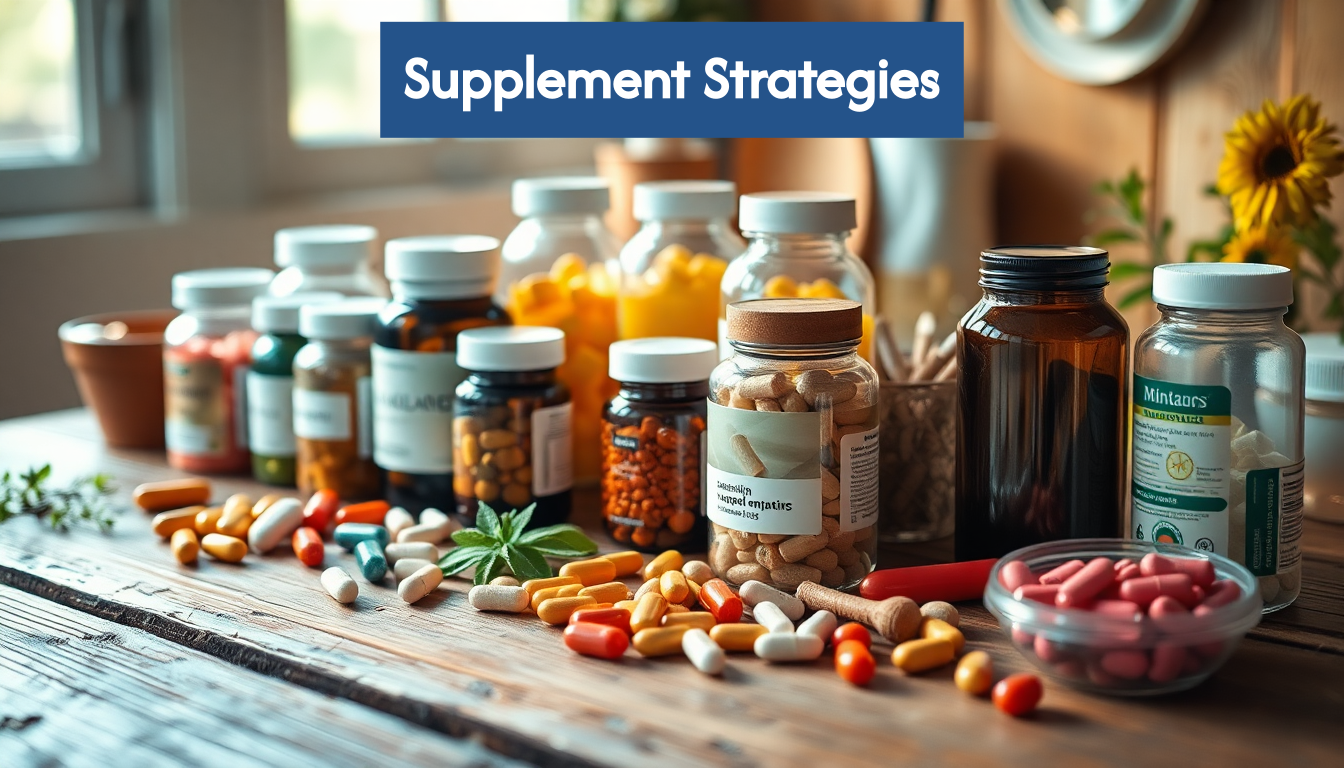
The key is alignment – your supplement choices should directly support your specific health goals rather than following generic recommendations or trends.
Without clear goals, people often take supplements haphazardly, wasting money and potentially missing opportunities for targeted benefits. When health goals and supplements align strategically, you create a powerful synergy that maximizes your chances of success.
Key Takeaways
| Takeaway | Explanation |
|---|---|
| Set SMART Health Goals | Specific, Measurable, Achievable, Relevant, and Time-bound goals enhance clarity and focus, driving better health outcomes and progress tracking. |
| Align Supplements with Goals | Choose supplements that directly support your established health goals instead of following generic recommendations, ensuring targeted benefits. |
| Assess Supplement Quality | Look for third-party testing and certifications, transparency in sourcing, and high-quality ingredients to ensure the supplements you choose are safe and effective. |
| Monitor and Adjust Progress | Regularly track health metrics and supplement effectiveness to refine your approach, eliminating ineffective supplements and adjusting dosages as needed. |
| Integrate Supplements into Routine | To maximize the benefits of supplements, build consistent habits by linking them to daily activities and ensuring proper timing for optimal absorption. |
Selecting Quality Supplements Wisely
After establishing your health goals, selecting high-quality supplements becomes your next critical step. The supplement market is vast and largely unregulated, making it essential to approach your selections with careful consideration and informed judgment.
Understanding Supplement Regulation Gaps
Unlike prescription medications, dietary supplements don’t undergo pre-market FDA approval for safety or efficacy. This regulatory gap places responsibility on you, the consumer, to evaluate product quality. The implications are significant – research indicates that supplement contamination risks are particularly concerning for athletes and military personnel, with 50-100% of these populations using supplements regularly according to Current Sports Medicine Reports.
This lack of oversight can lead to products with inaccurate labeling, questionable purity, or even harmful contaminants. The supplement industry’s honor system approach means quality varies dramatically between manufacturers.
Key Quality Indicators to Evaluate
When assessing supplement quality, focus on these essential factors:
Third-Party Testing and Certification: Look for products verified by independent organizations like NSF International, USP (United States Pharmacopeia), or Informed-Choice. These third-party certifications help ensure that what’s on the label matches what’s in the bottle and that products are free from banned substances and contaminants.
Transparency in sourcing and manufacturing processes matters significantly. Reputable companies willingly share information about ingredient origins, processing methods, and quality control measures. Their websites typically provide detailed information about their manufacturing practices and quality assurance protocols.
Ingredient quality and bioavailability determine how effectively your body can utilize a supplement. Look for forms of nutrients known for better absorption – for instance, methylcobalamin rather than cyanocobalamin for vitamin B12, or chelated minerals instead of oxide forms.
Formulation expertise is evident in thoughtfully designed products. Quality supplements contain complementary ingredients in effective amounts without unnecessary fillers, artificial colors, or preservatives.
Research Before Purchasing
Doing your homework before buying supplements can save you money and potentially protect your health. Consider these research strategies:
- Verify manufacturer credentials, including their history, manufacturing standards (like cGMP compliance), and any quality certifications
- Check for clinical research supporting both ingredients and dosages
- Read customer reviews critically, recognizing that extremely positive or negative reviews may not represent typical experiences
- Consult healthcare professionals with nutrition expertise for personalized recommendations
Be particularly cautious with supplements making dramatic claims, especially those targeting memory enhancement, weight loss, sexual performance, or muscle building, as these categories have higher rates of contamination and mislabeling.
Price vs. Quality Considerations
While higher price doesn’t guarantee quality, extremely cheap supplements often cut corners on ingredient quality, testing, or manufacturing standards. Quality supplements require significant investment in research, testing, and premium ingredients.
Instead of focusing solely on price, evaluate the overall value proposition. A slightly more expensive supplement with superior bioavailability may deliver better results than a cheaper alternative with poorly absorbed ingredients. Remember that the most expensive supplement is the one that doesn’t work or potentially causes harm.
By applying these quality assessment strategies, you can more confidently navigate the supplement marketplace and select products that genuinely support your health goals while minimizing potential risks.
Integrating Supplements Into Your Routine
Once you’ve established clear health goals and selected quality supplements, the next challenge is incorporating them effectively into your daily life. Even the highest quality supplements provide limited benefit if taken inconsistently or incorrectly. Creating a sustainable supplement routine requires thoughtful planning and smart integration with your existing habits.
Timing Supplements for Optimal Absorption
The time of day and circumstances under which you take supplements significantly impacts their effectiveness. Different nutrients have distinct absorption requirements:
Fat-soluble vitamins (A, D, E, and K) should be taken with meals containing healthy fats to enhance absorption. For example, taking vitamin D with breakfast that includes avocado or eggs improves its bioavailability compared to taking it on an empty stomach.
Iron supplements are generally better absorbed when taken on an empty stomach, but can cause digestive discomfort for some people. If you experience stomach upset, taking iron with a small amount of food may be preferable despite slightly reduced absorption.
Probiotics often work best when taken before meals when stomach acid levels are lower, potentially allowing more beneficial bacteria to survive the journey to your intestines.
Consider nutrient interactions when establishing your supplement schedule. Calcium can interfere with iron absorption, so separate these supplements by at least two hours. Similarly, zinc and copper compete for absorption pathways, making timing separation important for those taking both minerals.
Building Consistent Habits
Consistency is crucial for supplement effectiveness. Research shows that dietary supplement use has increased globally over the past two decades, but adherence remains a challenge for many users according to a comprehensive review in Nutrients. To build sustainable habits:
Link supplement taking to existing daily routines. Pairing supplements with consistent daily activities creates natural reminders – for instance, taking morning supplements while brewing coffee or evening supplements while brushing your teeth.
Organize supplements in advance using pill organizers, particularly if you take multiple products. This simplifies your routine and provides visual confirmation of whether you’ve taken your daily supplements.
Set reminders on your phone or use habit-tracking apps until the routine becomes automatic. Eventually, taking supplements will become as ingrained as any other daily self-care practice.
Monitoring Effectiveness and Adjusting as Needed
Taking supplements shouldn’t be a static, indefinite practice. Instead:
- Track relevant metrics related to your health goals (energy levels, sleep quality, strength gains, etc.)
- Schedule regular blood work when appropriate to check nutrient levels
- Reassess your supplement regimen every 3-6 months
- Consider seasonal adjustments (such as increased vitamin D in winter months)
Pay attention to how your body responds to supplements. If you notice adverse effects like nausea, headaches, or digestive issues, reconsider the timing, dosage, or whether that particular supplement is right for you.
Integrating with Lifestyle Practices
Supplements work best as part of a comprehensive approach to health. They should complement, not replace, fundamental lifestyle practices. The most effective supplement regimen exists within a foundation of:
- Nutrient-dense, whole-food dietary patterns
- Regular physical activity appropriate for your fitness level
- Adequate sleep and stress management
- Proper hydration throughout the day
By thoughtfully integrating supplements into your daily routine while maintaining focus on these foundational health practices, you create a synergistic approach that maximizes the benefits of your supplement investment and supports your overall health goals.
Tracking Progress and Adjusting Strategy
Effectively monitoring your progress is crucial when using supplements to support health goals. Without systematic tracking, it’s difficult to determine whether your supplement strategy is working or needs adjustment. A structured approach to measurement and evaluation creates accountability and provides the data needed for informed decisions.
Establishing Baseline Measurements
Before you can track progress, you need clear starting points. Depending on your health goals, consider these baseline measurements:
Physical metrics may include weight, body composition, resting heart rate, blood pressure, or specific fitness benchmarks like running time or weightlifting capacity.
Blood work provides objective data on nutrient levels, metabolic markers, and other health indicators. Consider comprehensive panels that include vitamin D, iron, B vitamins, inflammatory markers, and other metrics relevant to your goals.
Subjective assessments matter too. Rate your energy levels, sleep quality, digestive comfort, stress levels, and other qualitative factors on a consistent scale (such as 1-10). These subjective measurements often reveal improvements before objective metrics change.
Photographic documentation can track visible progress, particularly for skin health, muscle development, or other appearance-related goals. Take photos in consistent lighting and positions to enable meaningful comparisons.
Systematic Tracking Methods
The act of monitoring itself significantly impacts success. A comprehensive meta-analysis of 138 studies involving nearly 20,000 participants found that interventions increasing progress monitoring improved goal attainment substantially according to research in Psychological Bulletin. This effect was even stronger when progress was publicly reported or physically recorded.
Choose tracking methods that match your preferences and lifestyle:
- Digital apps specializing in health metrics, habit tracking, or supplement management
- Physical journals with dedicated sections for supplement intake and observed effects
- Spreadsheets for those who prefer detailed data analysis and visualization
- Wearable devices that automatically record relevant metrics like sleep quality, heart rate variability, or activity levels
Consistency trumps complexity. A simple system you’ll actually use delivers better results than an elaborate approach you’ll abandon after a week.
Interpreting Results and Making Adjustments
Effective progress tracking isn’t just about collecting data—it’s about using that information to refine your approach. Consider these interpretation principles:
Expect reasonable timelines for different supplements. Some nutrients, like vitamin D, may take months to reach optimal levels, while others, like caffeine or creatine, produce more immediate effects. Adjust your expectations accordingly.
Look for patterns rather than daily fluctuations. Natural biological variability means day-to-day changes often represent noise rather than meaningful trends. Focus on weekly or monthly patterns instead.
When results don’t match expectations, systematically troubleshoot potential issues:
- Compliance: Have you been consistent with your supplement regimen?
- Quality: Could supplement quality or bioavailability be limiting results?
- Dosage: Is the current dose appropriate for your specific needs?
- Interactions: Might other supplements, medications, or dietary factors be interfering?
- Foundation: Are fundamentals like nutrition, sleep, and stress management adequately addressed?
Refining Your Supplement Strategy
Based on your tracking data, periodically reassess and adjust your supplement approach. Consider these refinement strategies:
- Eliminate supplements showing no measurable benefit after an appropriate trial period
- Adjust dosages based on measured results and relevant research
- Cycle certain supplements that work best with periodic breaks
- Add complementary nutrients that might enhance existing supplements’ effectiveness
- Consult with healthcare providers about results and potential adjustments

Treat your supplement regimen as an evolving strategy rather than a fixed prescription. The most successful approaches involve continuous refinement based on objective feedback and growing scientific understanding of nutritional supplementation. This adaptive approach ensures your health goals and supplements remain optimally aligned as your body, lifestyle, and needs change over time.
Frequently Asked Questions
What are SMART health goals?
SMART health goals are specific, measurable, achievable, relevant, and time-bound objectives that help you clearly define what you want to achieve in your wellness journey.
How can I align my supplements with my health goals?
To effectively align your supplements with your health goals, identify your specific objectives (like weight loss or improved energy), and select supplements that directly support those goals, avoiding generic recommendations.
How do I assess the quality of supplements?
To assess supplement quality, look for third-party testing and certifications, transparency in sourcing and manufacturing, high-quality ingredients, and expert formulation. Checking manufacturer credentials and customer reviews can also help.
What strategies can I use to integrate supplements into my daily routine?
To integrate supplements effectively, take them at optimal times for absorption, link them to existing daily habits, use pill organizers for consistency, and set reminders until the routine becomes automatic.
Elevate Your Health Journey with Personalized Solutions
Your health goals deserve more than just vague aspirations; they require tailored strategies that truly work for you. As discussed in our recent article on setting SMART health goals and aligning them with the right supplements, many individuals face the challenge of navigating the supplement landscape without personalized guidance. This often leads to wasted resources and unmet objectives.
Imagine having a digital nutritionist at your fingertips! With Menalam’s innovative platform, you can take the guesswork out of supplement selection by completing a quick health quiz that generates personalized supplement recommendations designed for your unique health profile and lifestyle. Our mobile app not only tracks your supplement intake, ensuring you stay consistent but also allows for ongoing adjustments based on your progress and even integrates your blood test results.
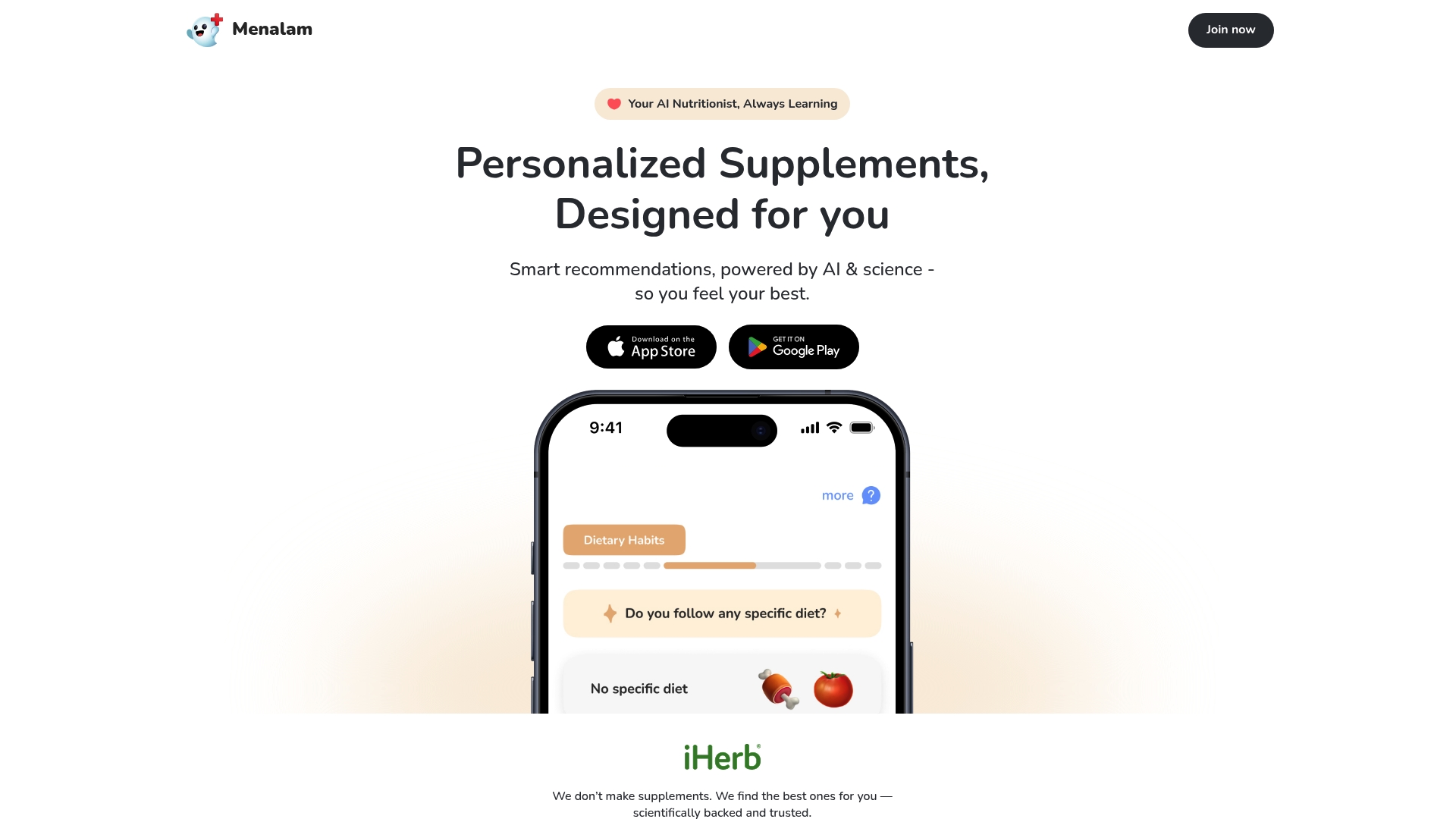
Ready to transform your health journey? Don’t settle for generic solutions! Join our community of health-conscious individuals and give yourself the advantage of data-driven nutrition. Start your journey today at Menalam and unlock the potential of tailored supplements to achieve your health goals with clarity and confidence!
Leave a Reply