
Navigating the world of dietary supplements can feel overwhelming. With over 95% of the global population experiencing health problems potentially linked to nutritional deficiencies, it’s crucial to optimize your supplement intake for better health. But here’s the catch: most people think popping a pill is enough to solve their nutritional woes. The truth is, without understanding your unique needs and making informed dietary choices, those supplements may not do much good at all.
Understanding Your Supplement Needs
Navigating the world of dietary supplements can feel overwhelming. With countless products lining store shelves and filling online marketplaces, determining which supplements you actually need requires a personalized approach. Optimizing supplement intake begins with understanding your unique nutritional requirements.
Identifying Personal Deficiencies
The foundation of effective supplementation starts with identifying specific nutritional gaps in your diet. Despite our best efforts to eat well, research suggests widespread nutritional deficiencies exist in modern populations. A 2015 study indicates over 95% of the global population experiences health problems potentially linked to nutritional deficiencies. This alarming statistic highlights why personalized assessment matters when considering supplements.
Several factors influence your individual nutrient needs:
- Dietary patterns – Restrictive diets (vegetarian, vegan, keto) may create specific deficiency risks
- Age and life stage – Nutritional requirements change dramatically across life phases
- Health conditions – Certain medical conditions alter nutrient absorption or requirements
- Activity level – Athletes and highly active individuals have increased nutritional demands
Blood testing represents the most reliable method for identifying deficiencies. Comprehensive panels can reveal shortfalls in key vitamins and minerals like vitamin D, B12, iron, and magnesium. These objective measurements provide clear direction for targeted supplementation rather than guesswork.
Evaluating Your Diet First
Before adding supplements, conduct an honest assessment of your current diet. Food should always form the foundation of your nutrition strategy. Many people rush to supplements without first optimizing their food choices—a costly and potentially ineffective approach.
Keep a detailed food journal for 1-2 weeks, recording everything you consume. Several digital apps can analyze your intake, highlighting potential nutritional gaps. This exercise often reveals surprising patterns and deficiencies.
Quality matters as much as quantity. Modern food production methods have unfortunately reduced the nutrient density of many foods. Several factors contribute to this nutritional decline:
- Soil depletion from intensive farming
- Long transport chains reducing freshness
- Processing methods that strip nutrients
- Cooking techniques that destroy heat-sensitive vitamins
These realities make supplementation a practical consideration even for those eating reasonably well.
Special Considerations for Different Life Stages
Your supplement needs vary significantly across different life phases. Pregnancy illustrates this principle perfectly. Blood levels of many vitamins, including A, C, D, K, and various B vitamins, decrease during pregnancy without proper supplementation. Dietary intake in the US often falls below recommended levels for crucial nutrients like vitamin D, choline, and DHA—nutrients vital for fetal development.
Athletes represent another group with specialized needs. Their higher energy expenditure and increased metabolic demands often require nutritional support beyond what diet alone can provide. Iron, B vitamins, calcium, vitamin D, and specific amino acids frequently need supplementation in hard-training individuals.
As we age, our ability to absorb certain nutrients naturally declines. Vitamin B12 absorption decreases with age as stomach acid production diminishes. Similarly, vitamin D synthesis through sun exposure becomes less efficient in older adults, creating a common need for supplementation.
Understanding your supplement needs isn’t a one-time assessment. Your nutritional requirements evolve with age, activity levels, health status, and dietary patterns. Regular reassessment—ideally with professional guidance—ensures your supplement regimen continues meeting your changing needs while optimizing supplement intake for maximum benefit.
Key Takeaways
| Takeaway | Explanation |
|---|---|
| Identify Personal Deficiencies | Conduct blood tests to determine specific nutritional gaps in your diet, allowing for targeted supplementation based on individual needs. |
| Prioritize Food Quality | Assess and optimize your diet first before relying on supplements, as whole foods should be the foundation of your nutrition strategy. |
| Consider Timing for Absorption | Take supplements at strategic times—fat-soluble vitamins with meals containing fat, and certain minerals separately to maximize absorption and effectiveness. |
| Select Quality Supplements | Choose supplements from reputable manufacturers that adhere to Good Manufacturing Practices and provide Certificates of Analysis to ensure ingredient purity and bioavailability. |
| Monitor Dosages and Side Effects | Stay within recommended dosages, consider potential side effects, and regularly reassess your supplement needs alongside healthcare professionals. |
Choosing Quality Supplements for Health
With thousands of supplement products flooding the market, quality varies dramatically. Optimizing supplement intake isn’t just about knowing what nutrients you need—it’s equally about selecting products that actually contain what they claim and deliver those nutrients in forms your body can use effectively.
Looking Beyond the Label Claims
The supplement industry operates with less regulatory oversight than pharmaceuticals, creating a situation where product quality can be inconsistent. Alarming research reveals this problem is more common than consumers realize. A 2013 study found many brand-name supplements contained fillers like soybeans and wheat instead of the advertised herbs. This substitution not only diminishes effectiveness but poses serious risks for individuals with allergies.
When evaluating supplement quality, consider these essential factors:
- Manufacturing standards: Look for products made in facilities certified for Good Manufacturing Practices (GMP)
- Third-party testing: Independent verification from organizations like USP, NSF, or ConsumerLab adds credibility
- Bioavailability: The form of nutrient determines how well your body can absorb and utilize it
- Ingredient transparency: Full disclosure of active and inactive ingredients indicates manufacturer integrity
Certificates of Analysis (CoA) provide the gold standard for supplement verification. These documents confirm both the identity and purity of ingredients through laboratory testing. Quality manufacturers make these certificates available upon request or directly on their websites. This transparency signals commitment to product integrity.
Understanding Bioavailability Differences
Bioavailability—how effectively your body can absorb and utilize a nutrient—varies dramatically between supplement forms. Consider vitamin B12: the cyanocobalamin form costs less to produce but requires more conversion steps in the body compared to methylcobalamin, which is readily usable. For someone with compromised digestion or certain genetic variations, this difference significantly impacts effectiveness.
Mineral supplements demonstrate even more dramatic bioavailability differences. Calcium carbonate contains more elemental calcium by weight than calcium citrate, but the citrate form absorbs better, especially for people with low stomach acid. Similarly, magnesium oxide costs less but absorbs poorly compared to magnesium glycinate or malate.
The delivery system also affects absorption. Liquid formulations typically absorb faster than capsules, which absorb faster than tablets. Time-release formulations offer advantages for certain nutrients that benefit from gradual absorption. Understanding these distinctions helps you select supplements that deliver nutrients your body can actually use.
Avoiding Common Quality Pitfalls
Supplement quality red flags include:
- Unusually low prices compared to similar products
- Excessive fillers, artificial colors, or preservatives
- Proprietary blends that mask individual ingredient amounts
- Outlandish marketing claims that sound too good to be true
Store-brand or private-label supplements from large retailers often prioritize cost-cutting over quality. While not universally problematic, these products typically invest less in quality control and ingredient sourcing. The savings often come at the expense of effectiveness.
Be particularly cautious with supplement categories that have historically faced quality issues. Herbal products, weight loss supplements, and athletic performance enhancers have repeatedly been found to contain unlisted ingredients, pharmaceutical compounds, or contaminated raw materials.
Making Informed Purchasing Decisions
Researching supplement brands before purchasing pays dividends for your health. Quality manufacturers maintain transparent practices regarding sourcing, testing, and production. Many provide educational materials explaining their quality standards rather than relying solely on marketing hype.
Consider consulting healthcare providers with specialized nutrition knowledge when selecting supplements. Registered dietitians, naturopathic doctors, and functional medicine practitioners typically stay current on supplement quality research and can recommend reputable brands.
Remember that optimizing supplement intake means prioritizing quality over quantity. A carefully selected, high-quality supplement regimen delivers better results than numerous cheaper, lower-quality products. The investment in quality supplements pays dividends through improved absorption, fewer side effects, and ultimately better health outcomes.
Best Timing for Maximum Absorption
Timing your supplements strategically can dramatically influence how effectively your body absorbs and utilizes nutrients. Optimizing supplement intake requires understanding not just what to take, but when to take it for maximum benefit. The science behind supplement timing involves complex interactions between nutrients, digestive processes, and your body’s natural rhythms.
Fat-Soluble vs. Water-Soluble Vitamins
The fundamental distinction between fat-soluble and water-soluble vitamins dictates optimal timing strategies. Fat-soluble vitamins (A, D, E, and K) require dietary fat for proper absorption. Taking these supplements with your largest meal of the day—typically containing sufficient fat—significantly enhances absorption rates.
Water-soluble vitamins (B complex and vitamin C) dissolve readily in water and don’t require dietary fat. However, they generally absorb better with food, which slows their transit through the digestive system and allows more time for absorption. These vitamins also exit the body more quickly, making timing more critical.
Consider vitamin C as an example of strategic timing. Because it remains in your system for only a few hours, spreading your intake throughout the day maintains more consistent blood levels than taking a single large dose. Many practitioners recommend dividing vitamin C into 2-3 smaller doses taken with meals.
Minerals and Meal Timing
Minerals present unique timing considerations due to their potential interactions with other nutrients and compounds. Iron supplements, for instance, absorb best on an empty stomach. However, they often cause digestive discomfort, leading many people to take them with food despite reduced absorption.
Calcium and magnesium compete for absorption when taken together in significant amounts. For those requiring both supplements, separating them by at least two hours improves overall absorption. Additionally, calcium absorption improves when split into doses not exceeding 500mg at one time.
Zinc supplements absorb best when taken at least two hours away from foods high in phytates (whole grains and legumes), which can bind to zinc and prevent absorption. Taking zinc supplements with a protein-rich meal enhances absorption while minimizing potential stomach irritation.
Circadian Rhythm Considerations
Your body’s natural circadian rhythm—the internal biological clock regulating numerous physiological processes—influences nutrient absorption and utilization throughout the day. Research increasingly suggests aligning supplement timing with these natural rhythms can optimize effectiveness.
Energizing supplements like B vitamins perform best when taken in the morning, aligning with your body’s natural energy production cycle. Conversely, magnesium and some herbal supplements with calming properties support sleep cycles when taken in the evening hours.
Probiotics represent another timing-sensitive supplement. Taking them approximately 30 minutes before meals provides the best environment for these beneficial bacteria to survive stomach acid and reach the intestines where they function. Morning consumption often works well because stomach acid levels tend to be lower after the overnight fast.
Medication Interactions and Timing
Prescription medications add another layer of complexity to supplement timing. Many medications interact with specific nutrients, either reducing the drug’s effectiveness or impairing nutrient absorption. Common examples include:
- Thyroid medications generally require taking on an empty stomach, at least 30-60 minutes before supplements containing calcium, iron, or magnesium
- Oral antibiotics often interact with minerals like calcium, requiring separation by 2-4 hours
- Blood pressure medications may interact with potassium supplements, necessitating careful timing coordination
If you take multiple medications, creating a comprehensive timing chart helps prevent unwanted interactions while ensuring optimal absorption of both medications and supplements.
Practical Timing Strategies
Developing a practical supplement timing strategy must balance optimal absorption with realistic daily routines. Most people find success by anchoring supplement timing to established daily habits like meals or brushing teeth. This approach improves consistency—the most important factor for long-term benefit.
For complex regimens involving multiple supplements, consider using a pill organizer with designated time slots. This approach prevents missed doses while ensuring proper spacing between potentially competing nutrients. Digital reminder apps can further support adherence to optimal timing schedules.
Remember that optimizing supplement intake through timing represents just one aspect of an effective supplementation strategy. Even perfectly timed supplements yield limited benefits if the products lack quality or don’t address your specific nutritional needs. Combine strategic timing with quality products tailored to your requirements for truly optimized supplementation.
Integrating Supplements With Daily Meals
The relationship between supplements and food is more complex than many realize. Optimizing supplement intake requires thoughtful integration with your daily meals to enhance absorption, prevent interactions, and maximize nutritional benefits. Adopting a strategic approach to combining supplements with your diet can significantly impact their effectiveness.
The “Food First” Foundation
Before discussing supplement integration, it’s important to establish a fundamental principle: supplements should complement, not replace, a nutritious diet. Research from the Japan High Performance Sport Center emphasizes a “meal first” strategy, advocating that whole food nutrition should take priority over supplements for optimal health. This approach provides multiple benefits including comprehensive nutrient intake, positive psychological effects, and the health benefits of proper chewing and digestion.
Supplements work best when addressing specific gaps in an already balanced diet. Consider them precision tools for nutritional fine-tuning rather than shortcuts around dietary fundamentals. This mindset helps frame effective integration strategies that complement your nutritional foundation.
Strategic Pairing for Enhanced Absorption
Certain supplements and foods create powerful synergies when consumed together. These pairings can dramatically increase nutrient bioavailability—how much of a nutrient your body can actually absorb and utilize. Understanding these relationships allows you to orchestrate meals that maximize supplement effectiveness.
Vitamin D and calcium represent a classic example of beneficial pairing. Vitamin D significantly enhances calcium absorption in the intestines. Consuming these nutrients together—whether through supplements or through vitamin D supplements with calcium-rich foods—creates better outcomes than taking either alone.
Turmeric supplements containing curcumin absorb poorly when taken by themselves. However, combining them with black pepper (which contains piperine) can increase absorption by up to 2,000%. Many quality turmeric supplements include black pepper extract, but you can enhance absorption further by taking the supplement alongside a meal containing healthy fats and black pepper.
Iron-rich foods or supplements pair effectively with vitamin C, which converts iron into a more absorbable form. Something as simple as taking your iron supplement with a glass of orange juice or eating vitamin C-rich foods at the same meal can significantly improve iron absorption.
Avoiding Antagonistic Combinations
Just as some nutrients work synergistically, others compete or interfere with each other when taken simultaneously. These antagonistic relationships can drastically reduce absorption and effectiveness.
Coffee and tea contain compounds that bind to many minerals, including iron, zinc, and calcium, reducing their absorption by up to 80%. Separating your mineral supplements from your morning coffee or tea by at least an hour helps prevent this interaction.
High-fiber foods can reduce the absorption of many minerals by binding to them in the digestive tract. While fiber remains essential for health, separating fiber-rich meals from your mineral supplements by 1-2 hours improves absorption rates.
Calcium can interfere with both iron and zinc absorption when taken in large amounts at the same meal. If you require supplements for multiple minerals, consider spreading them across different meals throughout the day rather than taking them all at once.
Practical Meal Integration Strategies
Incorporating supplements into your daily meal pattern requires balancing optimal absorption with practical convenience. Here are workable strategies for different supplement categories:
- Morning with breakfast: Multivitamins, B-complex vitamins, vitamin D, fish oil
- Mid-day with lunch: Antioxidants, vitamin C, enzymes
- Evening with dinner: Minerals like magnesium, calcium, zinc
- Before bed (away from food): Specialized sleep supplements, probiotics
For those taking multiple supplements, organize them into logical groupings based on how they interact with food and with each other. Use clear containers or pill organizers designated for specific mealtimes to simplify your routine.
Remember that consistency matters more than perfect timing. A supplement taken regularly with slightly suboptimal timing will generally provide more benefit than one taken sporadically with perfect timing. Develop routines you can maintain long-term.
Customizing for Your Dietary Pattern
Your specific dietary approach influences how you should integrate supplements. People following plant-based diets may need more strategic supplementation of nutrients like B12, iron, zinc, and omega-3s. Integrating these supplements requires particular attention to absorption enhancers since plant foods often contain compounds that can inhibit mineral absorption.
Intermittent fasting presents unique challenges for supplement integration. Fat-soluble vitamins and most minerals absorb better with food, potentially conflicting with fasting windows. Consider taking most supplements during your eating window, while recognizing that certain supplements like branch chain amino acids might be specifically used during fasting periods depending on your goals.
Keto or low-carb diets typically increase fat consumption, potentially enhancing absorption of fat-soluble vitamins. However, these diets may alter mineral requirements, particularly electrolytes like sodium, potassium, and magnesium. Integrating electrolyte supplements throughout the day becomes especially important when following ketogenic approaches.
Optimizing supplement intake through thoughtful meal integration transforms supplements from random additions to strategic nutritional tools that work in harmony with your diet, enhancing overall nutritional status and supporting your health goals.
Safe Dosage and Side Effects Management
Determining appropriate supplement dosages is a critical aspect of optimizing supplement intake. While supplements can provide significant health benefits when used correctly, exceeding recommended amounts can lead to adverse effects ranging from mild discomfort to serious health complications. Understanding safe dosage ranges and managing potential side effects ensures you maximize benefits while minimizing risks.
Understanding Upper Limits vs. Recommended Doses
For most nutrients, there’s an important distinction between recommended daily allowances (RDAs) and tolerable upper intake levels (ULs). The RDA represents the amount sufficient to meet the requirements of nearly all healthy individuals. The UL, in contrast, indicates the maximum daily intake unlikely to cause adverse health effects.
The gap between these values varies dramatically depending on the nutrient. Research shows vitamins E and C have relatively wide safety margins, with no consistent pattern of adverse effects from vitamin E supplements up to 1600 IU and vitamin C supplements up to 2000 mg/day for most adults. Other nutrients, particularly minerals like iron, copper, and selenium, have much narrower safety margins, where exceeding the UL by even small amounts can lead to toxicity.
When determining your supplement dosage, consider these factors:
- Your current dietary intake of the nutrient
- Individual factors affecting your requirements (age, sex, health conditions)
- Potential interactions with medications
- The bioavailability of the specific supplement form
Consult healthcare professionals for personalized guidance, especially when considering doses near or above established ULs.
Common Side Effects and Management Strategies
Even when taken within recommended dosages, supplements can sometimes cause side effects. Digestive symptoms rank among the most common complaints, particularly with certain vitamins and minerals.
Gastrointestinal issues like nausea, stomach pain, or diarrhea frequently occur with iron, zinc, and magnesium supplements. Taking these supplements with food often reduces digestive discomfort, though this may slightly decrease absorption for some minerals. Time-release formulations can also help by preventing high concentrations from reaching the digestive tract at once.
High-dose vitamin C commonly causes loose stools when the body’s tissues become saturated, and unabsorbed vitamin C creates an osmotic effect in the intestines. This typically resolves by reducing dosage or dividing the total amount into smaller doses taken throughout the day.
Headaches sometimes occur with certain B vitamins, particularly niacin (B3), which can also cause the “niacin flush”—a temporary but sometimes uncomfortable skin reddening and warming sensation. Modified release forms of niacin help reduce this effect, as does gradually increasing dosage over time.
Proper hydration plays a key role in minimizing many supplement side effects. Drinking sufficient water helps your body process supplements efficiently and reduces the risk of digestive discomfort.
Special Considerations for Fat-Soluble Vitamins
Fat-soluble vitamins (A, D, E, and K) require special attention regarding dosage and safety. Unlike water-soluble vitamins, which the body can excrete easily when taken in excess, fat-soluble vitamins accumulate in body tissues, potentially reaching toxic levels over time.
Vitamin A presents perhaps the greatest risk among fat-soluble vitamins. Chronic overconsumption can lead to hair loss, dry skin, liver damage, and even increased fracture risk. Pregnant women must be particularly cautious, as excessive vitamin A can cause birth defects. The safer beta-carotene form (provitamin A) has lower toxicity risk as the body regulates its conversion to vitamin A.
Vitamin D toxicity, while rare, can occur with prolonged high-dose supplementation, leading to elevated blood calcium levels that may damage kidneys and heart. Regular blood testing helps ensure vitamin D supplementation achieves optimal levels without approaching toxic ranges.
Monitoring for Supplement Effects
Proactive monitoring helps detect potential issues before they become serious problems. Consider these strategies:
- Keep a supplement journal recording dosages, timing, and any observed effects
- Schedule appropriate laboratory testing to monitor levels of nutrients like vitamin D, iron, or B12
- Perform periodic “supplement holidays” to reassess your body’s response without certain supplements
- Stay alert to subtle changes in how you feel that might indicate adverse effects
For complex supplement regimens, particularly those including herbs or specialized compounds, working with healthcare providers familiar with nutritional supplementation provides valuable oversight. They can recommend appropriate monitoring protocols based on your specific supplement program.
Long-Term Safety Considerations
Long-term supplement use requires periodic reassessment. Nutritional needs change throughout life due to aging, health status changes, medication adjustments, and other factors. What works well at one life stage may require modification later.
Some supplements safe for short-term use may present risks with prolonged administration. Others may gradually build to therapeutic levels over weeks or months. Regularly reviewing your supplement regimen with knowledgeable healthcare providers ensures it continues meeting your needs safely.
Consider also the quality of evidence supporting long-term use. Some supplements have extensive research supporting decades of continuous use, while others have primarily short-term studies. This distinction matters when planning extended supplementation strategies.
Optimizing supplement intake means finding the dosage that provides maximum benefit with minimum risk—the therapeutic sweet spot where your nutritional needs are met without introducing new problems through excessive intake.
Frequently Asked Questions
What are the most common nutritional deficiencies that supplements can help address?
Many people experience deficiencies in key vitamins and minerals such as vitamin D, B12, iron, and magnesium. Identifying personal deficiencies through blood tests can guide proper supplementation.
How should I prioritize my diet before relying on supplements?
It’s essential to assess and optimize your diet first. Whole foods should be the foundation of your nutrition strategy. Keeping a food journal can help identify any nutritional gaps that supplements may later address.
When is the best time to take supplements for maximum absorption?
Fat-soluble vitamins should be taken with meals containing fat, while water-soluble vitamins generally absorb better with food. Timing can also depend on specific minerals, so it’s best to space them according to absorption needs.
How do I know if a supplement is of high quality?
Choose supplements from reputable manufacturers that adhere to Good Manufacturing Practices (GMP) and provide Certificates of Analysis (CoA). Look for third-party testing for added credibility.
Discover Your Personalized Path to Optimal Health!
Feeling overwhelmed by the myriad of supplements available? You’re not alone. As highlighted in our article on “Optimizing Supplement Intake: Simple Tips for Better Health,” identifying personal deficiencies and selecting the right supplements is critical for enhancing your wellness journey. Daily choices, dietary patterns, and life stages all influence your nutrient needs, but determining the right approach can often feel like navigating a maze.
Luckily, Menalam is here to guide you! Think of us as your digital nutritionist, providing personalized supplement recommendations based on your unique health profile. Want to bounce back from fatigue? Need to boost your workout recovery? Complete our quick health quiz, and let us pinpoint the vitamins and supplements that can make a real difference for you. Plus, with our innovative mobile app, you can easily track your supplement intake and monitor your health progress—all with smart reminders to keep you on track.
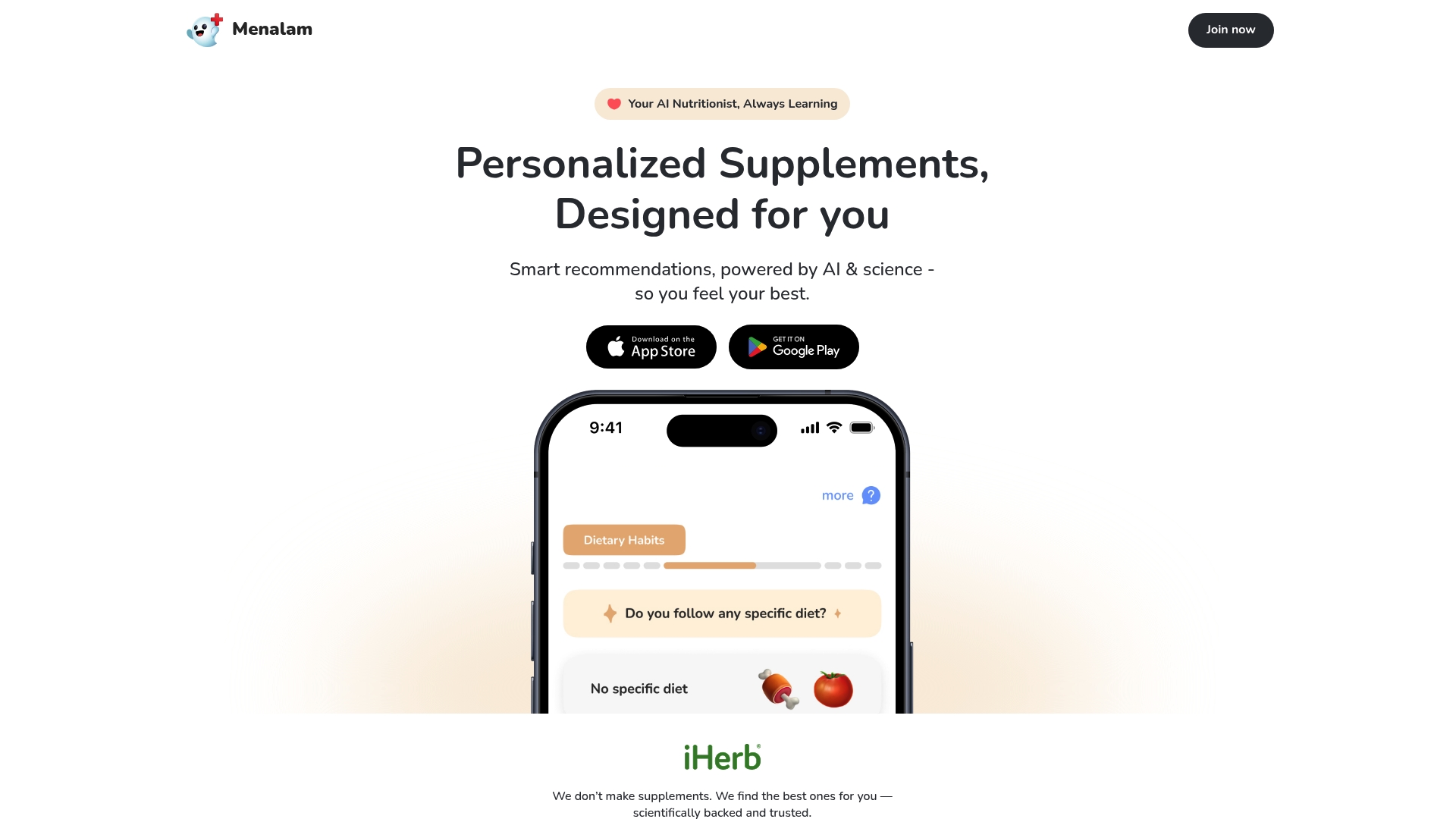
Don’t leave your health to chance. Transform your supplement journey today! Click here to visit Menalam and take the first step toward personalized nutrition solutions designed just for you. Optimize your health now and feel the difference—your balanced, energized self awaits!
Leave a Reply