

Supplements have become essential for many health-conscious individuals. In fact, dietary supplement use has significantly increased globally over the past two decades, particularly during the COVID-19 pandemic. But here’s the twist: while we often think of them as quick fixes, their real power lies in their ability to complement a balanced diet. The most surprising part is that the right integration of supplements can lead to transformative health benefits.
Understanding the Basics of Supplements
Dietary supplements have become a staple in many health regimens, but what exactly are they, and how do they fit into a balanced approach to nutrition? Before learning how to integrate supplements effectively, it’s essential to understand what they are and their purpose in supporting overall health.
What Are Dietary Supplements?
Dietary supplements are products designed to supplement the diet by providing nutrients that might otherwise be consumed in insufficient quantities. These products typically come in various forms, including pills, capsules, tablets, powders, and liquids. They contain one or more dietary ingredients such as vitamins, minerals, herbs, botanicals, amino acids, or enzymes.
Unlike medications, supplements aren’t intended to treat, diagnose, prevent, or cure diseases. Instead, they serve as complementary additions to your diet, helping fill nutritional gaps that might exist in your regular food intake. According to research published in the Journal of Nutrients, dietary supplement use has significantly increased globally over the past two decades, with a further boost observed during the COVID-19 pandemic.
Dr. Elizabeth Mayer-Davis, Chair of the Department of Nutrition at the University of North Carolina, explains, “Supplements should complement a healthy diet, not replace it. They’re meant to supplement nutritional intake, not serve as primary sources of essential nutrients.”
The Role of Supplements in Nutrition
Supplements play several important roles in supporting nutritional health:
- Filling nutritional gaps when dietary intake is insufficient
- Supporting specific health conditions where additional nutrients may be beneficial
- Meeting increased nutritional needs during certain life stages or circumstances
- Providing concentrated forms of beneficial compounds found in foods
While a well-balanced diet should be the foundation of good nutrition, there are legitimate reasons why someone might benefit from supplementation. Certain populations, including pregnant women, older adults, those with food allergies or restrictive diets, and individuals with specific health conditions, often have nutritional needs that are challenging to meet through diet alone.
Distinguishing Between Types of Supplements
The world of nutritional supplementation encompasses several categories worth understanding:
Macronutrient supplements provide proteins, carbohydrates, or fats. Protein powders, weight gainers, and essential fatty acid supplements fall into this category.
Micronutrient supplements deliver vitamins and minerals essential for bodily functions. These include multivitamins, individual vitamins (like D or B12), and minerals (like calcium or iron).
Phytonutrient supplements contain plant compounds with potential health benefits, such as antioxidants, flavonoids, and carotenoids. Examples include turmeric (curcumin), resveratrol, and quercetin supplements.
Functional supplements target specific bodily systems or functions. Probiotics support gut health, while joint supplements may contain glucosamine and chondroitin.
Understanding these distinctions helps in making informed decisions about which supplements might be appropriate for your specific needs. It’s important to remember that supplements exist on a spectrum of evidence regarding their effectiveness. While some have substantial research supporting their benefits, others have limited or inconclusive evidence.
As you learn more about how to integrate supplements into your health routine, keep in mind that they should complement—not replace—a nutritious diet. The foundation of good health remains a balanced diet rich in whole foods, adequate hydration, regular physical activity, and sufficient sleep.
Key Takeaways
| Takeaway | Explanation |
|---|---|
| Understanding Your Needs is Essential | Assess your nutritional needs based on factors like age, activity level, and dietary patterns. Keep a food journal to identify gaps that supplements might fill. |
| Quality Over Quantity | Choose supplements that have undergone third-party testing and come from reputable manufacturers to ensure safety and efficacy. |
| Proper Timing and Dosage Matters | Taking supplements at optimal times and in appropriate doses enhances their absorption and effectiveness. For instance, fat-soluble vitamins should be taken with food. |
| Monitor and Adjust Regularly | Establish baseline health metrics and track supplement effects with a journal or apps. Periodic reassessment allows for informed adjustments to your regimen as your needs change. |
| Complement, Don’t Replace | Supplements should support, not replace, a nutrient-rich diet. Prioritize whole foods while using supplements to address specific deficiencies or health concerns. |
Choosing the Right Supplements for Health
Selecting appropriate supplements can feel overwhelming with thousands of products lining store shelves and flooding online marketplaces. Understanding how to integrate supplements effectively begins with knowing how to choose the right ones for your specific health needs and circumstances.
Assessing Your Nutritional Needs
Before adding any supplement to your regimen, it’s crucial to identify your actual nutritional needs. This assessment should be your first step in determining which supplements might benefit you.
Your nutritional requirements are influenced by numerous factors including age, biological sex, activity level, existing health conditions, medications, and dietary patterns. For instance, vegetarians and vegans might benefit from vitamin B12 supplementation, while those with limited sun exposure may need vitamin D.
A thoughtful approach involves first examining your diet. Keep a food journal for a week to track your typical intake. This simple practice can reveal patterns and potential nutritional gaps that supplements might address. Many people discover they’re not consuming adequate amounts of certain nutrients through this exercise alone.
For a more precise assessment, consider consulting with healthcare professionals. According to Stanford Longevity Center, “The supplement industry lacks rigorous external oversight, meaning consumers must carefully assess a supplement’s need and proven efficacy before use.” Blood tests can reveal deficiencies that might otherwise go unnoticed, providing objective data to inform your supplement choices.
Evaluating Supplement Quality and Safety
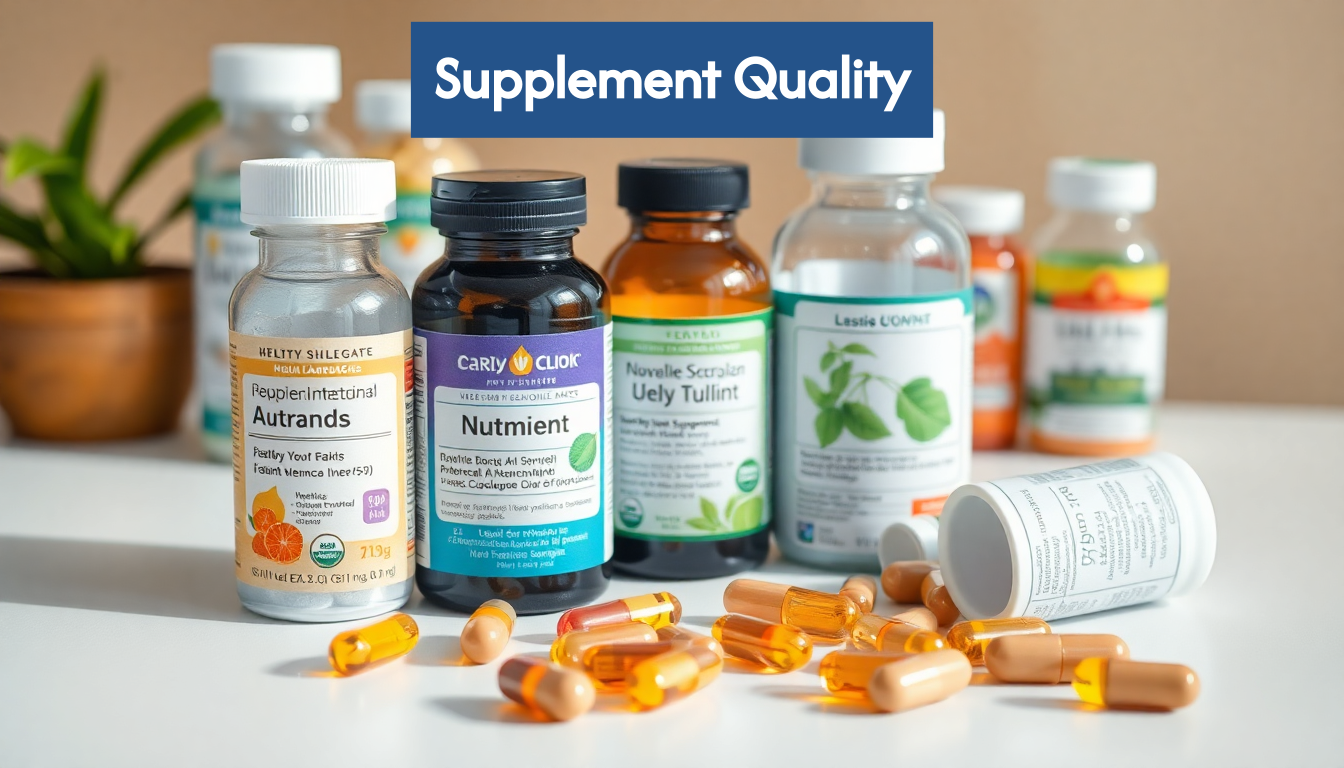
Not all supplements are created equal. The quality and safety of supplements vary dramatically across brands and products. When selecting supplements, consider these quality indicators:
-
Third-party testing: Look for certifications from organizations like USP (United States Pharmacopeia), NSF International, or ConsumerLab. These independent bodies verify that products contain what they claim and are free from harmful contaminants.
-
Manufacturer reputation: Research the company producing the supplement. Established manufacturers with transparent practices often provide higher-quality products.
-
Form and bioavailability: Consider the form of the supplement, as this affects how well your body can absorb and use it. For example, chelated minerals are typically more bioavailable than inorganic mineral salts.
-
Ingredient sourcing: Quality supplements will provide information about where and how their ingredients are sourced. Natural sources are often preferred over synthetic ones for certain nutrients.
Dr. Sarah Jenkins, a clinical nutritionist, advises, “Read the ingredient list carefully. Avoid supplements with unnecessary fillers, artificial colors, or preservatives. Fewer ingredients often signal a cleaner product.”
Evidence-Based Supplement Selection
The scientific evidence supporting various supplements ranges from robust to virtually nonexistent. When choosing supplements, prioritize those with substantial research backing their efficacy for your specific health concerns.
For general health, several supplements have stronger evidence bases:
Vitamin D has well-documented benefits for bone health, immune function, and mood regulation. Many people, especially those living in northern climates or spending limited time outdoors, have insufficient levels.
Omega-3 fatty acids from fish oil or algal sources have been extensively studied for their cardiovascular and anti-inflammatory benefits.
Magnesium plays a role in hundreds of biochemical reactions and is commonly deficient in modern diets. Research supports its use for various conditions including muscle function, stress management, and sleep quality.
Probiotics have growing evidence supporting their role in gut health, immune function, and even mental health through the gut-brain axis.
When researching supplements, be wary of exaggerated claims. If something sounds too good to be true, it likely is. Look for realistic benefits supported by peer-reviewed studies rather than anecdotal reports or manufacturer claims alone.
Tailoring Supplements to Life Stages and Conditions
Your supplement needs evolve throughout life and may change with specific health conditions. Understanding these variations helps in making appropriate choices:
Pregnant or breastfeeding women typically need additional nutrients like folate, iron, calcium, and DHA. Specially formulated prenatal vitamins address these increased demands.
Aging adults often benefit from supplements supporting bone density, joint health, and cognitive function. Calcium, vitamin D, glucosamine, and phosphatidylserine are commonly recommended.
Athletes and active individuals may require additional support for muscle recovery, energy production, and immune function. Protein, creatine, BCAAs, and electrolytes are popular in this category.
Those with chronic conditions should be particularly careful with supplement selection, as certain supplements may interact with medications or affect disease processes. Always consult healthcare providers before adding supplements if you have underlying health issues.
Remember that supplements should complement a nutritious diet rather than replace it. The foundation of health remains whole foods, but thoughtfully selected supplements can address specific needs when diet alone isn’t sufficient.
Integrating Supplements into Daily Diet
Once you’ve identified which supplements might benefit your health, the next step is effectively incorporating them into your daily routine. How to integrate supplements successfully involves more than just remembering to take them—timing, combination strategies, and consistency all play crucial roles in maximizing their benefits.
Creating a Supplement Schedule
A well-designed supplement schedule significantly improves consistency and effectiveness. Start by grouping your supplements according to when they’re best absorbed and how they interact with each other and with food.
Some supplements work best when taken with meals. Fat-soluble vitamins (A, D, E, and K) require dietary fat for optimal absorption, making mealtime ideal for these nutrients. Similarly, many minerals like iron and calcium are better absorbed with food, though not necessarily together, as they can compete for absorption.
Other supplements perform better on an empty stomach. Probiotics, for instance, may survive stomach acid better when taken 30 minutes before eating or at least two hours after a meal. Some B vitamins might also be better absorbed without food.
Consider creating a simple chart or using a pill organizer with morning, afternoon, and evening compartments. This visual system reduces the mental load of remembering what to take when and helps track whether you’ve taken your supplements each day.
Dr. Michael Roizen, Chief Wellness Officer at Cleveland Clinic, suggests, “Think of your supplement routine like brushing your teeth—make it a non-negotiable part of your daily habits by linking it to existing routines like breakfast or bedtime.”
Maximizing Absorption and Efficacy
Simply swallowing supplements doesn’t guarantee your body will effectively use them. Several strategies can enhance absorption and efficacy:
Timing considerations: Beyond taking supplements with or without food, certain nutrients have specific timing requirements. Iron supplements, for example, should not be taken with coffee, tea, or calcium, as these can inhibit absorption. Magnesium and calcium supplements often work best when taken in the evening, potentially supporting sleep quality.
Synergistic combinations: Some nutrients work better together. Vitamin D enhances calcium absorption, while vitamin C improves iron uptake. A study published in Nutrients found that long-term users of multiple dietary supplements often show more favorable biomarkers than single-supplement users, suggesting potential synergistic effects when supplements are thoughtfully combined.
Potential antagonistic interactions: Just as some nutrients work better together, others can interfere with each other. Zinc and copper compete for absorption, as do calcium and magnesium when taken in large amounts simultaneously. Space these supplements apart by at least two hours when possible.
Proper storage: Protect your supplements’ potency by storing them according to package instructions. Most supplements should be kept in cool, dry places away from direct sunlight. Some, like probiotics or fish oil, may require refrigeration.
Balancing Supplements with Whole Foods
Supplements should complement—never replace—a nutrient-rich diet. The term “supplement” itself indicates these products are designed to add to your nutrition, not serve as its foundation.
Whole foods provide complex matrices of nutrients that work together in ways science is still discovering. They offer fiber, phytonutrients, enzymes, and thousands of beneficial compounds that supplements typically don’t contain.
Consider these strategies for balancing supplements with food:
- Focus first on increasing nutrient-dense foods in your diet before turning to supplements
- Use supplements to address specific deficiencies or health concerns rather than as a broad replacement for proper nutrition
- Gradually adjust your eating patterns to include more diverse food sources of essential nutrients
- Track both your supplement intake and dietary patterns to identify redundancies or gaps
Registered dietitian Lisa Drayer explains, “Think of supplements as supporting actors, while whole foods are the stars of your nutritional show. Supplements can help, but they can’t compensate for poor eating habits.”
Practical Integration Strategies
Successful supplement integration often comes down to practical implementation strategies:
Start gradually: If you’re new to supplements, begin with just one or two that address your most pressing needs, then slowly add others as needed. This approach allows you to observe how each affects you individually.
Use technology: Numerous apps can remind you to take supplements and track your consistency. Some even provide information about optimal timing and potential interactions.
Travel preparation: Don’t let travel disrupt your supplement routine. Use pill organizers or small containers to pre-portion your supplements when away from home.
Meal pairing: Associate specific supplements with particular meals or foods. For example, always take your omega-3 supplement with breakfast or your calcium with dinner.
Visual cues: Place your morning supplements near your coffee maker or toothbrush, and evening supplements on your nightstand to serve as visual reminders.
Consistent, thoughtful integration of supplements into your daily diet maximizes their potential benefits while minimizing waste (both financial and nutritional). Remember that proper supplementation is highly individual—what works for someone else may not be optimal for you. Regular reassessment of your supplement regimen, ideally with healthcare provider input, ensures it continues to meet your evolving health needs.
Timing and Dosage Best Practices
The effectiveness of nutritional supplements doesn’t solely depend on which ones you take—when you take them and in what quantities can significantly impact their benefits. Understanding timing and dosage best practices is crucial when learning how to integrate supplements into your routine effectively.
Optimal Timing for Different Supplements
Taking supplements at the right time can enhance their absorption and effectiveness. While individual needs may vary, certain patterns have emerged through research:
Morning supplements typically include those that might affect energy or wakefulness. Vitamin B complex, which plays a role in energy metabolism, is often recommended early in the day. Similarly, vitamin D, which mimics the body’s natural response to sunlight, may be better suited for morning consumption.
Mealtime supplements include those requiring dietary fat for absorption. All fat-soluble vitamins (A, D, E, and K) fall into this category. Many minerals also show improved absorption when taken with food, as stomach acid helps break them down. Digestive enzymes should be taken right before meals to aid in the digestion process.
Evening supplements often include those with calming effects or those supporting overnight recovery. Magnesium, known for its relaxing properties, is frequently recommended before bedtime. Calcium can also be taken in the evening, as the body performs much of its bone remodeling during sleep.
Dr. Robert Wilson, a clinical nutritionist at Northwestern University, explains, “The body’s circadian rhythms affect how we process nutrients. Aligning supplement intake with these natural rhythms can optimize their effectiveness.”
Understanding Appropriate Dosages
Determining the right dosage for supplements requires balancing efficacy with safety. Several guidelines can help you navigate this important aspect:
Recommended Dietary Allowances (RDAs) provide baseline guidance for many nutrients. However, these are designed to prevent deficiency in healthy individuals, not necessarily to optimize health or address specific conditions.
Tolerable Upper Intake Levels (ULs) indicate the maximum daily amount unlikely to cause adverse health effects. Staying below these thresholds is particularly important for fat-soluble vitamins and certain minerals that can accumulate in the body.
Individualized dosing may be necessary based on your specific health status, age, weight, and genetic factors. For instance, someone with severe vitamin D deficiency might temporarily require doses exceeding the RDA under medical supervision.
A useful framework includes starting with the recommended dose on the product label, which typically reflects either the RDA or amounts used in clinical studies. Monitor how your body responds over several weeks before considering adjustments, and consult healthcare providers before significantly increasing dosages.
Managing Missed Doses
Consistency is key with supplements, but even the most dedicated users occasionally miss doses. Having a plan for these situations prevents unnecessary stress and maintains the benefits of your supplement regimen.
For most supplements, if you miss a dose, take it as soon as you remember—unless it’s nearly time for your next scheduled dose. In that case, skip the missed dose and resume your regular schedule. Double-dosing to “catch up” is generally not recommended for most supplements, as it may exceed tolerable upper limits.
According to research on medication adherence, non-adherence to prescribed regimens leads to substantial preventable healthcare costs and adverse outcomes. While this research focuses on medications, the principle applies to supplements as well—consistent use optimizes benefits.
For supplements with cumulative effects, such as vitamin D or omega-3 fatty acids, occasional missed doses have minimal impact on long-term outcomes. These supplements build up in body tissues over time, creating a buffer against short gaps in supplementation.
Cycling and Pulsing Strategies
Some supplements may benefit from periodic breaks or cycling strategies rather than continuous use. This approach can prevent tolerance, maximize effectiveness, and give the body’s natural systems a chance to function independently.
Cycling involves taking a supplement for a predetermined period, followed by a break before resuming. For example, some adaptogenic herbs like ashwagandha might be taken for 6-8 weeks, followed by a 2-week break.
Pulsing utilizes varying dosages throughout a cycle, such as gradually increasing the dose, maintaining a peak level, then tapering down before taking a break.
Seasonal adjustments recognize that nutritional needs change throughout the year. Vitamin D supplementation might be more important during winter months with less sunlight, while additional electrolytes might be necessary during hot summer months with increased sweating.
Dr. Emily Chang, functional medicine practitioner, notes, “The body isn’t static, and neither should be our approach to supplementation. Periodic reassessment and adjustment honor the body’s changing needs and responses.”
Personalizing Your Approach
While general guidelines provide a starting point, personalizing your supplement timing and dosage yields the best results. Consider these factors when refining your approach:
Bioindividuality recognizes that each person’s biochemistry is unique. Your optimal supplement protocol may differ from someone else’s based on genetic variations, gut microbiome composition, and metabolic factors.
Lifestyle patterns affect when supplements are most convenient and effective. Night shift workers, for instance, may need to adjust traditional timing recommendations to align with their sleep-wake cycles.
Medication interactions must be considered when establishing supplement timing. Some supplements may enhance or interfere with medications, necessitating careful spacing.
Regular testing provides objective data on how your supplement regimen affects your health markers. Periodic blood work can reveal whether dosages need adjustment based on your body’s response.
The most effective approach to timing and dosage combines scientific guidelines with attentive observation of your body’s responses. By treating your supplement regimen as a dynamic, evolving practice rather than a static protocol, you’ll maximize benefits while minimizing potential downsides.
Tracking Benefits and Making Adjustments
Successful supplement integration requires more than just consistent consumption—it demands thoughtful monitoring and periodic reassessment. Learning how to integrate supplements effectively means developing a system to track their impact and make necessary adjustments based on observed results.
Establishing a Baseline
Before you can accurately measure the benefits of your supplement regimen, you need to establish a clear baseline of your current health status. This initial assessment provides the reference point against which all future progress will be measured.
Start by documenting your primary health concerns or goals that prompted you to consider supplements. Whether you’re addressing specific symptoms, supporting general wellness, or targeting athletic performance, clearly define what success would look like for you.
Consider collecting objective data through appropriate testing. Depending on your health goals, this might include:
- Blood tests measuring nutrient levels, inflammatory markers, or hormones
- Body composition measurements
- Blood pressure and heart rate readings
- Sleep quality metrics
- Energy level assessments
Dr. Thomas Guilliams, an expert in functional medicine, emphasizes, “Without baseline measurements, it’s nearly impossible to objectively evaluate whether your supplement regimen is delivering the intended benefits or requires modification.”
In addition to objective measures, document subjective factors like energy levels, mood patterns, digestive comfort, and any symptoms you’re experiencing. Rate these on a simple scale (1-10) to make future comparisons more meaningful.
Methods for Tracking Supplement Effects
Once you’ve established your baseline, implement a systematic approach to monitoring the effects of your supplement regimen:
Journal tracking provides a simple yet effective method. Maintain a dedicated health journal documenting daily supplement intake, any observed effects, changes in symptoms, energy levels, and other relevant observations. This chronological record helps identify patterns that might otherwise go unnoticed.
Digital tracking apps offer more sophisticated options. Numerous health apps allow you to log supplement intake, symptoms, and biometric data while providing visualization tools to spot trends. Some even send reminders to take supplements and schedule periodic reassessments.
Regular testing provides objective data on how supplements are affecting your internal biochemistry. Depending on your goals, consider scheduling follow-up blood work or other relevant tests at 3-6 month intervals to measure changes in key health markers.
Symptom surveys completed at regular intervals (perhaps monthly) help quantify subjective improvements. Create a simple questionnaire addressing your specific health concerns with numerical ratings, then compare responses over time to track progress.
Whatever tracking method you choose, consistency is key. Set calendar reminders for regular check-ins with yourself about how your supplement regimen is working.
Evaluating Effectiveness
After establishing baseline measures and implementing a tracking system, you’ll need a framework for evaluating whether your supplements are delivering the desired benefits:
Timeframe considerations vary by supplement and health goal. Some effects, like improved digestion from digestive enzymes, may be noticeable within days. Others, such as the benefits of omega-3 fatty acids on inflammation markers, might take months to fully manifest. Research appropriate timeframes for your specific supplements and adjust your expectations accordingly.
Distinguishing correlation from causation requires careful analysis. When you notice improvements, consider whether they truly stem from your supplements or might result from other lifestyle changes or natural healing processes. Similarly, new symptoms might relate to supplements or could have entirely different causes. Temporarily discontinuing a supplement and observing any changes (with healthcare provider approval) can help clarify cause-and-effect relationships.
Cost-benefit evaluation weighs the observed benefits against the financial investment and any side effects. Even modestly effective supplements might be worth continuing if they’re affordable and well-tolerated, while expensive options should deliver proportionately greater benefits.
Remember that supplement effects often manifest subtly rather than dramatically. Look for gradual improvements in your tracked metrics rather than expecting overnight transformation.
Making Evidence-Based Adjustments
The data you collect through consistent tracking enables informed decisions about adjusting your supplement regimen:
Dosage refinement may be necessary based on your body’s response. If you’re seeing positive but insufficient effects, a modest increase in dosage might help—though always stay within safe limits and consult healthcare providers before significant changes. Conversely, if you’re experiencing optimal benefits, you might experiment with reducing dosage to find the minimum effective amount.
Timing optimization can enhance effectiveness even without changing what or how much you take. Based on your tracking, you might discover that taking certain supplements at different times of day improves their effectiveness or reduces side effects.
Formula modifications involve switching to different forms of the same nutrient or to combination products that better align with your needs. For example, if standard magnesium supplements cause digestive discomfort, you might try a different form like magnesium glycinate, which is often better tolerated.
Strategic discontinuation of ineffective supplements prevents unnecessary expense and supplement burden. If tracking reveals no meaningful benefits after an appropriate trial period, consider phasing out that supplement and potentially redirecting resources toward options with better evidence for your specific needs.
The Ongoing Cycle of Refinement
Supplement integration is not a one-time process but an ongoing cycle of assessment, implementation, tracking, and refinement. Your body’s needs change over time based on aging, lifestyle shifts, seasonal variations, and health developments.
Schedule comprehensive reviews of your entire supplement regimen every 6-12 months, even if you make smaller adjustments in between. During these reviews, revisit your original health goals, assess overall progress, consider new research about your supplements, and determine whether your current regimen still aligns with your evolving health priorities.
View this cycle of refinement as a personal science experiment where you are both researcher and subject. By maintaining curiosity and objectivity about what works for your unique body, you’ll develop an increasingly personalized approach to supplementation that maximizes benefits while minimizing unnecessary products.
Frequently Asked Questions
What are dietary supplements and how do they work?
Dietary supplements are products designed to provide nutrients that may be lacking from your diet. They come in various forms such as pills, powders, and liquids and are intended to complement a balanced diet rather than replace it.
How can I determine if I need to take supplements?
Assess your nutritional needs based on factors like age, activity level, dietary restrictions, and health conditions. Keeping a food journal can help identify gaps in your nutrient intake and guide your supplement choices.
What should I consider when choosing a supplement?
Look for third-party testing certifications, research the manufacturer’s reputation, and evaluate ingredient sourcing. Additionally, opt for supplements with strong scientific evidence supporting their efficacy for your specific health concerns.
How can I effectively integrate supplements into my daily routine?
Create a consistent supplement schedule based on optimal timing for absorption. Group supplements by when they’re best taken—some with meals for better absorption and others on an empty stomach. Using reminders or pill organizers can enhance adherence.
Transform Your Supplement Journey Today!
Integrating supplements into your daily routine shouldn’t feel like solving a puzzle. With so many choices and conflicting advice, it can be overwhelming to determine which supplements truly fit your needs. As discussed in our guide, identifying nutritional gaps and knowing how to time your supplements can dramatically impact your health journey.
But what if you didn’t have to figure it out alone? Menalam is here to revolutionize your approach to personal nutrition! Our AI-driven platform crafts personalized supplement recommendations tailored to your unique health profile, lifestyle, and dietary preferences. Forget the guesswork—take a quick health quiz to discover scientifically validated options that cater specifically to you. Plus, with our mobile app, you can effortlessly track your supplement intake, receive timely reminders, and make ongoing adjustments based on your progress.
!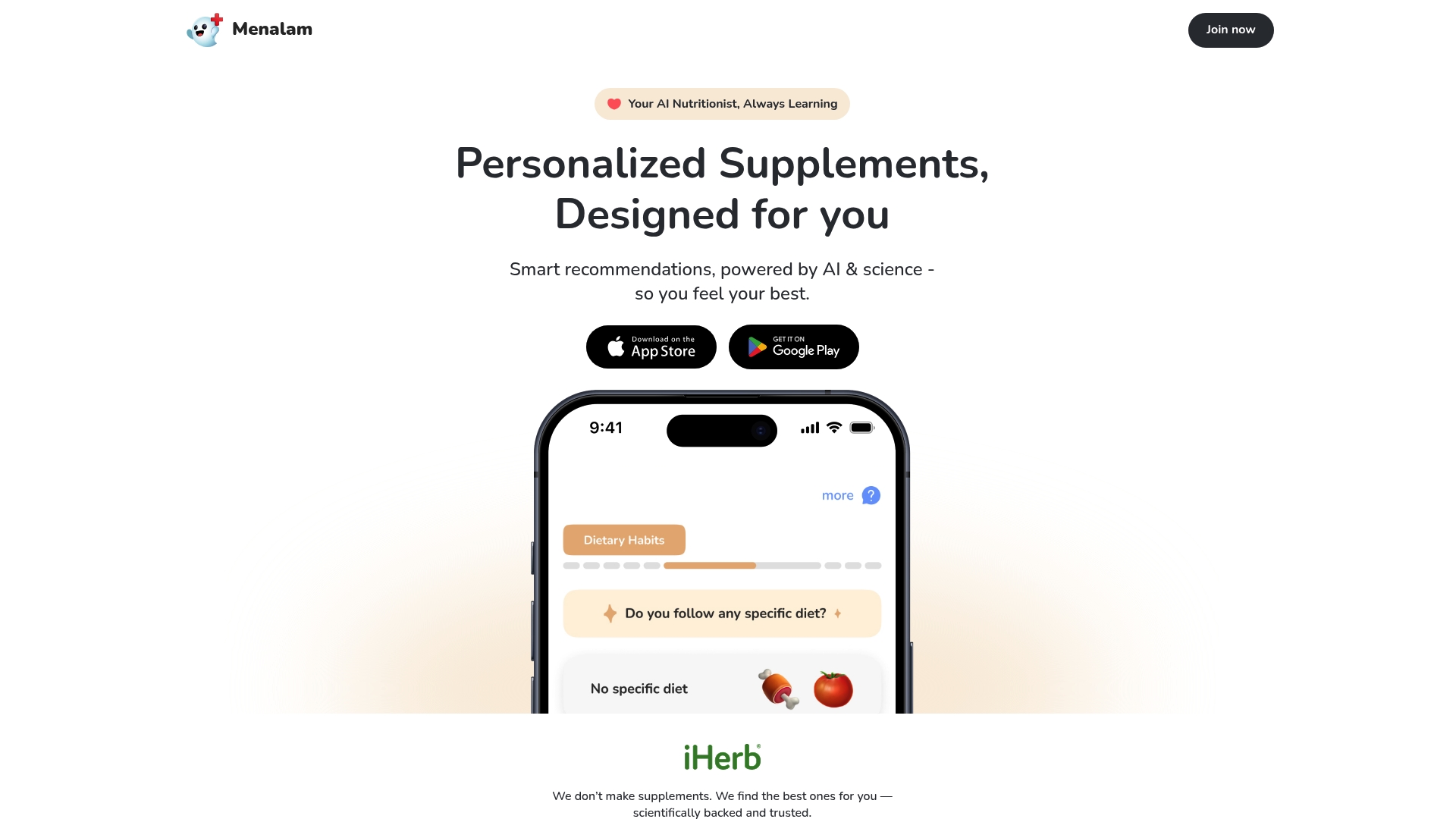
Ready to simplify your supplement regimen and maximize your health benefits? Explore how Menalam’s tailored solutions can support you in achieving your wellness goals. Don’t wait—visit Menalam now and take your first step towards a more informed and effective nutrition journey!
Leave a Reply