
Blood tests hold remarkable power, revealing intricate details about our health. They measure key components in our blood, painting a picture of our nutritional status. Yet, many people assume that normal blood test results mean they are healthy. That could not be further from the truth. A normal reading does not guarantee optimal well-being. Understanding the subtle differences between normal and optimal biomarkers can transform your approach to nutrition and health. Discover how these insights can empower you to take control of your well-being.
Understanding Blood Test Basics
Blood tests are powerful diagnostic tools that provide a window into the inner workings of your body. These clinical assessments measure various components in your blood, from nutrients and hormones to enzymes and cellular components, creating a comprehensive snapshot of your physiological state.
Decoding Your Blood Test Results
When you receive blood test results, you’ll typically see two key elements: your personal values and reference ranges. These reference ranges represent what’s considered “normal” for the general population. However, it’s crucial to understand that standard reference ranges are primarily designed to identify disease states, not optimal health.
According to research from Optimal DX, there’s a significant difference between “normal” ranges and “optimal” ranges. Your blood markers might fall within normal limits but still indicate functional imbalances that could affect your health and nutrition status. For instance, a “normal” vitamin D level might prevent rickets, but may not support optimal immune function or bone health.
Standard blood panels typically include complete blood count (CBC), comprehensive metabolic panel (CMP), lipid panel, and thyroid function tests. Each provides valuable insights into different aspects of your health:
- CBC: Evaluates red and white blood cells, revealing potential anemias or immune challenges
- CMP: Measures kidney and liver function, electrolyte balance, and blood sugar levels
- Lipid Panel: Assesses cardiovascular risk factors including cholesterol and triglycerides
- Thyroid Panel: Examines metabolic regulation through thyroid hormone levels
From Numbers to Nutrition: The Clinical Connection
Understanding how blood tests inform nutrition requires recognizing the bidirectional relationship between the two. Your nutritional intake directly impacts your blood biomarkers, while these same markers provide critical guidance for personalized dietary recommendations.
Take hemoglobin levels, for example. Low values may indicate iron deficiency, which might prompt recommendations for increased consumption of iron-rich foods like spinach, lentils, and grass-fed beef. Similarly, elevated blood glucose might suggest the need for reduced intake of refined carbohydrates and increased consumption of fiber-rich foods to improve glycemic control.
Blood tests can reveal nutritional deficiencies before clinical symptoms appear. This preventive approach allows for dietary interventions at the subclinical stage—when imbalances can be more easily corrected through targeted nutrition strategies rather than medical interventions.
The integration of blood testing with nutritional assessment represents a cornerstone of personalized health optimization. By regularly monitoring key biomarkers and adjusting your dietary choices accordingly, you can make informed decisions that support your unique physiological needs and health goals. Rather than following generic dietary advice, blood testing enables a precision approach to nutrition that acknowledges your biochemical individuality.
Key Takeaways
| Takeaway | Explanation |
|---|---|
| Understanding Reference Ranges | Standard reference ranges in blood tests are designed to identify disease states rather than optimal health; it’s vital to distinguish between normal and optimal ranges for better nutritional outcomes. |
| Nutrition and Blood Biomarkers | Nutritional intake directly influences blood markers, which can guide personalized dietary recommendations, allowing for targeted interventions before clinical symptoms appear. |
| Micronutrient and Metabolic Health Insights | Key blood markers for vitamins, minerals, and metabolic health indicate deficiencies and guide dietary adjustments, ensuring effective nutrition planning based on individual needs. |
| Proactive Health Optimization Loop | Adopting a cyclical approach of testing, assessing, implementing, and retesting can refine health strategies based on objective data, promoting proactive management of health. |
| Comprehensive Health Data Integration | Combining blood test results with other health metrics like activity data and sleep metrics offers a more nuanced understanding of health, facilitating tailored interventions. |

Key Nutritional Markers Overview
Blood tests provide crucial insights into your nutritional status by measuring biomarkers that reflect your body’s access to, utilization of, and need for specific nutrients. These markers help identify deficiencies or imbalances that may be affecting your health, even before symptoms become apparent.
Essential Vitamins and Minerals
Vitamin and mineral levels in your blood directly reflect your nutritional intake and absorption efficiency. Several key markers deserve special attention when assessing nutritional status:
Vitamin D is perhaps one of the most clinically significant nutritional markers. Beyond its known role in bone health, optimal vitamin D levels support immune function, mood regulation, and inflammation control. While conventional reference ranges typically consider levels above 30 ng/mL as sufficient, functional medicine practitioners often recommend maintaining levels between 50-80 ng/mL for optimal health outcomes.
B vitamins, particularly B12 and folate, play crucial roles in energy production, cognitive function, and cellular regeneration. B12 deficiency can manifest as fatigue, neurological symptoms, or macrocytic anemia, while adequate folate is essential for DNA synthesis and repair. Testing homocysteine alongside these vitamins provides additional insight, as elevated homocysteine can indicate functional B vitamin deficiencies even when standard B vitamin tests appear normal.
Minerals like iron, magnesium, zinc, and selenium each serve as cofactors for hundreds of enzymatic reactions in your body. Iron status is typically assessed through a combination of markers including ferritin, serum iron, total iron-binding capacity (TIBC), and transferrin saturation. This comprehensive approach provides a more accurate picture than any single marker alone.
Research in nutritional biomarkers emphasizes that these biochemical indicators serve as critical tools for evaluating nutritional status and responses to dietary interventions, helping bridge the gap between food consumption and health outcomes.
Metabolic Health Indicators
Beyond direct nutrient measurements, blood tests reveal how efficiently your body processes macronutrients—proteins, fats, and carbohydrates.
Glucose regulation markers, including fasting glucose, hemoglobin A1c (HbA1c), and fasting insulin, provide insights into carbohydrate metabolism. HbA1c reflects your average blood sugar over approximately three months, offering a more stable indicator than point-in-time glucose measurements. Monitoring insulin levels alongside glucose helps identify insulin resistance long before diabetes develops, creating opportunities for dietary intervention.

Lipid profiles assess cardiovascular health through total cholesterol, LDL, HDL, and triglyceride measurements. However, advanced lipid testing can provide more nuanced information by measuring particle sizes and numbers, offering superior risk assessment compared to standard lipid panels. For example, small, dense LDL particles pose greater cardiovascular risk than larger, more buoyant ones, despite potentially identical LDL cholesterol numbers.
Protein metabolism markers like albumin and prealbumin reflect your body’s protein stores and synthesis capabilities. These are particularly important when assessing malnutrition risk or monitoring recovery from illness.
Inflammatory and Digestive Markers
Chronic inflammation can significantly impact your nutritional status by altering nutrient requirements and absorption. Inflammatory markers such as high-sensitivity C-reactive protein (hs-CRP), erythrocyte sedimentation rate (ESR), and specific cytokines help identify underlying inflammatory processes that may be affecting your nutritional needs.
Digestive health markers provide insights into your body’s ability to break down and absorb nutrients. Tests for celiac disease, inflammatory bowel conditions, and pancreatic function can identify issues that might be compromising nutrient absorption, explaining why certain deficiencies persist despite adequate dietary intake.
By understanding these key nutritional markers in your blood tests, you gain powerful information to guide targeted dietary modifications, supplementation strategies, and lifestyle changes that support your unique biochemical needs. This personalized approach to nutrition transcends generic dietary recommendations, addressing your specific requirements based on objective data.
Interpreting Blood Results for Diet
Translating your blood test results into actionable dietary changes requires understanding how specific biomarkers relate to nutritional choices. This process transforms clinical data into practical meal planning, helping you make informed decisions about what should be on your plate.
From Lab Results to Meal Planning
Each biomarker in your blood test can guide specific dietary adjustments. Here’s how to interpret some key markers and translate them into food choices:
Glucose-related markers provide critical insights for carbohydrate consumption. Elevated fasting glucose, insulin, or HbA1c suggest the need for reduced intake of refined carbohydrates and increased consumption of fiber-rich foods. For instance, if your HbA1c is creeping toward the pre-diabetic range (5.7-6.4%), you might benefit from replacing white rice with quinoa, prioritizing whole fruits over juices, and incorporating more non-starchy vegetables into your meals.
Hematological markers like hemoglobin and ferritin inform iron-related dietary needs. Low ferritin indicates iron deficiency and suggests increasing consumption of iron-rich foods such as grass-fed beef, oysters, spinach, and legumes. However, high ferritin may indicate iron overload, warranting reduced consumption of iron-rich foods and possibly avoiding cast iron cookware.
Lipid profiles guide fat consumption patterns. Elevated triglycerides often respond well to reduced intake of added sugars and refined carbohydrates rather than simply restricting fat. Meanwhile, improving your HDL to LDL ratio might involve increasing omega-3 rich foods like fatty fish while reducing processed foods containing trans fats and excessive omega-6 fatty acids.
Thyroid function tests influence your approach to iodine, selenium, and zinc—nutrients essential for thyroid hormone production and conversion. Suboptimal thyroid markers might suggest increasing intake of seafood, Brazil nuts, and pumpkin seeds.
Micronutrient Status and Targeted Supplementation
Micronutrient deficiencies revealed through blood testing call for targeted dietary interventions, and in some cases, supplementation. For example:
Vitamin D deficiency is remarkably common, particularly in northern latitudes and among people with limited sun exposure. While fatty fish, egg yolks, and mushrooms exposed to UV light provide some vitamin D, achieving optimal blood levels often requires appropriate supplementation based on your current levels and geographic location.
B vitamin status affects energy production, cognitive function, and mood regulation. Low B12 levels are common in vegetarians and vegans, warranting either consumption of fortified foods, supplements, or for those who eat animal products, increased intake of foods like salmon, shellfish, and liver.
Magnesium insufficiency, indicated by levels in the lower reference range, suggests increased consumption of dark leafy greens, pumpkin seeds, almonds, and dark chocolate. This mineral affects over 300 enzymatic reactions in your body and plays a crucial role in managing stress and muscle function.
Omega-3 fatty acid status, measured through an omega-3 index or AA/EPA ratio, guides your intake of fatty fish, walnuts, and flaxseeds. Imbalances may suggest the need for reducing processed foods high in omega-6 fatty acids while increasing omega-3 sources.
Individualizing Dietary Patterns Based on Blood Biomarkers
Rather than following generic diet plans, your blood biomarkers can help you select the optimal dietary pattern for your unique physiology. For instance:
Insulin resistance markers might indicate that you would benefit from a lower-carbohydrate approach, perhaps with time-restricted eating to improve metabolic flexibility.
Inflammatory markers like elevated hs-CRP could suggest adopting an anti-inflammatory dietary pattern such as the Mediterranean diet, rich in colorful vegetables, olive oil, fatty fish, and low in processed foods.
An unfavorable lipid profile combined with elevated lipoprotein(a) might warrant a plant-forward diet with strategic inclusion of omega-3 rich fish rather than a conventional low-fat approach.
Remember that blood biomarkers provide a snapshot of your current metabolic state, but they don’t tell the complete story. Consider working with a healthcare professional who specializes in nutritional biochemistry to interpret your results comprehensively. This partnership allows you to develop a personalized nutrition plan that addresses your specific needs rather than following generic dietary advice.
By regularly monitoring key biomarkers and adjusting your diet accordingly, you create a feedback loop that optimizes your nutrition based on objective data. This approach transforms how blood tests inform nutrition, making your dietary choices precision tools for health optimization.
Personalized Nutrition From Blood Data
Personalized nutrition represents a paradigm shift away from one-size-fits-all dietary recommendations toward targeted approaches based on your unique biochemistry. Blood testing provides the objective data that powers this individualized strategy, enabling nutrition plans tailored to your specific metabolic needs.
Beyond Generic Diet Plans
Traditional nutrition guidelines offer general recommendations for broad populations. While these provide a useful starting point, they fail to account for the tremendous biochemical variability between individuals. Your genetic makeup, microbiome composition, lifestyle factors, and current health status all influence how your body processes and responds to different foods.
Personalized nutrition, informed by blood biomarkers, acknowledges this individuality. Rather than prescribing the same diet for everyone with similar health concerns, this approach recognizes that two people with identical symptoms may require completely different nutritional strategies based on their underlying biochemistry.
Research in personalized nutrition highlights how tailoring dietary recommendations to individual profiles leads to more effective outcomes for managing chronic conditions and optimizing health. This approach leverages the understanding of how specific genetic variations affect nutrient metabolism and requirements.
For example, individuals with the MTHFR gene variant may require different forms of folate than those without this variation. Similarly, someone’s APOE status might influence their optimal ratio of dietary fats. Blood testing helps identify not just the presence of such variations but their functional impacts on your metabolism.
Creating Your Metabolic Map
Blood biomarkers create a metabolic map that guides personalized nutrition decisions. This map reveals your unique metabolic strengths, weaknesses, and tendencies, providing clarity on:
- Nutrient sufficiency and deficiencies
- Macronutrient processing capabilities
- Inflammatory triggers and responses
- Detoxification capacities
- Oxidative stress levels
With this map in hand, you can make targeted dietary adjustments that address your specific needs. For instance, if your blood tests reveal signs of insulin resistance alongside low vitamin D and elevated inflammatory markers, your personalized nutrition plan would differ substantially from someone with optimal insulin sensitivity but poor methylation markers and low iron stores.
This level of personalization extends beyond merely addressing deficiencies. It enables proactive optimization based on your genetic predispositions and current metabolic state, helping prevent potential health issues before they manifest clinically.
Tracking Progress and Adaptation
Perhaps the most powerful aspect of using blood data for personalized nutrition is the ability to objectively track progress and adapt your approach based on results. This creates a continuous feedback loop that refines your nutrition plan over time.
Regular blood testing allows you to:
Monitor biomarker improvements following dietary changes, providing concrete evidence of what’s working and what isn’t. This objective feedback helps maintain motivation and compliance with beneficial dietary practices.
Identify unexpected responses to certain foods or supplements that might not align with standard recommendations. Your biochemical individuality might mean that foods generally considered “healthy” could be suboptimal for your specific metabolism.
Adjust nutritional strategies as your health status evolves. The nutrition plan that helps you recover from a deficiency state will differ from what’s optimal once you’ve achieved balance.
Quantify the impact of lifestyle factors beyond diet, such as sleep quality, stress management, and physical activity, all of which influence how your body processes nutrients.
This dynamic, data-driven approach transforms nutrition from a static set of rules into an evolving strategy that adapts to your changing needs. By consistently monitoring key biomarkers, you can refine your nutrition plan with precision, focusing resources on the interventions that provide the greatest benefit for your unique biochemistry.
Personalized nutrition based on blood data represents the future of nutritional science—moving beyond population-based recommendations to truly individualized approaches that acknowledge the complexity and uniqueness of each person’s metabolism. This evidence-based strategy empowers you with specific knowledge about your body’s needs, enabling nutrition decisions that support your optimal health and performance.
Maximizing Health with Data Insights
The true value of blood testing emerges when you transform clinical data into actionable health strategies. By leveraging these biological insights, you can optimize not just your nutrition but your overall approach to health management.
Creating a Data-Driven Health Optimization Loop
Effective health optimization follows a cyclical pattern: test, assess, implement, and repeat. This methodical approach creates a feedback loop that continually refines your health strategies based on objective measurements rather than subjective feelings or generic guidelines.
The process begins with comprehensive blood testing to establish your baseline. Rather than simply identifying disease states, this baseline serves as your personalized reference point for future comparisons. Next comes assessment—interpreting these results through the lens of optimal function rather than mere absence of disease.
From this assessment, you develop targeted interventions addressing your specific biochemical needs. These interventions might include dietary modifications, strategic supplementation, lifestyle changes, or exercise adjustments based on your unique metabolic profile. The final step involves retesting after an appropriate implementation period to measure progress and refine your approach.
According to research on cybernetic health models, this shift from reactive medical treatment to proactive health optimization represents a fundamental transformation in healthcare. By integrating data technology with preventive approaches, individuals can leverage predictive modeling to guide health decisions, potentially identifying issues like insulin resistance long before they progress to clinical disease states.
Integration of Multiple Data Sources
While blood testing provides crucial information about your internal biochemistry, integrating this data with other health metrics creates a more comprehensive picture. Consider combining your blood biomarkers with:
Activity data from wearable devices, which can reveal how your exercise patterns influence inflammatory markers, blood glucose levels, and recovery markers like cortisol and creatine kinase.
Sleep metrics that help explain fluctuations in hormones, inflammatory markers, and stress indicators. Poor sleep quality frequently correlates with elevated inflammatory markers and dysregulated glucose metabolism.
Nutrient intake information from food logging or dietary analysis, which provides context for interpreting your blood markers. This connection helps identify specific nutrient-biomarker relationships unique to your metabolism.
Stress and recovery measurements including heart rate variability (HRV), which may explain variations in certain inflammatory markers and hormone levels.
This multi-faceted approach creates a more nuanced understanding of your health status and guides more precise interventions. For example, recognizing that elevated inflammatory markers coincide with periods of poor sleep and high stress can lead to more effective solutions than focusing solely on dietary changes.
From Reactive to Proactive Health Management
The traditional healthcare model operates reactively—addressing problems after they’ve developed into clinical conditions. By contrast, blood test data enables proactive health optimization by revealing subtle metabolic shifts long before they manifest as symptoms.
This preventive approach offers several advantages:
Early detection of suboptimal trends allows for simpler, less invasive interventions. For instance, identifying gradually rising inflammatory markers provides an opportunity to implement anti-inflammatory dietary strategies before chronic inflammation leads to tissue damage.
Personalized risk assessment based on your unique biomarker patterns helps prioritize health interventions according to your specific needs rather than general population guidelines.
Objective measurement of intervention effectiveness replaces guesswork with data, allowing you to invest time and resources in strategies that demonstrably improve your health markers.
Optimization beyond disease prevention shifts the focus from merely avoiding illness to achieving optimal function and performance in all aspects of health.
By embracing this data-driven approach to health optimization, you transform blood testing from a diagnostic tool into a compass for navigating your health journey. This methodology empowers you with precise, personalized insights about how your body responds to different inputs, enabling truly individualized health strategies that evolve with your changing needs and goals.
Frequently Asked Questions
What do blood tests reveal about my nutrition?
Blood tests provide insights into your nutritional status by measuring biomarkers that reflect your body’s access to, utilization of, and need for specific nutrients, helping identify deficiencies or imbalances.
How should I interpret my blood test results?
Blood test results should be interpreted by understanding your personal values in relation to reference ranges. It’s crucial to identify the difference between ‘normal’ and ‘optimal’ ranges for better health outcomes.
Can blood tests help with personalized nutrition?
Yes, blood tests can guide personalized nutrition by revealing specific nutrient deficiencies or imbalances, allowing tailored dietary recommendations that align with your unique biochemical needs.
How often should I get blood tests to monitor my nutrition?
The frequency of blood tests varies based on individual health goals and risk factors, but regular testing every 6 to 12 months can help track changes in key biomarkers and inform necessary dietary adjustments.
Transform Your Health Insights into Actionable Nutrition Plans
Are you aware that your blood test results can reveal more than just whether you’re healthy? The intricate details about your nutritional status can help you optimize your well-being, yet many individuals find it overwhelming to connect the dots between these insights and practical dietary changes. Are you struggling with identifying specific nutritional deficiencies or unsure if you’re targeting the right vitamins?
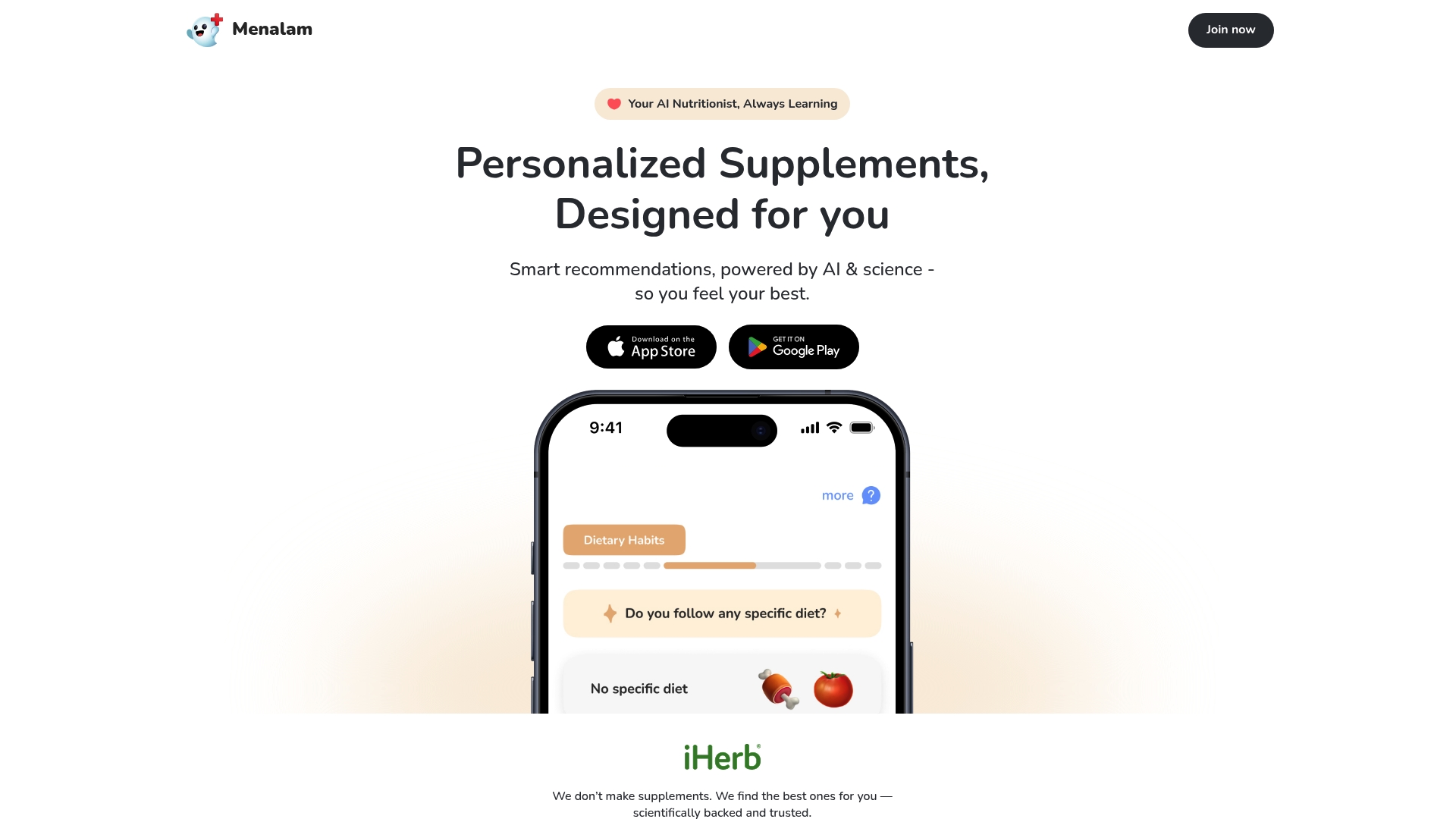
At Menalam, we understand that the journey to personalized nutrition can be challenging. That’s why we’ve harnessed AI-driven technologies to serve as your digital nutritionist. By simply completing our quick health quiz, you receive tailored supplement recommendations that align with your unique health profile, dietary preferences, and blood test results. Imagine transforming your blood data into individualized supplement plans that evolve as you do! With our mobile app, you can effortlessly track your intake and progress, ensuring you’re always on top of your health.
Don’t leave your health to chance! Start optimizing your nutrition with exact, science-backed solutions tailored to your needs—visit https://menalam.com now and take the first step towards a healthier you! Remember, your health goals are just one quiz away!
Leave a Reply