
Embracing a vegetarian diet opens the door to incredible health benefits, like lower cholesterol and reduced risk of chronic diseases. But there’s a catch—many vegetarians unknowingly struggle with nutrient gaps that can undermine their health. Surprisingly, it’s not just about avoiding meat; the real challenge lies in ensuring you get adequate levels of critical nutrients like vitamin B12 and iron. Discovering how to address these gaps could be the key to thriving on a plant-based diet.
Understanding Vegetarian Supplement Needs
Switching to a vegetarian diet offers numerous health benefits, but it also requires careful attention to nutritional balance. Many vegetarians wonder about vegetarian supplement needs and whether their plant-based diet provides all essential nutrients. The answer isn’t one-size-fits-all, but understanding which nutrients deserve special attention can help you maintain optimal health while enjoying a meat-free lifestyle.
Key Nutrients Vegetarians Should Monitor
Vegetarian diets naturally excel in providing fiber, antioxidants, and many vitamins. However, certain nutrients are more challenging to obtain solely from plant sources. According to research published in MDPI, vegetarians are at particular risk of deficiencies in vitamin B12, vitamin D, iron, zinc, calcium, and omega-3 fatty acids.
Vitamin B12 stands as perhaps the most critical supplement for vegetarians. This vitamin is primarily found in animal products, making it virtually absent from plant foods unless fortified. Without adequate B12, you risk developing anemia, neurological damage, and other serious health issues. Most nutritionists recommend that vegetarians take a B12 supplement providing 25-100 micrograms daily or 2000 micrograms weekly.
Vitamin D also deserves special attention. While your body produces vitamin D when exposed to sunlight, factors like indoor lifestyles, northern latitudes, and darker skin tones can limit natural production. Plant sources of vitamin D are limited, so supplements providing 1000-4000 IU daily may benefit many vegetarians, especially during winter months.
Creating Your Personalized Supplement Plan
Determining which supplements you need depends on several factors including your specific diet type (lacto-ovo, lacto, or strict vegetarian), age, gender, health status, and geographical location. Rather than guessing, consider these approaches to personalize your supplement regimen:
First, analyze your typical diet honestly. Keep a food diary for a week to identify potential nutritional gaps. Apps that track nutrient intake can reveal patterns you might miss.
Second, consider getting a blood test to check for specific deficiencies. This objective measure can help you supplement strategically rather than unnecessarily. Common tests for vegetarians include complete blood count (for iron status), vitamin B12, vitamin D, and zinc levels.
Third, consult with a registered dietitian or nutritionist who specializes in plant-based nutrition. These professionals can review your diet and recommend supplements tailored to your unique needs.
Remember that supplements should complement rather than replace a well-planned diet. The foundation of good nutrition remains whole foods – vegetables, fruits, legumes, whole grains, nuts and seeds. These provide not only vitamins and minerals but also fiber and thousands of beneficial phytochemicals that supplements can’t replicate.
Supplement Quality and Bioavailability
Not all supplements are created equal. When selecting vegetarian supplements, consider these factors:
Bioavailability matters significantly. For iron, look for supplements containing ferrous bisglycinate, which is better absorbed and gentler on the stomach than ferrous sulfate. For vitamin D, vitamin D3 (cholecalciferol) is typically more effective than D2 (ergocalciferol), though vegetarians should ensure D3 is derived from lichen rather than lanolin (sheep’s wool) if avoiding animal products entirely.
Quality varies widely among supplement brands. Choose products from reputable manufacturers that undergo third-party testing. Look for certifications from organizations like USP (United States Pharmacopeia), NSF International, or ConsumerLab.
By understanding your specific vegetarian supplement needs and addressing them strategically, you can enjoy all the benefits of your plant-based lifestyle while safeguarding your long-term health and vitality.
Key Takeaways
| Takeaway | Explanation |
|---|---|
| Monitor Key Nutrients | Vegetarians should pay special attention to nutrients such as vitamin B12, vitamin D, iron, zinc, calcium, and omega-3 fatty acids to prevent deficiencies. |
| Personalized Supplement Plans | Individual supplement needs vary based on dietary habits, age, gender, and health status; consider food diaries and blood tests to identify gaps before supplementing. |
| Choose Quality Supplements | Select supplements with verified bioavailability and quality, looking for third-party certifications and avoiding unnecessary additives for optimal effectiveness. |
| Integrate with Diet | Prioritize a whole-food vegetarian diet while supplementing strategically to ensure you meet your nutritional needs without relying solely on pills. |
| Consult Professionals | Work with healthcare providers and registered dietitians for tailored advice on supplementation and to monitor blood nutrient levels regularly for optimal health outcomes. |
Critical Nutrients for Vegetarian Diets
Navigating vegetarian supplement needs requires understanding which nutrients demand special attention. While plant-based diets offer abundant benefits, certain essential nutrients are either absent from or less bioavailable in plant foods. Let’s examine these critical nutrients and how to ensure adequate intake through strategic supplementation.
Vitamin B12: The Non-Negotiable Supplement
Vitamin B12 is arguably the most crucial supplement for vegetarians. This vitamin is primarily found in animal products and is essential for neurological function, DNA synthesis, and red blood cell formation. Without adequate B12, you risk serious health consequences including irreversible nerve damage.
According to research published in MDPI, vegetarians should supplement with 50–100 μg of cyanocobalamin (the most stable form of B12) daily or 2000 μg weekly to maintain optimal levels. While some plant foods like nutritional yeast may be fortified with B12, supplementation provides reliable insurance against deficiency.
What makes B12 particularly challenging is that your body’s stores can last several years, meaning deficiency symptoms may develop gradually and go unnoticed until significant damage occurs. Regular blood tests measuring both serum B12 and methylmalonic acid (MMA) offer the most accurate assessment of your B12 status.
Iron: Abundant but Elusive
While iron exists in plant foods (particularly legumes, tofu, dark leafy greens, and fortified cereals), it comes in the non-heme form, which is less efficiently absorbed than the heme iron found in animal products. Vegetarians typically need to consume 1.8 times more iron than meat-eaters to compensate for this reduced bioavailability.
Strategic pairing can enhance iron absorption significantly. Consuming vitamin C-rich foods alongside iron sources increases absorption by up to 3-6 times. Conversely, calcium supplements, coffee, tea, and certain plant compounds called phytates can inhibit iron absorption when consumed simultaneously with iron-rich foods.
If blood tests reveal low ferritin (iron storage) levels despite dietary efforts, a gentle iron supplement like ferrous bisglycinate taken every other day on an empty stomach may be necessary. However, avoid self-prescribing iron supplements without testing, as excess iron can cause digestive discomfort and potentially harm your liver.
Vitamin D: The Sunshine Nutrient
Vitamin D presents a challenge for everyone, not just vegetarians. While your skin produces vitamin D when exposed to sunlight, modern indoor lifestyles, northern latitudes, darker skin pigmentation, and winter seasons limit natural production. Few foods naturally contain vitamin D, and those that do are primarily animal products.
Vegetarians should consider supplementing with 1000-4000 IU of vitamin D3 daily, especially during winter months or if blood tests show levels below 30 ng/mL. Look for lichen-derived D3 supplements to ensure they’re vegetarian-friendly, as most D3 supplements are derived from lanolin (sheep’s wool).
Omega-3 Fatty Acids: Beyond Fish Oil
Long-chain omega-3 fatty acids EPA and DHA, abundant in fatty fish, support brain health, reduce inflammation, and protect cardiovascular function. While vegetarians can consume ALA (alpha-linolenic acid) from flaxseeds, chia seeds, and walnuts, the conversion of ALA to the active EPA and DHA forms is inefficient in humans.
Algae-based omega-3 supplements provide a direct source of EPA and DHA without the fish intermediary, making them perfect for vegetarians. A daily supplement providing 250-500mg of combined EPA and DHA helps maintain optimal levels without consuming fish oil.
Zinc, Calcium, and Iodine: Often Overlooked
Zinc supports immune function and wound healing. While present in legumes, nuts, and whole grains, its absorption is hindered by phytates. Vegetarians should aim for higher zinc intake through foods like hemp seeds, pumpkin seeds, and fortified products, or consider a low-dose supplement (8-11mg daily).
Calcium intake can be adequate for vegetarians who consume dairy, but strict vegetarians avoiding dairy should carefully plan their intake through fortified plant milks, calcium-set tofu, and leafy greens like kale. A supplement providing 500-1000mg daily, split into two doses, may be beneficial for those struggling to meet requirements through diet alone.
Iodine, essential for thyroid function, is primarily found in seafood and iodized salt. Vegetarians who limit salt intake and don’t consume seaweed regularly may benefit from a supplement providing the RDA of 150μg daily.
Remember that individual needs vary based on age, health status, and specific dietary patterns. Working with a healthcare provider to monitor nutrient levels through periodic blood tests ensures your supplement regimen addresses your unique vegetarian supplement needs without excess or deficiency.
Choosing Quality Dietary Supplements
With vegetarian supplement needs identified, the next challenge is selecting high-quality products from an overwhelming market of options. The supplement industry’s regulation differs significantly from pharmaceuticals, placing greater responsibility on consumers to research and select effective, safe products. Here’s how to navigate this complex landscape.
Understanding Supplement Regulations and Standards
Unlike prescription medications, dietary supplements aren’t required to undergo rigorous testing for safety and efficacy before reaching market shelves. The FDA regulates supplements as food products rather than drugs, which means manufacturers bear primary responsibility for ensuring their products are safe and accurately labeled.
This regulatory framework creates significant quality variations across the market. A study examining fish oil supplements found that while most products met label claims for omega-3 content, many contained high levels of saturated fatty acids, indicating inadequate purification that could potentially leave harmful contaminants intact. Similarly, research on zinc supplements revealed that nine out of ten tested products contained more zinc than declared on the label—some exceeding the tolerable upper intake level by up to 146%.
To mitigate these risks, look for products certified by independent third-party organizations that verify supplement contents match label claims. Reputable certifications include:
- USP (United States Pharmacopeia) Verified
- NSF International Certified
- ConsumerLab Approved
- Informed-Choice Certified
These organizations test for ingredient accuracy, contaminants, prohibited substances, and manufacturing quality standards. Their seals don’t guarantee efficacy but provide assurance that what’s on the label matches what’s in the bottle.
Bioavailability: The Critical Factor
Bioavailability—how efficiently your body can absorb and utilize a nutrient—significantly impacts supplement effectiveness. For vegetarians addressing specific deficiencies, choosing highly bioavailable forms can mean the difference between resolving or perpetuating nutritional gaps.
For iron supplements, ferrous bisglycinate offers superior absorption with fewer digestive side effects compared to ferrous sulfate or fumarate. When supplementing calcium, calcium citrate is better absorbed than calcium carbonate, especially for older adults or those taking acid-reducing medications.
Vitamin B12 supplements come in several forms, with methylcobalamin and adenosylcobalamin being active forms that some nutritionists prefer over cyanocobalamin, though all can effectively address deficiency when dosed appropriately.
For vitamin D, look for D3 (cholecalciferol) rather than D2 (ergocalciferol) when possible, as research suggests D3 maintains blood levels more effectively, especially at lower doses. Vegetarians should specifically seek plant-derived D3 from lichen rather than animal-derived lanolin sources.
Avoiding Unnecessary Additives
Quality supplements minimize unnecessary fillers, artificial colors, preservatives, and allergens. While some additives serve legitimate purposes—such as stabilizing ingredients or improving absorption—others are included merely for aesthetic purposes or to reduce manufacturing costs.
Common unnecessary additives to avoid include:
- Artificial colors (FD&C Yellow #5, Blue #2)
- Hydrogenated oils
- Titanium dioxide
- Sodium benzoate
- Talc as a filler
Vegetarians should be particularly vigilant about hidden animal-derived ingredients in supplements, including gelatin capsules, magnesium stearate (can be derived from both animal and vegetable sources), and certain vitamin D sources. Look for products explicitly labeled “vegetarian” or “plant-based” and verify with manufacturers when uncertain.
Dosage Considerations
When addressing vegetarian supplement needs, more isn’t always better. Optimal dosing should reflect your specific requirements without risking toxicity from fat-soluble vitamins (A, D, E, K) that accumulate in body tissues.
For most nutrients, aim for supplements providing between 100-300% of the Daily Value, unless a healthcare provider recommends higher therapeutic doses. Megadosing—taking many times the recommended amount—rarely provides additional benefits and can sometimes cause harm.
Consider professional guidance before combining multiple supplements, as certain nutrients compete for absorption when taken simultaneously. For instance, calcium and iron supplements should be taken several hours apart, as calcium can reduce iron absorption by up to 60%.
Ultimately, addressing your vegetarian supplement needs shouldn’t require an extensive regimen of pills. Most vegetarians can maintain optimal nutrition with a few carefully selected supplements, a varied whole-foods diet, and periodic lab testing to monitor nutrient status. By prioritizing quality over quantity and bioavailability over marketing claims, you can support your vegetarian lifestyle with supplementation that truly enhances your health and wellbeing.
Safe Supplement Practices for Vegetarians
While addressing vegetarian supplement needs is essential for long-term health, taking supplements safely requires knowledge and strategy. Even natural supplements can interact with medications, cause side effects, or create imbalances when improperly used. This section explores best practices for safe and effective supplementation on a vegetarian diet.
Coordinating with Healthcare Providers
Before beginning any supplement regimen, consult with healthcare providers who understand your vegetarian lifestyle. Many conventional physicians receive minimal nutrition training, so consider working with both your primary care doctor and a registered dietitian specializing in plant-based nutrition.
Full disclosure is critical during these conversations. According to research published in the National Library of Medicine, many patients fail to disclose supplement use to their physicians, creating potential risks, especially before surgical procedures. Several supplements, including commonly used ones like garlic, ginkgo biloba, and turmeric, can increase bleeding risk, particularly when combined with anticoagulant medications.
When meeting with healthcare providers:
- Bring all supplement bottles or a detailed list of everything you take
- Specify exact dosages and frequency
- Mention any symptoms you’re experiencing, even if they seem unrelated
- Disclose all medications, including over-the-counter products
- Request relevant blood tests to identify specific deficiencies before supplementing
Routine blood work is particularly valuable for vegetarians. Tests for vitamin B12, vitamin D, iron (including ferritin), zinc, and a complete blood count can reveal whether supplements are necessary and help monitor if they’re working effectively.
Timing and Interactions Matter
The effectiveness of your supplements depends significantly on when and how you take them. Strategic timing can maximize benefits while minimizing potential interactions.
Fat-soluble vitamins (A, D, E, and K) should be taken with meals containing some fat for optimal absorption. In contrast, iron supplements are best absorbed on an empty stomach, ideally with vitamin C to enhance absorption, but away from calcium-rich foods, coffee, or tea, which inhibit absorption.
Certain nutrients compete for absorption pathways when taken simultaneously. For example:
- Separate calcium and iron supplements by at least 2 hours
- Avoid taking zinc and copper supplements together
- Space out magnesium supplements from antibiotics
Create a supplement schedule that accommodates these interactions. You might take iron in the morning on an empty stomach, calcium with dinner, and probiotics before bed. This strategic approach maximizes the benefits of each supplement while preventing potential interference.
Starting Slowly and Monitoring Effects
When addressing vegetarian supplement needs, resist the urge to start multiple supplements simultaneously. This approach makes it impossible to identify which supplement is responsible for any benefits or side effects you experience.
Instead, introduce one supplement at a time, starting with the most critical nutrients like vitamin B12. After 2-3 weeks, if no adverse effects occur, add the next most important supplement. This methodical approach allows you to monitor your body’s response to each addition.
Keep a simple supplement journal noting:
- When you started each supplement
- Any changes in energy, digestion, sleep, or mood
- Side effects like headaches, digestive discomfort, or skin changes
- Improvements in previous symptoms
This documentation provides valuable information for healthcare visits and helps you distinguish between supplement effects and unrelated health changes.
Special Considerations for Life Stages
Vegetarian supplement needs vary significantly across different life stages and circumstances. Pregnant women, growing children, athletes, and seniors each have unique nutritional requirements that may demand adjusted supplementation.
Pregnant and breastfeeding vegetarians typically need higher doses of several nutrients, particularly vitamin B12, iron, omega-3 fatty acids, and iodine. Working with an obstetrician familiar with vegetarian nutrition is essential during this critical period.
Vegetarian athletes may benefit from creatine supplementation, as this compound primarily occurs in animal tissues and supports high-intensity exercise performance. Similarly, beta-alanine, which helps buffer lactic acid during exercise, is found primarily in animal products and might be beneficial for vegetarian athletes engaging in high-intensity training.
Seniors following vegetarian diets often need higher doses of vitamin B12 due to decreased absorption capacity with age. They may also require additional vitamin D and calcium to support bone health, as well as protein supplements to prevent age-related muscle loss.
Avoiding Supplement Dependency
While certain supplements like vitamin B12 remain essential for vegetarians long-term, others should ideally be temporary measures while you optimize your diet. The goal is to rely primarily on whole foods for nutrition whenever possible.
Work with a dietitian to develop strategies for increasing natural food sources of commonly deficient nutrients. For example, cooking in cast iron pans can significantly increase the iron content of food, especially acidic dishes like tomato sauce. Similarly, consuming fermented foods can enhance B-vitamin absorption and production in the gut.
Periodically reassess your supplement needs through follow-up testing. You may find that dietary improvements have resolved certain deficiencies, allowing you to reduce or eliminate some supplements.
By approaching supplementation thoughtfully and systematically, you can address vegetarian supplement needs while maximizing safety and effectiveness. Remember that supplements should complement a well-planned vegetarian diet, not compensate for poor food choices. With the right balance of whole foods and targeted supplementation, your vegetarian lifestyle can support optimal health throughout all life stages.
Integrating Supplements into Daily Life
While understanding vegetarian supplement needs is crucial, successfully incorporating supplements into your daily routine requires practical strategies. Many people purchase high-quality supplements only to use them inconsistently or abandon them altogether due to inconvenience or forgetfulness. Let’s explore effective approaches to make supplementation a seamless part of your vegetarian lifestyle.
Creating Sustainable Supplement Routines
Consistency is the key to effectiveness when addressing vegetarian supplement needs. Research suggests that long-term supplement users experience better health outcomes than inconsistent users. According to a cross-sectional study published in the National Library of Medicine, individuals who consistently used multiple dietary supplements over the long term showed improved nutrient concentrations in their blood and more favorable biomarkers for several chronic diseases compared to non-users or single-supplement users.
To build consistency into your routine, try these practical approaches:
First, link supplement-taking to existing daily habits. For example, place your morning supplements next to your coffee maker or teapot if you never start the day without a hot beverage. Similarly, keep evening supplements near your toothbrush if dental hygiene is already an established habit.
Second, use technology to your advantage. Set smartphone reminders until the habit becomes automatic, typically after about 21 days of consistent practice. Several apps specifically designed for medication and supplement tracking can provide reminders and record your adherence over time.
Third, prepare ahead for schedule disruptions. Travel-sized supplement containers or pre-sorted weekly pill organizers prevent missed doses during busy periods or travel. Some supplements are now available in convenient forms like sublingual sprays or gummies that don’t require water, making them easier to take anywhere.
Overcoming Common Supplementation Challenges
Even with the best intentions, vegetarians often encounter obstacles to consistent supplementation. Acknowledging these challenges allows you to develop proactive solutions.
Pill fatigue—feeling overwhelmed by the number of supplements—affects many people addressing multiple vegetarian supplement needs. Combat this by:
- Looking for combination formulas specifically designed for vegetarians that include several key nutrients in appropriate ratios
- Prioritizing liquid forms or powders that can be mixed into smoothies or beverages
- Using time-release formulations that require less frequent dosing
Digestive discomfort sometimes occurs with supplements, particularly iron and zinc. If you experience nausea or stomach pain:
- Try taking supplements with food (except when this would interfere with absorption)
- Switch to gentler forms (such as ferrous bisglycinate instead of ferrous sulfate for iron)
- Consider lower doses taken more frequently rather than a single large dose
Cost concerns can also impact adherence, as quality supplements represent a significant investment. Economize without compromising quality by:
- Prioritizing supplements addressing your most critical vegetarian supplement needs
- Looking for subscription services that offer discounts on regular orders
- Purchasing larger quantities of shelf-stable supplements like vitamin B12
- Focusing on food-first approaches where possible to reduce supplement requirements
Balancing Supplements and Whole Foods
Supplements should complement rather than replace a well-planned vegetarian diet. The most effective approach combines strategic supplementation with nutrient-dense whole foods.
For each key nutrient of concern, develop a dual strategy that incorporates both supplementation and dietary sources. For example:
- For iron: Consume lentils, chickpeas, and spinach regularly while taking a low-dose iron supplement every other day if tests show low ferritin
- For calcium: Include calcium-set tofu and fortified plant milks in your diet while supplementing with calcium citrate if intake falls below recommendations
- For omega-3s: Eat ground flaxseeds and walnuts daily while taking an algae-based DHA/EPA supplement several times weekly
This balanced approach provides nutritional insurance while still encouraging dietary diversity and the consumption of beneficial phytonutrients that supplements can’t provide.
Customizing for Your Vegetarian Variant
Vegetarian supplement needs vary significantly depending on your specific dietary pattern. Lacto-ovo vegetarians who consume eggs and dairy typically need fewer supplements than those following more restrictive vegetarian variants.
Lacto-ovo vegetarians may only require vitamin B12 and vitamin D supplements, particularly if they regularly consume dairy products (for calcium) and eggs (for omega-3s, though primarily in the form of ALA rather than DHA).
Lacto-vegetarians (who consume dairy but not eggs) should consider the same supplements as lacto-ovo vegetarians, potentially adding an algae-based omega-3 supplement depending on their dietary pattern and health status.
Ovo-vegetarians (who consume eggs but not dairy) need to pay special attention to calcium intake, either through calcium-rich plant foods, fortified products, or supplements, in addition to vitamin B12 and vitamin D.
Strict vegetarians who avoid all animal products face the greatest supplementation needs and should develop a comprehensive strategy addressing vitamin B12, vitamin D, omega-3s, calcium, iodine, and potentially iron and zinc.
Regardless of your vegetarian variant, periodic reassessment is vital as your needs may change with age, activity level, health status, and even geographical location (which affects sun exposure and thus vitamin D production).
Measuring Success: Beyond Taking Pills
Successful integration of supplements into your vegetarian lifestyle isn’t merely about remembering to take pills—it’s about achieving measurable health improvements.
Establish baseline metrics through initial blood tests, particularly for commonly deficient nutrients like vitamin B12, vitamin D, and iron. Schedule follow-up testing after 3-6 months of consistent supplementation to verify improvements.
Beyond laboratory values, monitor subjective improvements in energy, mental clarity, exercise recovery, and other relevant symptoms. While anecdotal, these personal experiences provide valuable feedback about your regimen’s effectiveness.
Track these improvements alongside your supplement routine to identify correlations. For example, you might notice that your energy levels improve when you consistently take your B12 supplement but decline during periods of poor adherence.
By thoughtfully integrating supplements into your daily routine, addressing common challenges proactively, and balancing supplementation with whole-food nutrition, you can effectively meet your vegetarian supplement needs while maintaining a sustainable, enjoyable plant-based lifestyle that supports your long-term health goals.
Frequently Asked Questions
What supplements should vegetarians take?
Vegetarians should primarily focus on supplements for vitamin B12, vitamin D, iron, zinc, calcium, and omega-3 fatty acids to fill potential nutrient gaps in their diet.
How do I know if I need a vitamin B12 supplement?
You may need a vitamin B12 supplement if you’re experiencing symptoms like fatigue, weakness, or numbness. A blood test can confirm your B12 levels and determine if supplementation is necessary.
Can I get enough iron from a vegetarian diet?
While it’s possible to obtain iron from plant sources, vegetarians may need to consume 1.8 times more iron due to the reduced absorption of non-heme iron. Pairing iron-rich foods with vitamin C can significantly enhance absorption.
How much vitamin D should I take as a vegetarian?
Most vegetarians should consider supplementing with 1000-4000 IU of vitamin D3 daily, especially during the winter months or if exposure to sunlight is limited.
Unlock Your Personalized Vegetarian Health Journey with Menalam!
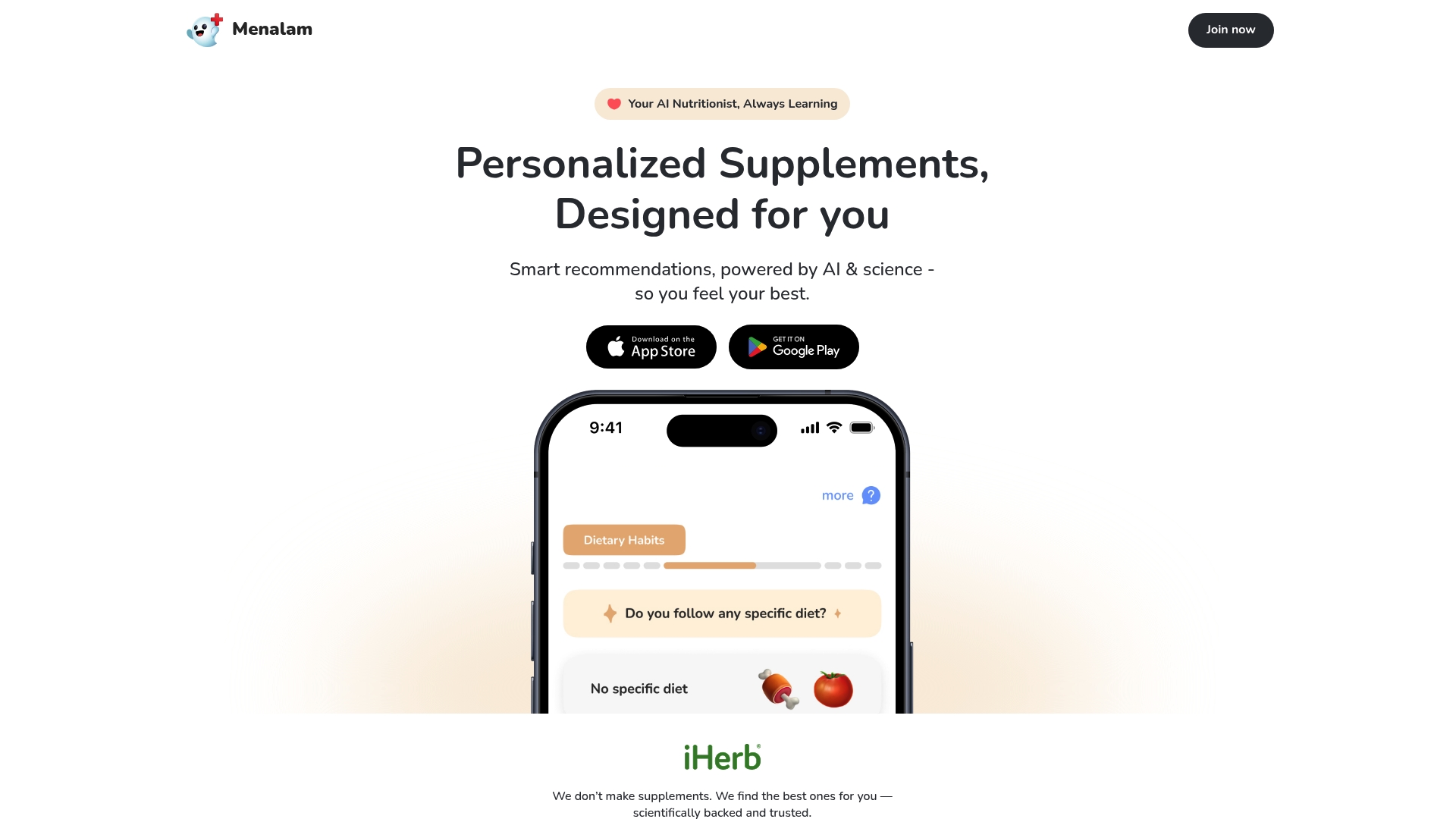
Are you struggling with hidden nutrient gaps in your vegetarian diet? You’re not alone! Many vegetarians face challenges like deficiencies in vitamin B12, iron, and omega-3 fatty acids which can compromise your health and vitality. The good news is that Menalam is here to bridge that gap! Our AI-driven platform tailors supplement recommendations specifically for your unique health profile, lifestyle, and dietary preferences.
!
With Menalam, you can:
- Identify critical nutrients your plant-based diet may lack with a quick health quiz
- Track your progress effortlessly through our mobile app, ensuring no more neglected supplements
- Receive smart reminders to stay consistent and meet your goals
- Adjust your health plan continually with insights from integrated blood test results
Don’t leave your health to chance! Experience the ease of informed, personalized nutrition solutions today. Act now—visit Menalam and transform your vegetarian health journey into a thriving one!
Leave a Reply