

Stress and nutrition are tightly linked, yet most people overlook just how much what you eat shapes your anxiety and energy each day. Here is a surprise. Tracking your meals and moods for a single week often reveals hidden patterns that trigger or relieve stress—even when you think your diet seems healthy. Most advice starts with what to eat, but the real breakthrough comes when you first discover how your current eating habits and emotions actually interact. This flips stress management on its head and opens the door to a truly personalized solution.
Table of Contents
- Step 1: Assess Your Current Eating Habits
- Step 2: Identify Stress-Reducing Nutrients
- Step 3: Create A Balanced Meal Plan
- Step 4: Stock Your Kitchen With Healthy Options
- Step 5: Monitor Your Food Intake And Stress Levels
- Step 6: Adjust Your Diet Based On Results
Quick Summary
| Key Point | Explanation |
|---|---|
| 1. Track Eating and Mood Patterns | Use a food and mood journal for one week to connect meals with stress levels and emotional states. |
| 2. Identify Stress-Reducing Nutrients | Focus on magnesium, omega-3 fatty acids, and B vitamins for effective stress management through diet. |
| 3. Create a Balanced Meal Plan | Design meals incorporating protein, healthy fats, and complex carbohydrates to support emotional resilience. |
| 4. Stock Your Kitchen Wisely | Remove unhealthy items and stock up on nutritious foods to create a supportive cooking environment. |
| 5. Monitor and Adjust Based on Insights | Continuously track your diet’s impact on stress and make small adjustments to optimize your nutrition strategy. |
Step 1: Assess Your Current Eating Habits
Managing stress through diet begins with a critical first step: understanding your current eating patterns and their relationship to your stress levels. This foundational assessment helps you identify potential nutritional triggers and create a personalized strategy for dietary stress management.
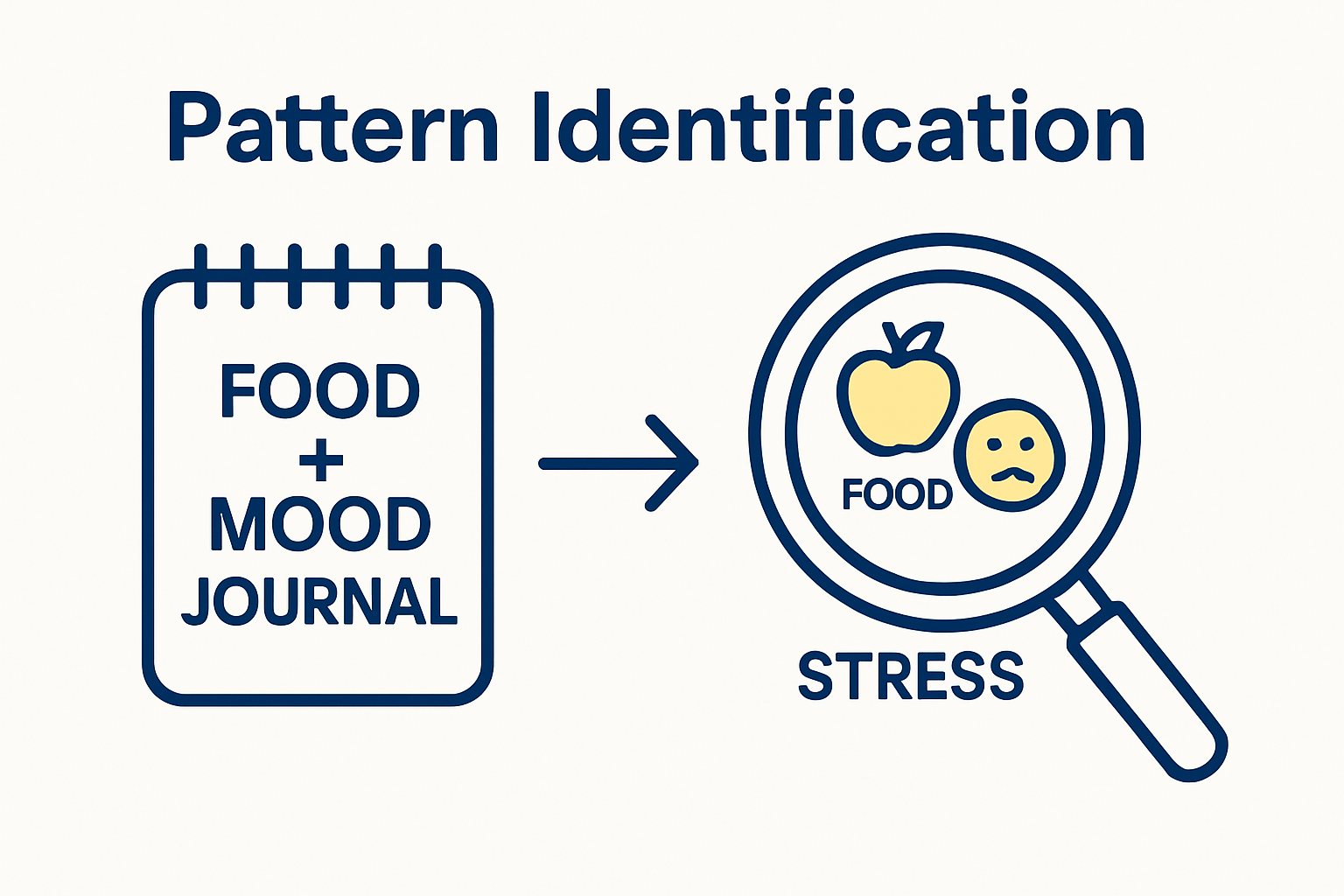
Start by keeping a detailed food and mood journal for one week. This isn’t just about logging what you eat, but creating a comprehensive record that connects your meals with your emotional and physical stress responses. Each day, record not just the foods you consume, but also your stress levels, energy, and any emotional fluctuations.
As you track your diet, pay special attention to patterns that might indicate stress eating or nutritional deficiencies. Look for moments when you reach for sugary snacks during high-stress periods or consume excessive caffeine to combat fatigue. Notice how certain foods might contribute to anxiety or energy crashes. Are you skipping meals during busy days? Do you rely on processed foods when stressed?
To make this assessment more structured, consider using a digital tracking app or a simple notebook. Your journal should include:
- Time of meal or snack
- Specific food items consumed
- Stress level before and after eating (on a scale of 1-10)
- Physical and emotional state
- Sleep quality
After one week, review your journal with a critical eye. Look for recurring patterns such as consistent sugar intake during stressful periods, caffeine consumption that might be exacerbating anxiety, or nutritional gaps that could be impacting your stress resilience. According to American Psychological Association, diet plays a significant role in how our bodies process and respond to stress.
This initial assessment provides a crucial baseline. By understanding your current eating habits, you create a personalized roadmap for dietary changes that can help manage and reduce stress. The insights you gather will directly inform the next steps in your stress management nutrition strategy.
Use this checklist to verify your food and mood journal includes all the details needed for effective stress assessment.
| Journal Element | Description | Why It Matters |
|---|---|---|
| Meal/Snack Time | Record the exact time you eat each meal or snack | Helps identify timing-related stress |
| Food Items Consumed | List specific foods and quantities | Reveals unhealthy choices or triggers |
| Stress Level (1-10) | Rate your stress before and after eating | Shows impact of foods on stress |
| Physical/Emotional State | Note feelings or energy levels before and after eating | Tracks mood and fatigue fluctuations |
| Sleep Quality | Record nightly sleep and note restfulness each morning | Identifies links between diet and rest |
Step 2: Identify Stress-Reducing Nutrients
Transitioning from understanding your current eating habits, the next critical step is identifying specific nutrients that actively combat stress. This strategic approach transforms your diet from a potential stress trigger to a powerful stress management tool.
Nutrients play a profound role in how our bodies process and respond to stress. Certain vitamins, minerals, and compounds can directly influence our nervous system’s resilience, helping to regulate cortisol levels and support emotional stability. Focus on integrating foods rich in stress-fighting nutrients that work synergistically to calm your physiological stress responses.
Magnesium emerges as a key player in stress reduction. This mineral helps regulate neurotransmitters and supports the nervous system’s ability to manage stress signals. Dark leafy greens, nuts, seeds, and whole grains become your allies in maintaining calm. Similarly, B vitamins are crucial for neurotransmitter production, with foods like eggs, lean proteins, and fortified whole grains providing essential support for mental equilibrium.
Omega-3 fatty acids represent another powerful nutrient group for stress management. These essential fats found in fatty fish, walnuts, and flaxseeds help reduce inflammation and support brain health. They play a significant role in moderating the body’s stress response, potentially decreasing anxiety and improving overall emotional regulation.
Your nutrient identification strategy should include tracking these key stress-reducing components:
- Magnesium-rich foods (spinach, almonds, black beans)
- Omega-3 sources (salmon, chia seeds, mackerel)
- B vitamin complex foods (eggs, nutritional yeast, lean meats)
- Antioxidant-packed fruits and vegetables
According to National Institutes of Health, these nutrients work together to support the body’s stress response mechanism. By intentionally incorporating these foods, you’re not just eating – you’re strategically nourishing your body’s stress management system.
Verify your progress by monitoring changes in your energy levels, mood stability, and overall stress perception. The goal is to transform your diet from a potential stress amplifier to a deliberate stress reduction strategy.
Here is a summary of stress-reducing nutrients and their key food sources for easier meal planning.
| Nutrient | Benefits for Stress | Example Food Sources |
|---|---|---|
| Magnesium | Regulates neurotransmitters, calms nerves | Spinach, almonds, black beans |
| Omega-3s | Supports brain health, reduces anxiety | Salmon, chia seeds, walnuts |
| B Vitamins | Boosts neurotransmitter production | Eggs, lean meats, nutritional yeast |
| Antioxidants | Reduces inflammation | Berries, leafy greens, peppers |
Step 3: Create a Balanced Meal Plan
With a deeper understanding of stress-reducing nutrients, your next crucial step is crafting a balanced meal plan that transforms nutrition into a powerful stress management tool. This isn’t about restrictive dieting, but strategically designing meals that nourish your body and support emotional resilience.
Meal planning becomes your proactive defense against stress-induced nutritional chaos. Start by developing a framework that incorporates stress-fighting nutrients into every meal. Think of your plate as a carefully choreographed symphony of nutrients, where each food group plays a specific role in maintaining emotional balance. Protein, complex carbohydrates, healthy fats, and a rainbow of vegetables work together to stabilize blood sugar, support neurotransmitter production, and provide sustained energy.
Begin by establishing a basic meal structure that prioritizes consistent nutrition. Breakfast should include protein and complex carbohydrates to provide steady energy and prevent mid-morning stress spikes. Consider options like overnight oats with chia seeds, Greek yogurt with nuts, or eggs with spinach. Lunch and dinner should follow a similar principle, balancing lean proteins, whole grains, and nutrient-dense vegetables.
Meal preparation becomes a critical strategy for maintaining nutritional consistency. Dedicate time each week to batch cooking stress-reducing ingredients. Prepare containers of roasted vegetables, cooked quinoa, and grilled lean proteins that can be quickly assembled into balanced meals. This approach reduces decision fatigue and ensures you have nutritious options readily available during high-stress periods.
Your balanced meal plan should include key components:
- Protein sources at each meal (fish, lean meats, legumes, tofu)
- Complex carbohydrates for sustained energy
- Healthy fats from nuts, seeds, avocados
- Varied vegetables in multiple colors
- Hydration through water and herbal teas
According to Harvard School of Public Health, creating a balanced plate is fundamental to overall health and stress management. Your meal plan is not just about what you eat, but how you approach nutrition as a holistic stress reduction strategy.
Verify your plan’s effectiveness by tracking your energy levels, mood stability, and stress responses. A successful meal plan should leave you feeling nourished, stable, and equipped to handle daily challenges with greater emotional resilience.

Step 4: Stock Your Kitchen with Healthy Options
Transitioning from creating a balanced meal plan, stocking your kitchen becomes the practical implementation of your stress management nutrition strategy. Your kitchen environment is more than just a food storage space – it’s a critical battlefield where dietary choices are made moment by moment.
Intentional food selection transforms your kitchen from a potential stress trigger zone into a nutritional sanctuary. Begin by conducting a comprehensive pantry and refrigerator audit. Remove processed foods, sugary snacks, and items that tend to contribute to stress and energy fluctuations. Replace these with nutrient-dense alternatives that support emotional stability and consistent energy levels.
Focus on creating a strategic inventory of stress-reducing ingredients. Prioritize whole foods that can be quickly assembled into meals or used as convenient snacks. Stock your pantry with whole grains like quinoa and brown rice, which provide steady energy. Fill your refrigerator with pre-cut vegetables, lean proteins, and omega-3 rich foods that can be rapidly prepared during high-stress moments.
Consider investing in storage containers that make healthy eating convenient. Clear, stackable containers help you visualize your nutritional options and make meal preparation more accessible. Organize your kitchen to make stress-reducing foods the most visible and easily accessible choices. Place nuts, seeds, and healthy snacks at eye level, while tucking away less nutritious options in harder-to-reach areas.
Your stress-supportive kitchen should include:
- Nuts and seeds (almonds, chia, pumpkin seeds)
- Frozen vegetables and fruits
- Lean protein sources (canned fish, frozen chicken)
- Whole grain options
- Herbal teas and water filtration system
According to International Journal of Environmental Research and Public Health, the availability of healthy foods directly influences eating behaviors. By strategically stocking your kitchen, you’re creating an environment that supports your stress management goals.
Verify your kitchen transformation by assessing how easily you can now prepare nutritious meals. A well-stocked kitchen should feel like a supportive resource, reducing decision fatigue and making healthy choices feel effortless and natural.
This table provides a quick kitchen essentials checklist so you can easily create a supportive, stress-friendly food environment.
| Item Category | Examples | Purpose |
|---|---|---|
| Nuts & Seeds | Almonds, chia, pumpkin seeds | Healthy fats; quick snacks |
| Whole Grains | Quinoa, brown rice | Sustained energy |
| Lean Proteins | Canned fish, frozen chicken | Satiety and muscle support |
| Frozen Produce | Mixed veggies, berries | Convenient, preserves nutrients |
| Herbal Teas & Water | Peppermint tea, filtered water | Hydration and stress relief |
Step 5: Monitor Your Food Intake and Stress Levels
After carefully stocking your kitchen with stress-reducing ingredients, the next crucial step is developing a systematic approach to tracking how your diet impacts your stress response. Monitoring becomes your personal investigative tool, revealing the intricate connections between what you eat and how you feel.
Choose a tracking method that feels sustainable and comfortable for you. Digital apps can provide comprehensive nutritional analysis, but a simple notebook can be equally effective. The key is consistency and detailed observation. Create a daily log that captures not just food intake, but your corresponding stress levels, energy, mood, and physical sensations.
Your tracking should go beyond simple calorie counting. Pay attention to the nuanced interactions between your meals and your stress response. Note the timing of your meals, the specific nutrients consumed, and how you feel in the hours following each eating experience. Are there particular foods that seem to trigger anxiety? Do some meals leave you feeling calm and centered, while others create energy crashes?
Design your tracking system to capture comprehensive information about your nutritional and stress experience. Include details that provide context and help you identify patterns. Your log should be a holistic snapshot of your daily nutritional and emotional landscape.
Your monitoring approach should capture:
- Time and content of each meal
- Stress level before and after eating (1-10 scale)
- Energy levels and mood
- Physical symptoms or sensations
- Sleep quality
- Potential stress triggers
According to National Institutes of Health research, systematic self-monitoring is a powerful strategy for understanding the complex relationship between nutrition and stress. By becoming a careful observer of your body’s responses, you transform passive eating into an active stress management technique.
Verify your monitoring effectiveness by reviewing your log weekly. Look for emerging patterns, identify potential nutritional interventions, and celebrate the insights you’re gaining about your body’s unique stress response mechanism. Your log is more than a record – it’s a roadmap to personalized stress resilience.
Step 6: Adjust Your Diet Based on Results
With a comprehensive tracking system in place, the next critical phase involves transforming your collected data into actionable dietary modifications. This step is about precision and personalization, turning your nutritional insights into a targeted stress management strategy.
Carefully review your food and stress tracking log, looking beyond surface-level observations. Search for consistent patterns that reveal how specific foods, meal timings, and nutritional combinations impact your stress response. Some connections might be subtle – a slight energy dip after consuming certain carbohydrates or a calm feeling following a protein-rich meal.
Consider creating a visual representation of your data to make patterns more apparent. Color-code your log or use graphing tools to highlight correlations between food intake and stress levels. This approach helps transform raw data into clear, actionable insights. Pay special attention to meals that consistently precede or follow periods of high stress, identifying potential nutritional triggers or stress-reducing combinations.
Start making incremental adjustments rather than implementing radical changes. Small, strategic modifications are more sustainable and provide clearer feedback about their impact. If you notice that afternoon caffeine consumption correlates with increased evening anxiety, gradually reduce intake or switch to herbal alternatives. When you identify meals that consistently provide stable energy and calm, prioritize similar nutritional profiles in future meal planning.
Your adjustment strategy should include:
- Identifying consistent stress-triggering foods
- Noting meals that provide sustained energy
- Tracking portion sizes and their stress impact
- Experimenting with meal timing
- Monitoring hydration levels
According to International Journal of Environmental Research and Public Health, iterative dietary adjustments based on self-assessment are crucial for optimizing mental wellness. This approach transforms your diet from a static concept to a dynamic, responsive stress management tool.
Verify your adjustments’ effectiveness by continuing to track your stress levels and overall well-being. Success means developing a personalized nutritional approach that feels intuitive, supportive, and aligned with your body’s unique stress response mechanism.
Turn Your Stress Assessment Into Lasting Change With Menalam
You have already tracked your food, pinpointed stress-triggering habits and started making positive dietary adjustments. But sometimes, identifying what is missing from your nutrition or knowing exactly which supplements fit your unique needs feels overwhelming. The step-by-step strategy from our article helps you notice patterns, but even the best plan can falter without accurate guidance and ongoing motivation.
Stop guessing. Take control of your stress through truly personalized nutrition with Menalam’s AI-powered recommendations. Complete a simple health quiz to get science-backed supplement suggestions designed around your diet, lifestyle and real health data. Plus, the Menalam mobile app lets you track your intake, receive daily reminders and adjust your plan as your stress levels and needs change. Start optimizing your stress management diet now and discover what targeted nutrition can do for your well-being. Visit Menalam now to see how easy and effective your next step can be.
Frequently Asked Questions
How can I assess my current eating habits to manage stress?
To assess your current eating habits, keep a food and mood journal for one week. Record what you eat along with your stress levels, energy, and emotional state before and after meals. Look for patterns indicating stress eating or nutritional deficiencies.
What nutrients are effective for reducing stress?
Key nutrients for reducing stress include magnesium, B vitamins, and omega-3 fatty acids. Foods rich in these nutrients, such as dark leafy greens, eggs, fatty fish, and nuts, can help regulate your body’s stress response and improve emotional stability.
How can I create a balanced meal plan to manage stress?
To create a balanced meal plan, include protein, complex carbohydrates, healthy fats, and a variety of colorful vegetables in every meal. Focus on consistent nutrition to stabilize blood sugar and support neurotransmitter production, which can help reduce stress.
What should I stock in my kitchen to support stress management through diet?
Stock your kitchen with nutrient-dense foods that support stress management, such as nuts, seeds, whole grains, lean proteins, and frozen fruits and vegetables. Organize your kitchen to make healthy options easy to access, reducing the likelihood of resorting to unhealthy snacks.
Leave a Reply