


Personal wellness has become a hot topic, and everyone seems to be searching for the ultimate diet or supplement to feel their best. Yet, most nutrition advice still dishes out the same generic rules to everyone. Now, research reveals that people who follow personalized nutrition plans see significantly greater improvements in key health markers compared to one-size-fits-all diets. What if the real secret to health in 2025 is tuning into your unique needs with a holistic approach few are even talking about yet?
Table of Contents
- Understanding The Holistic Nutrition Approach
- Personalizing Nutrition For Your Body And Goals
- Integrating Science-Backed Supplements Safely
- Tracking Progress And Optimizing Wellness
Quick Summary
| Takeaway | Explanation |
|---|---|
| Holistic Nutrition Integrates Multiple Aspects of Health | This approach views nutrition as interconnected with physical, mental, and emotional well-being, emphasizing personalized dietary strategies based on individual health needs and circumstances. |
| Personalization is Key to Nutritional Success | Tailoring nutrition plans to individual genetic predispositions, metabolic profiles, and health goals is essential for optimizing health outcomes. Regular monitoring and adjustment of these plans are crucial. |
| Science-Backed Supplements Should Be Carefully Integrated | A comprehensive assessment of supplement selection, safety, and potential interactions with medications is vital, highlighting the importance of professional guidance in supplement use. |
| Ongoing Health Tracking Enhances Wellness | Leveraging technology for comprehensive health monitoring, including genetic analysis and metabolic profiling, transforms health management into an active and responsive journey. |
| Flexibility in Approach Leads to Better Outcomes | The most effective wellness strategies recognize that health is a continuous journey requiring adaptability and learning from health data to make informed decisions. |
Understanding the Holistic Nutrition Approach
The holistic nutrition approach represents a transformative paradigm in personal wellness that goes far beyond traditional dietary recommendations. Unlike conventional nutritional strategies that focus solely on caloric intake or macronutrient balance, this comprehensive method considers the intricate connections between an individual’s physical, mental, and emotional health.
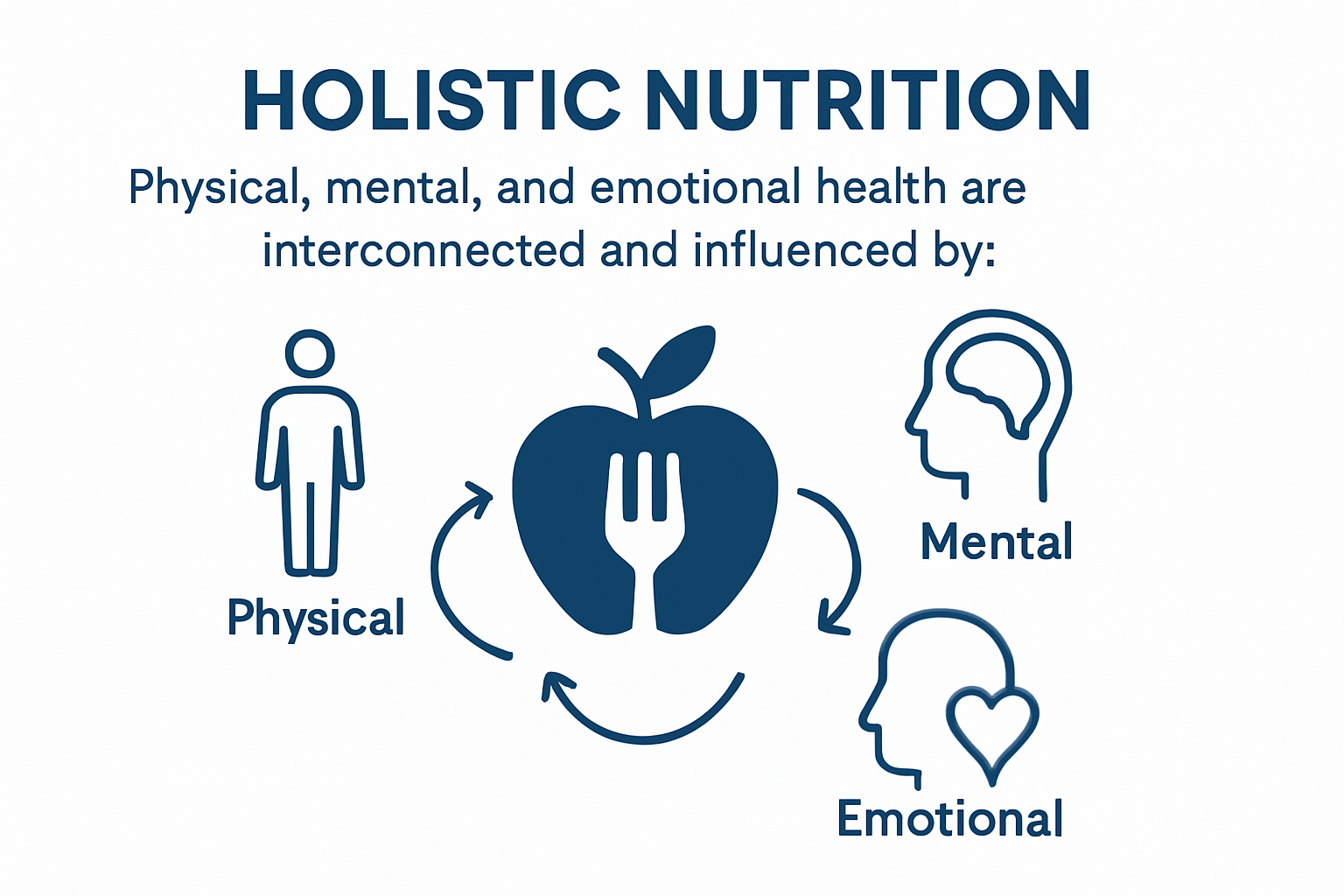
The Integrated Wellness Perspective
A holistic nutrition approach recognizes that nutrition is not a one-size-fits-all concept. According to research published in the Journal of Nutrition Education and Behavior, personalized nutrition interventions can significantly improve health outcomes by addressing individual dietary needs and behavioral patterns. This methodology views the human body as an interconnected system where nutritional choices impact every aspect of well-being.
The core principle of this approach is understanding that nutrition transcends mere food consumption. It encompasses how different nutrients interact with individual biochemistry, genetic predispositions, lifestyle factors, and environmental influences. By considering these complex interactions, individuals can develop more targeted and effective nutritional strategies.
Science Behind Holistic Nutrition
Modern scientific research increasingly supports the holistic nutrition framework. The American Journal of Health Promotion highlights the shift from traditional Western medical perspectives to a more comprehensive understanding of health. This approach integrates physical, mental, and spiritual dimensions, recognizing that optimal nutrition involves more than just consuming the right nutrients.
Key components of a holistic nutrition approach include:
- Personalized Assessment: Comprehensive evaluation of individual health markers, genetic predispositions, and lifestyle factors
- Comprehensive Nutritional Strategies: Developing targeted dietary plans that address specific health goals and challenges
- Lifestyle Integration: Considering how sleep, stress management, physical activity, and emotional well-being interconnect with nutritional intake
Implementing a Holistic Nutrition Strategy
Transitioning to a holistic nutrition approach requires a multifaceted strategy. It demands a deep understanding of individual health requirements and a willingness to view nutrition as a dynamic, personalized journey. By embracing this comprehensive perspective, individuals can develop more nuanced, effective approaches to their dietary and wellness goals.
The Annals of the Academy of Medicine research demonstrates that holistic nutrition programs can lead to significant improvements in nutritional knowledge and dietary behaviors. This evidence underscores the potential of a more integrated approach to personal nutrition and wellness.
Ultimately, the holistic nutrition approach empowers individuals to take a proactive, informed stance toward their health. It moves beyond restrictive diets and generic nutritional advice, offering a more sophisticated, personalized pathway to optimal well-being.
Personalizing Nutrition for Your Body and Goals
Personalizing nutrition is not a luxury but a strategic approach to optimizing individual health and performance. Each person’s body responds differently to nutrients, making a tailored nutritional strategy essential for achieving specific wellness and fitness objectives.
Understanding Individual Nutritional Needs
Nutrition is fundamentally a personal journey. A randomized controlled trial demonstrated that personalized dietary programs can lead to significant improvements in metabolic markers, including substantial reductions in triglyceride levels and improvements in body weight and diet quality. This research underscores the importance of moving beyond generic dietary recommendations.
Factors influencing individual nutritional requirements include:
- Genetic Predispositions: Your unique genetic makeup determines how your body processes and utilizes nutrients
- Metabolic Profile: Individual differences in metabolism affect nutrient absorption and energy utilization
- Health Goals: Whether you aim to build muscle, lose weight, or manage a specific health condition
Precision Nutrition Strategies

Creating a personalized nutrition plan requires a comprehensive approach. The National Institute of Nursing Research emphasizes the importance of a ‘whole person health’ perspective that integrates biological and ecological factors.
However, it is crucial to note that personalization is not a guaranteed solution. A systematic review of randomized trials highlighted that personalized nutrition interventions do not consistently improve dietary, behavioral, or health outcomes across all populations. This finding suggests the need for continued research and individualized approaches.
Implementing Your Personalized Nutrition Plan
Successful personalized nutrition requires ongoing assessment and adaptation. Your nutritional needs will change based on age, activity level, health status, and personal goals. Regular monitoring and willingness to adjust your approach are key to long-term success.
Effective personalization involves:
- Comprehensive health assessments
- Regular tracking of nutritional intake
- Periodic reevaluation of nutritional strategies
- Integration of feedback from your body’s responses
The goal of personalized nutrition is not perfection but progress. By understanding your unique physiological characteristics and continuously refining your approach, you can develop a nutrition strategy that supports your individual health and wellness objectives.
Integrating Science-Backed Supplements Safely
Supplement integration is a critical component of a holistic nutrition approach, requiring careful consideration, scientific understanding, and personalized strategy. The landscape of nutritional supplementation is complex, demanding a thoughtful and informed approach to ensure safety and effectiveness.
Understanding Supplement Selection
Research from the National Institutes of Health emphasizes that supplement selection should transition from a reductionist to a holistic paradigm. This means moving beyond isolated nutrient supplementation towards a more comprehensive approach that considers an individual’s entire nutritional ecosystem.
Key considerations for supplement selection include:
- Comprehensive health assessment
- Individual metabolic profile
- Potential interactions with existing medications
- Evidence-based research supporting specific supplements
The critical aspect of supplement integration is not just about consuming vitamins or minerals, but understanding their precise role in your personal health strategy.
Safety and Interaction Management
Safety is paramount when introducing supplements to your nutrition plan. An innovative AI-driven research tool has been developed specifically to identify potential interactions between dietary supplements and medications, highlighting the complexity of supplement integration.
Potential risks include:
- Medication Interactions: Some supplements can alter the effectiveness of prescription drugs
- Dosage Complications: Excessive intake can lead to adverse health effects
- Quality Variations: Not all supplements are created equal
To help readers quickly assess the major risks and key actions for safe supplement integration, the following table summarizes these elements.
| Potential Risk | Description | Recommended Action |
|---|---|---|
| Medication Interactions | Supplements may alter prescription drug efficacy | Consult healthcare professional |
| Dosage Complications | High intake can cause adverse health effects | Follow dosage guidelines |
| Quality Variations | Supplements differ in quality and purity | Choose reputable brands |
Regulatory and Professional Guidance
The current regulatory framework for dietary supplements emphasizes the importance of adhering to established guidelines. This means consulting healthcare professionals, reviewing scientific literature, and understanding the specific needs of your body.
Effective supplement integration requires:
- Regular health monitoring
- Professional medical consultation
- Periodic reassessment of supplement efficacy
- Transparency about all consumed supplements with healthcare providers
The goal is not to create a complex supplementation regimen, but to develop a targeted, scientifically-supported approach that complements your nutrition strategy. Supplements should fill nutritional gaps, not replace a balanced diet.
Remember that personalized nutrition is a dynamic process. What works today might need adjustment tomorrow. Continuous learning, professional guidance, and a holistic perspective are key to safely and effectively integrating supplements into your wellness journey.
Tracking Progress and Optimizing Wellness
Tracking wellness is a dynamic process that transforms passive health management into an active, data-driven journey of personal optimization. By leveraging modern technologies and scientific insights, individuals can now monitor their health with unprecedented precision and understanding.
Comprehensive Health Monitoring
The Health and Wellness Project demonstrates the power of integrated health tracking. This approach involves comprehensive assessments that go beyond traditional metrics, including whole genome sequencing, clinical laboratory testing, gut microbiome analysis, and continuous monitoring of physical activity, sleep, and key physiological markers.
Key tracking components include:
- Detailed metabolic profiling
- Continuous physiological data collection
- Regular health consultations
- Personalized feedback mechanisms
The goal is not just data collection, but transforming that information into actionable insights that drive meaningful health improvements.
To clarify the various methods used in modern health tracking, the following table provides a summary of key health monitoring tools and their focus areas.
| Health Tracking Method | Focus Area | Example Activity |
|---|---|---|
| Whole Genome Sequencing | Genetic predispositions | DNA analysis for health risks |
| Clinical Lab Testing | Biochemical health markers | Blood glucose/cholesterol monitoring |
| Gut Microbiome Analysis | Digestive health, immunity | Stool testing for gut bacteria |
| Activity/Sleep Monitoring | Physical activity & sleep patterns | Wearable devices, fitness trackers |
Advanced Nutritional Response Tracking
The Personalized Responses to Dietary Composition Trial (PREDICT) represents a breakthrough in understanding individual nutritional responses. This innovative research program utilizes advanced technologies to create personalized nutrition guidance based on an individual’s unique metabolic profile.
The approach involves:
- Genetic Analysis: Understanding individual genetic predispositions
- Metabolomic Insights: Tracking how your body responds to different nutrients
- Continuous Monitoring: Using digital devices to track real-time physiological responses
Optimizing Your Wellness Journey
Research from the Health Council of Canada highlights that effective wellness tracking is more than just collecting data. It’s about creating a responsive, adaptive approach to personal health.
Effective optimization strategies include:
- Maintaining a detailed health journal
- Regularly consulting with health professionals
- Using technology to track progress
- Remaining flexible and open to adjusting your approach
The most successful wellness strategies recognize that health is not a destination but a continuous journey of learning and adaptation. By embracing data-driven insights and maintaining a holistic perspective, you can create a personalized approach that evolves with your changing needs.
Remember, the ultimate goal of tracking is not perfection, but progress. Each data point is an opportunity to understand your body better, make informed decisions, and move closer to your optimal state of well-being.
Frequently Asked Questions
What is a holistic nutrition approach?
A holistic nutrition approach emphasizes the interconnectedness of physical, mental, and emotional well-being, focusing on personalized dietary strategies tailored to individual health needs.
Why is personalized nutrition important?
Personalized nutrition is crucial as it considers individual genetic predispositions, metabolic profiles, and health goals, leading to significantly better health outcomes than one-size-fits-all diets.
How can I safely integrate supplements into my nutrition plan?
To safely integrate supplements, conduct a comprehensive health assessment, consult with healthcare professionals, and be aware of any potential interactions with medications. Always prioritize high-quality supplements.
What methods can I use to track my nutritional progress?
You can track your nutritional progress by using advanced health monitoring tools, maintaining a detailed health journal, consulting with health professionals regularly, and leveraging technology for continuous data collection.
Unlock Truly Personalized Wellness with Menalam
Are you tired of generic nutrition advice that fails to address your unique body and goals? The article highlighted how a holistic nutrition approach delivers real results by focusing on individual genetic factors, metabolic needs, and ongoing health data. But despite all the research, mapping out your own tailored plan and tracking supplement intake can quickly become overwhelming. You deserve a science-backed, easy-to-follow solution that keeps pace with your changing life.
Step into the future of wellness with Menalam. Reveal your most effective supplement plan after a quick health quiz, receive AI-powered recommendations that align with your personal profile, and use the Menalam mobile app to track your progress every step of the way. Compression of genetics, diet, and evolving health goals is now possible on one secure platform. Embrace holistic nutrition in 2025 and act now to see the impact of truly individualized support. Make your first move with Menalam’s digital nutritionist today and transform your health journey into a data-driven success story.
Leave a Reply