


Nutrient interactions shape how your body absorbs and uses every vitamin and mineral you eat. Some nutrients work together to supercharge results and others actually block each other without you realizing it. Here is something many miss—combining vitamin C with iron-rich plant foods can boost iron absorption by up to 67 percent, but mixing calcium with iron at the same meal does the opposite and shuts down absorption. Getting these pairings right is more powerful than any supplement on the market.
Table of Contents
- What Are Nutrient Interactions And Why They Matter
- Key Nutrient Combinations For Optimal Health
- How To Track And Adjust Your Nutrient Intake
- Science-Backed Tips For Safe Supplement Use
Quick Summary
| Takeaway | Explanation |
|---|---|
| Understand Nutrient Interactions | Nutrient interactions can be synergistic or antagonistic, influencing absorption and metabolism; tailoring nutrition strategies to individual biochemical profiles is crucial for optimal health. |
| Strategic Nutrient Pairing | Combining specific nutrients, such as vitamin C with iron-rich foods, can significantly enhance absorption and bioavailability, emphasizing the importance of thoughtful meal planning. |
| Leverage Technology for Tracking | Utilizing digital tools for real-time nutrient tracking and comprehensive assessments can provide insights into dietary patterns and help identify potential deficiencies. |
| Evaluate Supplement Quality | Assess supplements through third-party certifications and detailed ingredient lists to ensure safety and effectiveness; consult healthcare providers for personalized supplementation strategies. |
| Personalize Nutritional Approaches | Individual variations in health conditions and lifestyle demands customized dietary plans; engage with nutrition experts for tailored interventions that align with specific metabolic needs. |
What Are Nutrient Interactions and Why They Matter
Nutrient interactions represent complex biochemical processes where different vitamins, minerals, and compounds interact within the human body, profoundly influencing overall nutritional absorption, metabolism, and health outcomes. Understanding these intricate relationships is crucial for developing personalized nutrition strategies that optimize wellness.
The Science Behind Nutrient Synergy
Nutrient interactions occur when one nutrient affects the absorption, transportation, metabolism, or excretion of another. These interactions can be synergistic (enhancing each other’s effectiveness) or antagonistic (inhibiting each other’s functions). The National Center for Complementary and Integrative Health emphasizes the critical need for advanced research strategies to comprehend how nutritional interventions interact across multiple biological systems.
For instance, vitamin C dramatically increases iron absorption from plant-based sources, while calcium can interfere with iron uptake if consumed simultaneously. Similarly, certain minerals like zinc and copper compete for absorption, potentially creating imbalances if not carefully managed. These nuanced interactions demonstrate why a one-size-fits-all approach to nutrition falls short of addressing individual metabolic needs.
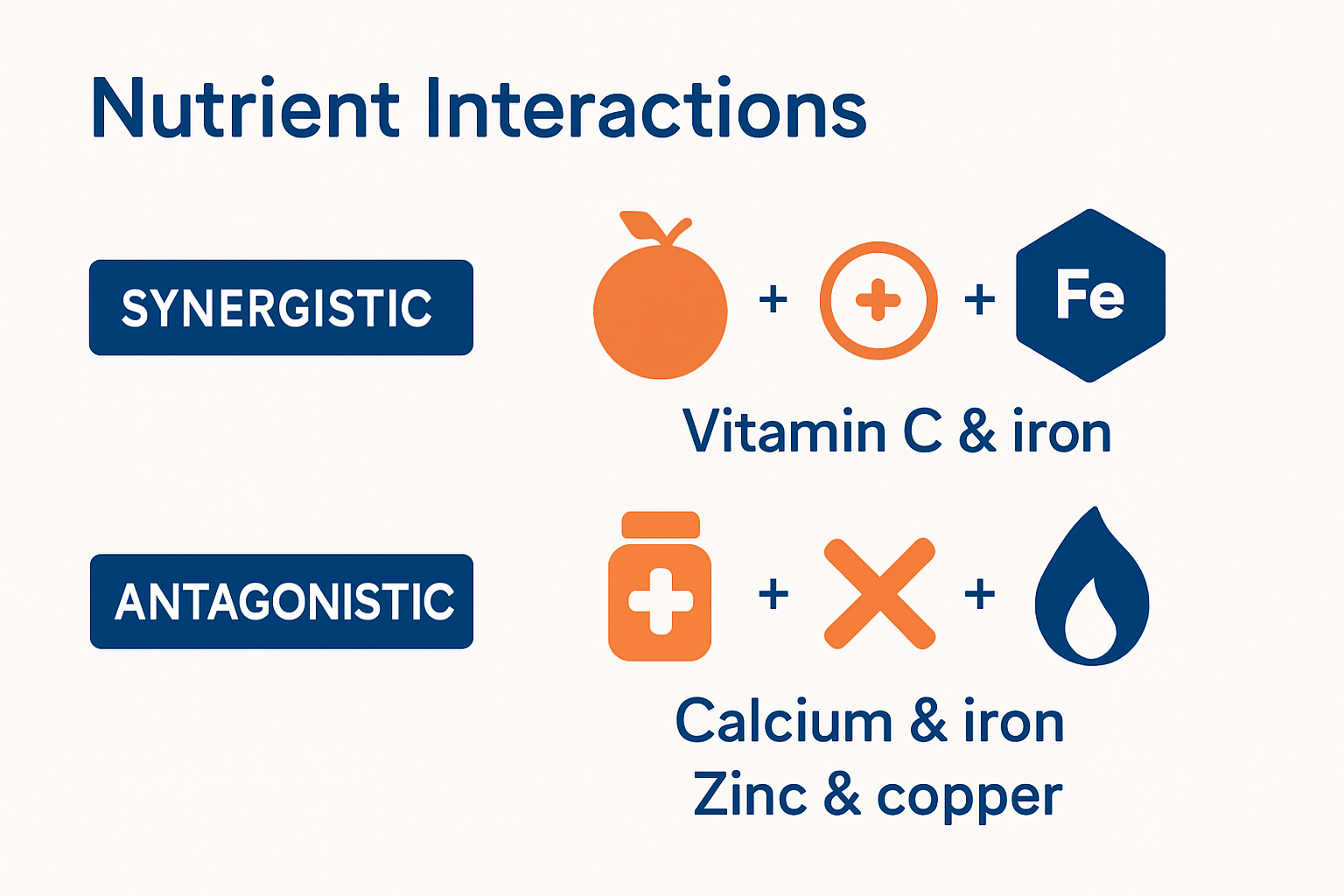
To help visualize key synergistic and antagonistic nutrient interactions discussed in this section, the following table organizes several notable examples, their effects, and representative sources:
| Nutrient Pair | Type | Effect on Absorption/Function | Common Food Sources |
|---|---|---|---|
| Vitamin C + Iron | Synergistic | Increases iron absorption (up to 67%) | Citrus fruits + spinach, beans, lentils, tofu |
| Calcium + Iron | Antagonistic | Decreases iron absorption | Dairy + leafy greens, legumes |
| Zinc + Copper | Antagonistic | Compete for absorption | Shellfish + nuts, seeds |
| Calcium + Magnesium | Synergistic | Support bone health, aid absorption | Dairy + leafy greens, whole grains |
| Vitamin D + Calcium | Synergistic | Vitamin D boosts calcium metabolism | Fortified milk + eggs, fish, sunlight exposure |
| Probiotics + Prebiotics | Synergistic | Enhance gut health and digestion | Yogurt + garlic, onions, bananas, asparagus |
Implications for Personalized Nutrition
Recent scientific conferences have highlighted the significant impact of nutrient-nutrient interactions on human health. Research published in nutritional science journals indicates that these interactions substantially influence absorption, metabolism, and potential health outcomes. This understanding underscores the importance of personalized nutrition strategies that consider individual biochemical profiles.
Consider how different genetic variations, lifestyle factors, and existing health conditions can alter nutrient interactions. A person with a specific genetic mutation might metabolize certain vitamins differently, requiring tailored supplementation approaches. Athletes, individuals with chronic conditions, or those experiencing significant life stages like pregnancy might have unique nutritional interaction patterns that demand specialized attention.
By recognizing and mapping these intricate nutrient interactions, healthcare professionals and nutrition experts can develop more precise, individualized dietary recommendations. This approach moves beyond generic nutritional advice, offering targeted interventions that address specific metabolic needs, potential deficiencies, and optimization strategies.
The complexity of nutrient interactions highlights why tracking and understanding these relationships is fundamental to achieving optimal wellness. It transforms nutrition from a standardized recommendation to a personalized, scientifically informed approach that considers the unique biochemical landscape of each individual.
Key Nutrient Combinations for Optimal Health
Optimal health depends not just on individual nutrients but on strategic combinations that enhance absorption, bioavailability, and overall nutritional effectiveness. Understanding these powerful nutrient pairings can transform how we approach dietary planning and supplementation.
Strategic Nutrient Pairing for Maximum Absorption
Certain nutrient combinations dramatically improve the body’s ability to absorb and utilize essential vitamins and minerals. Stanford Lifestyle Medicine researchers highlight the importance of intentional food pairing to maximize nutritional benefits. For instance, combining vitamin C-rich foods with iron-rich plant-based sources significantly enhances non-heme iron absorption, a critical consideration for individuals following vegetarian or vegan diets.
Fat-soluble vitamins (A, D, E, and K) require healthy fats for optimal absorption. Adding a small amount of olive oil to a leafy green salad can dramatically increase the body’s ability to absorb these essential nutrients. This principle demonstrates how thoughtful meal composition can transform nutritional intake from basic sustenance to targeted health optimization.

Synergistic Nutrient Interactions
Research published in the Journal of Nutritional Science reveals complex interactions between nutrients that can either enhance or inhibit each other’s effectiveness. Calcium and magnesium, for example, work together to support bone health, with magnesium playing a crucial role in calcium absorption and bone mineral density. Similarly, vitamin D is essential for calcium metabolism, creating a symbiotic relationship that underscores the importance of comprehensive nutritional strategies.
Probiotics and prebiotics offer another remarkable example of nutrient synergy. Probiotics introduce beneficial bacteria to the gut, while prebiotics provide the necessary food for these microorganisms to thrive. This combination supports digestive health, immune function, and overall metabolic balance. Understanding these intricate relationships allows for more targeted and effective nutritional interventions.
Personalized Nutrient Combination Strategies
Individual variations in genetics, metabolism, and health conditions demand personalized approaches to nutrient combinations. Athletes, for instance, may require different nutrient pairings compared to individuals managing chronic conditions or those in specific life stages like pregnancy. Zinc and selenium work together to support immune function, but their optimal intake varies based on individual health profiles.
The key lies in recognizing that nutrition is not a one-size-fits-all solution. By understanding the complex interactions between nutrients, individuals can develop more sophisticated approaches to dietary planning. This might involve strategic supplementation, carefully planned meal combinations, or working with nutrition experts to create personalized nutritional strategies.
Ultimately, mastering nutrient combinations represents a sophisticated approach to wellness. It moves beyond simply consuming individual vitamins and minerals, transforming nutrition into a precise, scientifically informed practice that considers the intricate biochemical interactions within the human body.
For quick reference, the table below summarizes strategic nutrient pairings and their key benefits, as discussed throughout this section:
| Nutrient Pair | Benefit | Who Benefits Most |
|---|---|---|
| Vitamin C + Iron | Boosts non-heme iron absorption | Vegetarians, vegans, menstruating individuals |
| Fat + Vitamins A, D, E, K | Enhances absorption of fat-soluble vitamins | Anyone consuming leafy salads, low-fat diets |
| Calcium + Magnesium | Supports bone health, absorption | Aging adults, those at risk of osteoporosis |
| Vitamin D + Calcium | Optimizes calcium metabolism, bone strength | Individuals with limited sun exposure, older adults |
| Probiotics + Prebiotics | Improves gut and immune health | People seeking digestive support, those on antibiotics |
| Zinc + Selenium | Enhances immune function | Athletes, individuals with immune concerns |
How to Track and Adjust Your Nutrient Intake
Tracing and optimizing nutrient intake requires a strategic approach that combines technological tools, scientific understanding, and personalized health tracking. Modern approaches to nutritional management go far beyond traditional dietary logs, offering sophisticated methods to understand and adjust individual nutritional profiles.
Leveraging Technology for Nutritional Monitoring
The U.S. Department of Agriculture’s FoodData Central provides comprehensive resources for detailed nutrient tracking, offering individuals precise information about the nutritional content of various foods. Digital platforms and mobile applications now enable real-time nutrient intake monitoring, transforming how people understand their dietary patterns.
Nutrient tracking technologies can analyze food consumption, calculate micronutrient and macronutrient intake, and provide instant feedback on potential deficiencies or imbalances. These tools often integrate with wearable devices, creating a holistic view of nutritional intake alongside physical activity and metabolic markers. By generating visual representations of nutrient consumption, individuals can make informed decisions about their dietary strategies.
Comprehensive Nutritional Assessment Strategies
Research from the National Institutes of Health emphasizes the importance of comprehensive nutritional assessments that go beyond simple calorie counting. These assessments typically involve multiple evaluation methods, including blood tests, dietary surveys, and metabolic screenings. By combining these approaches, healthcare professionals can develop nuanced understanding of an individual’s unique nutritional landscape.
Blood tests provide critical insights into nutrient levels, identifying potential deficiencies or excesses that might not be immediately apparent through dietary logs. Micronutrient panels can reveal specific imbalances in vitamins, minerals, and other essential compounds. This scientific approach allows for targeted interventions, enabling precise nutritional adjustments tailored to individual metabolic needs.
Personalized Adjustment Techniques
Successful nutrient intake management requires continuous monitoring and adaptive strategies. Individuals should consider regular consultations with nutrition experts who can interpret complex data and recommend personalized interventions. Factors like age, gender, activity level, existing health conditions, and genetic predispositions significantly influence nutritional requirements.
Effective nutrient adjustment involves more than simply adding or removing specific foods. It requires understanding how different nutrients interact, recognizing individual metabolic variations, and developing flexible dietary strategies. Some individuals might require supplementation, while others can achieve optimal nutrition through carefully planned dietary modifications.
Technology now enables unprecedented precision in nutritional tracking. Mobile applications can log food intake, calculate nutrient ratios, and provide recommendations based on individual health profiles. These digital tools transform nutrition from a generalized recommendation to a personalized, data-driven approach that adapts to changing health needs.
The future of nutritional management lies in this intersection of technology, personalized medicine, and scientific understanding. By embracing comprehensive tracking methods and remaining open to continuous adjustment, individuals can develop nutrition strategies that support long-term health and wellness.
Science-Backed Tips for Safe Supplement Use
Navigating the complex world of dietary supplements requires careful consideration, scientific understanding, and a proactive approach to personal health. While supplements can offer valuable nutritional support, their use demands informed decision-making and strategic implementation.
Understanding Supplement Safety Guidelines
The Office of Dietary Supplements emphasizes the critical importance of consulting healthcare providers before initiating any supplement regimen. Not all supplements are universally safe or appropriate for every individual. Factors such as existing health conditions, current medications, genetic predispositions, and individual metabolic profiles significantly influence supplement effectiveness and potential risks.
The National Center for Complementary and Integrative Health warns against supplements claiming to treat or prevent diseases, as such claims are not legally permitted by regulatory agencies. This underscores the need for a scientific and cautious approach to supplementation, focusing on evidence-based nutritional support rather than miraculous health claims.
Evaluating Supplement Quality and Authenticity
Not all supplements are created equal. Rigorous assessment of supplement quality involves examining several key factors. Look for third-party testing certifications from reputable organizations like NSF International or USP (United States Pharmacopeia), which verify product purity, potency, and manufacturing standards. These certifications provide an additional layer of quality assurance beyond manufacturer claims.
Comprehensive supplement evaluation should include reviewing ingredient lists, understanding potential interactions with existing medications, and being aware of potential side effects. Transparent brands will provide detailed information about sourcing, manufacturing processes, and potential contraindications. Individuals should approach supplement selection with the same critical thinking applied to selecting prescription medications.
Personalized Supplementation Strategies
Effective supplement use requires a personalized approach that considers individual health goals, existing nutritional intake, and potential deficiencies. Comprehensive blood tests and professional nutritional assessments can provide insights into specific micronutrient needs. These tests help identify precise supplementation requirements, moving beyond generic recommendations.
Periodic reassessment is crucial. Nutritional needs change with age, lifestyle modifications, health status, and metabolic variations. What works effectively at one life stage might require adjustment in another. Regular consultations with healthcare professionals who understand your comprehensive health profile can help develop dynamic, responsive supplementation strategies.
Moderation and balance remain key principles in supplement use. Excessive intake of certain vitamins and minerals can lead to adverse health effects. Fat-soluble vitamins like A, D, E, and K can accumulate in body tissues, potentially causing toxicity if consumed in excessive amounts. Water-soluble vitamins, while generally safer, still require careful management.
The future of supplementation lies in personalized, scientifically validated approaches that view nutritional support as a nuanced, individualized journey. By combining technological insights, professional guidance, and a commitment to evidence-based practices, individuals can develop supplement strategies that genuinely support their unique health objectives.
Frequently Asked Questions
What are nutrient interactions and why do they matter?
Nutrient interactions are biochemical processes in which different vitamins, minerals, and compounds affect each other’s absorption and metabolism. Understanding these interactions is crucial for developing personalized nutrition strategies that optimize health outcomes.
How can I increase iron absorption from plant-based foods?
Combining vitamin C-rich foods, such as citrus fruits, with iron-rich plant foods like spinach and legumes can increase non-heme iron absorption by up to 67%, making it an effective strategy for enhancing iron intake from vegetarian and vegan diets.
Why is it important to personalize my nutritional intake?
Personalizing your nutritional intake is essential because individual variations in genetics, metabolism, and health conditions can alter how nutrients are absorbed and utilized. Tailored dietary plans optimize health by addressing specific metabolic needs and potential deficiencies.
What tips can enhance my understanding of safe supplement use?
To ensure safe supplement use, always consult with healthcare providers before starting any regimen, examine supplement quality through third-party certifications, and personalize your supplementation strategies based on individual health goals and nutritional assessments.
Personalize Nutrient Interactions With AI-Driven Wellness
Have you ever felt overwhelmed by the complexity of nutrient interactions or worried that your diet and supplement choices might not deliver real results? The article reveals how the wrong nutrient combinations can block absorption and leave your health goals unmet. Many people struggle to track all these moving parts and create a truly personalized wellness plan.
Take the guesswork out of your nutrition with Menalam’s personalized supplement recommendations. Using artificial intelligence, Menalam analyzes your health profile, lifestyle, and even your blood test results so you always get supplement advice matched to your unique needs. The easy-to-use mobile app also keeps you accountable with smart reminders and tracks your progress in real time. Ready to optimize your nutrient absorption and finally unlock better results? Visit Menalam today and get your tailored wellness plan started now.
Leave a Reply