


Everyone wants more energy that actually lasts. Turns out, even mild dehydration can cut your energy and brain performance without you even realizing. Most people reach for coffee or quick fixes, expecting a boost. The truth is, your unique biology holds the real secret to feeling wired and ready—and the right strategies can unlock energy levels you never thought possible.
Table of Contents
- Personalized Nutrition For Lasting Energy
- Daily Habits That Boost Natural Vitality
- Safe Supplements And Tracking Your Progress
Quick Summary
| Takeaway | Explanation |
|---|---|
| Personalized Nutrition is Key | Tailoring dietary strategies to individual genetic, metabolic, and lifestyle factors significantly enhances energy levels and overall wellness. |
| Incorporate Regular Physical Activity | Engaging in consistent exercise boosts mitochondrial density, improving energy production and metabolic efficiency. |
| Maintain Proper Hydration | Adequate water intake is crucial for cognitive function and metabolic efficiency, as even mild dehydration can impair energy levels. |
| Use Evidence-Based Supplements | Supplements like Coenzyme Q10 and B-Complex Vitamins can support energy metabolism; however, individual consultation is vital for effective use. |
| Track Your Energy Levels | Implementing strategies like energy level journaling and wearable technology can help monitor the effectiveness of dietary and supplement interventions. |
Personalized Nutrition for Lasting Energy
Understanding individual nutritional needs represents a revolutionary approach to maintaining consistent energy levels. Traditional one-size-fits-all dietary recommendations fall short of addressing the complex metabolic variations among individuals. Personalized nutrition emerges as a sophisticated strategy for optimizing energy production and sustaining vitality throughout the day.
The Science of Individual Metabolic Responses
Research reveals remarkable insights into how different people metabolize nutrients uniquely. A groundbreaking study published in PubMed demonstrated significant variability in blood glucose responses among participants consuming identical meals. This scientific breakthrough highlights the critical importance of personalized nutritional strategies.
The human body’s metabolic processes are intricate systems influenced by multiple factors including genetic makeup, gut microbiota composition, physical activity levels, and individual biochemical responses. Machine-learning algorithms now enable precise tracking and prediction of these complex interactions. By analyzing comprehensive health data, researchers can develop targeted nutritional interventions that support sustained energy production.
Tailoring Nutrition to Individual Genetic Profiles
The Food4Me randomized controlled trial conducted across multiple European countries demonstrated remarkable outcomes in personalized nutrition interventions. When dietary recommendations considered an individual’s genetic, phenotypic, and environmental data, participants experienced more significant and appropriate dietary behavior changes compared to conventional approaches.
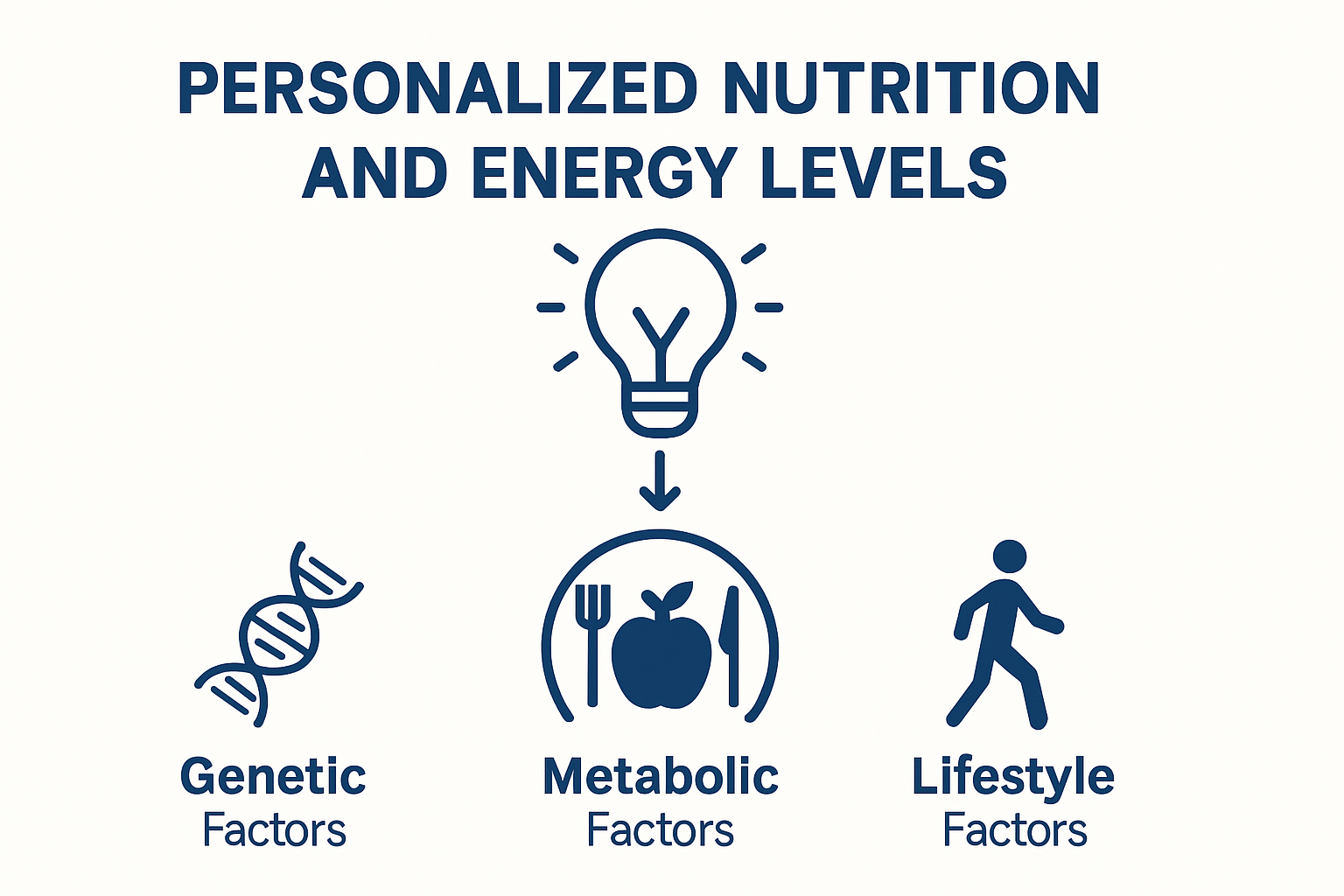
Key factors in creating a personalized nutrition plan include:
- Genetic Analysis: Identifying specific genetic variations that impact nutrient metabolism
- Metabolic Profiling: Assessing individual blood markers and metabolic efficiency
- Lifestyle Assessment: Evaluating physical activity, stress levels, and sleep patterns
Implementing a Personalized Energy Optimization Strategy
Creating an effective personalized nutrition plan requires a comprehensive approach. Advanced health platforms now utilize sophisticated algorithms to analyze individual health data, providing tailored recommendations that go beyond traditional dietary guidelines. By integrating blood test results, lifestyle metrics, and genetic information, these systems can generate precise nutritional strategies designed to optimize energy production.
A systematic review of randomized trials confirmed that personalized nutrition interventions significantly improve dietary quality and metabolic efficiency. These targeted approaches can help individuals make more informed nutritional choices, leading to improved energy levels and overall wellness.
The future of nutrition lies in understanding that each person’s body is a unique ecosystem. By embracing personalized nutrition, individuals can unlock their body’s full potential, achieving sustained energy levels that support peak performance in daily life.
Daily Habits That Boost Natural Vitality

Sustaining consistent energy requires strategic daily practices that support physiological wellness. Beyond temporary quick fixes, sustainable vitality emerges from intentional lifestyle choices that nourish the body and optimize metabolic function. Understanding and implementing scientifically validated daily habits can transform your overall energy levels and enhance performance.
Movement and Physical Engagement
Research from Harvard Medical School demonstrates that regular physical activity plays a crucial role in energy production. Exercise increases mitochondrial density in muscle cells, which are fundamental energy-generating structures. This biological adaptation enables more efficient cellular energy conversion and metabolic processes.
Consistent physical activity offers multifaceted benefits for natural vitality:
- Cardiovascular Conditioning: Improves oxygen circulation and cardiovascular efficiency
- Metabolic Optimization: Enhances mitochondrial function and energy production
- Hormonal Balance: Regulates stress hormones and supports endocrine system health
Nutrition and Metabolic Support
Nutritional research from leading health institutions highlights the importance of strategic dietary choices. Consuming whole grains, lean proteins, and nutrient-dense foods provides sustained energy release and supports metabolic consistency. Complex carbohydrates and proteins work synergistically to stabilize blood sugar levels and prevent energy fluctuations.
Key nutritional strategies for maintaining natural vitality include:
- Balanced Macronutrient Intake: Combining proteins, complex carbohydrates, and healthy fats
- Consistent Meal Timing: Eating at regular intervals to maintain metabolic rhythm
- Micronutrient Diversity: Incorporating foods rich in vitamins and minerals
Hydration and Recovery Practices
Hydration research from Colorado State University underscores the critical role of water in maintaining energy levels. Even mild dehydration can significantly impair cognitive function and metabolic efficiency. Proper hydration supports cellular processes, facilitates nutrient transport, and helps regulate body temperature.
Comprehensive hydration and recovery strategies include:
- Water Intake Management: Consuming adequate fluids throughout the day
- Quality Sleep Hygiene: Establishing consistent sleep patterns
- Stress Reduction Techniques: Implementing mindfulness and relaxation practices
Below is a summary table highlighting daily habits that contribute to increased energy and natural vitality, consolidating key strategies from the previous sections:
| Daily Habit | Purpose/Benefit | Example Practice |
|---|---|---|
| Physical Activity | Enhances mitochondrial density, energy production | Regular aerobic exercise |
| Balanced Nutrition | Stabilizes blood sugar, provides sustained energy | Whole grains, lean proteins, healthy fats |
| Consistent Meal Timing | Maintains metabolic rhythm and prevents energy dips | Eating at regular intervals |
| Hydration | Supports cognitive function and metabolic efficiency | Drinking water throughout the day |
| Quality Sleep Hygiene | Facilitates recovery and restores energy | Consistent sleep schedule |
| Stress Reduction Techniques | Minimizes hormonal imbalances and fatigue | Mindfulness, relaxation practices |
Transforming daily habits requires consistent commitment and understanding of individual physiological needs. By integrating scientifically supported practices of movement, nutrition, and recovery, individuals can cultivate sustainable energy that supports peak performance and overall wellness. The journey to natural vitality is not about drastic changes but strategic, incremental improvements that compound over time.
Safe Supplements and Tracking Your Progress
Navigating the world of nutritional supplements requires a strategic and informed approach. Understanding which supplements can safely support energy levels and implementing effective tracking methods are crucial for optimizing personal health and wellness.
Evidence-Based Supplement Selection
Research published in Medical News Today highlights the potential of targeted supplement combinations in supporting energy metabolism. For instance, combining L-theanine with caffeine has demonstrated promising results in enhancing attention and reducing stress-related energy depletion.
Key supplements scientifically recognized for supporting natural energy include:
- Coenzyme Q10: Supports mitochondrial energy production
- B-Complex Vitamins: Essential for metabolic processes and cellular energy
- Adaptogenic Herbs: Help manage stress and support overall energy resilience
The following table summarizes the key evidence-based supplements discussed, their main functions, and important considerations for safe use:
| Supplement | Primary Function | Considerations |
|---|---|---|
| Coenzyme Q10 | Supports mitochondrial energy production | Consult with a physician before use |
| B-Complex Vitamins | Essential for cellular energy & metabolism | Individual needs may vary |
| Adaptogenic Herbs | Aid stress resilience, boost vitality | Potential for herb-drug interactions |
| L-theanine + Caffeine | Enhances attention, reduces stress impact | Monitor caffeine sensitivity |
Advanced Tracking and Monitoring Strategies
Clinical studies from PubMed indicate that targeted supplementation can significantly impact energy metabolism. Implementing a comprehensive tracking approach involves multiple assessment methods to understand supplement effectiveness and individual physiological responses.
Effective tracking strategies encompass:
- Biomarker Analysis: Regular blood tests to measure nutrient levels
- Energy Level Journaling: Daily tracking of subjective energy experiences
- Wearable Technology: Utilizing devices that monitor metabolic and activity markers
Personalized Supplement Integration
Harvard Medical School research emphasizes the importance of individualized approaches to supplementation. What works for one person may not be equally effective for another. Consulting with healthcare professionals and utilizing advanced health platforms can help develop a tailored supplement strategy.
Critical considerations for safe supplement integration include:
- Professional Consultation: Working with healthcare providers
- Quality Sourcing: Selecting supplements from reputable manufacturers
- Gradual Introduction: Implementing supplements systematically
The journey to optimal energy is not about quick fixes but sustainable, scientifically informed strategies. By combining carefully selected supplements with rigorous tracking and personalized approaches, individuals can unlock their body’s natural potential for sustained vitality. Remember that supplements are complementary to a holistic approach of balanced nutrition, regular exercise, and proper rest.
Frequently Asked Questions
How can I increase my energy levels naturally?
To increase your energy levels naturally, focus on personalized nutrition, maintain regular physical activity, ensure proper hydration, and consider evidence-based supplements. These methods help optimize metabolic efficiency and support overall vitality.
What role does hydration play in energy levels?
Hydration is crucial for cognitive function and metabolic efficiency. Even mild dehydration can impair energy levels, so it’s important to drink enough water throughout the day to support cellular processes and overall health.
Are there specific supplements that can help boost energy?
Yes, evidence-based supplements such as Coenzyme Q10, B-Complex Vitamins, and adaptogenic herbs can support energy metabolism. However, it’s essential to consult with a healthcare professional to match supplements to your individual needs.
How can I track my energy levels effectively?
Tracking your energy levels can be done through energy journals, wearable technology to monitor activity and metabolic markers, and regular biomarker analysis through blood tests. These methods help assess the effectiveness of dietary and supplement interventions.
Transform Your Energy Goals into Action with Menalam
You have discovered how personalized nutrition and science-backed strategies can dramatically improve your everyday energy. But turning new knowledge into real-life success can be challenging when you are left to guess what actually works for your body. Feeling lost with one-size-fits-all solutions or confusing supplement advice is frustrating, especially when unique metabolism and hydration needs are playing such a big role in how you feel.
Step into a customized energy journey today. Menalam empowers you to move beyond generic wellness trends by giving you AI-powered supplement plans that match your health data, lifestyle, and goals. Take the quiz to get recommendations backed by research and track your progress on the Menalam app. Get started now at Menalam and see how it feels to act on your best, most energized self. Learn more about our personalized approach and explore how our digital nutritionist platform can help you put science into practice for lasting results.
Leave a Reply