


Choosing post workout supplements can make or break your recovery goals. Here is the wild part. One randomized controlled trial found a fat-free mass increase of 1.34 kilograms and a fat mass reduction of over a kilogram in just six weeks with the right supplement blend. Most people think nutrition after exercise is all guesswork, but the truth is that science-backed routines can be the fastest way to real results.
Table of Contents
- Choosing The Right Post Workout Supplements
- Science-Backed Ingredients For Muscle Recovery
- Personalizing Your Post Workout Supplement Routine
- Tracking Results And Adjusting Supplement Plans
Quick Summary
| Takeaway | Explanation |
|---|---|
| Understand Individual Nutritional Requirements | Choose post workout supplements that align with your workout intensity, body composition, and fitness objectives, recognizing that individual metabolic responses influence effectiveness. |
| Prioritize Nutrient Timing | Consuming a combination of carbohydrates and protein within 30 minutes to two hours post-exercise enhances muscle protein synthesis and glycogen restoration, optimizing recovery outcomes. |
| Incorporate Science-Backed Ingredients | Key ingredients such as BCAAs, curcumin, omega-3 fatty acids, and magnesium support muscle recovery and overall performance, reducing soreness and inflammation. |
| Personalize Supplement Routines | Develop a tailored supplement framework that considers individual metabolic profiles and adjust strategies based on performance tracking and physiological responses. |
| Track Performance Metrics | Systematic tracking of muscle mass changes, strength progression, and recovery rates is essential for evaluating supplement effectiveness and making informed adjustments to optimize recovery and performance. |
Choosing the Right Post Workout Supplements
Selecting the optimal post workout supplements requires a strategic approach that balances individual fitness goals, physiological needs, and scientific evidence. Your supplement choices can significantly impact recovery, muscle growth, and overall performance.
Understanding Individual Nutritional Requirements
Not all post workout supplements are created equal. The right combination depends on multiple factors including workout intensity, body composition, fitness objectives, and metabolic responses. Research from the International Society of Sports Nutrition demonstrates that personalized nutrition strategies yield superior results compared to generic supplementation approaches.
Athletes and fitness enthusiasts must consider specific parameters when selecting post workout supplements:
- Protein Quality: Select supplements with complete amino acid profiles that support muscle protein synthesis.
- Absorption Rate: Choose supplements that align with your body’s recovery window and metabolic needs.
- Individual Metabolic Response: Recognize that supplement effectiveness varies based on genetic factors and training intensity.

Science-Backed Supplement Selection Strategies
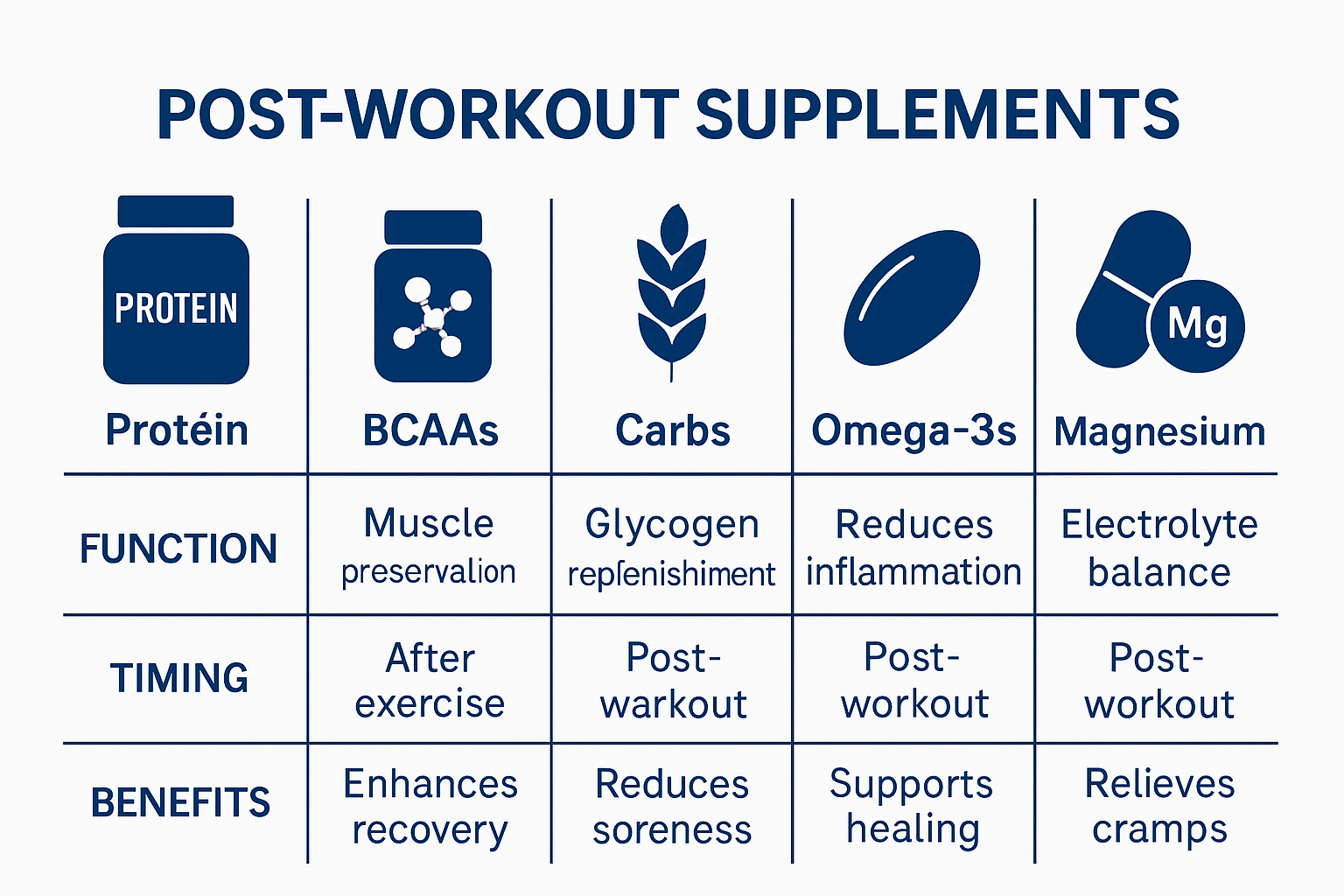
Consuming a combination of carbohydrates and protein within 30 minutes to two hours post-exercise significantly enhances muscle protein synthesis and glycogen restoration. Scientific research from MDPI highlights that strategic nutrient timing can accelerate recovery and optimize physiological adaptation.
Branched-chain amino acids (BCAAs) offer additional benefits. Nutritional studies suggest BCAAs may help reduce muscle soreness and fatigue, potentially lowering injury risks during intense training periods. These amino acids play a critical role in muscle recovery and can support overall athletic performance.
Holistic Supplement Considerations
Beyond immediate muscle recovery, consider supplements that support long-term athletic development. Omega-3 fatty acid research indicates these nutrients can promote joint health and decrease inflammation, which is particularly beneficial for endurance athletes experiencing repetitive stress.
When choosing post workout supplements, prioritize:
- Scientific Validation: Select supplements with peer-reviewed research supporting their efficacy.
- Personal Health Profile: Align supplement choices with your specific fitness goals and physiological requirements.
- Quality and Purity: Opt for supplements from reputable sources with transparent ingredient lists.
Effective supplementation is not about consuming the most products but selecting the right nutrients that complement your training regimen and support comprehensive recovery. By understanding your body’s unique needs and leveraging scientifically-backed nutritional strategies, you can optimize your post workout supplement approach.
Remember that individual responses to supplements can vary. Consulting with a sports nutritionist or healthcare professional can provide personalized insights tailored to your specific fitness journey and physiological characteristics.
Science-Backed Ingredients for Muscle Recovery
Advancing muscle recovery requires a comprehensive understanding of scientifically validated nutritional ingredients that support physiological repair and regeneration. The strategic selection of evidence-based supplements can significantly enhance post-exercise recovery and performance optimization.
Protein and Amino Acid Foundations
Branched-chain amino acids (BCAAs) represent a critical component in muscle recovery strategies. Research from the International Journal of Sport Nutrition and Exercise Metabolism demonstrates that leucine, isoleucine, and valine play pivotal roles in reducing muscle soreness and accelerating recovery processes. These essential amino acids trigger muscle protein synthesis and help mitigate exercise-induced muscle damage.
Protein supplementation extends beyond simple muscle building. Nutrition studies indicate that strategic protein intake within the post-exercise recovery window can enhance muscle repair mechanisms, reduce inflammation, and support long-term athletic adaptation.
Anti-Inflammatory Natural Compounds
Curcumin emerges as a powerful natural ingredient with significant muscle recovery potential. Clinical research published in the Journal of Sports Science and Medicine reveals its potent anti-inflammatory and antioxidant properties. By reducing exercise-induced muscle damage and inflammation, curcumin supports faster recovery and decreased muscle soreness.
Omega-3 fatty acids represent another crucial ingredient in muscle recovery protocols. Nutritional research from MDPI highlights their effectiveness in decreasing inflammation and supporting joint health. These essential fatty acids help athletes manage post-exercise inflammatory responses and promote comprehensive muscular recovery.
Advanced Recovery Nutrients
Beyond traditional supplements, emerging research points to specialized nutrients that support muscle recovery. Magnesium, for instance, plays a critical role in muscle function and recovery. Sports nutrition studies demonstrate its importance in muscle protein synthesis, energy production, and reducing muscle cramps.
Key ingredients for optimal muscle recovery include:
- BCAAs: Support muscle protein synthesis and reduce soreness
- Curcumin: Natural anti-inflammatory compound
- Omega-3 Fatty Acids: Decrease inflammation and support joint health
- Magnesium: Enhance muscle function and recovery processes
The effectiveness of these ingredients depends on individual metabolic responses, workout intensity, and overall nutritional strategies. Scientific consensus emphasizes that personalized approaches yield superior results compared to generic supplementation.
Consumers should prioritize high-quality, scientifically validated supplements and consider consulting healthcare professionals to develop tailored recovery strategies. Understanding the complex interactions between nutritional ingredients and physiological processes allows athletes and fitness enthusiasts to optimize their muscle recovery protocols.
Here is a table summarizing the key science-backed ingredients for muscle recovery and their primary benefits:
| Ingredient | Primary Benefit | Scientific Support |
|---|---|---|
| BCAAs | Muscle protein synthesis, reduce soreness | IJSEM Research |
| Curcumin | Anti-inflammatory, reduce muscle damage | Journal of Sports Science and Medicine |
| Omega-3 Fatty Acids | Decrease inflammation, support joint health | MDPI Research |
| Magnesium | Enhances muscle function & recovery | Sports Nutrition Studies |
Personalizing Your Post Workout Supplement Routine
Crafting a personalized post workout supplement routine requires a nuanced approach that considers individual physiological characteristics, fitness objectives, and metabolic responses. The one-size-fits-all strategy is obsolete in modern nutritional science.
Understanding Individual Metabolic Profiles
Personalized nutrition strategies represent the frontier of athletic performance optimization. Research from Frontiers in Nutrition demonstrates that individual metabolic responses to supplements vary significantly. Factors such as genetic makeup, body composition, workout intensity, and recovery capacity play crucial roles in determining optimal supplement protocols.
Key considerations for personalization include:
- Genetic Predispositions: Genetic variations impact nutrient absorption and metabolic efficiency
- Training Intensity: Different exercise modes require unique nutritional strategies
- Recovery Requirements: Individual muscle repair and glycogen replenishment rates differ
Strategic Nutrient Timing and Composition
Comprehensive studies from MDPI highlight the critical importance of nutrient timing in post-exercise recovery. Immediate supplementation with protein and carbohydrates can significantly reduce fatigue and enhance muscle function, particularly after high-intensity workouts.
Research published in the Journal of the International Society of Sports Nutrition reveals that consuming specific nutrients within precise windows can dramatically improve recovery outcomes. The first 30-45 minutes post-exercise represent a critical metabolic period where the body is most receptive to nutrient absorption and muscle repair mechanisms.
Developing a Personalized Supplement Framework
Creating an effective personalized supplement routine requires a multifaceted approach:
- Comprehensive Assessment: Conduct detailed health screenings and metabolic analyses
- Performance Tracking: Monitor workout performance, recovery rates, and physiological responses
- Iterative Optimization: Continuously adjust supplement strategies based on measurable outcomes
Advanced personalization techniques might include:
- Genetic testing to understand nutrient metabolism
- Blood panel analysis for identifying specific nutritional deficiencies
- Continuous performance monitoring using wearable technology
Consumers should recognize that personalization extends beyond selecting supplements. It involves understanding individual biochemical responses, tracking performance metrics, and remaining adaptable to changing physiological needs.
Expert recommendations from sports nutritionists consistently emphasize the importance of a holistic, data-driven approach to supplement selection. Working with healthcare professionals can provide insights that generic recommendations cannot.
Ultimately, a truly personalized post workout supplement routine is a dynamic process. It requires continuous learning, precise measurement, and a willingness to adjust strategies based on empirical evidence and individual physiological responses.
Tracking Results and Adjusting Supplement Plans
Effective supplement management transcends initial selection and requires a dynamic, data-driven approach to monitoring progress and making strategic adjustments. Continuous evaluation enables athletes and fitness enthusiasts to optimize their nutritional strategies for maximum performance and recovery.
Quantitative Performance Metrics
Research published in the Journal of the International Society of Sports Nutrition demonstrates that systematic tracking of dietary intake and supplement adherence significantly improves training outcomes. By implementing comprehensive measurement protocols, individuals can objectively assess the impact of their supplement regimens.
Key performance indicators for tracking include:
- Muscle Mass Changes: Measure fat-free soft tissue mass and muscular development
- Strength Progression: Monitor incremental improvements in exercise volume and strength
- Recovery Rate: Evaluate reduced muscle soreness and enhanced recovery times
Scientific Approach to Supplement Evaluation
A randomized controlled trial investigating multi-ingredient post-workout supplements revealed remarkable results. Participants consuming a strategic supplement blend experienced significant physiological transformations, including:
- Fat-free mass increase of 1.34 ± 1.2 kg
- Fat mass reduction of 1.09 ± 0.7 kg
- Enhanced muscular adaptation over a 6-week resistance training program
Comparative studies further validate the importance of systematic tracking. Research comparing milk and carbohydrate-electrolyte supplementation demonstrated comparable improvements in muscular strength (44 ± 4%) and fat-free soft tissue mass (2%, 1.2 ± 0.3 kg) during a 10-week training period.
Below is a table summarizing major statistical results and performance metrics from scientific studies referenced in this section:
| Study/Protocol | Duration | Key Results |
|---|---|---|
| Multi-ingredient supplement (RCT) | 6 weeks | +1.34 kg FFM, -1.09 kg fat mass, better adaptation |
| Milk vs. Carbohydrate-Electrolyte Comparison | 10 weeks | Strength: +44±4%, FFM: +2% (+1.2±0.3 kg) |
Adaptive Supplementation Strategies
Developing an effective tracking system requires a multifaceted approach:
- Regular Body Composition Assessments: Utilize advanced body composition scanning technologies
- Performance Tracking: Document strength metrics, workout volumes, and recovery rates
- Metabolic Monitoring: Conduct periodic blood panel analyses to assess nutritional effectiveness
Advanced tracking techniques should incorporate:
- Wearable technology for real-time physiological data
- Periodic professional metabolic and nutritional consultations
- Detailed workout and supplement logs
The goal of tracking is not merely data collection but creating an adaptive, responsive supplement strategy. Sports nutrition experts emphasize that individual variability necessitates continuous refinement of nutritional approaches.
Successful supplement optimization requires patience, scientific rigor, and a willingness to make data-driven adjustments. By maintaining a systematic approach to tracking and evaluation, individuals can unlock their full physiological potential and achieve more precise, personalized fitness outcomes.
Frequently Asked Questions
What are post workout supplements and why are they important?
Post workout supplements are nutritional products designed to aid recovery after exercise. They are important because they help replenish energy stores, reduce muscle soreness, and promote muscle repair and growth, leading to improved overall performance.
How soon should I take post workout supplements after exercising?
It is recommended to consume post workout supplements within 30 minutes to two hours after exercise. This timeframe optimizes muscle protein synthesis and glycogen restoration, enhancing recovery outcomes.
Which ingredients should I look for in post workout supplements?
Key ingredients to consider include branched-chain amino acids (BCAAs), protein, curcumin, omega-3 fatty acids, and magnesium. These components support muscle recovery, reduce inflammation, and promote overall health.
How can I personalize my post workout supplement routine?
To personalize your post workout supplement routine, assess your individual metabolic profile, fitness goals, and workout intensity. Consult with a healthcare professional for tailored recommendations, and monitor your performance and recovery rates to adjust your intake as needed.
Elevate Your Recovery With Truly Personalized Post Workout Supplement Plans
Are you tired of guessing which post workout supplements actually work for your body? The article highlighted how individual metabolic profiles, nutrient timing, and ingredient choices can dramatically change your recovery and results. Yet, most people still rely on generic routines, missing out on the real gains that come from science-backed personalization. Imagine unlocking the next level of recovery and muscle growth by matching every supplement to your unique health data and goals.

It is time to move beyond trial and error. Experience the future of supplementation with Menalam’s personalized supplement recommendations. Take a quick health quiz to discover the exact vitamins and nutrients that support your specific recovery needs, informed by the latest sports science. Let Menalam track your intake and adjust your plan as you progress. Visit https://menalam.com now and start turning your workout effort into visible results. Take control of your post workout strategy today before another training session passes you by.
Leave a Reply