


Nutrition during pregnancy is more than just eating for two. Pregnant women need an extra 340 to 450 calories a day in their second and third trimesters, which sounds like a green light for constant snacking. But here is the twist. Those added calories hold the power to shape a child’s lifelong health, making each food choice a critical building block for the future.
Table of Contents
- Foundations Of Nutrition During Pregnancy
- Personalizing Your Pregnancy Diet And Tracking Progress
- Science-Backed Supplements And Nutrients For Expecting Mothers
- Fitness And Wellness For Pregnant Women
Quick Summary
| Takeaway | Explanation |
|---|---|
| Increased Nutritional Needs | Pregnant women should increase caloric intake by 340-450 calories daily during the second and third trimesters to meet heightened metabolic demands and support fetal development. |
| Focus on Nutrient-Dense Foods | Adhering to a balanced dietary approach, such as the Mediterranean diet, emphasizes whole foods and essential nutrients like protein, folate, iron, and calcium, which are crucial for maternal and fetal health. |
| Personalized Nutrition Strategies | Individualized nutritional mapping considering metabolic health, dietary habits, and genetic factors can enhance pregnancy outcomes by precisely aligning dietary strategies with personal health needs. |
| Essential Micronutrient Supplementation | Daily supplementation with key nutrients like folic acid (400-800mcg) and iron (30-60mg) is vital for preventing complications such as neural tube defects and maternal anemia. |
| Regular Physical Activity | Engaging in at least 150 minutes of moderate-intensity exercise weekly helps reduce the risks of pregnancy-related complications while promoting overall well-being during pregnancy. |
Foundations of Nutrition During Pregnancy
Nutrition during pregnancy represents a critical phase of maternal and fetal health, where dietary choices significantly impact long-term outcomes for both mother and child. The intricate process of supporting a developing life requires a strategic approach to nutritional intake that goes beyond standard dietary recommendations.
Nutrient Requirements and Metabolic Transformations
Research from the National Institutes of Health reveals that maternal nutrition directly influences fetal development, placental function, and potential health trajectories for the offspring. The body undergoes remarkable adaptations, increasing energy demands and micronutrient requirements to support the complex process of growing a human life.
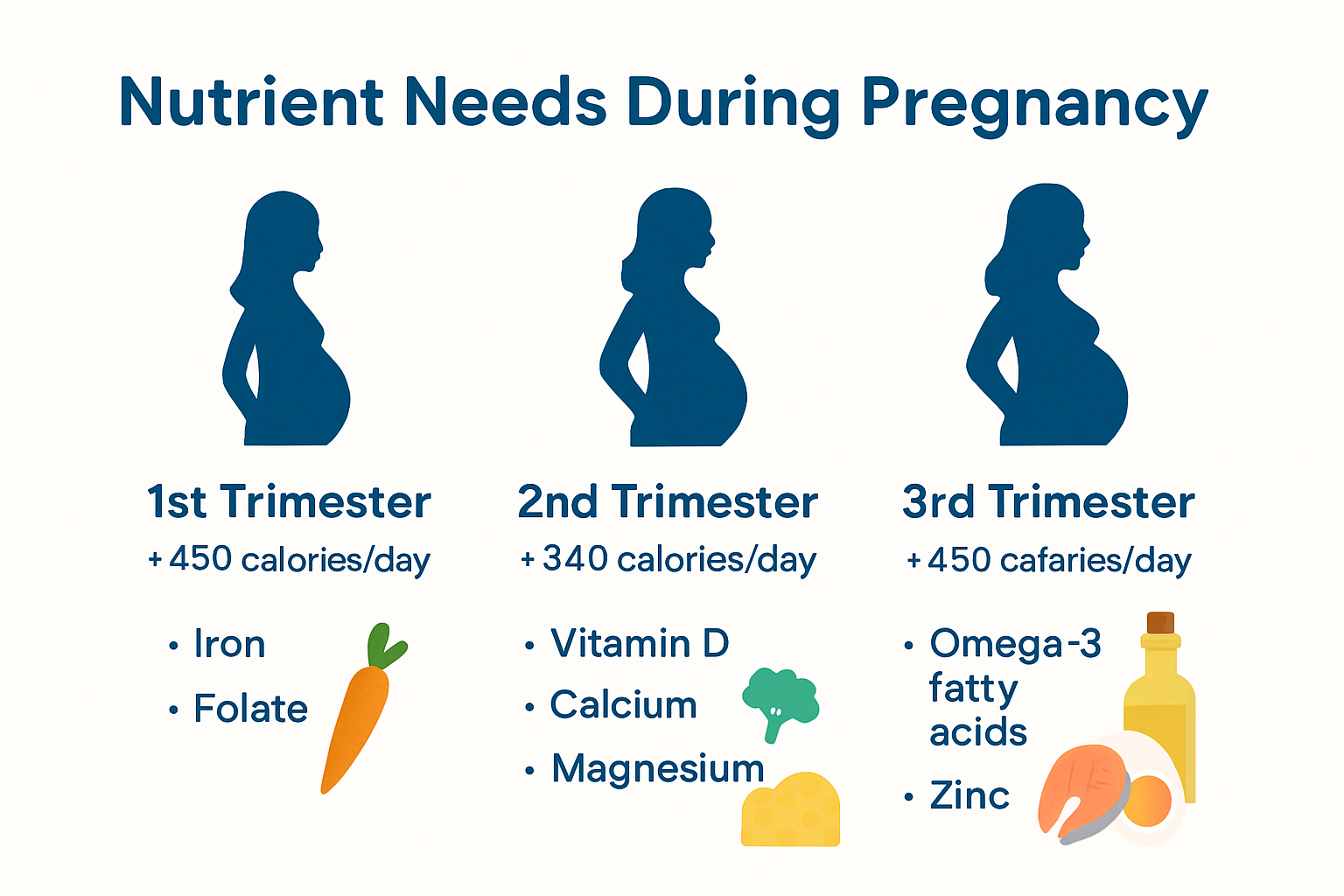
During pregnancy, women experience significant physiological shifts that necessitate a carefully calibrated nutritional strategy. Caloric needs increase by approximately 340-450 calories per day during the second and third trimesters, representing more than just additional food intake but a targeted approach to supporting comprehensive developmental needs.
Balanced Dietary Approach
According to research published in Frontiers in Public Health, high adherence to nutrient-dense dietary patterns like the Mediterranean diet demonstrates superior outcomes in pregnancy nutrition. This approach emphasizes whole foods, lean proteins, complex carbohydrates, and essential micronutrients that contribute to optimal maternal and fetal health.
Key nutritional priorities include:
- Protein Intake: Critical for tissue growth and placental development
- Folate: Essential for preventing neural tube defects
- Iron: Supports increased blood volume and fetal oxygen transportation
- Calcium: Crucial for bone development
Long-Term Health Implications
Scientific studies from the National Center for Biotechnology Information underscore the profound long-term health implications of maternal nutrition. Inadequate nutritional intake during pregnancy can potentially contribute to future health challenges for the child, including increased risks of obesity, metabolic disorders, and cognitive development variations.
Understanding nutrition during pregnancy is not merely about consuming more food but strategically selecting nutrient-rich options that provide comprehensive support for the complex process of human development. Each meal becomes an opportunity to supply critical building blocks for a healthy future.
The complexity of pregnancy nutrition demands personalized approaches that consider individual metabolic variations, genetic predispositions, and specific health requirements. While generalized guidelines provide valuable frameworks, consultation with healthcare professionals remains paramount in developing truly optimized nutritional strategies.
Personalizing Your Pregnancy Diet and Tracking Progress
Personalizing nutrition during pregnancy transcends generic dietary advice, requiring a dynamic and individualized approach that adapts to each woman’s unique physiological and metabolic landscape. Modern health technologies and advanced nutritional science now enable unprecedented precision in monitoring and optimizing maternal dietary strategies.

Individual Nutritional Mapping
Research from personalized health studies reveals that nutrition interventions tailored to individual factors such as lifestyle, chronic health conditions, and genetic predispositions can dramatically improve pregnancy outcomes. This personalized approach considers multiple dimensions beyond standard recommendations.
Key personalization factors include:
- Baseline metabolic health
- Existing dietary habits
- Body composition
- Genetic metabolic variations
- Pre-existing medical conditions
By integrating comprehensive health assessments, women can develop nutrition strategies that precisely match their physiological requirements. A targeted study involving 154 pregnant women demonstrated that personalized dietary interventions led to significantly lower gestational weight gain compared to standard care approaches.
Digital Tracking and Monitoring
Advanced mobile health technologies now enable real-time nutritional tracking and personalized coaching. Research on mobile health interventions highlights the effectiveness of digital platforms in providing individualized dietary guidance aligned with World Health Organization recommendations.
Modern tracking tools offer comprehensive features such as:
- Nutrient intake logging
- Daily food record maintenance
- Supplement consumption monitoring
- Physical activity integration
- Personalized recommendation generation
Collaborative Healthcare Approach
Successful pregnancy nutrition requires a collaborative model involving healthcare professionals, nutritionists, and the expectant mother. This integrated approach ensures continuous assessment and dynamic adjustment of nutritional strategies.
Key collaboration elements include:
- Regular nutritional consultations
- Blood work and metabolic assessments
- Personalized supplement recommendations
- Ongoing dietary plan modifications
The future of pregnancy nutrition lies in precision medicine principles that recognize each woman’s unique biological blueprint. By leveraging data-driven insights and advanced tracking technologies, expectant mothers can optimize their nutritional journey with unprecedented accuracy and confidence.
Science-Backed Supplements and Nutrients for Expecting Mothers
Navigating the complex landscape of nutritional supplementation during pregnancy requires a strategic, evidence-based approach. Scientific research has identified critical nutrients that play pivotal roles in supporting maternal health and fetal development, transforming supplement selection from guesswork to precision nutrition.
Essential Micronutrient Foundations
The U.S. Preventive Services Task Force strongly recommends specific targeted supplementation to ensure optimal pregnancy outcomes. Folic acid emerges as a critical nutrient, with experts recommending 400 to 800 micrograms daily to prevent neural tube defects and support critical early developmental stages.
Critical micronutrients include:
- Folic Acid: Neural tube development prevention
- Iron: Blood volume and oxygen transportation
- Calcium: Bone and tooth formation
- Vitamin D: Immune system support
Below is a table summarizing the essential micronutrients, their roles, and recommended daily amounts for pregnant women as referenced in the article:
| Micronutrient | Role in Pregnancy | Recommended Daily Amount |
|---|---|---|
| Folic Acid | Prevents neural tube defects | 400-800 micrograms (mcg) |
| Iron | Blood volume & oxygen transportation | 30-60 milligrams (mg) |
| Calcium | Bone & tooth formation | 1,000 milligrams (mg) |
| Vitamin D | Immune system support | 600 international units (IU) |
| Iodine | Fetal brain/thyroid development | 150 micrograms (mcg) |
Targeted Supplementation Strategies
World Health Organization guidelines provide comprehensive recommendations for maternal supplementation. For instance, iron supplementation of 30-60 mg daily can significantly reduce risks of maternal anemia, preterm birth, and low birth weight.
The American Thyroid Association specifically highlights iodine’s critical role, recommending 150 micrograms daily for pregnant and lactating women to support fetal brain development and thyroid function.
Comprehensive Nutritional Approach
Effective supplementation transcends individual nutrient intake. A holistic approach considers absorption rates, potential interactions, and individual metabolic variations. Pregnant women should prioritize:
- Consultation with healthcare providers
- Comprehensive blood nutrient testing
- Personalized supplement recommendations
- Consistent monitoring of nutritional status
Modern nutritional science recognizes that pregnancy supplementation is not a one-size-fits-all strategy. Each woman’s unique physiological landscape demands a nuanced, scientifically informed approach to nutritional support. By leveraging evidence-based supplement strategies, expectant mothers can optimize their nutritional foundation, supporting both maternal health and fetal development with unprecedented precision.
Fitness and Wellness for Pregnant Women
Pregnancy represents a transformative physical journey that demands a holistic approach to fitness and wellness. Contrary to outdated misconceptions, modern medical research emphasizes the critical role of strategic physical activity and comprehensive wellness practices in supporting maternal health and fetal development.
Evidence-Based Exercise Recommendations
The Centers for Disease Control and Prevention provides clear guidelines for maintaining physical fitness during pregnancy. Experts recommend at least 150 minutes of moderate-intensity aerobic activity weekly, highlighting activities that support overall health without excessive strain.
Recommended low-impact activities include:
- Swimming
- Stationary cycling
- Prenatal yoga
- Modified strength training
- Brisk walking
To help readers compare the recommendations and benefits of different low-impact activities for pregnant women, the following table summarizes them:
| Activity | Description | Benefits During Pregnancy |
|---|---|---|
| Swimming | Water-based exercise | Full-body workout; low joint impact |
| Stationary Cycling | Indoor cycling machine | Cardiovascular fitness; stable posture |
| Prenatal Yoga | Modified stretching & poses | Flexibility, relaxation, stress reduction |
| Modified Strength Training | Light weights/resistance | Muscle tone, strength, safe with modifications |
| Brisk Walking | Fast-paced walking | Easy, accessible, cardiovascular health |
These activities offer multiple benefits beyond physical conditioning. Research from health organizations indicates that consistent physical activity can potentially decrease risks of pregnancy-related complications such as preeclampsia and pregnancy-induced hypertension.
Holistic Wellness Integration
The National Institute of Diabetes and Digestive and Kidney Diseases emphasizes that wellness extends beyond physical exercise. A comprehensive approach includes mental health support, stress management, and balanced nutrition.
Key wellness strategies encompass:
- Regular mental health check-ins
- Stress reduction techniques
- Adequate sleep hygiene
- Emotional support networks
- Mindfulness practices
Personalized Fitness Considerations
Every pregnancy represents a unique physiological experience. Professional guidance becomes paramount in developing a safe, effective fitness routine. Expectant mothers should prioritize:
- Consultation with healthcare providers
- Individualized fitness assessments
- Modifications based on trimester progression
- Listening to body signals
- Avoiding high-risk activities
Modern pregnancy wellness transcends traditional limitations. By embracing evidence-based practices, women can transform their pregnancy journey into an empowering experience of physical and emotional strength. The intersection of scientific understanding and personalized care offers unprecedented opportunities for maintaining optimal health during this extraordinary life stage.
Frequently Asked Questions
What are the key nutritional needs during pregnancy?
Pregnant women need to increase their caloric intake by 340 to 450 calories daily during the second and third trimesters and focus on nutrient-dense foods like proteins, folate, iron, and calcium to support fetal development and maternal health.
How can I personalize my diet during pregnancy?
Personalizing your diet involves individual nutritional mapping, which considers your metabolic health, dietary habits, and any pre-existing conditions. Working with a healthcare professional can help tailor your nutritional strategy to fit your unique needs.
What supplements should I take during pregnancy?
Essential supplements for pregnant women include folic acid (400-800 mcg), iron (30-60 mg), calcium (1,000 mg), and vitamin D (600 IU) to support maternal and fetal health and prevent complications like neural tube defects.
How much exercise is recommended for pregnant women?
Pregnant women should engage in at least 150 minutes of moderate-intensity exercise each week, focusing on low-impact activities like swimming, brisk walking, and prenatal yoga to promote overall health and well-being.
Take Control of Your Pregnancy Nutrition With AI-Powered Precision
Are you feeling overwhelmed by the challenge of personalizing your nutrition during pregnancy? This article explained how every meal and supplement decision impacts both your health and your baby’s future. Science shows that generic advice often falls short, and real progress happens when recommendations match your specific needs and lifestyle.
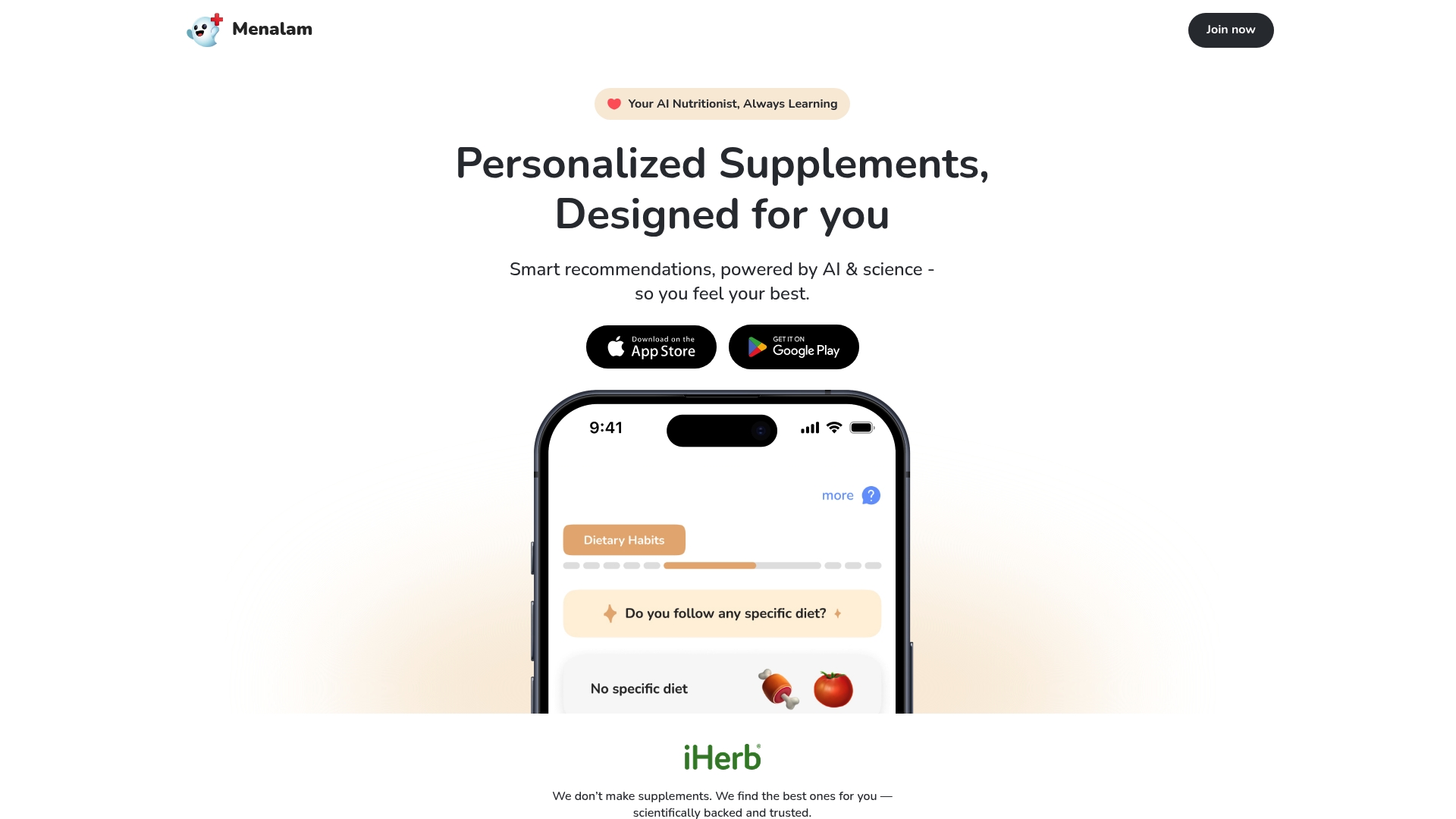
Menalam bridges the gap between expert advice and real-life results. Our smart platform uses your individual health data to deliver ultra-personalized supplement guidance, validated by science and adaptable as your needs change. Simply take our fast health quiz to receive tailored recommendations that fit your pregnancy journey. You can also use our mobile app to track your supplement intake, monitor your wellness progress, and receive gentle reminders to stay on your plan. If you’re ready to put expert-backed, highly-personalized nutrition into action, now is the perfect time to start.
Make your pregnancy nutrition smarter and safer today. Visit Menalam and discover how easy it can be to turn proven dietary advice into a practical, customized plan designed just for you.
Leave a Reply