

Everyone wants more energy, but finding foods that actually deliver can feel like a guessing game. Here is something eye-opening. Quinoa, brown rice, and oats provide more sustainable energy by stabilizing blood sugar levels and preventing sudden crashes while also supporting muscle recovery. Most people reach for sugary snacks or energy drinks that promise quick results, but the real secret lies in choosing the right whole foods that give you steady fuel all day long. These natural foods tap into your body’s deepest metabolic systems, offering surprising benefits you probably never considered.
Table of Contents
- How Natural Energy Boost Foods Work
- Best Foods For Lasting Natural Energy
- Personalizing Your Energy Food Choices
- Science-Backed Tips For Optimal Results
Quick Summary
| Takeaway | Explanation |
|---|---|
| Choose whole grains and complex carbohydrates | Foods like quinoa, brown rice, and oats provide sustainable energy by stabilizing blood sugar levels and preventing energy spikes. |
| Incorporate nutrient-dense fruits and vegetables | Bananas, leafy greens, and colorful fruits offer essential vitamins and minerals while delivering natural sugars that fuel energy production. |
| Personalize your nutrition strategy | Understanding your unique metabolic needs helps tailor food choices to optimize energy levels based on activity and individual health factors. |
| Combine macronutrients strategically | Pairing proteins with complex carbohydrates can enhance energy stability and support recovery, making meals more effective for performance. |
| Stay hydrated for optimal energy | Proper hydration and electrolyte balance are crucial for cellular function and sustained energy, especially during physical activities. |
How Natural Energy Boost Foods Work
Understanding the science behind natural energy boost foods reveals why certain nutrients can transform how your body generates and sustains energy. Unlike artificial stimulants that provide temporary spikes, natural foods work through sophisticated metabolic processes to deliver consistent and reliable fuel for your body.
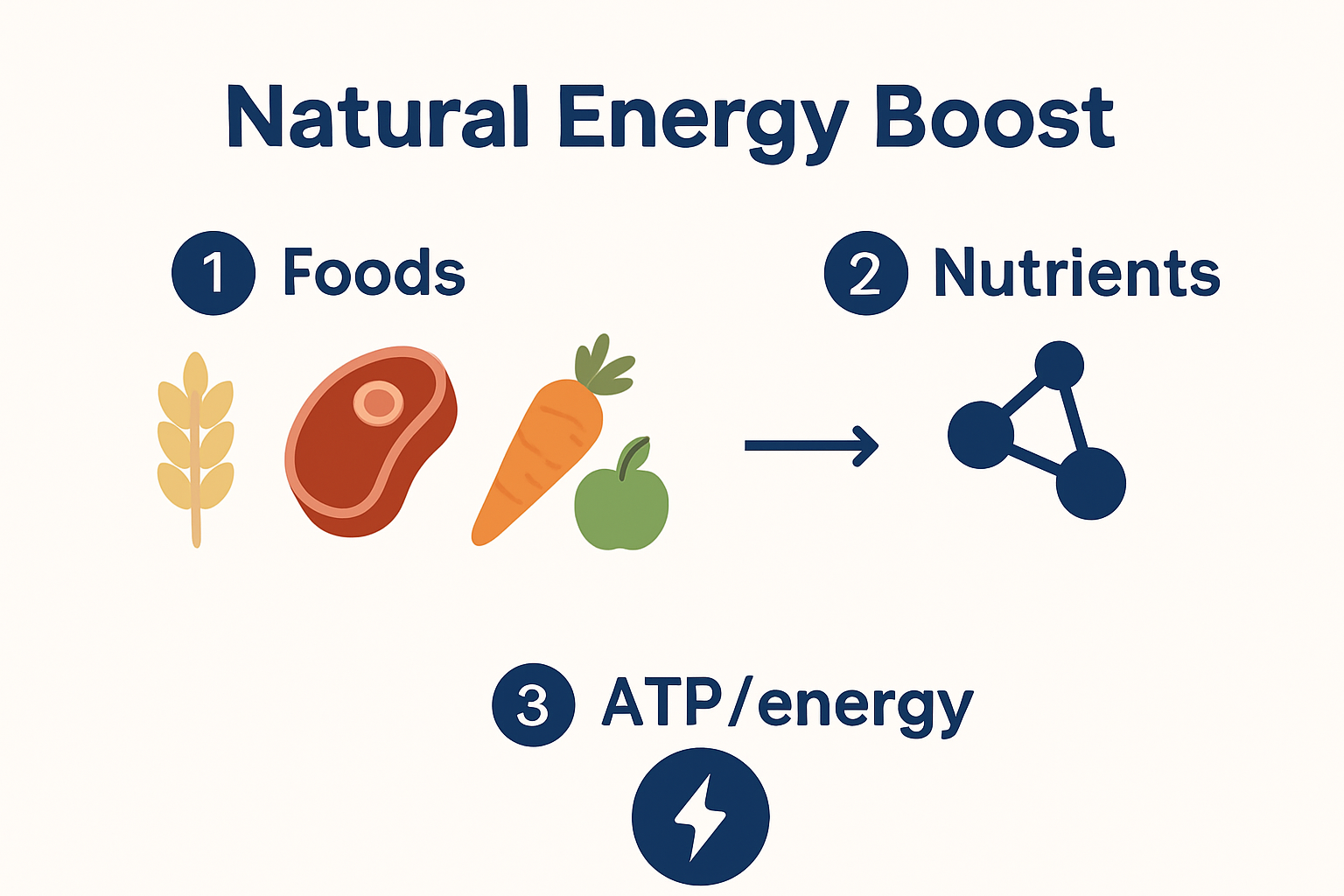
The Metabolic Mechanism of Energy Production
Natural energy boost foods fundamentally work by supporting mitochondrial function. Mitochondria are cellular powerhouses responsible for converting nutrients into adenosine triphosphate (ATP), the primary energy currency of cells. Complex carbohydrates, proteins, and strategic micronutrients play critical roles in optimizing this energy production process.
Foods rich in complex carbohydrates like yams, sweet potatoes, and dark leafy greens provide a steady energy release mechanism. Their high fiber content ensures slow absorption, preventing rapid blood sugar fluctuations. This gradual nutrient release translates into sustained energy levels, making them ideal for maintaining consistent physical performance.
Nutrient Pathways and Energy Synthesis
The body’s energy production relies on several key nutrient pathways. B vitamins act as critical cofactors in metabolic reactions, helping convert food into usable energy. Minerals like magnesium and iron support oxygen transportation and cellular energy generation. Proteins contribute amino acids that can be converted into glucose when carbohydrate stores are depleted, ensuring continuous energy availability.
Complex biochemical interactions determine how efficiently your body transforms consumed nutrients into energy. Some foods enhance mitochondrial efficiency, increasing ATP production without additional caloric intake. Others provide immediate fuel through easily digestible compounds, creating a balanced approach to energy metabolism.
Hormonal and Neurological Energy Regulation
Beyond pure metabolic processes, natural energy boost foods interact with hormonal and neurological systems. Adaptogenic compounds found in certain foods help regulate cortisol levels, managing stress responses that can drain energy reserves. Nutrients like omega-3 fatty acids support brain function, improving mental clarity and reducing cognitive fatigue.
The relationship between nutrition and energy is dynamic. Your body continuously adapts metabolic processes based on nutrient intake, hormonal signals, and energy demands. By strategically consuming natural energy boost foods, you provide your physiological systems with optimal resources for sustained performance and vitality.
Choosing the right combination of natural energy boost foods requires understanding individual metabolic needs. Factors like age, activity level, and overall health significantly influence how effectively your body converts nutrients into usable energy. Personalized nutrition approaches can help maximize these intricate biological mechanisms, ensuring you maintain peak energy levels throughout your daily activities.
Best Foods for Lasting Natural Energy
Finding the right foods to sustain energy throughout the day requires strategic nutritional choices that support metabolic function and provide steady fuel for your body. Not all foods are created equal when it comes to maintaining consistent energy levels.
Whole Grains and Complex Carbohydrates
Whole grains stand out as premier natural energy boost foods. Research shows that foods like quinoa, brown rice, and oats offer more sustainable energy by slowing carbohydrate absorption and providing steady fuel throughout the day. These complex carbohydrates release glucose gradually, preventing the sharp energy spikes and crashes associated with refined sugars.
Quinoa emerges as a nutritional powerhouse, delivering a complete protein profile alongside complex carbohydrates. Its balanced nutrient composition supports extended energy release and muscle recovery. Oatmeal provides similar benefits, with soluble fiber that helps stabilize blood sugar levels and provides prolonged satiety.
Nutrient-Dense Fruits and Vegetables
Bananas and leafy greens represent top-tier natural energy sources. Bananas deliver quick, long-lasting energy and are rich in potassium, supporting muscle function. Spinach and kale pack substantial iron content, helping combat fatigue and maintain consistent energy levels.
Colorful fruits like berries, oranges, and apples provide rapid natural sugars combined with essential vitamins and antioxidants. These foods not only fuel your body but also support cellular health and metabolic efficiency. The diverse micronutrient profile helps optimize energy production at the cellular level.
Protein and Healthy Fat Sources
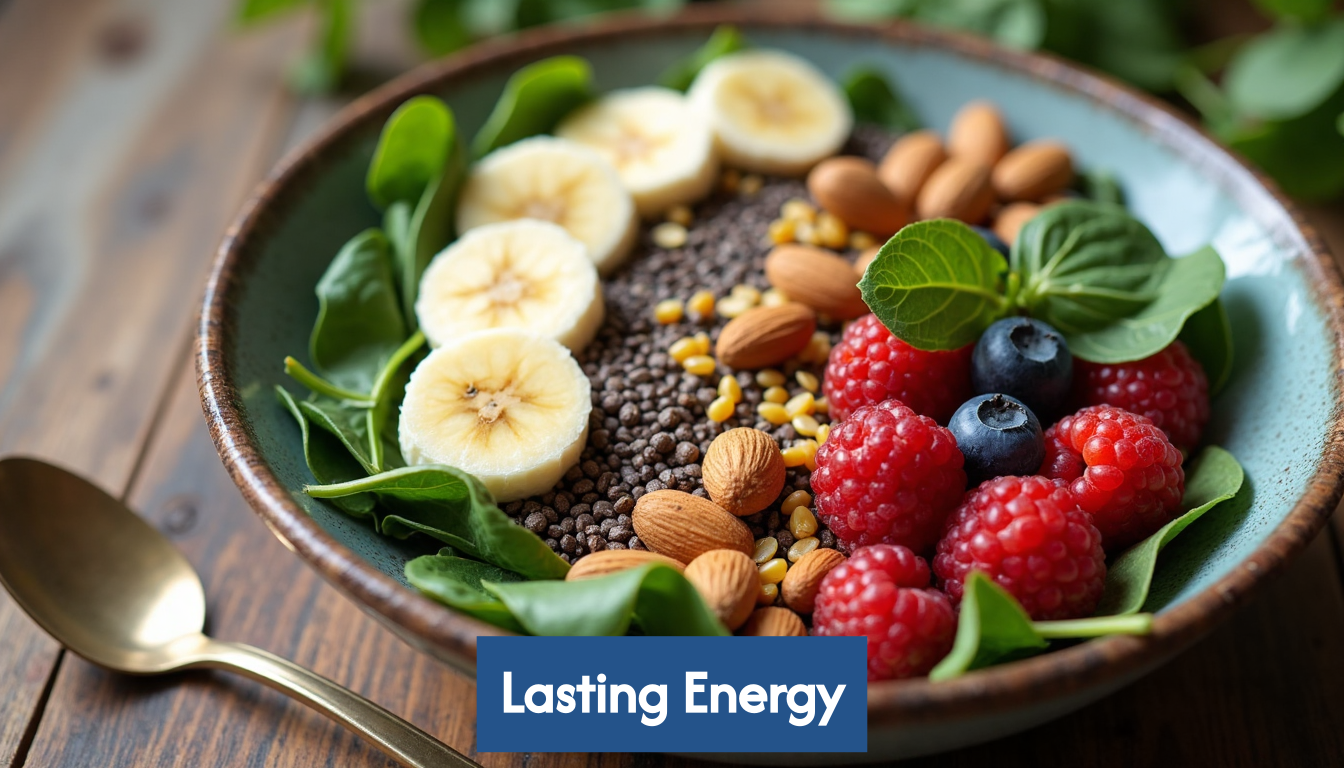
Protein-rich foods play a crucial role in sustained energy management. Nuts, seeds, and lean proteins like chicken, fish, and legumes provide amino acids that support steady metabolic function. Almonds and chia seeds offer a perfect combination of protein, healthy fats, and minerals that contribute to prolonged energy release.
Healthy fats from sources like avocados, olive oil, and fatty fish support hormonal balance and provide concentrated energy. These foods help regulate appetite, stabilize blood sugar, and ensure a consistent metabolic rate. Their nutrient density means smaller portions can provide substantial energy support.
Staying hydrated remains fundamental to maintaining energy levels. Water and electrolyte-rich drinks ensure optimal cellular function and prevent the fatigue associated with dehydration. Herbal teas and infused water can provide additional micronutrients while supporting hydration.
Creating an energy-sustaining diet requires understanding your individual metabolic needs. Experimenting with these natural energy boost foods and observing how your body responds can help you develop a personalized nutrition strategy that keeps you performing at your best throughout the day.
Personalizing Your Energy Food Choices
Personalizing energy food choices represents a revolutionary approach to nutrition that moves far beyond traditional one-size-fits-all dietary recommendations. As research indicates, individual factors like age, gender, health needs, and activity levels significantly impact how our bodies process and utilize energy from food.
Understanding Individual Metabolic Differences
Genetic variations play a crucial role in determining how effectively your body converts food into energy. Artificial intelligence and bioinformatics are now enabling more precise analysis of metabolic, genetic, and biochemical differences. This technological advancement allows for creating highly individualized nutrition plans that can dramatically enhance personal health and performance.
Metabolic profiling involves examining how your unique biochemical makeup influences nutrient absorption, energy production, and overall metabolic efficiency. Factors such as insulin sensitivity, mitochondrial function, and genetic predispositions determine how different foods impact your energy levels. Some individuals may thrive on high-protein diets, while others might find better energy support from complex carbohydrates and healthy fats.
Tailoring Nutrition to Lifestyle and Activity Levels
Active individuals require a more nuanced approach to energy nutrition. The global personalized nutrition market is projected to reach $17.9 billion by 2025, reflecting the growing demand for customized dietary solutions. Athletes, fitness enthusiasts, and professionals with high-energy demands need nutrition strategies that go beyond generic recommendations.
Innovative ingredients like collagen peptides, omega-3s, postbiotics, and adaptogens are emerging as powerful tools for personalized energy support. These targeted nutritional compounds can address specific health needs such as joint recovery, cognitive function, and sustained physical performance. Your ideal energy food choices should align with your specific activity level, recovery requirements, and overall health goals.
Tracking and Adapting Your Nutritional Strategy
Effective personalization requires continuous monitoring and adaptation. Tracking your body’s response to different foods involves paying attention to energy levels, recovery time, mental clarity, and overall well-being. Modern health technologies provide sophisticated tools for monitoring metabolic responses, allowing you to fine-tune your nutrition strategy in real-time.
Consider working with nutrition professionals who can help interpret your body’s unique signals. Blood tests, metabolic assessments, and comprehensive health screenings can provide insights into your specific nutritional needs. This data-driven approach ensures that your energy food choices are not just personalized but scientifically optimized.
The future of nutrition is not about following rigid dietary rules but understanding your body’s unique language. By embracing personalized approaches to energy foods, you can create a nutrition strategy that truly supports your individual health, performance, and vitality. Remember that your perfect energy-boosting diet is as unique as your fingerprint – a carefully crafted combination of science, technology, and personal insight.
Science-Backed Tips for Optimal Results
Maximizing the benefits of natural energy boost foods requires more than simply consuming nutritious ingredients. Scientific research provides strategic insights into optimizing food intake, metabolic function, and energy production for peak performance.
Strategic Nutrient Timing and Combinations
Research from nutrition experts highlights the importance of strategic nutrient timing. Quinoa and oats emerge as premier complex carbohydrate sources that provide sustained energy release. Consuming these foods before physical activities helps maintain steady blood sugar levels and prevents sudden energy crashes.
Combining macronutrients strategically amplifies energy production. Pairing proteins with complex carbohydrates creates a synergistic effect that stabilizes insulin response and provides prolonged fuel. For instance, adding lean protein to your morning oatmeal can extend energy availability and support muscle recovery.
Functional Nutrients for Enhanced Performance
Functional foods containing targeted nutrients offer scientifically validated energy enhancement. B vitamins play a critical role in metabolic processes, converting food into usable cellular energy. Medium-chain triglyceride (MCT) oils provide rapid, easily digestible energy sources that support cognitive function and physical stamina.
Adaptogenic mushrooms like cordyceps demonstrate remarkable potential in improving oxygen uptake during exercise. Studies indicate these compounds can enhance mitochondrial efficiency, potentially increasing endurance and reducing fatigue. Caffeine derived from tea offers a more balanced energy boost compared to traditional coffee, providing sustained alertness without dramatic crashes.
Monitoring and Optimizing Individual Response
Scientific approaches to nutrition emphasize individual variability. Tracking your body’s response to different energy-boosting foods requires systematic observation and potential metabolic testing. Keeping a detailed food and energy level journal helps identify patterns and optimize your nutritional strategy.
Consider periodic blood tests to assess micronutrient levels, hormonal balance, and metabolic markers. These insights can reveal specific deficiencies or imbalances that might be impacting your energy production. Working with nutrition professionals who understand metabolic science can help interpret these results and develop personalized recommendations.
Hydration remains a critical yet often overlooked factor in energy optimization. Proper fluid intake supports cellular function, nutrient transportation, and metabolic processes. Electrolyte balance plays a significant role in maintaining consistent energy levels, especially during intense physical activities.
Embracing a scientific approach to nutrition means recognizing that energy management is dynamic and complex. Your body’s requirements change with age, activity level, and overall health status. Continuous learning, experimentation, and adaptation are key to developing an effective, personalized energy-boosting nutrition strategy that supports your unique physiological needs.
Frequently Asked Questions
What are the best natural energy-boosting foods?
Foods like quinoa, brown rice, oats, bananas, leafy greens, nuts, and seeds are considered some of the best natural energy boosters. These foods provide sustained energy by stabilizing blood sugar levels and delivering essential nutrients.
How do whole grains and complex carbohydrates help with energy?
Whole grains and complex carbohydrates, such as quinoa, brown rice, and oats, offer a steady release of glucose into the bloodstream. This helps maintain consistent energy levels and prevents rapid spikes and crashes that are often caused by sugary snacks.
Can fruits and vegetables provide energy?
Yes, nutrient-dense fruits and vegetables like bananas, berries, spinach, and kale are excellent sources of natural sugars, vitamins, and minerals that fuel energy production and support overall health.
How can I personalize my energy food choices?
Personalizing your energy food choices involves understanding your unique metabolic needs based on factors like age, activity level, and overall health. Experimenting with different foods and tracking your body’s response can help optimize your nutrition strategy.
Supercharge Your Nutrition Plan with Menalam’s AI Guidance
Are you tired of guessing the right foods or supplements for steady, all-day energy? This article has shown how quinoa, oats, and bananas fuel your active lifestyle by addressing drops in energy, unpredictable blood sugar, and slow muscle recovery. But building your ideal energy routine is personal. Generic advice leaves many people wondering what will actually work for their unique body and health goals.
Experience personalized results with science on your side. Menalam uses artificial intelligence to analyze your health profile and activity level, then recommends nutrition and supplements tailored just for you. Quick quiz, instant feedback, ongoing support, and app-based tracking turn insights from articles like Top Natural Energy Boost Foods for Active Lifestyles in 2025 into real progress. Take the next step now at Menalam and let your energy speak for itself.
Leave a Reply