


Multivitamins promise a quick fix for our modern nutritional gaps. Research indicates that as many as 40% of adults take multivitamins regularly. But here’s the kicker. Those pills might not be the nutritional silver bullet many think they are. In reality, while they can help in certain situations, multivitamins are far from a cure-all and should complement a healthy diet rather than replace it.
Table of Contents
- Unlock Your Health With Multivitamins
- Who Needs A Multivitamin?
- Multivitamins For Different Ages
- Common Myths About Multivitamins
Quick Summary
| Takeaway | Explanation |
|---|---|
| Multivitamins are not a cure-all: | While multivitamins can help fill nutritional gaps, they should complement a balanced diet, not replace it. Whole foods provide essential nutrients alongside beneficial compounds like fiber and antioxidants. |
| Consult healthcare providers before starting supplements: | A personalized assessment is crucial to determine if multivitamins align with individual health needs and to avoid potential interactions with existing medications. |
| Certain populations benefit more from multivitamins: | Specific groups, such as pregnant women, seniors, vegetarians, and individuals with dietary restrictions may experience enhanced advantages from multivitamin supplementation. |
| Avoid excessive supplementation: | Overconsumption can lead to toxicity and potential health risks; it’s essential to adhere to recommended dosages and focus on identified nutrient deficiencies. |
| Scientific evidence on disease prevention is limited: | Research suggests that multivitamins do not significantly prevent major diseases or extend life expectancy, emphasizing the importance of a healthy lifestyle over reliance on supplements. |
Unlock Your Health with Multivitamins?
Navigating the world of nutritional supplements can feel overwhelming. Multivitamins represent a potential solution for addressing nutritional gaps in our modern diet, offering a comprehensive approach to supporting overall health and wellness.
The Science Behind Multivitamin Benefits
Multivitamin supplements provide a blend of essential vitamins and minerals designed to complement your daily nutritional intake. Research reveals intriguing insights into their potential impacts. A groundbreaking study from Massachusetts General Hospital found that daily multivitamin supplementation could slow global cognitive aging by approximately two years. This suggests potential long-term benefits for brain health and memory function.
However, scientific perspectives remain nuanced. The U.S. National Institutes of Health reports that while multivitamins may not directly reduce mortality or prevent major diseases, users often report feeling healthier and more energetic.
Understanding Potential Health Implications
Consider the complex landscape of multivitamin research. A recent JAMA Network Open study uncovered surprising findings, indicating a slight 4% higher mortality risk among multivitamin users compared to non-users. This underscores the importance of personalized nutritional approaches and consulting healthcare professionals.
The benefits of multivitamins are not universal. Individual factors like age, diet, lifestyle, and existing health conditions significantly influence their effectiveness. Key considerations include:
- Nutrient Absorption: Not all vitamins are created equal. Your body’s ability to absorb and utilize nutrients varies.
- Dietary Diversity: Multivitamins work best when complementing a balanced, nutrient-rich diet.
- Individual Health Needs: Specific populations like pregnant women, older adults, or those with dietary restrictions might experience more pronounced benefits.
Personalized Nutrition Strategy
Taking a multivitamin is not a one-size-fits-all solution. Think of it as part of a broader wellness strategy. Before starting any supplement regimen, consult with a healthcare provider who can assess your unique nutritional needs. They can help determine whether a multivitamin aligns with your health goals and identify any potential interactions with existing medications.
Remember that multivitamins should supplement—not replace—a healthy diet. Prioritize whole foods, maintain a balanced nutrition plan, and view supplements as a potential additional support for your overall health journey.
Who Needs a Multivitamin?
Multivitamins are not a universal solution for everyone. Understanding who can benefit most from these supplements requires a nuanced approach that considers individual health needs, dietary patterns, and specific life stages.
Specific Population Groups
Certain population groups are more likely to experience significant advantages from multivitamin supplementation. Pregnant adolescents and young women in low and middle-income countries, for instance, show remarkable benefits. Research indicates that multivitamin supplementation can reduce low birth weight by 13%, preterm birth by 12%, and instances of babies being small for gestational age by 14% compared to traditional iron and folic acid supplements.
Additionally, individuals with specific medical conditions require targeted nutritional support. People who have undergone bariatric surgery often need multivitamins to compensate for potential nutritional deficiencies. These commercial formulations provide essential nutrients like vitamins B12 and D that might be challenging to absorb through diet alone.
Age-Related Nutritional Considerations
Older adults represent another group that can potentially benefit from daily multivitamin intake. Recent studies from Massachusetts General Hospital suggest that consistent multivitamin supplementation might slow age-related cognitive decline by approximately two years, with notable improvements in memory retention.
Key populations who might consider multivitamin supplementation include:

- Vegetarians and Vegans: Often require additional B12, iron, and zinc
- Individuals with Restricted Diets: People with food allergies or limited dietary variety
- Seniors: Who may have reduced nutrient absorption capabilities
- Pregnant or Breastfeeding Women: Needing additional nutritional support
Individual Health Assessment
Before starting any supplement regimen, a comprehensive health evaluation is crucial. Consulting healthcare professionals can help determine whether multivitamins align with your specific health profile. They can conduct thorough assessments including:
- Blood tests to identify specific nutrient deficiencies
- Review of current medications and potential interactions
- Evaluation of existing health conditions
- Analysis of current dietary intake
While multivitamins can offer supportive nutrition, they are not a replacement for a balanced diet. Focus on consuming whole foods, maintaining diverse nutritional intake, and viewing supplements as complementary to—not a substitute for—healthy eating habits. Your individual health needs, lifestyle, and medical history will ultimately guide the most appropriate approach to nutritional supplementation.
Multivitamins for Different Ages
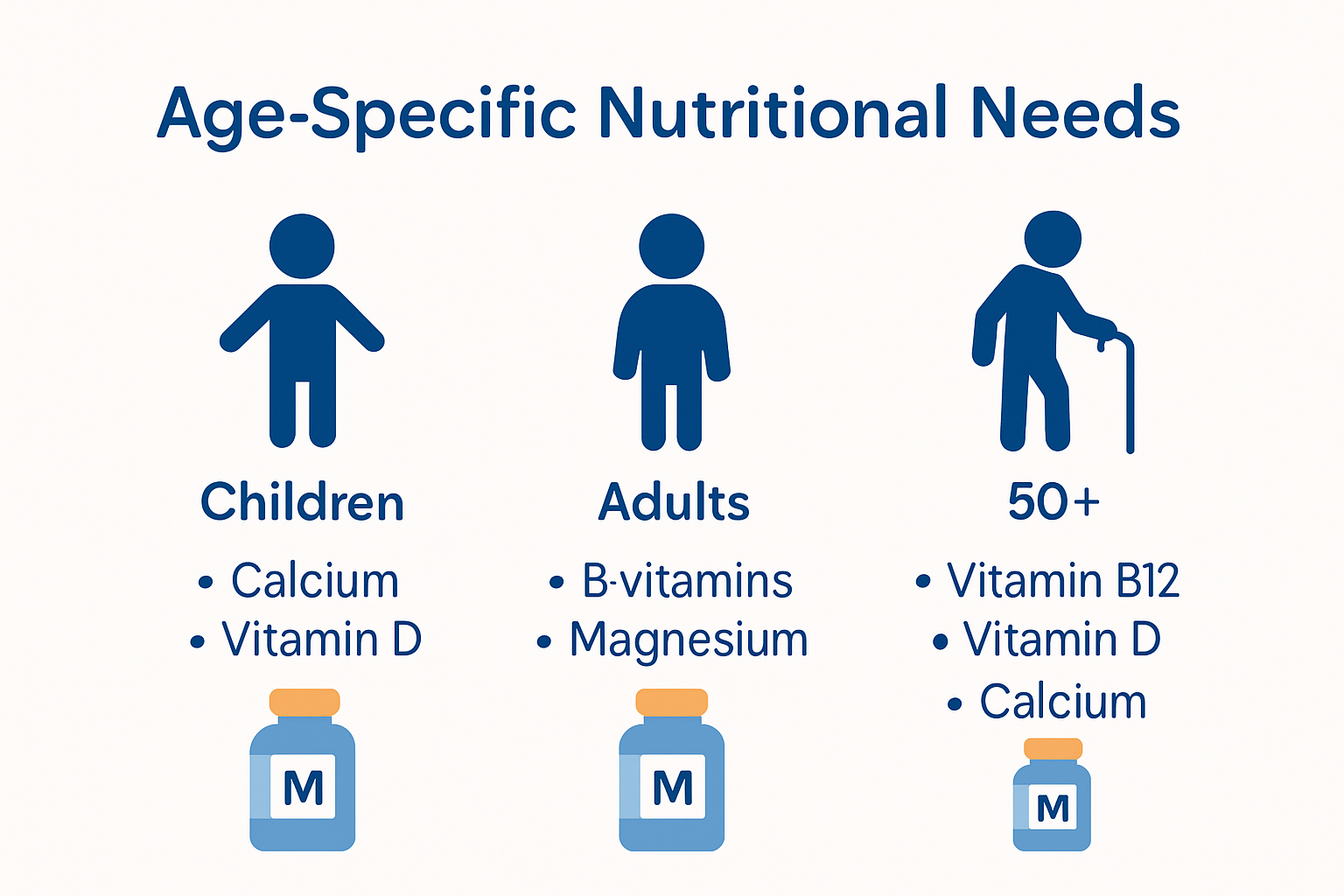
Nutritional needs dramatically shift throughout our lifetime, making age-specific multivitamin approaches critical for optimal health and wellness. Understanding how nutritional requirements evolve can help individuals make informed choices about supplementation.
Children and Adolescents
Children and teenagers experience rapid growth and development, creating unique nutritional demands. Multivitamins for younger populations should focus on supporting bone development, immune system function, and cognitive growth. Pediatric nutritionists recommend supplements that provide essential nutrients like calcium, vitamin D, and B-complex vitamins.
Key considerations for younger age groups include:
- Brain Development: Omega-3 fatty acids and B-vitamins crucial for neurological development
- Immune Support: Vitamins C, D, and zinc to strengthen immune responses
- Growth Support: Calcium and vitamin D for bone density and muscle development
Adults and Middle-Age Nutrition
As adults transition through different life stages, multivitamin needs become increasingly personalized. Medical News Today highlights that adults over 50 can particularly benefit from supplements that address age-related nutrient deficiencies. A comprehensive study tracking 182,099 men and women aged 45-75 revealed that approximately 48% of men and 52% of women reported taking multivitamin supplements.
Research indicates specific nutritional focuses for adult populations:
- Metabolic Health: Supporting energy production and cellular function
- Stress Management: B-vitamins and magnesium for nervous system support
- Preventive Health: Antioxidants to combat cellular aging
Seniors and Specialized Nutrition
Older adults face unique nutritional challenges requiring targeted supplementation strategies. Research from JAMA Network demonstrates that specific vitamin combinations like beta carotene, vitamins C and E, and zinc can slow age-related macular degeneration progression.
Nutritional priorities for seniors include:
- Cognitive Support: Nutrients that potentially slow cognitive decline
- Bone Health: Increased calcium and vitamin D intake
- Immune Resilience: Enhanced immune system support
- Absorption Optimization: Supplements designed for improved nutrient uptake
While multivitamins offer potential benefits, they are not universal panaceas. Individual health assessments, dietary patterns, and specific medical conditions should guide supplementation choices. Always consult healthcare professionals to develop a personalized nutrition strategy that addresses your unique age-related needs and supports long-term wellness.
Common Myths About Multivitamins
Multivitamins have been surrounded by numerous misconceptions that can lead people to misunderstand their true value and potential limitations. Separating fact from fiction is crucial for making informed decisions about nutritional supplementation.
Myth: Multivitamins Prevent Serious Diseases
Johns Hopkins Medicine conducted an extensive analysis involving 450,000 people, revealing a startling truth: multivitamins do not significantly reduce risks of heart disease or cancer. This finding challenges the widespread belief that these supplements offer comprehensive disease protection.
The NIH Office of Dietary Supplements further confirmed this perspective, concluding that multivitamin/mineral supplements provide little to no benefit in preventing major chronic diseases. Key research points include:
- No Cancer Prevention: Multivitamins do not demonstrably reduce cancer risks
- Limited Cardiovascular Protection: No substantial evidence of heart disease prevention
- Mortality Impact: No significant increase in life expectancy
Myth: More Vitamins Equals Better Health
Contrary to popular belief, consuming excessive vitamins can potentially cause harm. The body has sophisticated mechanisms for nutrient absorption, and oversupplementation can lead to unexpected consequences. JAMA Network Open research highlighted that indiscriminate multivitamin consumption might even correlate with a slight increase in mortality risk.
Important considerations about vitamin overconsumption include:
- Potential Toxicity: Fat-soluble vitamins can accumulate and become toxic
- Interference with Absorption: Excessive supplements can block nutrient absorption
- Metabolic Disruption: Unregulated supplementation might disrupt natural metabolic processes
Myth: Multivitamins Replace a Balanced Diet
Perhaps the most dangerous misconception is that multivitamins can substitute for a nutritious diet. Whole foods provide complex nutritional profiles that cannot be replicated by supplements. Vitamins and minerals in food come with additional beneficial compounds like fiber, antioxidants, and phytonutrients that work synergistically.
Nutritional experts emphasize that supplements should complement—not replace—a balanced diet. Key strategies for optimal nutrition include:
- Whole Food Priority: Focus on diverse, nutrient-rich food sources
- Targeted Supplementation: Use vitamins to address specific, identified deficiencies
- Personalized Approach: Consult healthcare professionals for individualized guidance
Understanding these myths helps demystify multivitamins. They are not magical solutions but potential tools in a comprehensive health strategy. Always approach supplementation with critical thinking, scientific evidence, and personalized medical advice. Your unique health profile, dietary habits, and specific nutritional needs should guide any supplementation decisions.
Frequently Asked Questions
What are the benefits of taking multivitamins?
Multivitamins can help fill nutritional gaps in your diet, support overall health, and may provide specific benefits for certain populations, such as pregnant women or seniors.
Who should take multivitamins?
Individuals who might benefit from multivitamins include pregnant women, older adults, vegetarians, and those with dietary restrictions or specific health concerns that limit nutrient absorption.
Can multivitamins prevent serious diseases?
Research indicates that multivitamins do not significantly reduce the risk of serious diseases like cancer or heart disease. They should complement a balanced diet rather than serve as a preventive measure.
Are there risks associated with taking multivitamins?
Yes, overconsumption of multivitamins can lead to toxicity and other health risks. It’s essential to follow recommended dosages and consult with a healthcare provider before starting any supplement regimen.
Unlock Your Nutritional Potential with Personalized Recommendations
Are you confused about whether multivitamins are right for you after reading about their pros and cons? You’re not alone! Many individuals struggle with identifying the vitamins and supplements that best suit their unique health profiles and dietary needs. Menalam empowers you to take charge of your nutrition by offering AI-driven personalized supplement recommendations tailored specifically to your goals and lifestyle.
Imagine a world where you receive science-backed guidance on essential nutrients while tracking your progress seamlessly through our mobile app. With Menalam, you can:
- Take a quick health quiz to pinpoint your specific nutritional gaps based on insightful research highlighted in the article.
- Integrate blood test results for ongoing adjustments to your health plan, ensuring that your supplement intake truly aligns with your needs.
Stop relying on generic solutions that don’t account for your individual circumstances! Sign up today at menalam.com and transform your nutritional journey into a personalized experience. Your health is worth the investment—why wait?
Leave a Reply