
Athletic success relies significantly on nutrition, yet many overlook its importance. Research shows that lower energy and fat intakes can increase injury risk significantly among active individuals, particularly female runners. But here’s the twist: it’s not just what you eat, but when you eat that truly impacts your performance. A well-timed nutritional strategy, tailored to your unique needs, can revolutionize your training and recovery, turning your athletic goals into reality.
Table of Contents
- Why Good Athlete Nutrition Is Key
- Essential Building Blocks For Athletes
- Timing Your Meals And Fluids
- Expert Tips For Athlete Nutrition
Quick Summary
| Takeaway | Explanation |
|---|---|
| Personalized Nutrition is Essential | Athletes should adopt individualized nutrition strategies that consider genetic factors, metabolic profiles, and specific sport demands to optimize performance and reduce injury risk. |
| Macronutrient Balance is Key | A proper balance of proteins, carbohydrates, and fats is crucial for energy production, muscle repair, and overall health, with each macronutrient playing an irreplaceable role. |
| Meal Timing Influences Performance | Strategic meal timing—eating every 2–3 hours and focusing on pre- and post-exercise nutrition—is vital to maintain energy levels, accelerate recovery, and optimize training outcomes. |
| Regular Protein Intake is Critical | Athletes should aim for protein-rich meals or snacks every 3–5 hours, targeting approximately 0.3g of protein per kilogram of body weight per meal to support muscle growth and repair. |
| Adapt to Individual Needs | There is no one-size-fits-all solution for athlete nutrition; continuous experimentation and adjustments based on personal responses and training intensity are necessary for success. |
Why good athlete nutrition is key
Athletic performance is not just about training intensity or natural talent—it’s fundamentally driven by what athletes put into their bodies. Nutrition for athletes represents a critical foundation that can make the difference between average and extraordinary performance.
Fueling Performance and Recovery
Nutrition directly impacts an athlete’s ability to perform, recover, and maintain peak physical condition. Research from the University of South Australia reveals that lower energy and fat intakes significantly increase injury risk, particularly among female runners. This underscores the intricate relationship between dietary intake and athletic resilience.
The human body is a complex machine that requires precise nutritional support. Athletes demand more from their bodies than sedentary individuals, which means their nutritional requirements are substantially different. Proper nutrition supports several critical physiological processes:
- Energy Production: Provides fuel for high-intensity training and competition
- Muscle Repair: Supports tissue recovery and growth
- Immune Function: Helps maintain overall health and prevent performance-limiting illnesses
Personalized Nutritional Strategies
Emerging research in sports nutrition highlights the potential of precision nutrition approaches. Modern athletes are moving beyond generic dietary recommendations toward individualized nutritional strategies that consider genetic makeup, metabolic profiles, and specific sport demands.
Precision nutrition involves advanced techniques like genomics and metabolomics, which allow nutritionists to develop targeted dietary plans that optimize an athlete’s unique physiological characteristics. This approach can help athletes:
- Maximize energy efficiency
- Reduce injury risk
- Accelerate recovery times
- Enhance overall performance potential
Beyond Basic Nutrition: A Holistic Approach
Scientific studies published in sports nutrition journals consistently demonstrate that nutrition is not just about consuming calories, but about strategic nutrient intake. Athletes require a comprehensive approach that considers timing, composition, and individual metabolic responses.
Nutrition for athletes goes far beyond simple meal planning. It’s a sophisticated science that integrates understanding of biochemistry, physiology, and individual variation. The right nutritional strategy can transform an athlete’s potential, turning good performance into exceptional achievement.
Whether you’re a professional competitor or a dedicated amateur, understanding and implementing targeted nutrition can be the key differentiator in your athletic journey. Your body is your most important piece of equipment—fuel it wisely.
Essential building blocks for athletes
Every athlete’s body requires specific nutritional components to perform at its best. Understanding the essential building blocks of nutrition is crucial for developing a strategic dietary approach that supports peak performance and overall health.
Proteins: The Muscle’s Repair Kit
Amino acids, the fundamental components of proteins, play a critical role in muscle recovery and energy production. Athletes rely on proteins not just for muscle building, but for comprehensive physiological support. These complex molecules are responsible for:
- Muscle tissue repair and growth
- Enzyme and hormone production
- Immune system function
- Transportation of nutrients throughout the body
High-quality protein sources like lean meats, fish, eggs, and plant-based alternatives provide the essential amino acids necessary for maintaining and rebuilding muscle tissue after intense training sessions.
Carbohydrates: The Primary Energy Source
According to nutrition research, carbohydrates serve as the primary and most readily available energy source for athletes. They are crucial for fueling both immediate and sustained performance. When carbohydrate intake is insufficient, the body may resort to using protein for energy, potentially compromising muscle integrity.
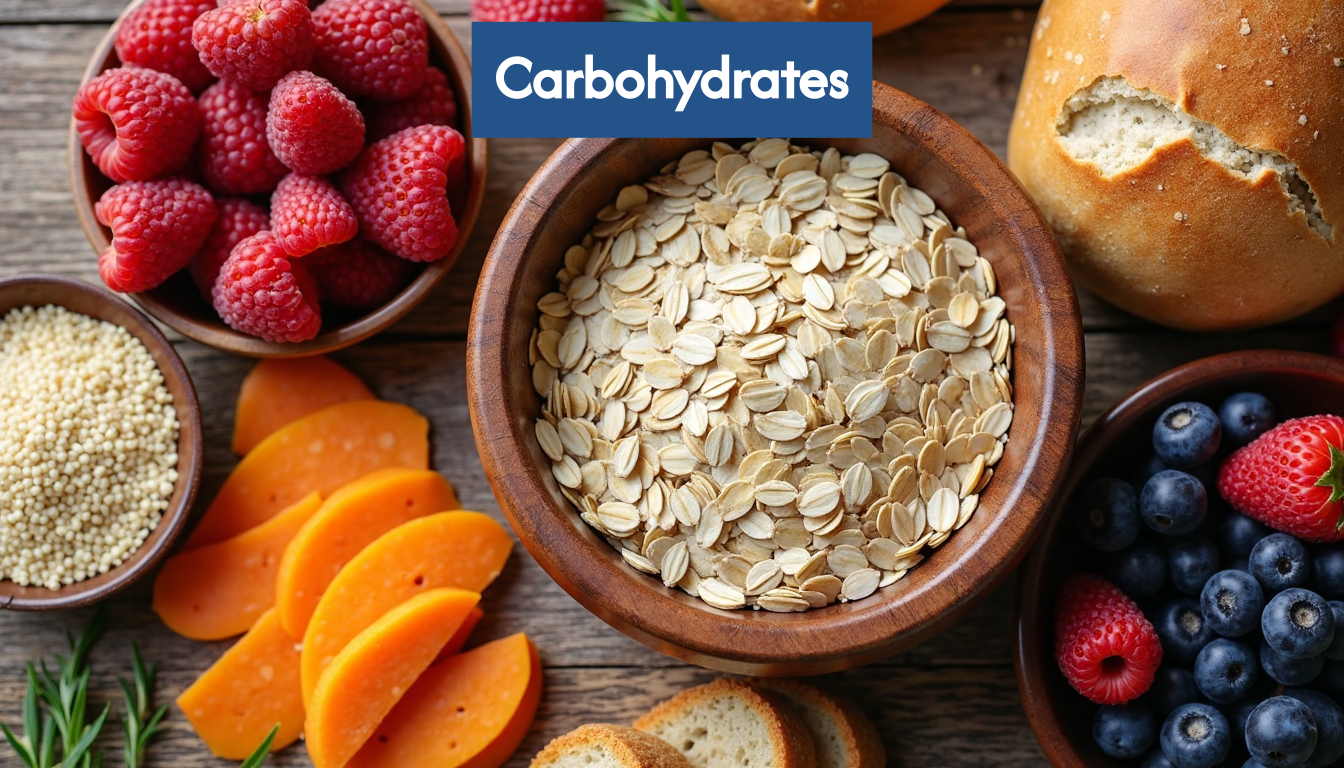
Different types of carbohydrates offer varied benefits:
- Simple Carbohydrates: Provide quick energy for immediate performance
- Complex Carbohydrates: Offer sustained energy and support longer training sessions
- Fiber-rich Carbohydrates: Aid in digestion and provide long-lasting energy
Fats: The Misunderstood Energy Reservoir
Nutritional studies from health research institutions highlight the critical role of fats in athletic nutrition. Contrary to popular misconception, fats are not the enemy but an essential component of an athlete’s diet. They support multiple physiological functions:
- Cell membrane structure maintenance
- Muscle metabolism regulation
- Hormone production
- Long-duration energy storage
Healthy fat sources like avocados, nuts, olive oil, and fatty fish provide essential fatty acids that contribute to overall athletic performance and recovery.
The key to optimal nutrition for athletes lies in understanding and balancing these building blocks. Each macronutrient plays a unique and irreplaceable role in supporting an athlete’s physical demands. By strategically incorporating proteins, carbohydrates, and fats, athletes can create a nutritional foundation that enhances performance, accelerates recovery, and promotes long-term health.
Timing your meals and fluids
Nutrition for athletes extends far beyond food selection—it’s about strategic timing that maximizes performance, supports recovery, and optimizes physiological processes. Understanding when to eat and drink can significantly impact an athlete’s energy levels, endurance, and overall performance.
Pre-Exercise Nutrition Strategy
Research indicates that consuming a meal rich in lean protein and complex carbohydrates 3–4 hours before training prepares athletes with optimal fuel while minimizing gastrointestinal discomfort. This pre-exercise nutrition approach involves:
- Consuming a balanced meal with moderate protein and complex carbohydrates
- Allowing sufficient time for digestion
- Incorporating a smaller, easily digestible carbohydrate snack 30–60 minutes before exercise
The goal is to enter training or competition with stable blood sugar levels and adequate energy reserves. Individual tolerance and preference play crucial roles in determining the most effective pre-exercise nutrition timing.
Meal Frequency and Energy Maintenance
According to the United States Anti-Doping Agency, regular meal timing—eating every 2–3 hours with a balance of protein and complex carbohydrates—helps stabilize hunger and maintain consistent energy levels. This approach supports more efficient post-training recovery and helps athletes manage their metabolic processes more effectively.
Key principles of meal frequency include:
- Consistent meal intervals
- Balanced macronutrient composition
- Portion control
- Hydration between meals
Post-Exercise Recovery Nutrition
Optimal recovery nutrition research emphasizes the critical window of 30–120 minutes after exercise for nutrient intake. During this period, athletes should focus on consuming approximately 0.3g/kg of protein and 1.2g/kg of carbohydrates to accelerate glycogen replenishment and muscle protein synthesis.
For athletes with multiple training sessions per day, this recovery nutrition becomes even more critical. The right combination of nutrients can:
- Reduce muscle soreness
- Replenish energy stores
- Support muscle repair and growth
- Prepare the body for subsequent training sessions
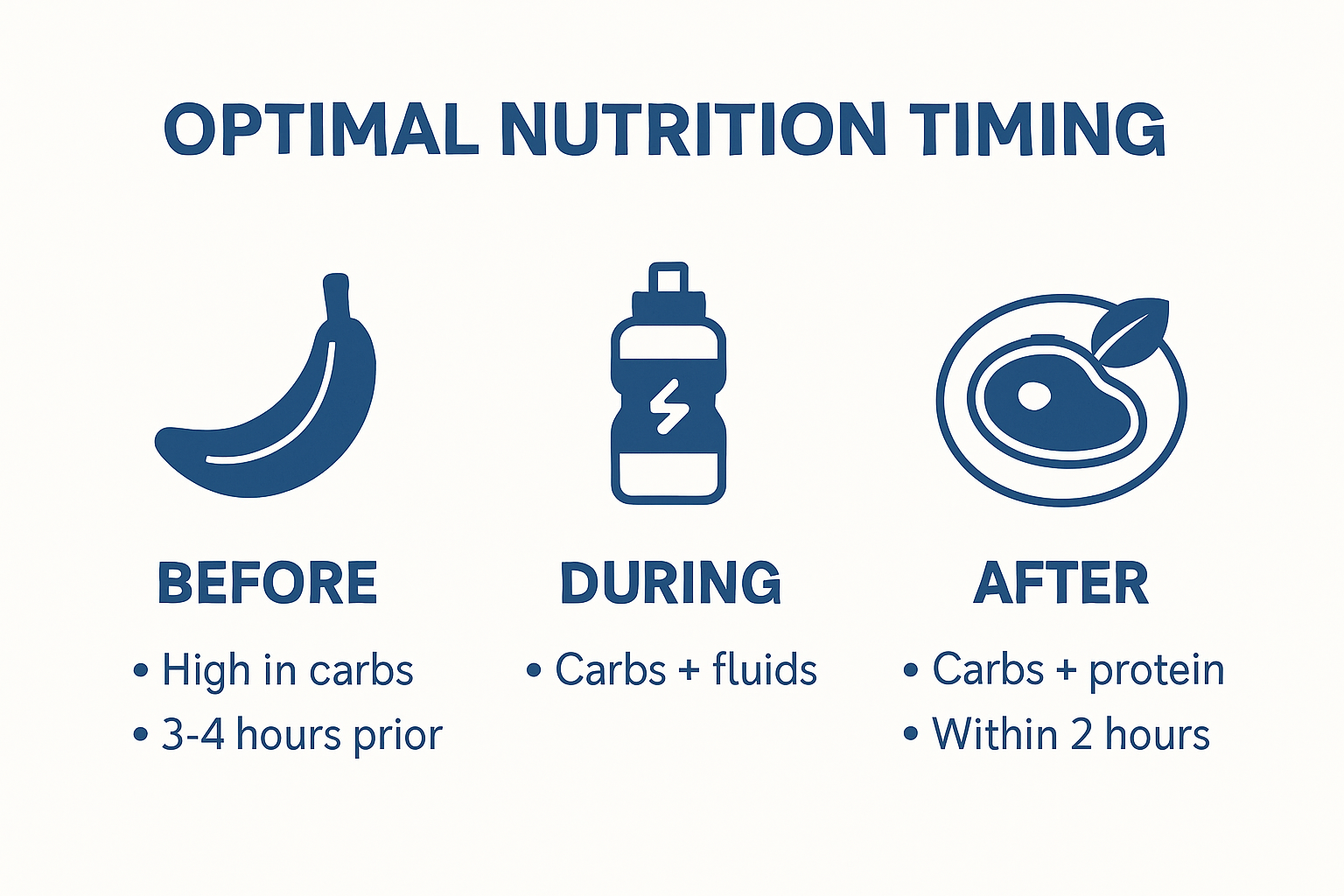
The art of nutrition timing is about understanding your body’s unique needs and creating a personalized approach that supports your specific athletic goals. While general guidelines provide a framework, individual metabolic responses, training intensity, and personal preferences will ultimately determine the most effective nutrition strategy.
Remember, there’s no one-size-fits-all solution. Experiment, track your performance, and be willing to adjust your nutrition timing to discover what works best for your body and athletic objectives.
Expert tips for athlete nutrition
Nutrition is both a science and an art, especially for athletes seeking to optimize their performance. Expert recommendations go beyond generic dietary advice, offering nuanced strategies tailored to individual athletic needs and physiological demands.
Strategic Meal Planning and Frequency
Mass General Brigham research recommends athletes consume balanced meals every 3–4 hours throughout the day. This approach ensures consistent energy levels and supports metabolic efficiency. Key strategies include:
- Prioritizing carbohydrates before workouts for immediate energy
- Recovering with a protein and carbohydrate combination post-exercise
- Maintaining steady nutrient intake to prevent energy crashes
Consistent meal timing helps athletes maintain stable blood sugar levels, optimize muscle glycogen stores, and support overall performance and recovery.
Protein Intake Optimization
Cutting-edge nutrition research advises athletes to consume protein-rich meals or snacks every three to five hours. Experts suggest targeting approximately 0.3g of protein per kilogram of body weight per meal, with a focus on meeting daily energy and macronutrient requirements through whole foods.
Effective protein strategies include:
- Distributing protein intake evenly throughout the day
- Choosing high-quality protein sources
- Matching protein consumption to training intensity and goals
- Considering individual metabolic needs and sport-specific requirements
Personalized Nutrition Approaches
The Academy of Nutrition and Dietetics emphasizes the critical importance of individualized nutrition plans. No universal diet fits every athlete, making personalization key to nutritional success.
Principles of personalized athlete nutrition include:
- Regular assessment of dietary quality
- Adapting nutrition plans to specific activity levels
- Considering personal health goals and performance objectives
- Working with sports nutritionists for tailored guidance
Successful athlete nutrition requires a holistic approach that combines scientific understanding, personal experimentation, and professional guidance. By integrating expert recommendations and listening to your body’s unique signals, you can develop a nutrition strategy that genuinely supports your athletic performance and long-term health.
Remember, nutrition is not a one-size-fits-all solution. What works for one athlete might not work for another. Stay curious, be willing to adjust, and prioritize your body’s individual needs and responses.
Frequently Asked Questions
What is the importance of nutrition for athletes?
Nutrition is crucial for athletes as it directly impacts performance, recovery, and overall health. Proper dietary intake helps fuel high-intensity training, supports muscle repair, and maintains immune function, making it a foundation for athletic success.
How can athletes personalize their nutrition strategies?
Athletes can personalize their nutrition by considering their genetic makeup, metabolic profiles, and specific sport demands. This individualized approach, often referred to as precision nutrition, helps maximize energy efficiency and reduce injury risk.
What macronutrients should athletes focus on?
Athletes should focus on a balanced intake of proteins, carbohydrates, and fats. Proteins are essential for muscle repair, carbohydrates serve as the primary energy source, and healthy fats support hormone production and long-duration energy storage.
When should athletes eat for optimal performance and recovery?
Athletes should aim to eat every 2–3 hours, focusing on meal timing around their training sessions. A pre-exercise meal rich in complex carbohydrates and lean protein is recommended, along with a recovery meal within 30–120 minutes after exercise to support muscle protein synthesis and replenish energy stores.
Unlock Your Peak Performance with Personalized Nutrition
Athletes, as highlighted in the article “Nutrition for Athletes 2025: Fueling Peak Performance,” face unique challenges when it comes to their diets. Insufficient energy and nutrient intake can lead to increased injury risks and hinder performance. Now, imagine overcoming those challenges with a tailored nutrition plan that adapts to your specific athletic needs.
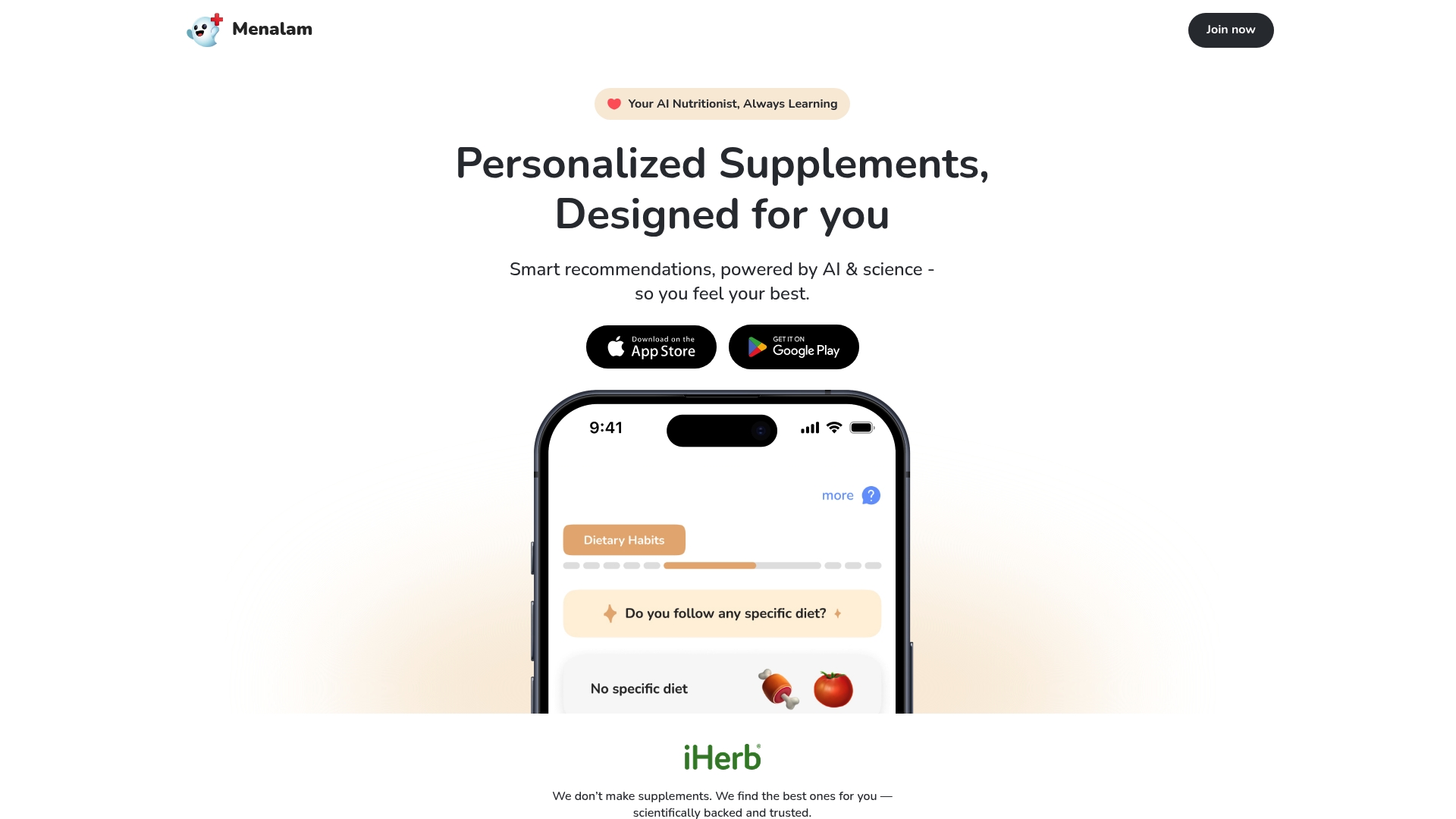
At Menalam, we take the guesswork out of your nutrition. Our AI-driven platform offers personalized supplement recommendations based on your individual health profile, lifestyle, and dietary preferences. No more one-size-fits-all solutions—our quick health quiz identifies the exact nutrients you need to fuel your training and recovery.
Why wait? Elevate your performance now with scientifically backed recommendations tailored just for you. Start your journey at https://menalam.com and embrace the nutritional strategy that can take your athletic performance to the next level today!
Leave a Reply