
Artificial intelligence is reshaping the landscape of nutrition in ways many never expected. AI can analyze your genetic makeup and lifestyle to create personalized dietary plans. But hold on. It’s not just about what you eat; it’s about how technology can anticipate your body’s unique needs. The true game-changer lies in its ability to continually evolve recommendations based on real-time data, making nutrition not only personal but also dynamic.
Table of Contents
- AI’s Impact On Personalized Nutrition
- Using AI For Better Dietary Advice
- AI In Clinical Nutrition Applications
Quick Summary
| Takeaway | Explanation |
|---|---|
| Precision Nutrition | AI enables personalized dietary recommendations by analyzing genetic, metabolic, and lifestyle data, leading to customized nutrition plans that cater to individual needs. |
| Advanced Dietary Assessment | AI-powered technologies can accurately evaluate dietary intake, automatically recognize food items, and provide real-time nutritional feedback, enhancing individual dietary management. |
| Personalized Clinical Interventions | AI is transforming clinical nutrition by creating highly tailored dietary strategies for patients, improving outcomes in chronic disease management and overall health. |
| Ethical Considerations | The implementation of AI in nutrition must address privacy, data security, and algorithm transparency to ensure responsible use and maintain trust in dietary recommendations. |
| Integration of Technologies | Combining AI with other emerging technologies enhances nutrition management, allowing for precise interpretations of health data and improved dietary intervention strategies. |
AI’s Impact on Personalized Nutrition
Artificial intelligence is revolutionizing how we approach nutrition, transforming personalized dietary guidance from a one-size-fits-all model to a precise, data-driven strategy. AI in nutrition represents a breakthrough in understanding individual metabolic responses, genetic predispositions, and lifestyle factors that influence dietary needs.
Precision Nutrition Through Advanced Data Analysis
AI’s capability to process complex datasets enables unprecedented personalization in nutritional recommendations. By analyzing genetic information, microbiome composition, metabolic markers, and lifestyle data, artificial intelligence nutrition platforms can generate hyper-targeted dietary plans. Research from the Weizmann Institute of Science demonstrated that AI-powered nutrition interventions could predict individual glycemic responses with remarkable accuracy, showing how technology can customize nutrition at a molecular level.
The integration of machine learning algorithms allows these systems to continuously refine recommendations. As individuals provide more data through wearable devices, blood tests, and lifestyle tracking, AI nutritionists can develop increasingly sophisticated understanding of an individual’s unique nutritional requirements.
Transforming Dietary Recommendations
Traditional nutrition approaches often relied on generalized guidelines. AI diet platforms challenge this paradigm by creating truly personalized nutrition strategies. A landmark study published in Frontiers in Nutrition revealed that AI-driven dietary interventions could significantly improve metabolic health markers by providing tailored nutritional guidance.
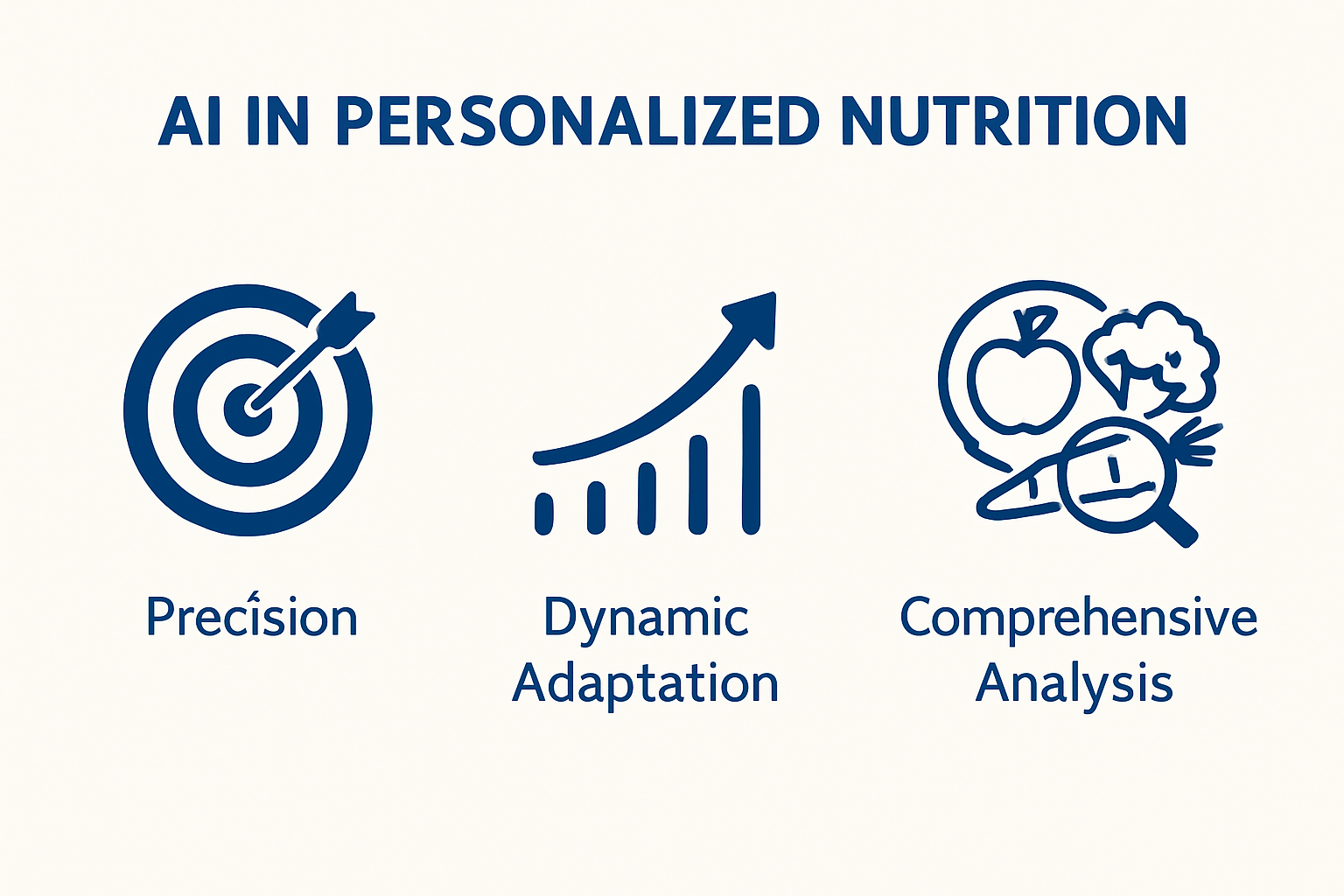
Key advantages of AI in nutrition include:
- Precision: Recommendations based on individual genetic and metabolic profiles
- Dynamic Adaptation: Continuous learning and adjustment of dietary plans
- Comprehensive Analysis: Integration of multiple health data points
Ethical Considerations and Future Potential
While the potential of AI dietary technologies is immense, experts emphasize the importance of ethical implementation. Research from digital health policy experts highlights the need to address privacy concerns, ensure data security, and maintain transparency in algorithmic decision-making.
The future of nutrition artificial intelligence lies not in replacing human expertise but in augmenting nutritional science. By providing data-driven insights, AI empowers nutritionists and individuals to make more informed, personalized dietary choices.
As technology continues to evolve, AI nutritionists will likely become essential partners in managing personal health, offering unprecedented levels of dietary customization and metabolic understanding.
Using AI for Better Dietary Advice
Artificial intelligence is transforming dietary advice from generic recommendations to precise, scientifically-backed nutritional guidance. AI nutrition technologies are emerging as powerful tools that can interpret complex health data and generate personalized dietary recommendations with unprecedented accuracy.
Advanced Dietary Assessment Technologies
AI-powered dietary assessment tools represent a significant leap forward in nutritional science. Research published in Frontiers of Nutrition revealed that AI-assisted dietary evaluation methods can achieve accuracy rates between 60% and 95% for energy, macronutrient, and micronutrient estimations. These systems leverage machine learning algorithms to analyze multiple data points, including food intake logs, metabolic markers, and lifestyle factors.
The sophisticated AI nutritionist platforms can now:
- Automatically recognize food items from photographs
- Estimate portion sizes with remarkable precision
- Track nutritional intake across multiple meals and days
- Provide real-time nutritional feedback
Personalized Nutritional Recommendations
Artificial intelligence nutrition goes beyond simple tracking by generating truly customized dietary advice. A comprehensive review in nutritional technology demonstrated strong correlation coefficients exceeding 0.7 between AI-based dietary intake assessments and traditional measurement methods. This indicates that machine learning models can provide reliable, individualized nutritional guidance.
These AI systems consider multiple factors when generating recommendations, including:
- Genetic predispositions
- Current health status
- Metabolic profile
- Personal fitness goals
- Dietary restrictions and preferences
Emerging Challenges and Ethical Considerations
Research from emerging digital health platforms highlights the potential of AI-driven dietary recommendation systems, including advanced models like ChatGPT. However, researchers also emphasize the critical need for ongoing validation, privacy protection, and maintaining human oversight in AI diet technologies.
Key challenges include ensuring data accuracy, protecting user privacy, and preventing algorithmic bias. As AI nutritionists become more sophisticated, interdisciplinary collaboration between nutritionists, data scientists, and healthcare professionals will be crucial in developing responsible, effective technologies.
The future of dietary advice lies in this intelligent, personalized approach—where AI in nutrition serves as a sophisticated partner in individual health management, offering insights that were previously impossible to obtain through traditional nutritional counseling.
AI in Clinical Nutrition Applications
Artificial intelligence is dramatically transforming clinical nutrition, offering sophisticated tools that enhance diagnostic accuracy, treatment planning, and patient outcomes. AI in nutrition is no longer a futuristic concept but a present-day reality reshaping healthcare approaches to dietary management and metabolic health.
Advanced Diagnostic and Risk Assessment
Artificial intelligence nutrition technologies are revolutionizing how healthcare professionals screen, diagnose, and manage nutritional risks. Research from global health institutes demonstrates that machine learning models can now interpret complex Electronic Health Record (EHR) data to predict nutritional vulnerabilities with unprecedented precision.
The MUST-Plus model represents a breakthrough in malnutrition screening, utilizing advanced algorithms to:
- Analyze comprehensive patient health data
- Identify potential nutritional deficiencies
- Generate early intervention recommendations
- Predict long-term health risks associated with nutritional status
Personalized Clinical Nutrition Interventions
AI nutritionists are transforming clinical nutrition by creating highly personalized dietary strategies. Clinical research published in nutritional medicine indicates that AI-generated dietary plans can now closely match weight-loss and health management interventions used in medical settings.
Key applications include:
- Developing targeted nutrition plans for patients with chronic diseases
- Monitoring metabolic responses to specific dietary interventions
- Tracking nutritional intake and health markers in real-time
- Providing dynamic dietary recommendations based on individual health data
Integration of Emerging Technologies
Global health technology research highlights the convergence of multiple technologies in AI diet applications. Natural language processing, machine learning, and advanced sensor technologies are creating comprehensive nutrition management platforms that offer unprecedented insights.
Healthcare professionals can now leverage AI to:
- Interpret complex food logs and health data
- Predict individual health responses to dietary changes
- Create more precise nutritional intervention strategies
- Support patients with personalized, data-driven guidance
The future of clinical nutrition lies in this intelligent, integrated approach—where AI in nutrition serves as a critical tool for precision medicine, transforming how we understand and manage dietary health.
Frequently Asked Questions
What is AI’s role in personalized nutrition?
AI analyzes genetic, metabolic, and lifestyle data to create personalized dietary plans tailored to individual needs, improving overall health outcomes.
How does AI enhance dietary recommendations?
AI utilizes advanced data analysis to provide dynamic, personalized dietary guidance that adjusts based on real-time data and individual responses.
What ethical considerations are there in AI nutrition?
Ethical concerns include privacy, data security, and transparency in algorithmic decision-making, ensuring responsible use and maintaining trust in AI-generated dietary advice.
How is AI being used in clinical nutrition?
AI helps clinicians develop personalized dietary strategies, monitor patient progress, and identify nutritional deficiencies by analyzing complex health data.
Unlock Your Personalized Nutrition Journey with Menalam
Are you ready to experience the future of nutrition firsthand? With AI reshaping dietary recommendations as discussed in the article “The Future of AI in Nutrition: 2025 Insights,” Menalam brings these innovations directly to you! Imagine a world where your supplement intake is tailored specifically to your genetic makeup, lifestyle, and dietary preferences.
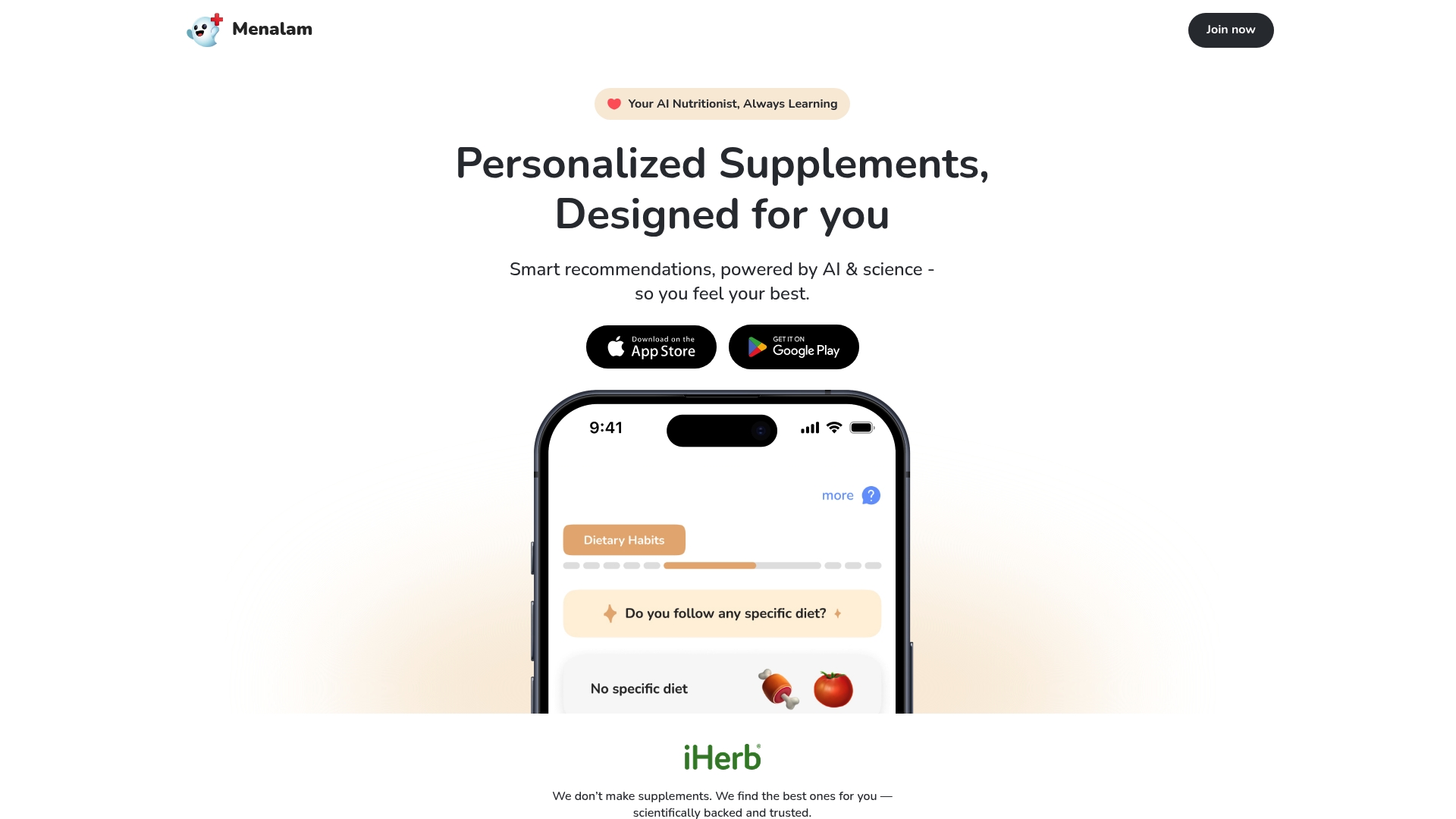
🌟 Menalam offers cutting-edge, AI-driven personalized supplement recommendations designed to address your unique nutritional needs. Our intelligent health quiz helps pinpoint the vitamins and supplements that resonate with you, ensuring you’re not just following trends but making informed choices backed by science.
🔍 Don’t wait for the future—embrace it now! Start your journey today at Menalam and unlock the power of personalized nutrition that evolves with you. Your health transformation begins with a single step—let us guide you there!
Leave a Reply