
Dehydration is more than just a simple thirst issue. It impacts nearly every system in your body, from cardiovascular health to cognitive performance. Studies show that dehydration can elevate your core body temperature by up to 0.25°C for every 1% of body mass lost. But here’s the kicker: many people don’t realize that hydration isn’t solely about water intake. It also hinges on the nutrients you consume. By incorporating the right foods and electrolytes into your diet, you can significantly boost your hydration levels and overall health. Curious how your food choices can enhance your hydration strategy? Let’s dive into the details.
Table of Contents
- What Happens During Dehydration?
- Nutrients Important For Hydration
- Eating For Better Hydration
- When To Seek Medical Help
Quick Summary
| Takeaway | Explanation |
|---|---|
| Dehydration Impacts Multiple Systems | Dehydration significantly affects cardiovascular health, muscle function, temperature regulation, and cognitive performance, making proactive hydration essential for optimal body function. |
| Hydration Requires Electrolytes and Nutrients | Key nutrients like electrolytes and amino acids are crucial for maintaining fluid balance and cellular functions; deficiencies can lead to severe hydration issues. |
| Diet Plays a Vital Role in Hydration | Consuming water-rich foods like fruits, vegetables, and dairy can contribute significantly to daily water intake, enhancing overall hydration. |
| Personalized Hydration Strategies are Important | Individual hydration needs vary based on factors such as age, activity level, and body composition; recognizing these differences can improve hydration effectiveness. |
| Recognize Severe Dehydration Symptoms | Symptoms like confusion, rapid heartbeat, and decreased urine output indicate severe dehydration that requires immediate medical attention to prevent health complications. |
What happens during dehydration?
Dehydration is a complex physiological process that dramatically impacts the body’s fundamental systems and functions. When water levels drop below optimal levels, a cascade of critical changes begins to compromise overall health and performance.
Immediate Cardiovascular and Metabolic Responses
The body’s initial response to dehydration involves immediate cardiovascular adaptations. Research from the National Institutes of Health reveals that dehydration triggers a reduction in central blood volume, which initiates a series of compensatory mechanisms. As water volume decreases, the heart rate increases and stroke volume declines, forcing the cardiovascular system to work harder to maintain blood pressure and circulation.
During physical exertion, these effects become even more pronounced. For every 1% of body mass lost through fluid depletion, core body temperature can rise between 0.12°C to 0.25°C, accompanied by a 3 to 5 beat per minute increase in heart rate. This physiological strain demonstrates how quickly dehydration can disrupt normal bodily functions.
Systemic Performance and Metabolic Disruptions
Beyond cardiovascular changes, dehydration profoundly impacts multiple physiological systems. Research published in Frontiers in Physiology highlights several critical performance impairments:
- Reduced Muscle Function: Decreased blood flow compromises oxygen delivery to muscles
- Thermoregulatory Dysfunction: The body’s ability to regulate temperature becomes significantly impaired
- Metabolic Shifts: Increased carbohydrate metabolism occurs as the body attempts to compensate for reduced fluid levels
These disruptions can lead to decreased physical performance, increased fatigue, and potential long-term health risks if not addressed promptly. Athletes and individuals engaged in intense physical activities are particularly vulnerable to these systemic changes.
Cellular and Neurological Impacts
At the cellular level, dehydration creates significant stress. Cells begin to shrink as water is drawn out, disrupting critical enzymatic processes and cellular communication. Neurologically, fluid loss can lead to decreased cognitive function, reduced concentration, and potential mood alterations.
The brain is especially sensitive to hydration status. Even mild dehydration can result in headaches, reduced mental clarity, and increased perception of task difficulty. This underscores the importance of maintaining consistent fluid intake to support optimal neurological performance.
Understanding these intricate physiological responses highlights why hydration is not just about drinking water, but about maintaining a delicate balance that supports entire bodily systems. Proactive hydration strategies become crucial in preventing the complex cascade of negative effects triggered by fluid depletion.
Nutrients Important for Hydration
Hydration extends far beyond simply consuming water. The body requires a complex network of nutrients to maintain optimal fluid balance, support cellular functions, and ensure efficient nutrient transportation. Understanding these critical components provides insight into comprehensive hydration strategies.
Electrolytes: The Cellular Conductors
Research from Nutritional Outlook reveals that electrolytes play a pivotal role in maintaining fluid balance. Potassium, sodium, and chloride work synergistically to regulate fluid distribution both inside and outside cellular membranes. These minerals are not just passive participants but active conductors of critical physiological processes.
Key electrolyte functions include:
- Nerve Transmission: Facilitating electrical signals between cells
- Muscle Function: Supporting muscle contraction and relaxation
- Nutrient Transport: Enabling efficient movement of nutrients across cell membranes
- Toxin Removal: Supporting cellular waste elimination processes
Deficiencies in these essential minerals can lead to significant hydration disruptions, potentially causing muscle cramps, fatigue, and compromised cellular performance.
Amino Acids and Hydration Support
Scientific investigations have uncovered the remarkable role of specific amino acids in hydration. Taurine emerges as a standout nutrient, demonstrating unique capabilities in electrolyte management. This amino acid helps contain potassium and magnesium inside cells while preventing excessive sodium entry, thus maintaining delicate electrolyte equilibrium.
Beyond electrolyte balance, taurine offers additional benefits:
- Cardiovascular Health: Supporting heart function
- Stress Management: Helping mitigate exercise-induced physiological stress
- Cellular Protection: Maintaining membrane integrity during intense physical activities
Water: The Fundamental Nutrient
Comprehensive research from the National Institutes of Health emphasizes water’s status as an essential nutrient. Unlike other nutrients, water’s absence can be fatal within days, underscoring its absolute criticality to human survival. It is not merely a passive substance but an active participant in nearly every bodily function.
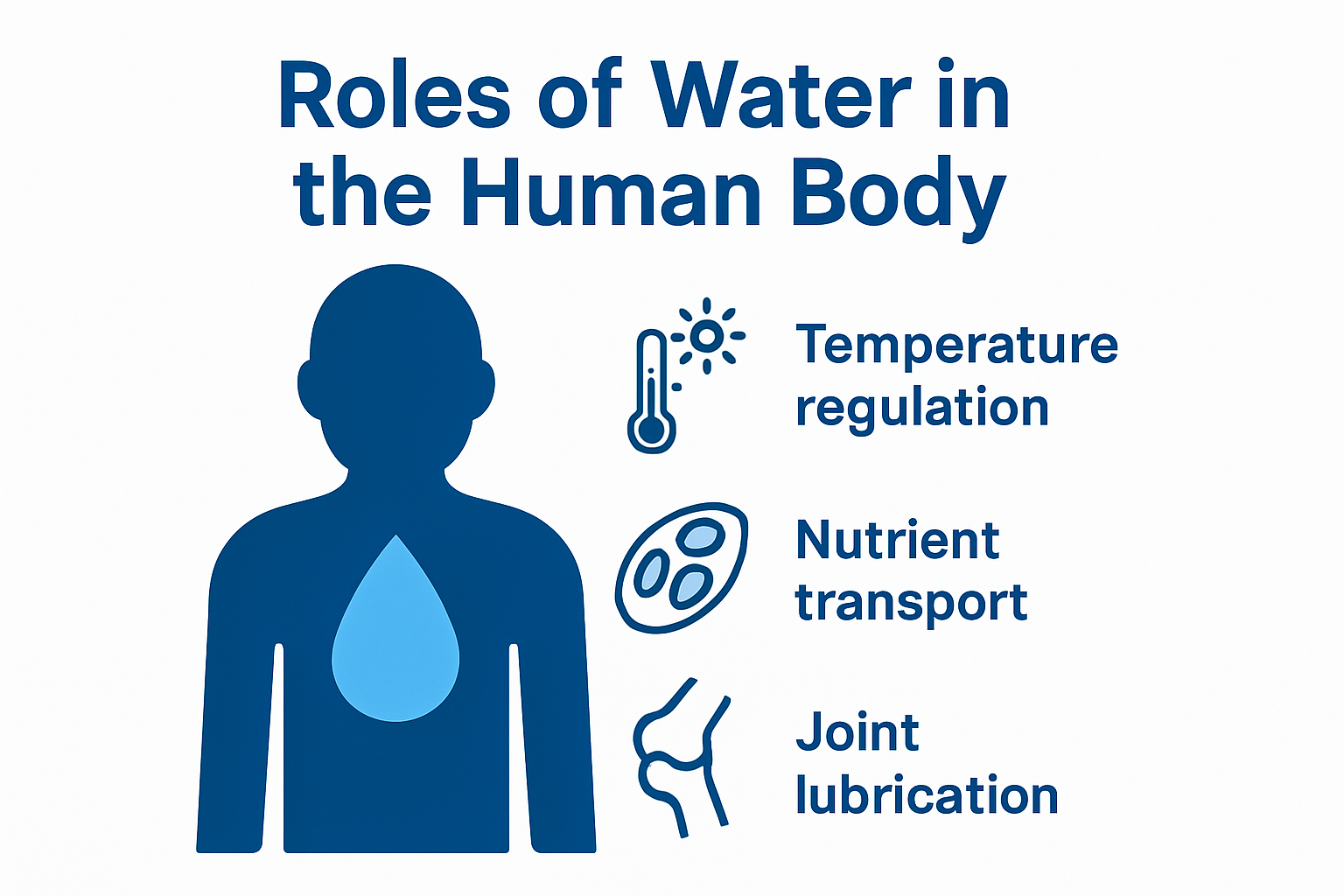
Water’s multifaceted roles include:
- Temperature Regulation: Helping maintain optimal body temperature
- Nutrient Transportation: Facilitating movement of nutrients and hormones
- Joint Lubrication: Supporting smooth movement and reducing friction
- Metabolic Processes: Enabling critical chemical reactions
Adequate hydration goes beyond preventing thirst—it is fundamental in preventing nutrition-related noncommunicable diseases. Fluid balance represents a cornerstone of comprehensive health management, influencing everything from cognitive performance to metabolic efficiency.
By understanding the intricate interplay between water, electrolytes, and supportive nutrients like amino acids, individuals can develop more nuanced and effective hydration strategies. This holistic approach transforms hydration from a simple act of drinking water into a sophisticated method of supporting overall physiological wellness.
Eating for Better Hydration
Hydration is not solely about drinking water. Strategic food choices can significantly contribute to maintaining optimal fluid balance and supporting overall health. Understanding how diet impacts hydration provides a comprehensive approach to meeting the body’s fluid requirements.
Water-Rich Foods: Nature’s Hydration Strategy
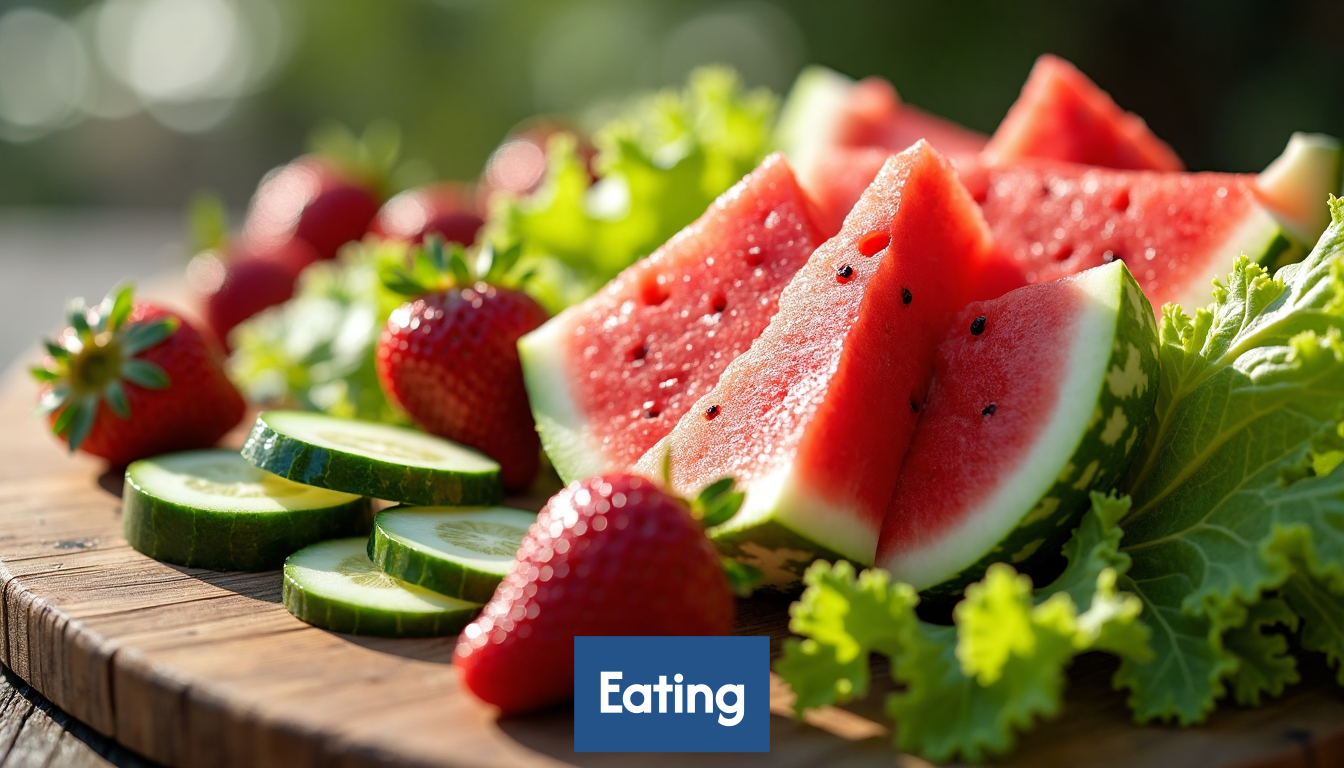
Research published in Frontiers in Nutrition reveals that foods can provide up to 20–30% of total daily water intake. This nutritional approach offers a multifaceted strategy for maintaining hydration beyond traditional fluid consumption.
Top water-rich food categories include:
- Fresh Fruits: Watermelon, strawberries, cantaloupe (90%+ water content)
- Vegetables: Cucumber, lettuce, zucchini (95%+ water content)
- Soups and Broths: Provide hydration with added nutritional benefits
- Dairy Products: Yogurt and milk contribute significant fluid volumes
These foods not only supply water but also deliver essential nutrients, electrolytes, and micronutrients that support cellular hydration and overall metabolic function.
Personalized Hydration Considerations
Nutritional research highlights that individual hydration needs vary dramatically based on multiple factors. Age, gender, environmental conditions, and personal metabolism significantly influence fluid requirements and absorption.
Key personalization factors include:
- Seasonal Variations: Higher water needs during summer months
- Activity Level: Increased fluid requirements for physically active individuals
- Metabolic Profile: Body composition impacts hydration strategies
- Climate Adaptation: Environmental temperature affects fluid loss rates
Metabolic Health and Hydration Risk Factors
Comprehensive studies demonstrate that certain metabolic characteristics significantly influence hydration risk. Body mass index (BMI) and kidney function emerge as critical predictors of potential dehydration vulnerabilities.
Potential risk indicators include:
- High BMI: Associated with increased dehydration potential
- Compromised Kidney Function: Reduces body’s fluid regulation efficiency
- Chronic Health Conditions: May impact hydration absorption and retention
- Medication Interactions: Some medications alter fluid balance
Developing a nuanced approach to hydration means moving beyond generic recommendations. By incorporating water-rich foods, understanding individual metabolic needs, and recognizing personal risk factors, individuals can create sophisticated hydration strategies.
The intersection of nutrition and hydration represents a dynamic landscape where food choices become powerful tools for maintaining optimal fluid balance. Strategic eating becomes more than mere sustenance—it transforms into a proactive approach to supporting the body’s complex physiological requirements.
When to Seek Medical Help
Recognizing the critical signs of severe dehydration is essential for preventing potentially life-threatening complications. While many hydration challenges can be managed through self-care, certain symptoms demand immediate professional medical intervention.
Red Flags of Severe Dehydration
Mayo Clinic research emphasizes that some dehydration symptoms warrant urgent medical attention. These critical indicators signal that the body’s fluid and electrolyte balance has been severely compromised:
- Mental Status Changes: Confusion, disorientation, or extreme drowsiness
- Cardiovascular Distress: Rapid heartbeat or significant blood pressure fluctuations
- Urinary Dysfunction: Complete cessation of urine output or extremely dark, concentrated urine
- Neurological Symptoms: Fainting, persistent dizziness, or seizures
These symptoms suggest that dehydration has progressed beyond a simple fluid deficit and now threatens critical physiological functions.
Initial Intervention and Medical Protocols
Medical guidelines recommend a structured approach to managing moderate to severe dehydration. For adults experiencing significant fluid loss, healthcare professionals typically advise:
- Consuming 1 to 2 liters of oral rehydration solutions within the first 4 hours
- Continuous fluid intake based on individual symptom progression
- Monitoring electrolyte balance and potential underlying causes
Emergency care specialists highlight specific scenarios that require immediate hospital evaluation:
- Extreme dizziness suggesting neurological compromise
- Persistent rapid heartbeat indicating cardiovascular stress
- Signs of shock or significant circulatory system disruption
Special Population Considerations
Certain demographic groups face heightened risks and require more aggressive medical monitoring during dehydration episodes:
- Infants and Young Children: Higher susceptibility to rapid fluid loss
- Elderly Individuals: Reduced physiological resilience and medication interactions
- Chronic Disease Patients: Compromised metabolic regulation
- Athletes and Outdoor Workers: Increased vulnerability during intense physical activities
These populations often require specialized medical assessment to prevent potential long-term health complications arising from severe fluid imbalances.
Understanding when to transition from self-management to professional medical intervention can be life-saving. While hydration strategies are crucial, recognizing the boundary between manageable fluid loss and a medical emergency is paramount.
Prevention remains the most effective strategy. Regular monitoring, understanding personal risk factors, and maintaining consistent hydration habits can significantly reduce the likelihood of reaching a critical dehydration state that requires emergency medical treatment.
Frequently Asked Questions
What are the signs of dehydration?
Common signs of dehydration include extreme thirst, dark yellow urine, dry mouth, fatigue, dizziness, and confusion. Severe dehydration may lead to fainting or rapid heartbeat.
How does hydration affect athletic performance?
Hydration plays a crucial role in athletic performance by maintaining cardiovascular health, muscle function, and cognitive clarity. Dehydration can lead to muscle cramps, fatigue, and decreased physical performance.
What foods are best for hydration?
Water-rich foods like watermelon, cucumbers, strawberries, and yogurt contribute significantly to hydration, providing both fluids and essential nutrients that support overall health.
When should I seek medical help for dehydration?
You should seek medical attention if you experience severe symptoms such as confusion, persistent dizziness, rapid heartbeat, or very dark urine, as these could indicate a critical state that requires intervention.
Elevate Your Hydration Strategy with Menalam!
Having learned how dehydration impacts every inch of your performance—from cardiovascular health to cognitive clarity—it’s essential to take action today. But hydration isn’t just about water; it’s also about the nutrients you consume! That’s where Menalam steps in to revolutionize your personal approach to nutrition and hydration.
Imagine a personalized supplement plan that incorporates not just fluid recommendations but also electrolytes and essential nutrients tailored specifically for you. With Menalam, you can:
- Take our quick health quiz to discover which vitamins and supplements, like hydrating electrolytes or amino acids, are right for your unique lifestyle.
- Track your health progress seamlessly through our mobile app, ensuring every step of your hydration journey is supported and monitored.
- Receive ongoing adjustments to your health plan based on your blood test results, making sure you’re always in tune with your body’s needs.
Don’t just wait until dehydration strikes—empower yourself with the knowledge and resources to stay hydrated and healthy! Visit Menalam today and transform your hydration game. Start your journey to better hydration NOW!
Leave a Reply