
Nutrient absorption is the gateway to optimal health and energy. Our bodies rely on a finely tuned system to break down food and extract essential elements from it. Did you know that the small intestine is the primary site of nutrient absorption, boasting a surface area that allows for efficient extraction? Yet, surprisingly, many people overlook the power of strategic food choices and preparation methods. This insight can dramatically enhance how well our bodies extract nutrients from the food we consume.
Table of Contents
Quick Summary
| Takeaway | Explanation |
|---|---|
| Digestive Tract’s Role | The digestive system is crucial for breaking down nutrients into absorbable forms, with the small intestine serving as the primary site for nutrient absorption. |
| Nutrient Bioavailability Influences | Nutrient absorption can be enhanced or inhibited by dietary composition, food interactions, and individual factors like gut health and age. |
| Strategic Food Combinations | Combining certain foods can significantly improve nutrient uptake; for example, vitamin C enhances iron absorption, and dietary fat is necessary for fat-soluble vitamins. |
| Gut Health Importance | A healthy gut microbiome is essential for effective nutrient absorption; incorporating probiotics and prebiotics can support this ecosystem. |
| Lifestyle Factors Impact | Lifestyle choices such as stress management, sufficient sleep, and moderation of alcohol can enhance nutrient absorption efficacy. |
How Your Body Absorbs Nutrients
Understanding nutrient absorption is crucial for comprehending how our bodies convert food into essential energy and building blocks for cellular function. The human digestive system is a remarkably complex network designed to break down and extract nutrients with incredible precision and efficiency.
The Digestive Tract: Your Nutrient Processing Center
The journey of nutrient absorption begins in the mouth and continues through an intricate pathway involving multiple organs and specialized cells. Research from the National Institutes of Health reveals that the gastrointestinal tract is a highly specialized system dedicated to transforming food into absorbable components. Each segment of the digestive system plays a unique role in breaking down different types of nutrients.
Proteins, carbohydrates, and fats undergo specific enzymatic processes that convert them from complex molecules into simpler forms. For instance, proteins are broken down into amino acids, carbohydrates into simple sugars, and fats into fatty acids and glycerol. These smaller molecules can then pass through the intestinal wall and enter the bloodstream.
Absorption Mechanisms: How Nutrients Enter Your Body
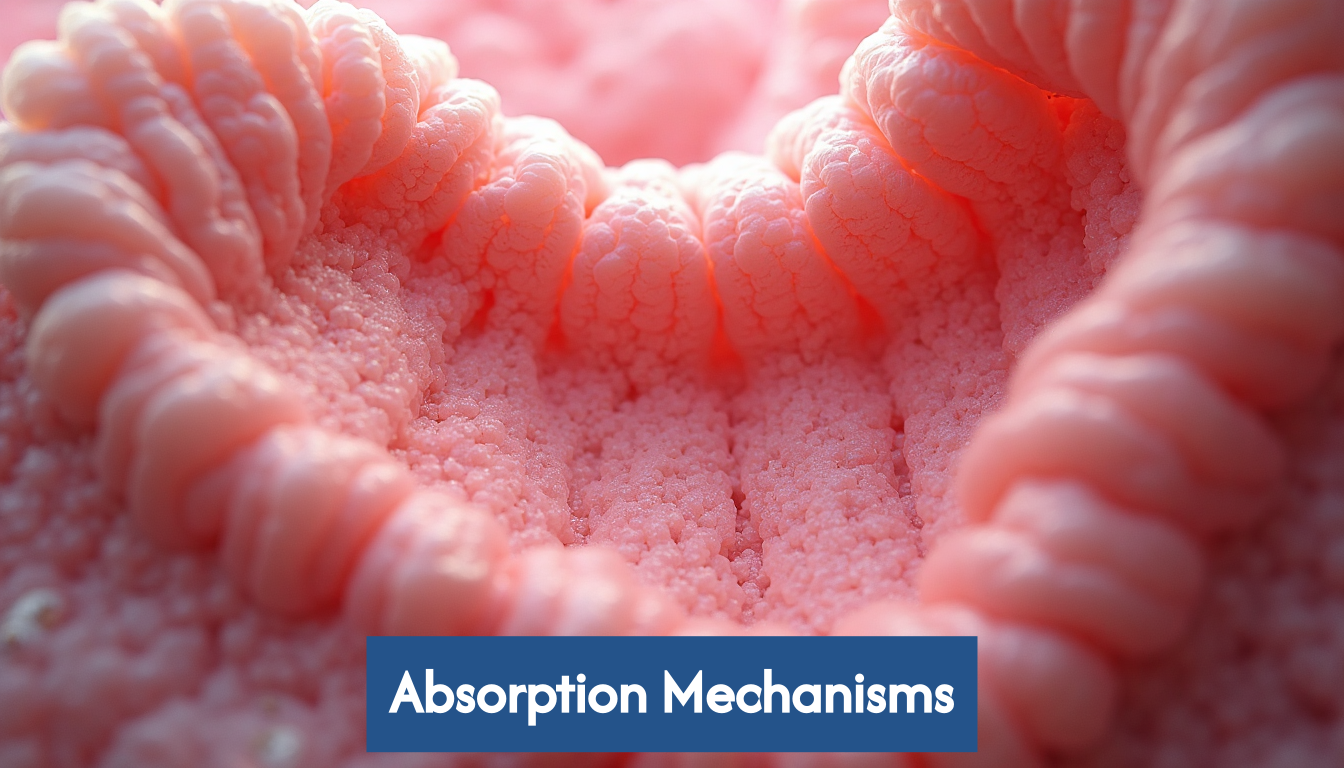
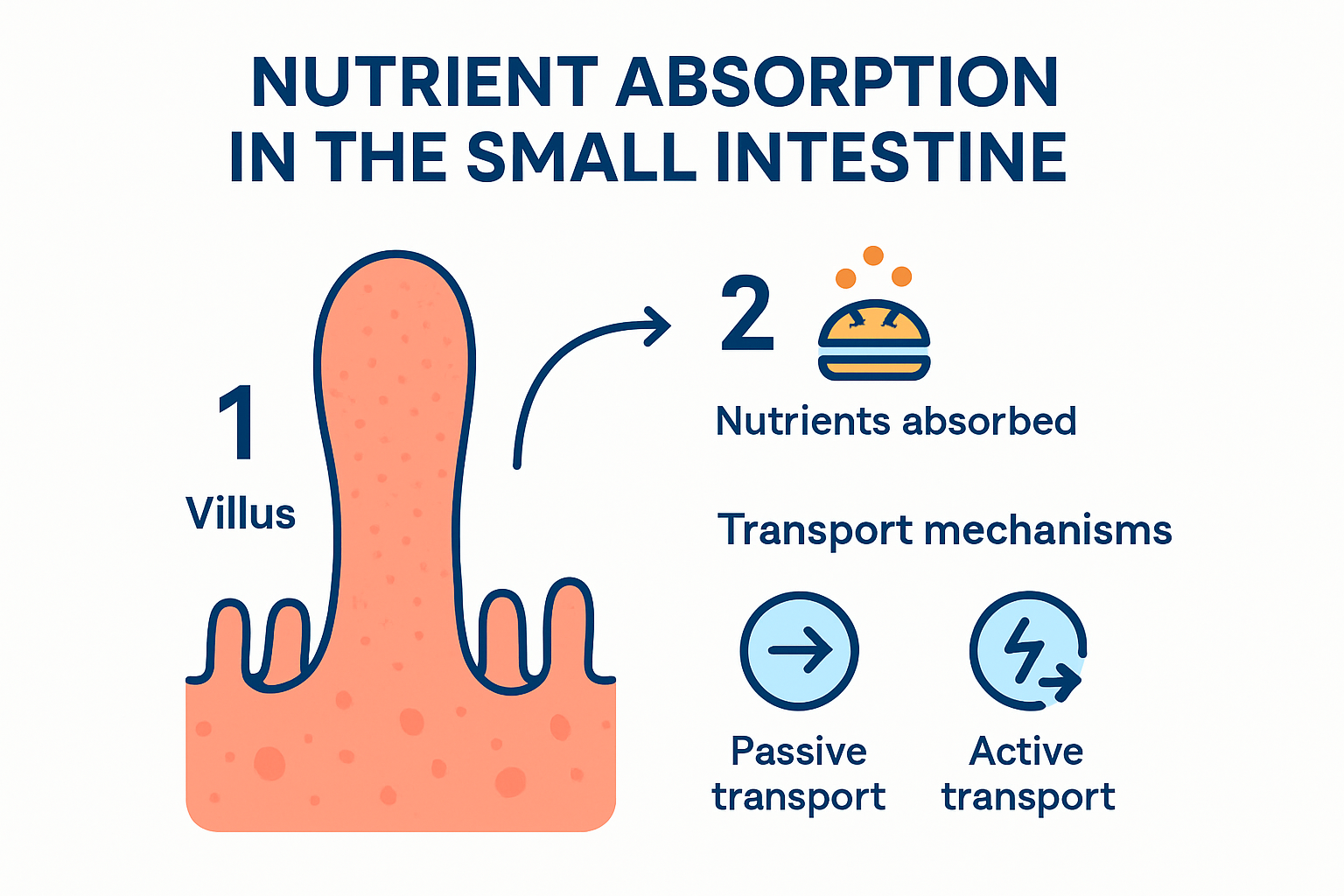
The small intestine is the primary site of nutrient absorption, featuring a remarkable surface area enhanced by microscopic finger-like projections called villi. These structures dramatically increase the intestinal surface area, allowing for maximum nutrient extraction. According to research published in Frontiers in Nutrition, nutrient bioavailability is a complex process involving intricate interactions between food components.
Different nutrients utilize specific transport mechanisms. Amino acids, for example, are absorbed through specialized protein transporters like PEPT1, which was discovered when researchers found unexpected pathways for neutral amino acid uptake. Glucose is absorbed through sodium-glucose cotransporters, while fatty acids are absorbed through passive diffusion and specific protein channels.
Factors Influencing Nutrient Absorption
Nutrient absorption isn’t a uniform process and can be influenced by multiple factors. Dietary composition, gut health, age, and individual metabolic variations all play significant roles. Some nutrients require specific conditions for optimal absorption. For instance, fat-soluble vitamins (A, D, E, K) require dietary fat for effective uptake, while iron absorption is enhanced by consuming vitamin C-rich foods simultaneously.
Additionally, certain compounds can inhibit nutrient absorption. Phytates in whole grains and legumes can bind minerals like iron and zinc, reducing their bioavailability. Conversely, proper food combinations and preparation methods can enhance nutrient absorption, demonstrating the intricate relationship between diet and nutritional uptake.
Understanding these complex mechanisms helps individuals make more informed dietary choices, ensuring their bodies receive the maximum nutritional benefit from the foods they consume. By recognizing how nutrient absorption works, people can optimize their diet and support overall health more effectively.
Factors Affecting Nutrient Uptake
Nutrient uptake is a complex process influenced by numerous intrinsic and extrinsic factors that can significantly impact how effectively our bodies absorb essential vitamins, minerals, and macronutrients. Understanding these factors can help individuals optimize their nutritional intake and overall health.
Dietary Composition and Food Interactions
Research published in Frontiers in Nutrition reveals that food components can interact in remarkably complex ways, either enhancing or inhibiting nutrient absorption. Some nutrients work synergistically, while others can create antagonistic relationships that reduce bioavailability.
For instance, vitamin C dramatically improves iron absorption when consumed together, while calcium can interfere with iron uptake if consumed in the same meal. Similarly, fat-soluble vitamins (A, D, E, and K) require dietary fat for optimal absorption, highlighting the intricate relationships between different nutrients.
Physiological and Individual Factors
Studies from the National Institutes of Health demonstrate that nutrient absorption varies significantly based on individual physiological characteristics. Age, metabolism, gut health, and genetic factors play crucial roles in determining how effectively nutrients are processed and absorbed.
Gut microbiome composition emerges as a critical factor in nutrient uptake. The diverse bacteria in our digestive system can influence nutrient breakdown, produce essential enzymes, and even synthesize certain vitamins. Individuals with compromised gut health or those taking antibiotics may experience reduced nutrient absorption, underscoring the importance of maintaining a healthy digestive ecosystem.
Environmental and Processing Influences
Comprehensive research on carotenoid absorption highlights how external factors like food processing and preparation can dramatically impact nutrient bioavailability. Cooking methods, food storage, and processing techniques can either enhance or diminish the nutritional value of foods.
For example, lycopene in tomatoes becomes more bioavailable when cooked, while excessive heat can destroy certain heat-sensitive vitamins. Similarly, mechanical processing like chopping or blending can increase nutrient accessibility by breaking down cell walls. This demonstrates that how we prepare and consume food is just as important as what we eat.
Certain lifestyle factors also play a significant role in nutrient uptake. Stress, alcohol consumption, and chronic medications can interfere with absorption mechanisms. Smoking, for instance, can reduce the absorption of several key nutrients, including vitamin C and calcium.
By understanding these complex factors, individuals can make more informed dietary choices. This might involve strategic meal planning, considering nutrient combinations, and being mindful of food preparation methods. Consulting with nutritionists or healthcare professionals can provide personalized insights into optimizing nutrient absorption based on individual health profiles and dietary needs.
Boost Your Absorption Effectively
Enhancing nutrient absorption is a strategic approach to maximizing the nutritional benefits of your diet. By implementing targeted strategies, individuals can significantly improve their body’s ability to extract and utilize essential nutrients more effectively.
Strategic Food Combinations and Preparation
Research published in Nutrient Journals demonstrates that nutrient bioavailability is profoundly influenced by how foods are combined and prepared. Strategic food pairing can dramatically enhance nutrient uptake by creating synergistic interactions between different nutrients.
For instance, consuming vitamin C-rich foods alongside iron sources can increase iron absorption by up to 67%. Similarly, combining healthy fats with fat-soluble vitamins (A, D, E, K) helps improve their absorption. Practical examples include adding olive oil to leafy green salads or consuming nuts with vegetables to enhance nutrient uptake.
Cooking techniques also play a crucial role. Light steaming of vegetables can break down cell walls, making nutrients more accessible. Fermentation and sprouting can reduce anti-nutrient compounds like phytates, which typically inhibit mineral absorption. These methods alome improve nutrient availability but can also enhance digestibility.
Gut Health and Microbiome Support
Innovative research from the International Atomic Energy Agency highlights the critical role of gut health in nutrient absorption. The microbiome acts as a complex ecosystem that directly influences how effectively nutrients are processed and absorbed.
Probiotics and prebiotics emerge as powerful tools for improving nutrient absorption. Fermented foods like yogurt, kefir, and kimchi introduce beneficial bacteria that support digestive health. Prebiotic-rich foods such as garlic, onions, and bananas provide nutrition for these beneficial microorganisms, creating an optimal environment for nutrient uptake.
Additionally, managing gut inflammation is crucial. Chronic inflammation can damage the intestinal lining, reducing its ability to absorb nutrients effectively. Incorporating anti-inflammatory foods like turmeric, ginger, and omega-3 rich fish can help maintain a healthy intestinal environment.
Lifestyle and Supplementation Strategies
Beyond diet, several lifestyle factors can significantly impact nutrient absorption. Chronic stress, inadequate sleep, and excessive alcohol consumption can compromise the body’s ability to extract nutrients efficiently. Developing stress management techniques, maintaining a consistent sleep schedule, and moderating alcohol intake can improve overall nutrient uptake.
Supplementation can be a strategic approach for individuals with specific nutritional challenges. However, it’s crucial to understand that supplements are most effective when used to complement a balanced diet, not replace it. Consulting with healthcare professionals can help identify potential nutrient deficiencies and develop personalized supplementation strategies.
Some individuals may benefit from specific absorption-enhancing supplements like digestive enzymes or chelated minerals, which are designed to improve nutrient bioavailability. However, these should be used under professional guidance to ensure optimal results and prevent potential interactions.
Understanding and implementing these strategies can transform how your body processes nutrients. By making informed dietary choices, supporting gut health, and adopting lifestyle practices that promote efficient absorption, you can unlock your body’s full nutritional potential and support long-term health and wellness.
Frequently Asked Questions
What is nutrient absorption?
Nutrient absorption is the process by which the body takes in essential nutrients from food, primarily occurring in the small intestine.
How can I improve nutrient absorption from my diet?
Improving nutrient absorption can be achieved by combining specific foods, such as pairing vitamin C-rich foods with iron sources, and utilizing proper cooking methods like steaming or fermentation.
What factors affect nutrient absorption?
Several factors influence nutrient absorption, including dietary composition, gut health, age, and individual metabolic variations. Food interactions and preparation methods also play a crucial role.
Why is gut health important for nutrient absorption?
A healthy gut microbiome aids in the effective breakdown and absorption of nutrients. It can also produce essential enzymes and vitamins that support overall nutrient uptake.
Unlock Your Nutritional Potential with Menalam
Understanding nutrient absorption is just the first step toward achieving optimal health. If you’ve ever felt frustrated trying to absorb every ounce of goodness from your meals or have faced challenges with gut health, you’re not alone. The complex dance of dietary composition, individual metabolism, and food interactions can leave you questioning if you’re truly getting the nutrients you need. Luckily, there’s a solution that transforms this confusion into clarity.
Imagine having a personalized nutrition assistant right at your fingertips. With Menalam, you can receive tailored supplement recommendations based on your unique health profile, lifestyle, and dietary preferences. Our AI-driven platform empowers you to seamlessly track your supplement intake and health progress—all while providing smart reminders to help you stay consistent.
Don’t leave your nutrient absorption to chance! Take control of your health today and discover how our scientifically validated options can enhance your nutrition. Ready to see significant improvements in your overall wellness? Visit menalam.com and complete our quick health quiz to get started on your personalized journey toward better nutrient absorption!
Leave a Reply