
Vegan and vegetarian diets are more than just trendy; they’re a lifestyle shift that many are embracing for better health. Surprisingly, almost 70 million Americans identified as vegan or vegetarian in 2023, showcasing a significant change in dietary choices. However, here’s the twist: many who adopt these diets might still be missing out on critical nutrients. Understanding the unique nutritional requirements of plant-based diets can help in making the most of these healthy choices, ensuring nutrient needs are met effectively.
Table of Contents
- Key Nutrient Differences In Plant-Based Diets
- Essential Supplements For Vegans Explained
- Specific Supplement Guidance For Vegetarians
- Meeting Nutrient Needs Without Supplements
Quick Summary
| Takeaway | Explanation |
|---|---|
| Protein Intake Needs | Individuals on plant-based diets must strategically combine protein sources to achieve complete amino acid profiles, especially for vegans. Supplementation with quality protein powders can support this need. |
| Vitamin B12 is Crucial | Vitamin B12 is essential for both vegans and vegetarians, as it is primarily found in animal products. Supplements or fortified foods are necessary to prevent deficiencies and maintain neurological health. |
| Targeted Nutrient Supplementation | Focus on specific supplements like vitamin D, omega-3s, iron, zinc, and iodine, as these micronutrients are critical and often lacking in plant-based diets, particularly for vegetarians and vegans. |
| Food Pairing for Nutrient Optimization | Combining certain foods can enhance nutrient absorption, such as pairing vitamin C-rich foods with iron sources to increase bioavailability, promoting better nutrition without over-reliance on supplements. |
| Regular Monitoring and Personalization | Blood tests and consultations with nutrition professionals are important for assessing individual nutrient needs and tailoring supplementation strategies to ensure optimal health and prevent deficiencies. |
Key Nutrient Differences in Plant-Based Diets
Navigating the nutritional landscape of vegan and vegetarian diets requires a strategic approach to ensure comprehensive nutrient intake. While both dietary patterns offer significant health benefits, they present unique challenges in meeting essential nutritional requirements.
Protein and Essential Amino Acid Considerations
Protein intake remains a critical concern for individuals following plant-based diets. Vegan and vegetarian supplements must address the potential gaps in amino acid profiles that typically come from animal protein sources. Unlike animal proteins, plant-based proteins are often incomplete, meaning they lack one or more essential amino acids. Research from the Journal of the International Society of Sports Nutrition demonstrates that plant-based athletes and health-conscious individuals need carefully planned protein strategies.
Vegetarians have a slight advantage, as they can incorporate eggs and dairy to complement protein intake. Vegans must be more intentional, combining protein sources like quinoa, legumes, and plant-based protein powders to create complete protein profiles. Strategic supplementation becomes crucial in ensuring adequate protein synthesis and muscle maintenance.
Critical Micronutrient Deficiency Risks
The nutritional challenges extend beyond protein, with several key micronutrients presenting potential deficiency risks. A comprehensive study published in the European Heart Journal highlighted significant nutritional gaps in plant-based diets, particularly concerning vitamin B12, vitamin D, iron, and omega-3 fatty acids.
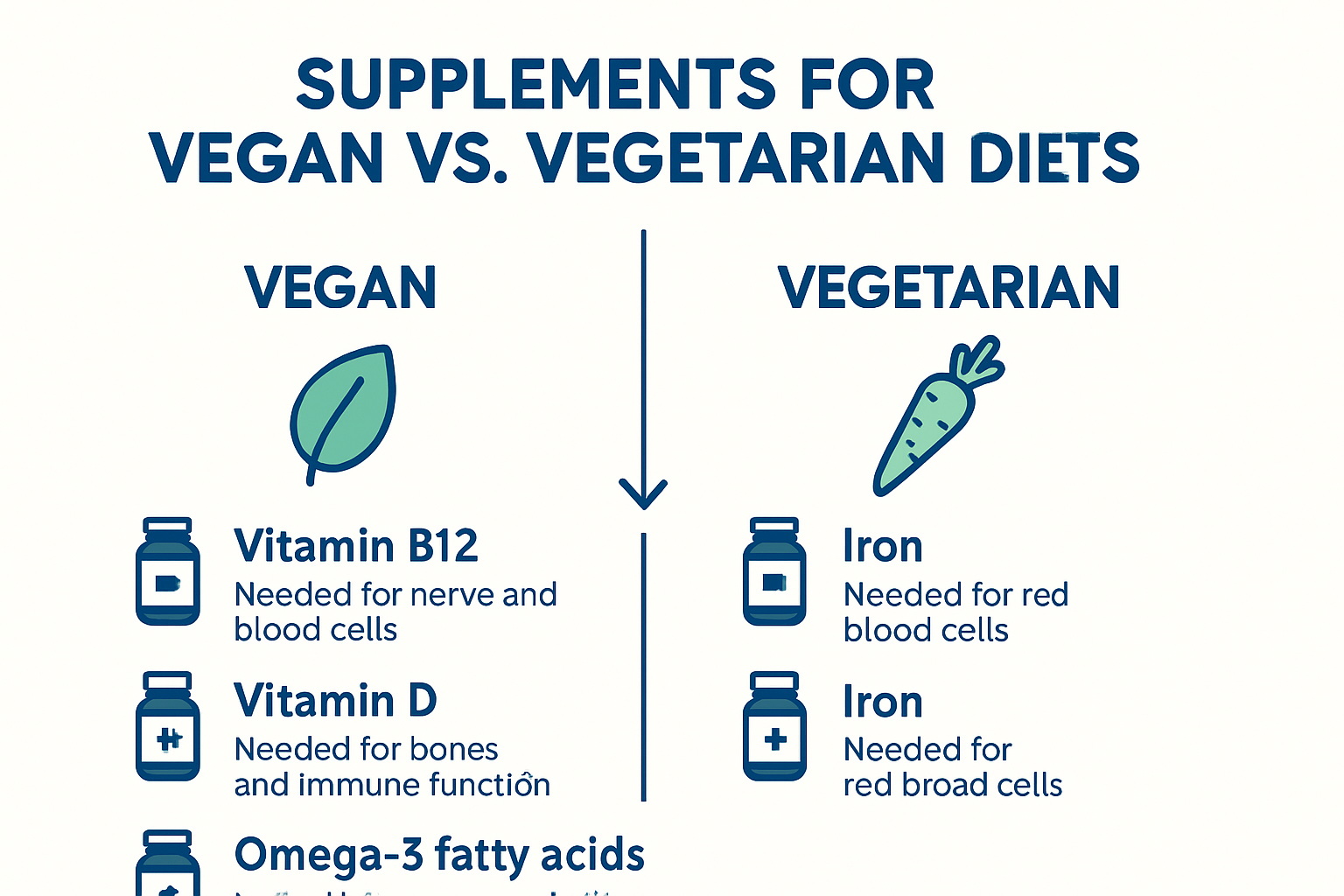
Vitamin B12 stands out as a critical concern, almost exclusively found in animal products. Vegans are at the highest risk of deficiency, with potential consequences including neurological complications and anemia. Vegetarians consuming dairy and eggs have slightly reduced risks but still require careful monitoring. Supplements targeting B12, often derived from fortified sources or synthetic production, become essential for maintaining neurological health and preventing potential deficiencies.
Supplementation Strategies for Balanced Nutrition
Addressing nutrient differences requires a personalized approach to vegan vs vegetarian supplements. The key lies in understanding individual nutritional needs and potential genetic variations that impact nutrient absorption. Research from the National Institutes of Health suggests that plant-based diets relying heavily on processed alternatives can paradoxically lead to nutritional imbalances.
Effective supplementation strategies should include:
- Comprehensive Multivitamins: Tailored formulations addressing specific plant-based diet requirements
- Targeted Single Nutrients: Focused supplements for critical nutrients like B12, iron, and omega-3s
- Quality Protein Powders: Plant-based proteins that provide complete amino acid profiles
Understanding these nutrient differences empowers individuals to make informed decisions about their dietary choices and supplementation needs. While plant-based diets offer numerous health benefits, a proactive approach to nutritional balance is essential for long-term wellness and optimal health.
Essential Supplements for Vegans Explained
The rising popularity of vegan diets has sparked significant interest in targeted nutritional supplementation. Understanding the essential supplements can help vegans maintain optimal health and prevent potential nutrient deficiencies that may arise from excluding animal products.
Fundamental Nutritional Building Blocks
Vegan diets, while incredibly beneficial, require strategic supplementation to address specific nutritional gaps. Research from the Global Vegan Supplements Market Report indicates that the market’s substantial growth reflects an increasing awareness of targeted nutritional needs. Key fundamental supplements for vegans include vitamin B12, vitamin D, omega-3 fatty acids, and iron, each playing a critical role in maintaining overall health and wellness.
Vitamin B12 emerges as the most crucial supplement, as it is virtually non-existent in plant-based food sources. A comprehensive study published in Sports Nutrition Research reveals that vegan athletes and health-conscious individuals are particularly vulnerable to B12 deficiencies, which can lead to neurological complications and anemia. Choosing methylcobalamin or cyanocobalamin forms of B12 supplements ensures efficient absorption and neurological protection.
Advanced Supplementation Strategies
Beyond basic nutritional requirements, advanced supplementation strategies can optimize overall health and performance. Innovative vegan supplements now address complex nutritional needs with targeted formulations. Recent research on vitamin K2 demonstrates potential benefits in muscle repair and reducing inflammatory markers, making it an increasingly important consideration for active individuals.
Key advanced supplements to consider include:
- Algae-based Omega-3: Providing essential EPA and DHA without fish oil
- Plant-based Protein Powders: Ensuring complete amino acid profiles
- Zinc and Selenium: Supporting immune function and metabolic processes
Personalized Supplementation Approach
Navigating vegan supplements requires a personalized approach that considers individual health goals, activity levels, and potential genetic variations. Consulting with nutritionists or healthcare professionals can help develop a tailored supplementation strategy that addresses specific dietary needs.
Factors influencing supplement selection include age, activity level, overall health status, and potential genetic predispositions to nutrient absorption challenges. Blood tests can provide valuable insights into individual nutritional requirements, enabling more precise supplementation strategies.
While supplements are crucial, they should complement a well-planned, nutrient-dense vegan diet. Whole foods remain the primary source of nutrition, with supplements serving as strategic support to fill potential nutritional gaps. By understanding and implementing a comprehensive supplementation approach, vegans can ensure they meet their nutritional needs while enjoying the numerous health benefits of a plant-based lifestyle.
Specific Supplement Guidance for Vegetarians
Vegetarian diets offer numerous health benefits, but strategic supplementation is crucial to ensure comprehensive nutritional coverage. Understanding the unique nutritional landscape helps vegetarians maintain optimal health and prevent potential deficiencies.
Foundational Nutrient Supplementation
The 2020-2025 Dietary Guidelines emphasize the importance of targeted supplementation for vegetarians. Unlike vegan diets, vegetarian nutritional strategies benefit from more flexible dietary options, including dairy and eggs, which provide additional nutrient sources.
Vitamin B12 remains a critical supplement, particularly for lacto-ovo vegetarians with limited dairy intake. While vegetarians consuming eggs and dairy have some B12 sources, supplementation ensures consistent neurological health and prevents potential deficiencies. Recommended daily intake typically ranges from 2.4 to 3 micrograms, with methylcobalamin forms offering optimal absorption.
Targeted Micronutrient Strategies
Research from nutritional epidemiology studies highlights specific micronutrient challenges for vegetarians. Iron, zinc, and iodine represent critical nutrients with potentially reduced bioavailability in plant-based diets. Vegetarians must carefully consider supplementation or dietary strategies to maintain optimal nutritional status.
Key micronutrient considerations include:
- Iron Supplementation: Particularly important for menstruating individuals and athletes
- Zinc Support: Essential for immune function and metabolic processes
- Iodine Balance: Critical for thyroid function and metabolic health
Comprehensive Nutritional Planning
Vitamin D research underscores the importance of comprehensive nutritional planning for vegetarians. Vitamin D deficiency remains prevalent, especially in regions with limited sun exposure. Calcium and vitamin D supplements become crucial for maintaining bone density and supporting overall metabolic health.
Effective supplementation strategies should include:
- Regular blood tests to assess nutritional status
- Consultation with registered dietitians specializing in vegetarian nutrition
- Personalized supplement plans considering individual health goals
While supplements play a vital role, they should complement a balanced, nutrient-dense vegetarian diet. Whole food sources remain the primary nutrition foundation, with supplements serving as strategic support to address potential nutritional gaps. By adopting a proactive and informed approach to supplementation, vegetarians can optimize their dietary choices and maintain exceptional health and wellness.
Meeting Nutrient Needs Without Supplements
Navigating nutritional requirements through whole foods represents a proactive approach for individuals following plant-based diets. While supplements offer valuable support, strategic dietary choices can help address potential nutrient gaps without relying exclusively on additional nutritional products.
Strategic Food Combinations for Nutrient Optimization
Research from nutritional sciences emphasizes the importance of intentional food selection and combination to maximize nutrient absorption. Plant-based diets require careful planning to ensure comprehensive nutritional coverage, particularly for critical nutrients like protein, iron, and vitamin B12.
Protein complementation becomes crucial in vegetarian and vegan diets. Combining different plant protein sources creates complete amino acid profiles. Examples include pairing beans with rice, hummus with whole grain bread, or adding nuts to grain-based meals. These strategic combinations ensure that individuals receive all essential amino acids typically found in animal proteins.
Maximizing Nutrient Bioavailability
Nutritional research highlights the significance of food preparation techniques in enhancing nutrient absorption. Specific cooking methods and pairing strategies can dramatically improve the bioavailability of essential nutrients in plant-based diets.
Key strategies for improving nutrient absorption include:
- Soaking Legumes: Reduces phytic acid, enhancing mineral absorption
- Vitamin C Pairing: Increases iron absorption from plant sources
- Fermentation: Improves digestibility and nutrient availability
Targeted Whole Food Nutrient Sources
Dietary studies demonstrate that specific whole foods can provide critical nutrients often challenging to obtain in plant-based diets. Understanding these nutrient-dense foods becomes essential for maintaining optimal health without relying on supplementation.
Nutrient-rich whole food sources include:
- Nutritional Yeast: Excellent B12 alternative
- Fortified Plant Milks: Providing calcium and vitamin D
- Sea Vegetables: Natural iodine sources
- Nuts and Seeds: Comprehensive mineral and omega-3 profiles
While whole food strategies can significantly contribute to nutritional needs, individual metabolic variations mean that some individuals may still require targeted supplementation. Regular health screenings, blood tests, and consultation with nutrition professionals help identify potential nutrient gaps and develop personalized dietary approaches.
The key to successful nutrient management in plant-based diets lies in diversity, intentionality, and continuous learning. By approaching nutrition holistically—understanding food interactions, preparation techniques, and individual nutritional requirements—individuals can create robust dietary strategies that support long-term health and wellness without excessive reliance on supplements.
Frequently Asked Questions
What are the key differences between vegan and vegetarian supplements?
Vegan supplements are made from non-animal sources and may lack certain nutrients found in animal products, such as vitamin B12 and omega-3 fatty acids. Vegetarian supplements may include dairy and eggs, providing additional nutrient sources that vegans miss.
What supplements do vegans typically need?
Vegans often need to supplement with vitamin B12, vitamin D, omega-3 fatty acids (from algae), iron, zinc, and complete protein powders to ensure they meet their nutritional needs without animal products.
Which supplements are recommended for vegetarians?
Vegetarians should focus on vitamin B12, iron, zinc, iodine, and calcium. Including dairy and eggs can help, but supplementation remains crucial for nutrients commonly found in meat.
How can I meet my nutrient needs without supplements on a plant-based diet?
To meet nutrient needs without supplements, focus on strategic food combinations, maximize nutrient bioavailability through cooking methods, and include fortified foods like plant milks and nutritional yeast in your diet.
Unlock Your Nutritional Potential with Personalized Support from Menalam
As you’ve discovered in our recent article, navigating the complexities of vegan and vegetarian diets can be daunting. Critical nutrient deficiencies—such as Vitamin B12, iron, and omega-3s—can silently undermine your health if left unchecked. This is a challenge many plant-based eaters face, but it doesn’t have to be your reality.
Menalam empowers you to take control of your nutrition journey. By completing a quick health quiz, we harness advanced AI technology to tailor supplement recommendations that meet your unique dietary needs, lending you the confidence to thrive in your lifestyle. Our mobile app not only tracks your supplement intake but also provides smart reminders, ensuring you never miss a dose. Plus, as your health evolves, so does your personalized nutrition plan, adapting based on blood test results and progress.
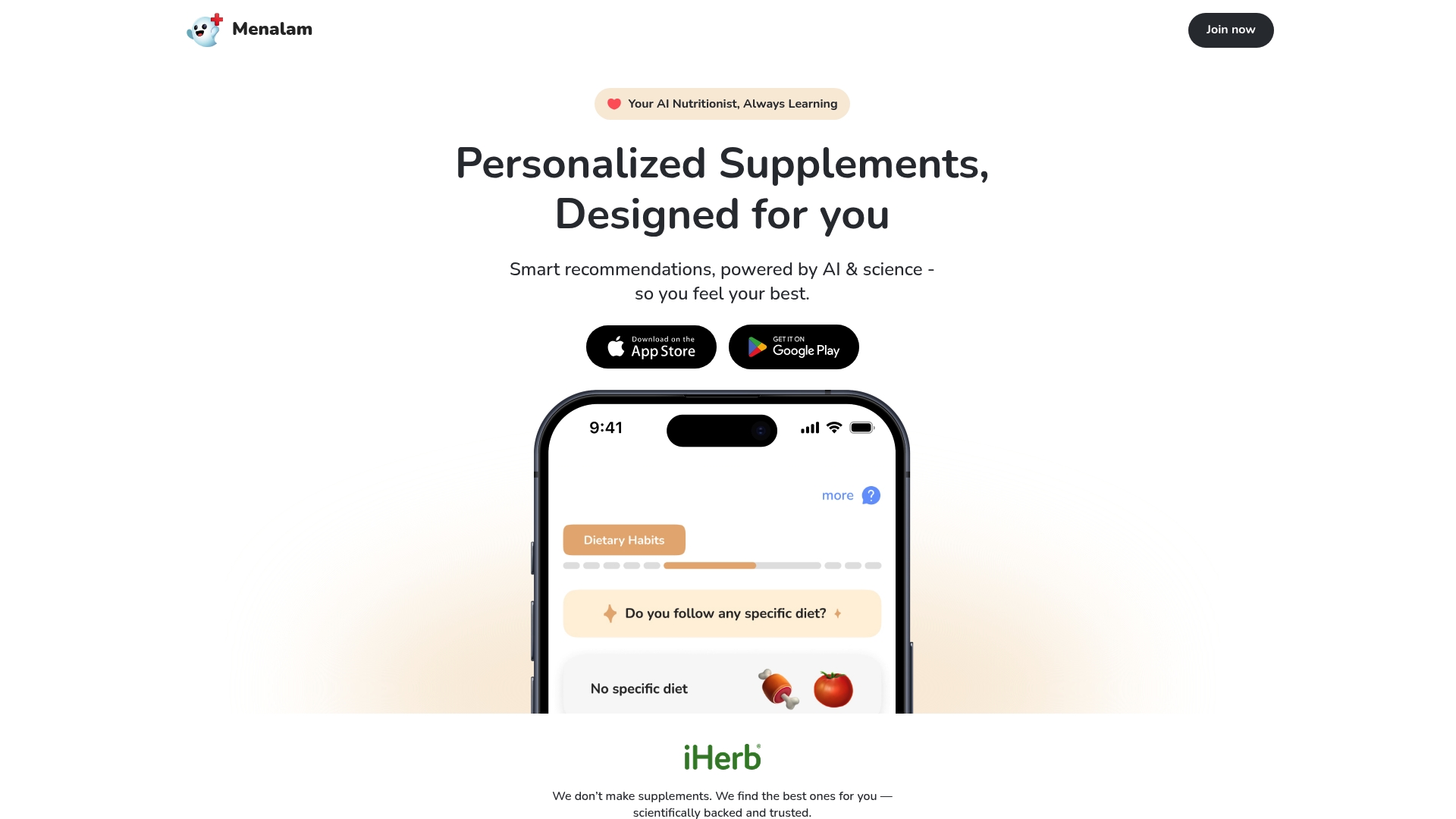
Are you ready to stop guessing and start nourishing? Visit Menalam today for your personalized supplement plan, because the best version of you is just a click away!
Leave a Reply