

The connection between sleep and nutrition is often overlooked but incredibly important. Recent studies reveal that your dietary choices can significantly affect the quality of your sleep, leading to surprising results for your overall wellbeing. But here’s the kicker: many people assume that it’s only about counting calories or cutting out snacks before bed. In reality, the composition and timing of what you eat can make all the difference in achieving deep, restorative sleep that leaves you refreshed. Unlocking this secret could transform your nights and boost your daily energy levels.
Table of Contents
- How Diet Impacts Your Sleep Cycle
- Nutrients That Support Healthy Sleep
- Foods To Avoid For Restful Nights
- High-Fat And Processed Foods
- Caffeine And Stimulant-Rich Beverages
- [Refined Carbohydrates And Sugary Foods](#refined-carbohydrates-and-sugar
 y-foods)
- Making Nutritional Changes For Sleep
- Gradual Dietary Intervention Strategies
- Meal Timing And Composition
- [Personalized Nutritional Tracking](#personaliz
 ed-nutritional-tracking)
Quick Summary
| Takeaway | Explanation |
|---|---|
| Diet Influences Sleep Quality | Your dietary choices significantly affect the quality and duration of your sleep, with specific foods and eating patterns playing essential roles in your natural sleep cycle. |
| Sugar Disrupts Sleep Patterns | High sugar consumption is linked to poor sleep quality, increased daytime sleepiness, and disrupted blood sugar levels that prevent restful sleep. |
| Balance Macronutrients for Better Sleep | Incorporating balanced macronutrients, especially protein, complex carbohydrates, and healthy fats, supports stable blood sugar levels, which can lead to longer and more restful sleep. |
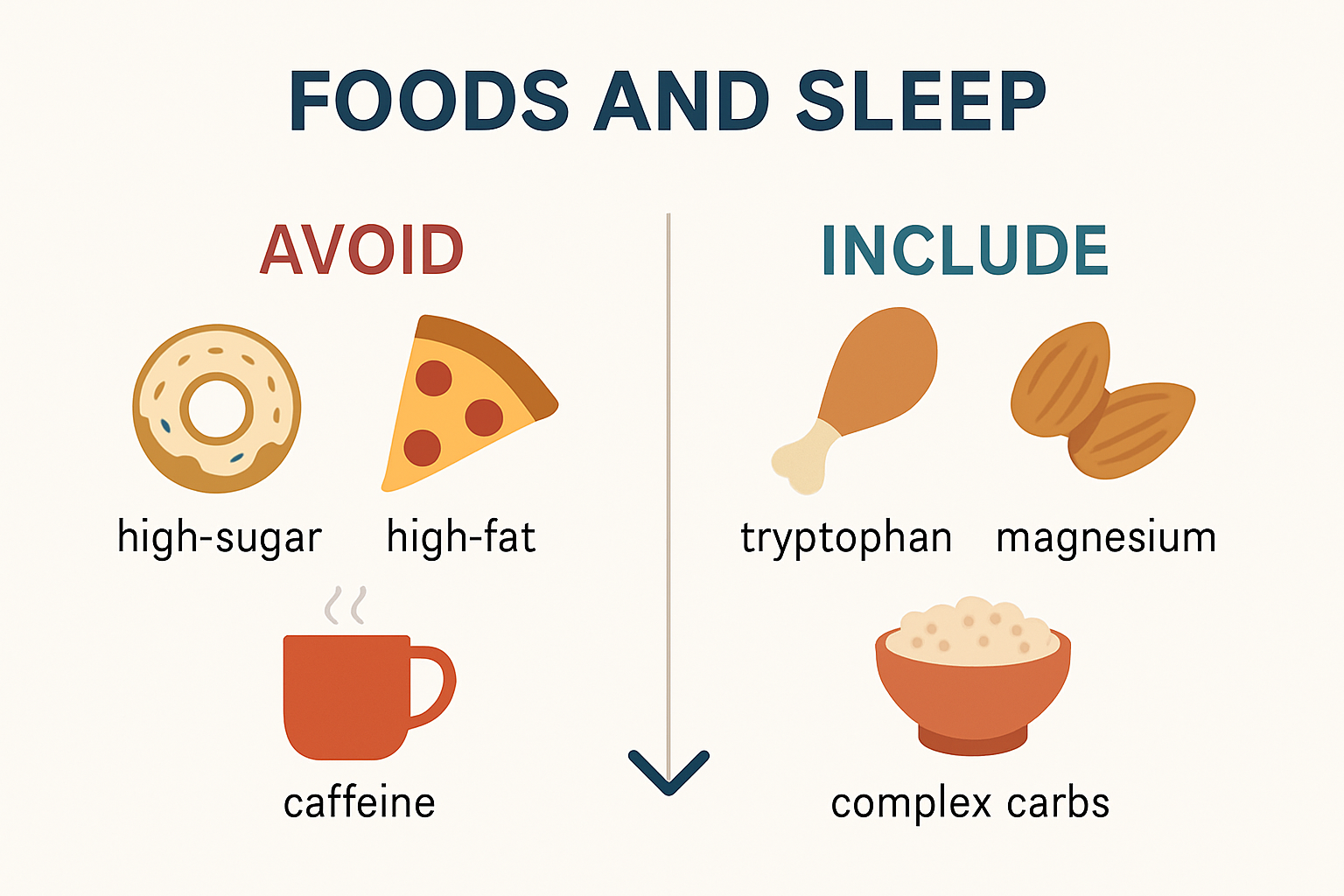
| Avoid Foods That Disrupt Sleep | High-fat, processed foods, caffeine, and refined carbohydrates can interfere with your sleep cycle, leading to nighttime awakenings and reduced sleep efficiency. |
| Meal Timing Matters | Completing substantial meals at least three hours before bedtime can help your body transition into sleep mode, promoting better overall sleep quality. |
How Diet Impacts Your Sleep Cycle
Your dietary choices play a critical role in determining the quality and duration of your sleep. The intricate relationship between nutrition and sleep reveals how the foods you consume can dramatically influence your body’s natural sleep cycle, affecting everything from falling asleep to maintaining restful sleep throughout the night.
The Sugar and Sleep Connection
Sugar consumption has a profound impact on sleep patterns. Recent research from Frontiers in Nutrition discovered that higher intake of added sugar is directly linked to poor sleep quality. Individuals consuming excessive sugar experience abnormal sleep duration, increased snoring, and heightened daytime sleepiness. The study revealed a compelling statistic: increasing non-starchy vegetable consumption could reduce poor sleep likelihood by 12%.
When you consume high-sugar foods, especially close to bedtime, your blood sugar levels spike and crash, disrupting your body’s natural sleep regulation. This rollercoaster effect triggers stress hormones like cortisol, which can prevent you from falling asleep or cause frequent nighttime awakenings. The metabolic chaos created by sugar essentially tells your body to stay alert when it should be winding down.
Nutritional Strategies for Better Sleep
Research from the University of Michigan provides valuable insights into dietary approaches that promote optimal sleep. Their comprehensive study demonstrated that individuals following dietary recommendations emphasizing fruits, vegetables, legumes, and whole grains experienced longer and more restful sleep.
Key nutritional strategies include:
- Balanced Macronutrients: Incorporate proteins, complex carbohydrates, and healthy fats that provide sustained energy and support stable blood sugar levels.
- Tryptophan-Rich Foods: Include foods like turkey, eggs, cheese, and nuts that help produce melatonin, the sleep hormone.
- Mineral-Dense Choices: Consume magnesium and potassium-rich foods such as bananas, spinach, and avocados to support muscle relaxation and sleep quality.
Timing and Nutrition’s Sleep Impact
The timing of your meals is equally crucial as their composition. Eating heavy meals close to bedtime can trigger digestive processes that interfere with your body’s preparation for sleep. The National Institutes of Health highlights that caloric restrictions and dramatic dietary changes can particularly disrupt sleep patterns, with women experiencing more pronounced effects during different menstrual cycle phases.
Experts recommend completing your last substantial meal at least three hours before bedtime, allowing your digestive system to process food and your body to transition into sleep mode. Light, nutrient-dense snacks containing sleep-promoting compounds can be consumed closer to bedtime if needed.
Understanding the intricate relationship between diet and sleep empowers you to make informed nutritional choices that support restorative rest. By recognizing how specific foods and eating patterns influence your sleep cycle, you can develop a personalized approach to nutrition that enhances both your dietary health and sleep quality.
Nutrients That Support Healthy Sleep
Nutrients play a fundamental role in supporting healthy sleep patterns, acting as essential building blocks for your body’s complex sleep regulation mechanisms. Understanding which specific nutrients can enhance sleep quality provides a strategic approach to nutritional wellness and restorative rest.
Protein and Sleep Regulation
Recent scientific research reveals fascinating connections between protein intake and sleep duration. Studies analyzing dietary patterns demonstrate that individuals consuming higher levels of protein experience significantly longer total sleep time—averaging 15 additional minutes of sleep per night compared to those with lower protein intake.
Protein’s impact extends beyond duration, influencing the production of critical neurotransmitters like melatonin and serotonin. These chemical messengers are crucial for regulating sleep-wake cycles, helping your body transition smoothly between wakefulness and rest. Protein-rich foods such as lean meats, fish, eggs, legumes, and dairy products provide the amino acids necessary for synthesizing these sleep-supporting neurotransmitters.
Fiber’s Role in Sleep Quality
Fiber emerges as another powerful nutrient in sleep optimization. A comprehensive study examining data from 4,825 individuals uncovered compelling evidence linking increased fiber consumption with improved sleep characteristics. Participants with higher fiber intake demonstrated faster sleep onset and experienced fewer nighttime awakenings.
The mechanism behind fiber’s sleep benefits relates to its ability to stabilize blood sugar levels and support sustained energy release. Complex carbohydrates and high-fiber foods like whole grains, vegetables, fruits, and legumes promote gradual nutrient absorption, preventing the metabolic disruptions that can interfere with sleep. By maintaining consistent blood glucose levels, fiber helps prevent the sudden energy spikes and crashes that might otherwise interrupt your sleep cycle.
Essential Minerals and Sleep Support
Certain minerals play pivotal roles in sleep regulation and overall sleep architecture. Magnesium, often referred to as the “relaxation mineral,” helps calm the nervous system and prepare the body for rest. It supports muscle relaxation and helps regulate neurotransmitters involved in sleep initiation.
Potassium works synergistically with magnesium, contributing to muscle relaxation and supporting cardiovascular function during sleep. Foods rich in these minerals—such as bananas, spinach, avocados, nuts, and seeds—can be strategically incorporated into evening meals to promote better sleep quality.
Zinc and selenium also demonstrate notable contributions to sleep health. These trace minerals support immune function and help modulate hormonal processes that influence sleep-wake cycles. Research suggests that maintaining adequate levels of these nutrients can improve overall sleep efficiency and reduce nighttime disturbances.
Interestingly, while protein and fiber demonstrate positive correlations with sleep quality, studies indicate that higher consumption of energy, fat, and sodium can potentially reduce total sleep duration. This underscores the importance of a balanced, nutrient-dense diet tailored to support optimal sleep patterns.
By thoughtfully selecting foods rich in protein, fiber, and essential minerals, you can create a nutritional foundation that supports healthy, restorative sleep. The intricate interplay between diet and sleep reveals that what you eat is not just fuel for your day—it’s a critical component of your body’s nightly regeneration process.
Foods To Avoid For Restful Nights
While certain nutrients can enhance sleep, some foods can significantly disrupt your sleep cycle and overall rest quality. Understanding which dietary choices negatively impact sleep allows you to make more informed nutritional decisions that support restorative nighttime recovery.
High-Fat and Processed Foods
Research from the University of Michigan reveals that consuming foods high in saturated fat—like burgers, processed meats, and deep-fried items—can dramatically reduce the quality of slow-wave sleep. These foods require extensive digestive effort, causing your body to remain metabolically active when it should be preparing for rest.
Saturated and trans fats not only burden your digestive system but also trigger inflammatory responses that can interfere with sleep hormone production. The metabolic energy required to process these heavy, complex foods diverts resources away from the restorative processes essential for quality sleep. Additionally, these foods often lead to uncomfortable digestive issues like acid reflux, which can cause nighttime discomfort and frequent awakenings.
Caffeine and Stimulant-Rich Beverages
Caffeine’s impact on sleep extends far beyond the immediate moment of consumption. Scientific studies demonstrate that caffeine consumed even six hours before bedtime can significantly disrupt sleep patterns. This stimulant interferes with adenosine, a crucial sleep-promoting hormone, preventing your body from naturally transitioning into rest mode.
Beverages to limit or avoid include:
- Coffee and espresso drinks
- Black and green teas
- Energy drinks
- Some sodas and chocolate-based beverages
- Pre-workout supplements
The half-life of caffeine means that a significant portion remains in your system hours after consumption, potentially blocking sleep receptors and maintaining an artificially alert state.
Refined Carbohydrates and Sugary Foods
Sleep Foundation research indicates that diets high in sugar and refined carbohydrates correlate strongly with poor sleep quality. Refined carbs like white bread, pasta, and sugary snacks cause rapid blood sugar spikes and subsequent crashes, creating metabolic turbulence that disrupts natural sleep cycles.
These foods trigger a complex hormonal response, releasing insulin and cortisol—stress hormones that signal your body to remain awake. The resulting blood sugar fluctuations can cause nighttime hunger, increased likelihood of waking, and reduced overall sleep efficiency.
Alcohol presents another significant sleep disruptor. While it might initially make you feel drowsy, research consistently shows that alcohol consumption reduces REM sleep and increases nighttime awakenings. This leads to less restorative sleep and can contribute to next-day fatigue.
By strategically avoiding these sleep-disrupting foods and understanding their physiological impacts, you can create a nutritional environment that supports rather than hinders your body’s natural sleep processes. The key lies in mindful eating, timing of meals, and choosing foods that promote, rather than prevent, restful nights.
Making Nutritional Changes For Sleep
Transitioning to a sleep-supportive diet requires strategic planning and mindful nutritional choices. Understanding how to implement sustainable dietary modifications can significantly enhance your sleep quality and overall health.
Gradual Dietary Intervention Strategies
Research from the University of Michigan revealed a compelling insight: increasing daily servings of fruits and vegetables over a three-month period dramatically improved sleep quality among young adults. This approach demonstrates that nutritional changes need not be sudden or extreme to yield meaningful results.
Key strategies for gradual dietary intervention include:
- Incremental Vegetable Inclusion: Add one additional serving of vegetables to your daily meals
- Protein Quality Enhancement: Replace processed proteins with lean, whole food sources
- Hydration Optimization: Gradually increase water intake while reducing caffeine and sugary beverages
The principle of incremental change allows your body to adapt metabolically while creating sustainable long-term nutritional habits that support healthy sleep patterns.
Meal Timing and Composition
Large-scale nutritional analyses highlight the critical relationship between dietary intake composition and sleep duration. Higher protein and fiber intakes correlate with longer total sleep time, while excessive sodium consumption can negatively impact sleep architecture.
Optimal meal timing recommendations include:
- Consuming your last substantial meal at least three hours before bedtime
- Creating balanced meals with adequate protein, complex carbohydrates, and healthy fats
- Avoiding heavy, difficult-to-digest foods in evening meals
The Mediterranean diet emerges as a particularly promising nutritional approach. Experimental research indicates that diets rich in tryptophan and melatonin-producing foods can significantly improve sleep quality by supporting natural melatonin biosynthesis.
Personalized Nutritional Tracking
Developing a personalized approach to nutrition requires consistent monitoring and adjustment. Consider implementing a food and sleep diary to track correlations between your dietary choices and sleep patterns. This method allows you to identify specific foods or eating times that might disrupt your sleep.
Recommended tracking methods include:
- Documenting meal times, composition, and subsequent sleep quality
- Noting energy levels, mood, and sleep duration
- Consulting with nutritionists or sleep specialists to interpret your personal data
Technology can be a valuable ally in this process. Numerous smartphone applications and wearable devices now offer comprehensive nutrition and sleep tracking capabilities, providing insights into your unique physiological responses.
Remember that nutritional changes are highly individual. What works perfectly for one person might require slight modifications for another. Patience, consistent observation, and a willingness to make incremental adjustments are key to developing a nutrition strategy that supports optimal sleep health.
By approaching dietary modifications with a systematic, patient mindset, you can transform your nutritional habits into a powerful tool for enhancing sleep quality and overall wellness.
Frequently Asked Questions
How does nutrition affect sleep quality?
Your dietary choices significantly impact sleep quality. Foods high in sugar, unhealthy fats, and caffeine can disrupt sleep patterns, while balanced macronutrients and certain nutrients support restorative sleep.
What foods should I avoid for better sleep?
To promote better sleep, it’s best to avoid high-fat processed foods, caffeinated beverages, and refined carbohydrates, as they can interfere with your sleep cycle and lead to nighttime awakenings.
What nutrients are beneficial for sleep?
Nutrients such as protein, fiber, magnesium, and potassium are essential for supporting healthy sleep patterns. Foods rich in these nutrients, like lean meats, whole grains, fruits, and vegetables, can enhance sleep quality.
When should I eat to improve my sleep?
Experts recommend finishing substantial meals at least three hours before bedtime. This allows your digestive system to process food, making it easier for your body to transition into sleep mode.
Unlock the Power of Nutrition for Restful Sleep!
Are you struggling to connect the dots between what you eat and how well you sleep? With the insights from our article, you now know that poor dietary choices—especially those high in sugar and unhealthy fats—can cost you your precious sleep. Imagine waking up refreshed, energized, and ready to tackle the day by simply adjusting your nutrition!

At Menalam, we understand the challenges of finding the right nutrition that supports not just your wellness but your sleep, too. Our AI-driven personalized supplement plans are designed to tackle the unique hurdles you face. With a quick health quiz, you’ll identify vitamins and supplements that align with your nutritional needs, promoting better sleep and overall health. Don’t wait! Transform your relationship with nutrition and sleep today by visiting Menalam, where science-backed solutions await!
Leave a Reply