

Nutritional wellness strategies are at the forefront of health discussions today. With nearly 40 percent of adults in the U.S. considered obese, the need for effective dietary solutions is more pressing than ever. But here’s the kicker: focusing solely on weight loss may not lead to true health improvement. Instead, the magic lies in understanding the quality of what we eat and how it influences our overall well-being. This deeper approach to nutrition can empower individuals to make lasting lifestyle changes that elevate health beyond mere numbers.
Table of Contents
- Understanding Core Nutritional Principles
- Making Smart Daily Food Choices
- Planning Meals For Better Health
- Putting Nutritional Strategies Into Practice
Quick Summary
| Takeaway | Explanation |
|---|---|
| Prioritize Nutrient-Dense Whole Foods | Focus on consuming minimally processed, nutrient-rich foods to enhance overall health and wellness, as emphasized by the concept of dietary diversity. |
| Adopt Personalized Nutrition Approaches | Recognize that individual health markers, lifestyle, and metabolic responses are crucial in tailoring dietary choices to optimize health outcomes. |
| Implement Strategic Meal Planning | Employ systematic meal planning techniques to manage nutrient intake, portion sizes, and establish consistent dietary patterns for long-term well-being. |
| Utilize Technology for Nutritional Tracking | Leverage AI-powered meal planning and tracking tools to create personalized dietary recommendations that align with specific health goals. |
| Engage in Collaborative Nutritional Strategies | Work with healthcare professionals and use community support to continually adapt and refine nutritional practices for optimal health. |
Understanding Core Nutritional Principles
Nutritional wellness strategies are more than just a trending concept—they represent a fundamental approach to understanding how our bodies interact with food and nutrients. At its core, nutritional wellness is about creating a holistic framework that supports optimal health through intentional dietary choices and understanding the intricate relationship between nutrition and overall well-being.
The Science of Nutritional Balance
Modern nutritional science reveals that our bodies require a complex interplay of macronutrients and micronutrients to function optimally. Research from the 2025 Dietary Guidelines Advisory Committee highlights critical insights into dietary patterns that promote long-term health. The evidence suggests that a comprehensive nutritional approach goes beyond simple calorie counting, focusing instead on the quality and diversity of nutrients consumed.
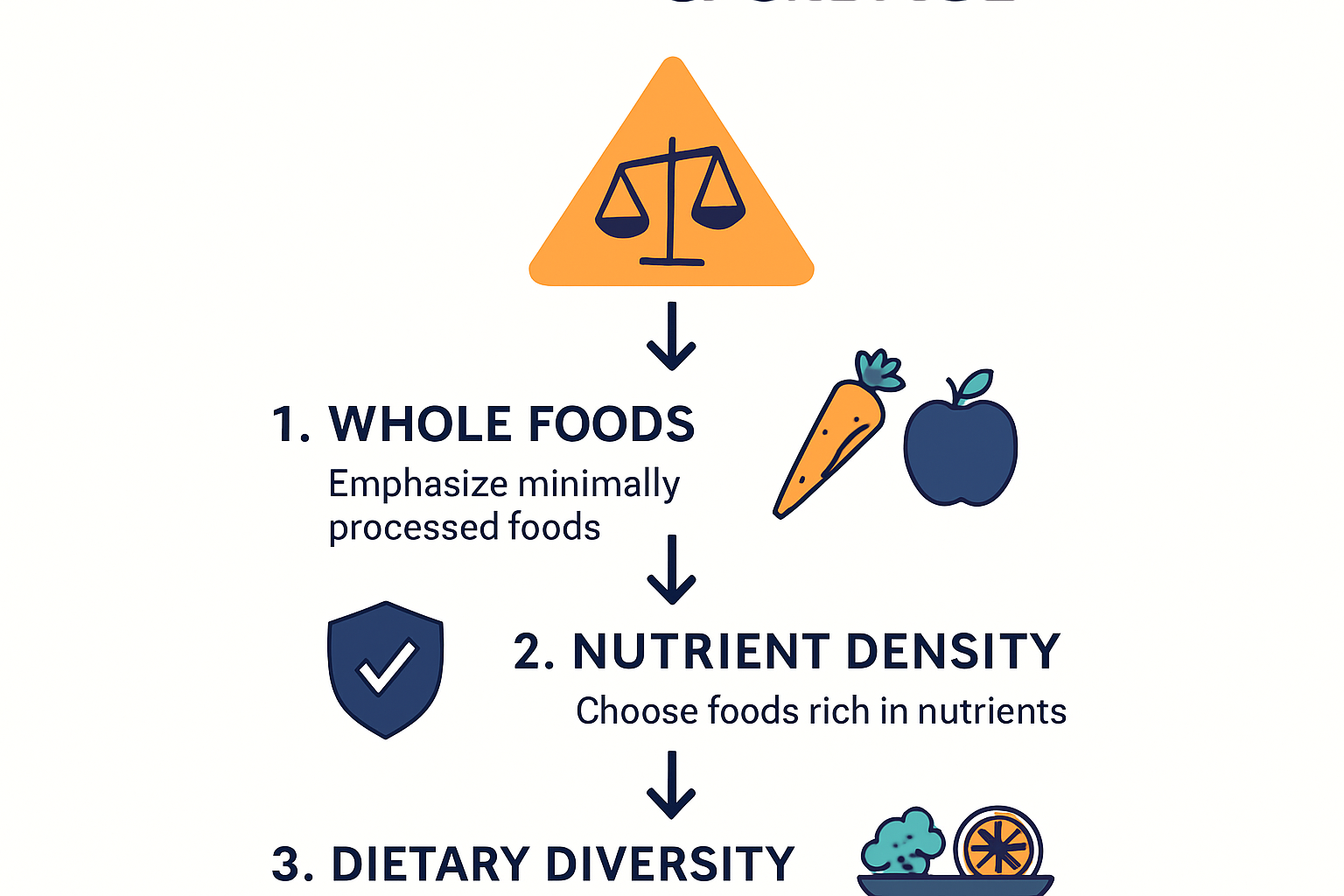
Key principles of nutritional wellness include understanding the importance of:
- Whole food sources: Prioritizing minimally processed foods
- Nutrient density: Selecting foods with high nutritional value
- Dietary diversity: Incorporating a wide range of food groups
Transformative Dietary Strategies
Effective nutritional wellness strategies require a nuanced understanding of how different foods impact our body’s systems. Scientific evidence from nutrition experts consistently demonstrates that strategic dietary choices can significantly reduce the risk of chronic diseases. For instance, reducing processed meats and increasing plant-based protein sources can contribute to improved cardiovascular health.
The emerging nutritional guidance emphasizes a shift towards more plant-forward eating patterns. The recommendations suggest moving beyond simply including whole grains to making them a primary component of one’s diet. This approach aligns with growing scientific understanding of how dietary choices influence metabolic health, immune function, and overall well-being.
Personalized Nutritional Approach
No single nutritional strategy works identically for everyone. Individual factors such as age, metabolism, genetic predispositions, and lifestyle play crucial roles in determining optimal nutritional needs. A personalized approach to nutritional wellness requires careful consideration of individual health markers, activity levels, and specific physiological requirements.
Professional nutritionists recommend a dynamic approach that:
- Regularly assesses individual nutritional needs
- Adapts dietary strategies based on changing health conditions
- Incorporates comprehensive nutritional tracking
Understanding core nutritional principles is not about following restrictive diets but about developing a sustainable, informed relationship with food. It’s a journey of continuous learning, where each meal becomes an opportunity to nourish your body, support your health goals, and optimize your overall wellness strategy.
By embracing these comprehensive nutritional wellness strategies, individuals can transform their approach to eating from a mere survival mechanism to a proactive approach to health and vitality.
Making Smart Daily Food Choices
Making smart daily food choices is a critical component of nutritional wellness strategies that goes beyond simple meal planning. It involves a deliberate and informed approach to selecting foods that nourish the body, support metabolic health, and contribute to long-term well-being.
Navigating Food Quality and Composition
Research investigating dietary patterns reveals that the quality of food consumed significantly impacts overall health outcomes. Ultra-processed foods have been strongly linked to increased risks of metabolic and cardiovascular diseases, making conscious food selection more important than ever.
Smart food choices involve understanding the nuanced characteristics of what we consume:
- Nutrient Density: Prioritizing foods rich in essential vitamins and minerals
- Minimal Processing: Selecting whole foods over heavily manufactured products
- Balanced Macronutrients: Ensuring appropriate proportions of proteins, carbohydrates, and healthy fats
Transforming Meal Composition
Scientific studies demonstrate that transforming nutritionally unbalanced meals can dramatically reduce metabolic stress. By strategically modifying food choices, individuals can mitigate inflammation and oxidative stress, which are key contributors to chronic disease development.
Effective meal transformation strategies include:
- Replacing saturated fats with heart-healthy monounsaturated and polyunsaturated fats
- Incorporating more plant-based proteins
- Reducing added sugars and refined carbohydrates
Personalized Nutritional Decision Making
One size does not fit all when it comes to dietary choices. Personalized nutrition approaches have shown remarkable potential in improving dietary adherence and long-term health outcomes. Individuals who receive tailored dietary guidance based on their unique genetic and metabolic profiles are more likely to make sustainable, meaningful dietary changes.
Key considerations for personalized food choices include:
- Individual metabolic responses
- Genetic predispositions
- Activity levels and energy requirements
- Specific health goals and challenges
Making smart daily food choices is not about perfection but about consistent, informed decisions. It requires ongoing education, self-awareness, and a willingness to adapt nutritional strategies as our bodies and health needs evolve.
By approaching food selection as a dynamic, personalized process, individuals can transform their daily eating habits from mere sustenance to a powerful tool for optimizing health, energy, and overall well-being. The journey of nutritional wellness is continuous, with each meal presenting an opportunity to nourish and support our body’s complex systems.
Planning Meals for Better Health
Meal planning represents a strategic cornerstone of nutritional wellness strategies, transforming dietary habits from reactive eating to proactive health management. By intentionally designing meal structures, individuals can optimize nutrient intake, control portion sizes, and create sustainable eating patterns that support long-term well-being.
The Science of Strategic Meal Planning
Research from comprehensive nutrition studies reveals that systematic meal planning is associated with significant health benefits. Individuals who consistently plan their meals demonstrate lower risks of obesity, improved diet quality, and reduced potential for developing chronic conditions like cardiovascular disease and type 2 diabetes.

Key advantages of structured meal planning include:
- Nutritional Control: Precise management of macro and micronutrient intake
- Portion Management: Preventing overconsumption through intentional serving sizes
- Dietary Consistency: Establishing predictable and balanced nutritional patterns
Technology-Enhanced Meal Strategies
Advanced AI-powered meal planning systems are revolutionizing how individuals approach nutritional wellness. These sophisticated technologies can optimize nutrient values, accommodate personal dietary preferences, and create personalized meal recommendations that align with specific health goals.
Modern meal planning technologies offer capabilities such as:
- Automated nutrient tracking
- Personalized recipe generation
- Health-specific dietary adjustments
- Real-time nutritional feedback
Practical Implementation and Sustainability
Comprehensive nutritional research demonstrates that effective meal planning extends beyond theoretical knowledge. Successful implementation requires practical strategies that integrate seamlessly into daily life, focusing on efficiency, cost-effectiveness, and nutritional comprehensiveness.
Practical meal planning techniques include:
- Bulk ingredient purchasing
- Seasonal produce integration
- Efficient ingredient utilization
- Minimizing food waste
- Preparing meals in advance
Successful meal planning is not about rigid restrictions but creating flexible, enjoyable nutritional frameworks. It requires understanding individual metabolic needs, lifestyle constraints, and personal preferences. By approaching meal planning as a dynamic, personalized process, individuals can transform eating from a mundane task to a strategic health optimization tool.
The ultimate goal of meal planning transcends simple nutrition—it’s about creating sustainable, enjoyable eating experiences that nourish both body and mind. Through thoughtful preparation and strategic approach, meal planning becomes a powerful mechanism for achieving comprehensive nutritional wellness.
Putting Nutritional Strategies into Practice
Transitioning from understanding nutritional principles to implementing them requires a deliberate, strategic approach that bridges knowledge and actionable lifestyle changes. Putting nutritional strategies into practice is about creating sustainable habits that integrate seamlessly into daily life, transforming theoretical knowledge into meaningful health outcomes.
Personalized Nutritional Implementation
Research from the 2025 personalized nutrition landscape reveals a shift towards addressing individual “need states” through targeted nutritional interventions. This approach recognizes that nutritional strategies must be tailored to specific health priorities, whether supporting joint health, cognitive function, gut microbiome, or cardiovascular wellness.
Key considerations for personalized nutritional implementation include:
- Individual Health Markers: Assessing specific physiological needs
- Targeted Ingredient Selection: Choosing nutrients that address specific health goals
- Adaptive Strategies: Continuously adjusting approaches based on personal response
Evidence-Based Approach to Dietary Choices
The Dietary Guidelines Advisory Committee’s scientific report emphasizes the critical importance of integrating systematic reviews of dietary patterns into practical recommendations. This approach moves beyond generic advice, providing nuanced guidance that considers complex interactions between diet and health outcomes.
Strategic implementation involves:
- Critically evaluating nutritional information
- Understanding the scientific basis of dietary recommendations
- Developing a critical approach to nutritional claims
Collaborative Nutritional Strategy Development
The NIH Office of Dietary Supplements Strategic Plan highlights the importance of cross-functional approaches in nutritional strategy development. This collaborative model recognizes that effective nutritional wellness requires input from multiple disciplines, including nutrition science, medical research, and individual health tracking.
Effective collaborative strategies include:
- Consulting healthcare professionals
- Utilizing technology for nutritional tracking
- Engaging in continuous learning about nutritional science
- Sharing experiences and insights with supportive communities
Putting nutritional strategies into practice is not about achieving perfection but about creating a sustainable, flexible approach to health. It requires patience, self-compassion, and a willingness to adapt. Each small choice becomes an opportunity to support overall well-being, transforming nutritional knowledge into lived experience.
Ultimately, successful implementation of nutritional strategies is a deeply personal journey. It’s about finding a balanced approach that nourishes both body and mind, recognizing that optimal health is not a destination but a continuous process of learning, adapting, and growing. By embracing a holistic, personalized approach, individuals can turn nutritional principles into a powerful tool for lifelong wellness.
Frequently Asked Questions
What are some effective nutritional wellness strategies for 2025?
Nutritional wellness strategies for 2025 include prioritizing nutrient-dense whole foods, adopting personalized nutrition approaches, implementing strategic meal planning, utilizing technology for nutritional tracking, and engaging in collaborative nutritional strategy development.
How can meal planning improve my overall health?
Meal planning helps control portion sizes and ensures balanced nutrient intake, which can lower the risk of obesity and chronic diseases such as type 2 diabetes and cardiovascular issues.
Why is personalized nutrition important?
Personalized nutrition is important because it considers individual health markers, metabolism, and lifestyle, allowing for tailored dietary choices that optimize health outcomes and support specific health goals.
How can technology aid in nutritional wellness?
Technology can enhance nutritional wellness by providing AI-powered meal planning tools that optimize nutrient values, generate personalized recipes, track dietary intake, and offer real-time nutritional feedback.
Unlock Your Path to Nutritional Wellness with Menalam!
Are you feeling overwhelmed by the complexities of personal nutrition and the need for a personalized dietary strategy? You’re not alone! Many individuals struggle with making informed food choices and managing their health effectively, as discussed in our article “Nutritional Wellness Strategies for a Healthy 2025.” The challenge of tailoring nutrition to fit individual lifestyles, metabolic responses, and specific health goals can be daunting.
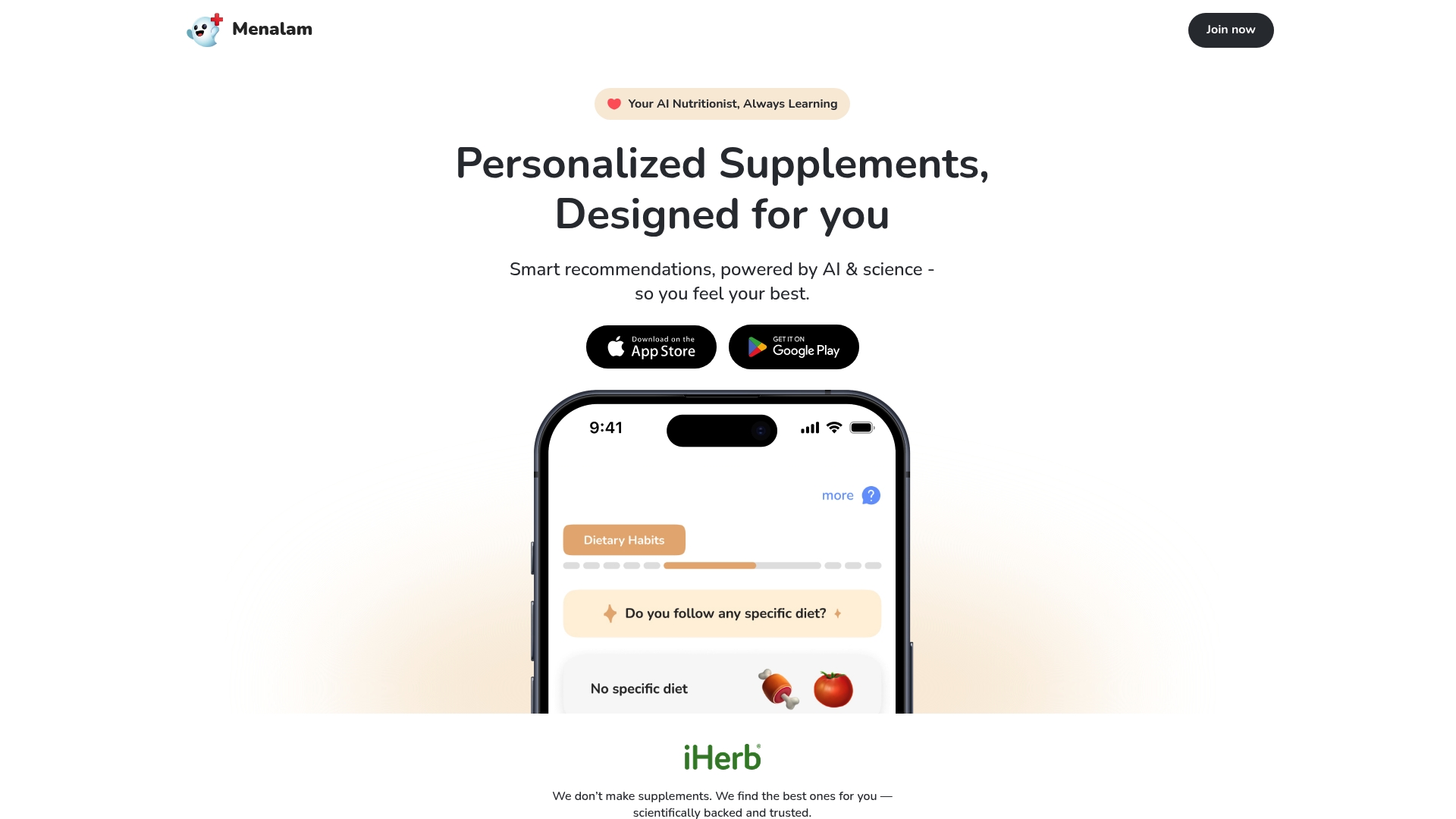
At Menalam, we’re here to bridge that gap and empower you on your wellness journey! Our innovative platform serves as your digital nutritionist. Through a quick health quiz, you gain access to tailored supplement recommendations designed to meet your unique needs, just like the article emphasizes the importance of personalized nutrition approaches. Plus, our mobile app tracks your supplement intake, offers smart reminders, and integrates your health data to adjust your plan as you progress. Don’t navigate this nutrition maze alone!
👉 Start transforming your nutritional journey today! Visit Menalam to take control of your health with science-backed solutions tailored just for you!
Leave a Reply