


Exercise and nutrition are the dynamic duo of health and fitness. They have the potential to revolutionize how we live and feel. Did you know that proper nutrition can enhance exercise effectiveness by up to 25 percent? But here’s the kicker: without the right synergy, all that effort in the gym can fall flat. Because it turns out that the real magic happens when you combine tailored nutrition with your workout routine, leading to remarkable results you never thought possible.
Table of Contents
- Understanding Exercise And Nutrition Synergy
- Smart Pre-Workout Fueling Strategies
- Post-Workout Recovery Nutrition Tips
- Sustaining A Balanced Diet Plan
Quick Summary
| Takeaway | Explanation |
|---|---|
| Nutrition Fuels Performance | Proper nutrition is essential for maximizing exercise effectiveness, supporting energy production, tissue repair, and hormone function related to exercise adaptation. |
| Personalized Nutrition and Exercise | Individual factors such as age, sex, fitness level, and goals determine the optimal nutrition and exercise approach, emphasizing the need for tailored strategies rather than one-size-fits-all recommendations. |
| Timing Matters for Recovery | Consuming protein and carbohydrates within 30-45 minutes post-exercise enhances recovery by facilitating muscle repair and glycogen replenishment, taking advantage of the body’s heightened nutrient receptivity during this window. |
| Sustainable Nutrition | Adopting a sustainable nutrition plan includes making small, consistent changes over time, building flexibility into your diet, and ensuring it evolves with your life changes, making it easier to maintain healthy habits long-term. |
| Hydration is Essential | Proper hydration pre-and post-workout significantly impacts performance and recovery; aim to rehydrate with fluids before exercise and consume adequate liquids post-exercise to support nutrient transport and recovery. |
Understanding Exercise and Nutrition Synergy

The relationship between what we eat and how we move represents one of the most fundamental aspects of human health. When properly aligned, exercise and nutrition create a powerful synergy that maximizes our physical performance, accelerates recovery, and optimizes overall health outcomes. This relationship isn’t simply additive—it’s multiplicative, with each element enhancing the effectiveness of the other.
The Science Behind the Synergy
At its core, the synergy between nutrition and exercise operates on multiple biological levels. Our bodies require specific nutrients to fuel movement, repair tissues, and adapt to training stimuli. Recent research has revealed fascinating insights into this relationship. The interaction between various nutrients and physical activity works through complex neurobiological mechanisms that not only improve physical performance but also enhance cognitive function and psychological resilience, according to recent bioengineering research.
This scientific understanding helps explain why proper nutrition timing, composition, and quantity dramatically influence workout effectiveness. For example, consuming protein within the post-exercise window helps maximize muscle protein synthesis, while strategic carbohydrate intake supports glycogen replenishment for subsequent training sessions.
Nutrition as Fuel for Performance
Think of nutrition as the fuel that powers your exercise engine. Without proper nutrition, even the most perfectly designed workout program will fall short of its potential. Your body requires macronutrients (proteins, carbohydrates, and fats) in appropriate amounts to:
- Support energy production during various exercise intensities
- Provide building blocks for tissue repair and growth
- Enable optimal hormone function related to exercise adaptation
- Facilitate proper hydration and electrolyte balance
The type of exercise you perform influences your nutritional needs. Endurance activities like long-distance running require different fueling strategies than high-intensity strength training. Understanding these distinctions allows for nutrition planning that directly supports your specific fitness goals.
Exercise Enhances Nutritional Impact
Exercise creates a unique metabolic environment that changes how your body processes and utilizes nutrients. Physical activity improves insulin sensitivity, enhances nutrient partitioning (directing nutrients to muscle rather than fat tissue), and increases your body’s ability to absorb and utilize vitamins and minerals.
This relationship explains why even the healthiest diet may not yield optimal results without an accompanying exercise regimen. Regular physical activity creates the metabolic demand and biological environment for nutrients to be used most effectively.
The Supplement Connection
The exercise and nutrition relationship extends to supplementation practices. While whole foods should form the foundation of any nutrition plan, targeted supplements can address specific needs related to exercise performance and recovery. This area has seen significant evolution in recent years.
According to recent data, approximately 73% of athletes now take over-the-counter supplements specifically for muscle and bone health. Traditional supplement approaches are increasingly being replaced by more targeted, science-backed formulations such as collagen peptides combined with vitamin D3 and K2, as noted in recent clinical research.
Dr. Sarah Chen, head of sports medicine at Stanford University, explains: “We’re seeing a shift in how OTC supplements affect muscle recovery and bone density. The data from 2025 clinical trials is changing our recommendations.” This evolution highlights the growing sophistication in our understanding of nutrition for physical fitness.
Personalization: The Key to Optimal Synergy
Perhaps most importantly, the exercise-nutrition relationship isn’t one-size-fits-all. Individual factors including age, sex, fitness level, genetic makeup, and specific goals all influence the optimal approach. What works perfectly for an endurance athlete might be entirely inappropriate for someone focused on strength development.
The personalization aspect explains why generic exercise and nutrition articles often provide limited value. The true power comes from understanding your unique needs and aligning your nutrition and exercise approaches accordingly. This personalized approach represents the frontier of fitness and nutrition science, moving beyond general recommendations to tailored strategies that optimize individual outcomes.
Smart Pre-Workout Fueling Strategies
What you eat before exercise can significantly impact your performance, endurance, and results. Pre-workout nutrition isn’t just about silencing a growling stomach—it’s about strategically providing your body with the right nutrients at the right time to maximize your workout effectiveness. Whether you’re heading for a morning run, afternoon strength session, or evening yoga class, understanding smart pre-workout fueling can transform your fitness experience.
Timing Your Pre-Workout Nutrition
The timing of your pre-workout meal or snack plays a crucial role in how effectively your body utilizes those nutrients during exercise. Nutrient timing has emerged as a critical strategy for maximizing athletic performance in 2025, involving the strategic consumption of carbohydrates, proteins, and fats before, during, and after training to enhance energy availability and recovery, according to fitness nutrition experts.
For larger meals containing a balance of proteins, fats, and complex carbohydrates, aim to eat 2-3 hours before exercise. This gives your body sufficient time to digest and absorb nutrients while minimizing potential digestive discomfort during your workout. If you’re pressed for time, a smaller, easily digestible snack 30-60 minutes before exercise can provide quick energy without causing stomach issues.
Interestingly, some nutrients show optimal effectiveness when consumed at specific pre-workout timeframes. For example, research suggests that consuming nitrates (300-600mg) two to three hours prior to exercise may improve performance by enhancing blood flow and reducing the oxygen cost of exercise, according to nutrition research.
Macronutrient Strategies for Different Workouts
Your pre-workout nutrition should align with the specific demands of your planned exercise session. Different workouts create different metabolic demands, requiring tailored fueling approaches:
For strength and high-intensity interval training, focus on:
- Moderate protein (15-25g) to prevent muscle breakdown
- Moderate complex carbohydrates (30-40g) to fuel intense effort
- Small amounts of healthy fats to sustain energy
For endurance training sessions (running, cycling, swimming):
- Higher carbohydrate intake (40-60g) to maximize glycogen stores
- Lower fat content to prevent digestive discomfort
- Small amount of protein (10-15g) to minimize muscle breakdown
For yoga, Pilates, or lower-intensity activities:
- Lighter overall intake focused on easily digestible foods
- Balanced approach with moderate carbohydrates and small amounts of protein
- Emphasis on hydration and foods that won’t cause bloating or discomfort
Hydration as a Performance Multiplier
Proper hydration status before exercise dramatically affects performance capabilities. Even mild dehydration (just 2% of body weight) can decrease performance by up to 10%. Begin hydrating several hours before your workout, aiming for about 16-20 ounces (500-600ml) of water in the two hours before exercise.
For longer or more intense sessions, especially in hot environments, consider adding electrolytes to your pre-workout hydration strategy. This prepares your body for the anticipated sweat loss and helps maintain fluid balance during exercise.
The Rise of Pre-Workout Supplements
Pre-workout supplements have become increasingly popular as part of fueling strategies. The global pre-workout supplements market was valued at USD 19.58 billion in 2024 and is projected to grow at a CAGR of 5.9% from 2025 to 2030, indicating increasing adoption of pre-workout fueling strategies worldwide, according to market research.
Common ingredients in these supplements include caffeine for enhanced alertness and performance, creatine for power output, beta-alanine for muscular endurance, and various amino acids for energy and recovery support. While these products can be beneficial, they’re supplements to—not replacements for—proper nutrition.
Practical Pre-Workout Meal and Snack Ideas
When it comes to actual food choices, simplicity and digestibility should guide your decisions. For meals 2-3 hours before exercise, consider options like:
- Oatmeal with banana, berries, and a scoop of protein powder
- Turkey sandwich on whole grain bread with avocado and vegetables
- Quinoa bowl with lean protein, vegetables, and olive oil
For snacks 30-60 minutes before your workout, good options include:
- Banana with a tablespoon of nut butter
- Greek yogurt with berries
- Applesauce with a small handful of nuts
- Rice cake with honey
The key is finding options that provide energy without causing digestive distress during your workout—a highly individual factor that often requires experimentation to determine what works best for your body.
By thoughtfully planning your pre-workout nutrition using these strategies, you can create the optimal internal environment for performance, endurance, and results from every workout session.
Post-Workout Recovery Nutrition Tips
Your workout doesn’t end when you leave the gym or finish your run. In fact, what you do in the hours following exercise can significantly impact your results. Recovery nutrition plays a pivotal role in replenishing energy stores, repairing damaged tissue, building new muscle, and preparing your body for the next training session. With the right approach, you can maximize the benefits of each workout while minimizing fatigue and soreness.
The Recovery Window: Timing Matters
While nutrition throughout the day matters, the period immediately following exercise represents a unique opportunity. During this time, your muscles are particularly receptive to nutrients, especially carbohydrates and protein. A systematic review and meta-analysis found that supplementing with protein and carbohydrates right after intense exercise, compared to delayed supplementation, significantly speeds up muscle recovery, enhances glycogen replenishment, and reduces fatigue, according to recent research.
Aim to consume a recovery meal or snack within 30-45 minutes after completing your workout. This timing takes advantage of increased blood flow to muscles and enhanced insulin sensitivity, which helps shuttle nutrients where they’re needed most.
Carbohydrates: Refilling Your Energy Tanks
Exercise, especially high-intensity or endurance training, depletes muscle glycogen—your body’s primary fuel source during activity. Consuming carbohydrates post-workout helps replenish these stores. The amount needed varies based on exercise duration and intensity:
- For moderate exercise lasting less than an hour: 0.5-0.7g of carbohydrates per kilogram of body weight
- For intense training lasting 1-2 hours: 0.7-1.0g per kilogram
- For exhaustive endurance exercise: 1.0-1.2g per kilogram
Quick-digesting carbohydrates work best immediately after exercise, making options like fruit, white rice, potatoes, or sports drinks effective choices. According to recent studies, consuming carbohydrates immediately after exercise is critical for glycogen replenishment, as noted in research findings.
Protein: The Repair and Rebuild Nutrient
While carbohydrates refuel your energy stores, protein provides the building blocks needed for muscle repair and growth. Aim for 20-30g of high-quality protein post-workout. This amount has been shown to maximize muscle protein synthesis in most individuals.
Excellent recovery protein sources include:
- Whey protein (rapidly absorbed and rich in leucine)
- Greek yogurt
- Chicken or turkey breast
- Eggs
- Plant-based options like pea protein or tofu
Research indicates that protein intake accelerates muscle recovery and promotes a positive nitrogen balance. Interestingly, co-ingestion of protein with suboptimal carbohydrate intake enhances recovery outcomes, making protein-carbohydrate combinations particularly effective, as highlighted in nutrition research.
Hydration: Often Overlooked but Critical
Fluid replacement after exercise deserves as much attention as solid nutrition. You’ll likely have lost significant water through sweat, and rehydrating properly supports nutrient transport and overall recovery. A good rule of thumb is to consume 16-24 ounces (500-750ml) of fluid for every pound (0.5kg) of body weight lost during exercise.
Strategic hydration with milk-based beverages and electrolyte solutions supports fluid balance and recovery, according to scientific findings. These options provide not only fluids but also valuable electrolytes like sodium, potassium, and magnesium that are lost through sweat.
Beyond the Basics: Emerging Recovery Nutrients
While protein, carbohydrates, and fluids form the foundation of recovery nutrition, research continues to uncover additional beneficial nutrients. The emerging role of omega-3 fatty acids, antioxidants, and sodium bicarbonate is noted for reducing muscle damage and improving recovery profiles, as shown in recent studies.
Tart cherry juice, for example, contains powerful antioxidants that may reduce inflammation and muscle soreness. Turmeric, with its active compound curcumin, shows similar anti-inflammatory properties that can support recovery.
Practical Recovery Meal and Snack Ideas
Putting these principles into practice doesn’t require complicated meal planning. Some effective post-workout options include:
- Chocolate milk (provides carbohydrates, protein, and fluid)
- Greek yogurt with fruit and honey
- Smoothie with whey protein, banana, and berries
- Turkey and avocado sandwich on whole grain bread
- Omelette with vegetables and toast
- Quinoa bowl with chicken and roasted vegetables
Individualizing Your Recovery Nutrition
While the guidelines above provide a solid framework, individual needs vary based on factors like body size, exercise type, intensity, goals, and even genetics. The effects of post-workout nutrition differ based on exercise type and individual characteristics, as highlighted in meta-analysis findings.
Pay attention to how your body responds to different recovery strategies. Track your energy levels, soreness, and performance in subsequent workouts to fine-tune your approach. Consider working with a sports nutritionist for personalized recommendations that account for your unique circumstances and goals.
With consistent attention to recovery nutrition, you’ll likely notice improved energy levels, reduced soreness, better performance progression, and enhanced body composition changes from your exercise program.
Sustaining a Balanced Diet Plan

Creating a balanced diet plan is one thing—maintaining it for the long term is quite another. Many people can follow a structured nutrition plan for a few weeks, but true success comes from establishing sustainable eating habits that support both fitness goals and overall health for months and years. In 2025, the concept of sustainable nutrition has evolved beyond simple calorie counting to encompass a more holistic and practical approach.
The Shift Toward Sustainable Nutrition
Sustainable Nutrition in 2025 focuses on dietary patterns that provide sufficient energy and essential nutrients for maintaining health while considering environmental impact, affordability, safety, equity, and cultural acceptance, as defined by the Food and Agriculture Organization of the United Nations. This expanded definition recognizes that a truly sustainable approach to nutrition must work on multiple levels—personal, social, and environmental.
At the personal level, sustainability means adopting eating patterns you can maintain without feeling deprived or exhausted. The 2020-2025 Dietary Guidelines emphasizes the importance of consuming a healthy dietary pattern as a whole rather than focusing on individual nutrients or food groups in isolation, highlighting the need for healthy dietary patterns at every life stage from infancy through older adulthood, according to official guidelines.
The Power of Small, Consistent Changes
One of the most effective approaches to sustainable nutrition involves making incremental adjustments rather than dramatic overhauls. Sustainable dietary strategies for 2025 recommend making small, consistent changes over time rather than extreme measures, such as gradually increasing water intake to half of your body weight in ounces, which can lead to other positive habits, as noted by nutrition experts.
This progressive approach might include:
- Adding one additional serving of vegetables to your daily intake each week
- Gradually reducing added sugar consumption by cutting back on sweetened beverages
- Introducing one new nutrient-dense food into your rotation each week
- Slowly adjusting portion sizes rather than drastically cutting calories
These modest changes are more likely to become habitual than sweeping dietary reforms that feel restrictive or punitive.
Building Flexibility Into Your Plan
Rigid diet plans inevitably fail because life itself isn’t rigid. Sustainable nutrition embraces flexibility while maintaining core healthy principles. This might mean following the 80/20 approach—focusing on nutritious whole foods 80% of the time while allowing yourself freedom for social events, special occasions, or simple pleasure foods the other 20%.
Flexibility also means adapting your nutrition to different circumstances:
- Adjusting meal timing when travel disrupts normal schedules
- Having backup meal options for busy days
- Creating strategies for restaurant dining that align with your overall plan
- Modifying intake based on changing activity levels or seasonal variations
These adaptations prevent the all-or-nothing thinking that derails many diet attempts.
Meal Planning and Preparation: The Practical Foundation
Consistent meal planning and preparation form the backbone of sustainable nutrition. Even the most well-designed diet plan falls apart without practical implementation strategies. Effective approaches include:
- Dedicating time weekly for planning meals and creating shopping lists
- Batch cooking proteins, grains, and vegetables for easy meal assembly
- Preparing portable snacks to prevent impulsive, less nutritious choices
- Organizing your kitchen environment to make healthy choices convenient
The investment in planning and preparation pays dividends by reducing decision fatigue and removing barriers to consistent healthy eating.
Building a Supportive Environment
Our food choices don’t happen in isolation—they’re heavily influenced by our surroundings. Creating an environment that supports your nutrition goals significantly increases your chances of sustaining them. Consider:
- Restructuring your home food environment to make nutritious options more visible and accessible
- Communicating your goals with friends and family to gain their support
- Finding like-minded individuals who share similar nutrition values
- Limiting exposure to situations that consistently trigger unhealthy choices
Your environment should make healthy choices easier, not harder.
Monitoring Progress Without Obsession
Sustainable nutrition includes thoughtful monitoring without becoming fixated on numbers. Rather than daily weigh-ins or strict calorie counting, consider:
- Weekly check-ins on energy levels and overall well-being
- Monthly assessments of how clothes fit and how you feel during workouts
- Periodic review of whether your nutrition plan aligns with your current goals
- Qualitative measures like sleep quality, mood stability, and digestive comfort
These broader measures provide useful feedback without encouraging obsessive behaviors that undermine long-term sustainability.
Evolving Your Plan As Life Changes
Perhaps most importantly, truly sustainable nutrition evolves as your life circumstances change. Your nutritional needs and preferences at 25 may differ significantly from those at 45 or 65. Similarly, different phases of life—intense training periods, pregnancy, recovery from illness, career transitions—all warrant nutritional adjustments.
Regularly reassessing your nutrition plan ensures it remains relevant to your current needs, values, and goals. This ongoing evolution is not a sign of failure but rather evidence of a truly sustainable approach that grows with you throughout life.
Frequently Asked Questions
What is the synergy between exercise and nutrition?
The synergy between exercise and nutrition refers to how they work together to maximize health benefits. Proper nutrition enhances workout effectiveness while exercise improves nutrient utilization, leading to better performance and recovery.
How important is timing for pre- and post-workout nutrition?
Timing is crucial for maximizing recovery and performance. It is recommended to consume a meal or snack rich in carbohydrates and protein within 30-45 minutes after exercising to optimize muscle repair and glycogen replenishment.
What should I eat for better workout performance?
For optimal workout performance, focus on consuming a balanced meal with complex carbohydrates, sufficient protein, and healthy fats 2-3 hours before exercise. Snacks like a banana with nut butter or Greek yogurt with fruit can be effective just before workouts.
How can I ensure my nutrition plan is sustainable over time?
To create a sustainable nutrition plan, make small consistent changes, incorporate flexibility, and engage in meal planning. Regularly monitor your progress without obsessing over numbers, and adjust your plan as life circumstances change.
Unlock Your Personalized Nutrition Journey with Menalam
Elevate your health in 2025 by taking control of your nutrition and exercise synergy! As highlighted in our article on the vital connection between exercise and nutrition, the secret to achieving your fitness goals lies not just in your workouts, but in how you fuel your body. Imagine the impact of a tailored nutrition plan that adapts to your unique health profile, helping you maximize every rep, and recover faster!
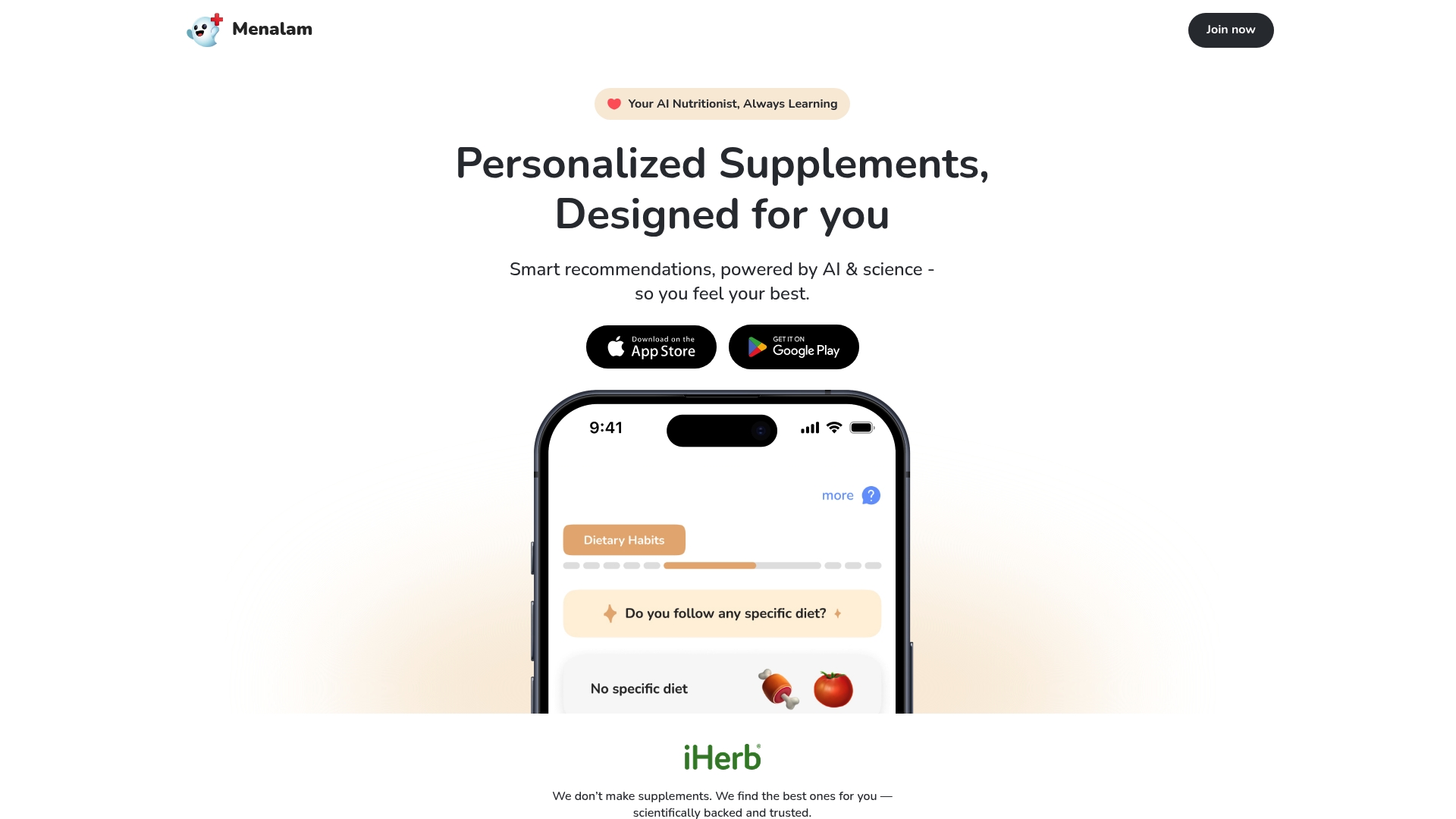
At Menalam, we provide just that! Our AI-driven platform delivers personalized supplement recommendations designed to boost your performance based on your lifestyle and dietary preferences. No more guesswork—take our quick health quiz to identify the vitamins and supplements that will truly support your goals. Plus, our mobile app effortlessly tracks your intake and health progress, ensuring you stay on the path to success!
Don’t let another workout go to waste. Experience what personalized nutrition can do for your fitness journey. Visit Menalam today and start your transformation now!
Leave a Reply