
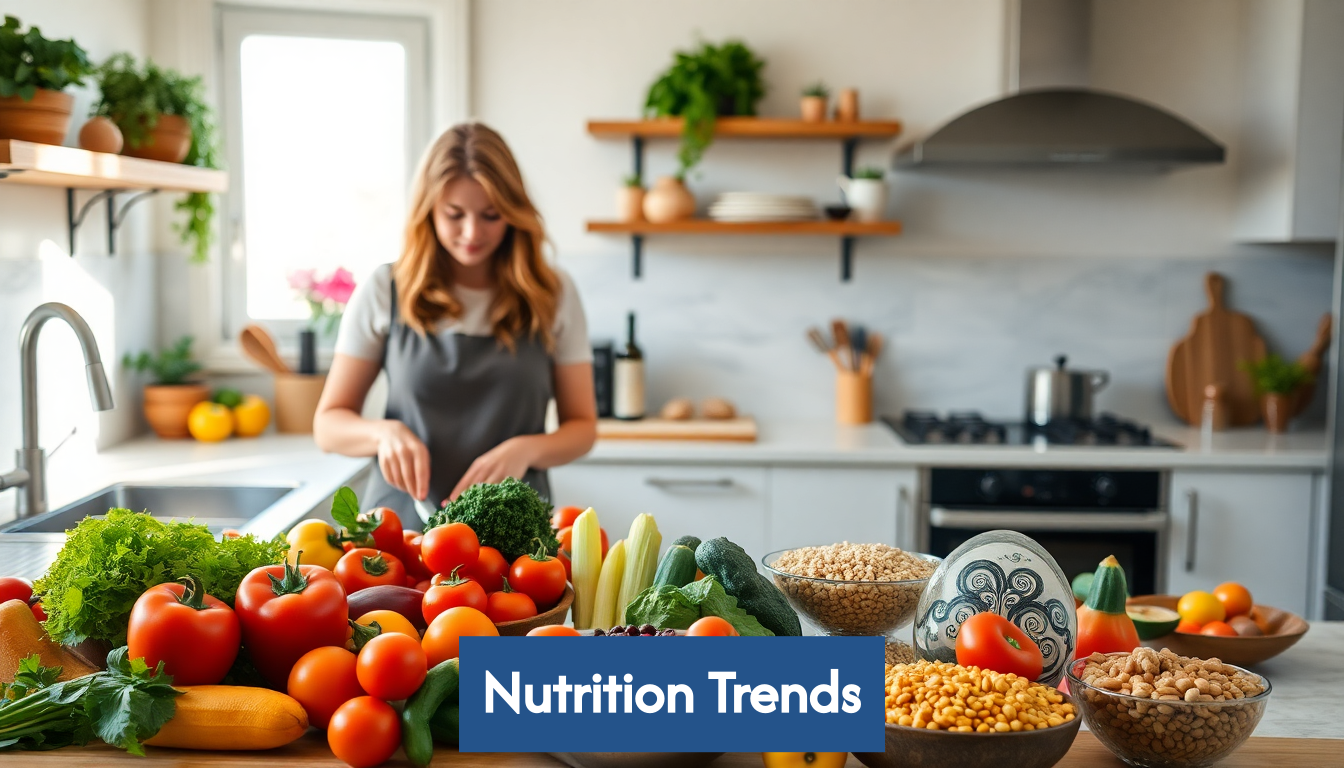
Nutrition trends for 2025 are shaping the future of health. We are not just talking about an uptick in kale smoothies or plant-based burgers. Research shows that a diet high in plant protein can lower the risk of heart disease by up to 30 percent. But here’s the kicker: it’s not just about what we eat; it’s how these choices can impact the planet too. As we navigate this evolving landscape, the call for sustainable nutrition is louder than ever, promising benefits for both our health and that of the environment.
Table of Contents
- Core Health Benefits Of Nutrition
- Nutrition Impact On Mind And Body
- Practical Tips For Healthy Eating
- Emerging Nutrition Trends For 2025
Quick Summary
| Takeaway | Explanation |
|---|---|
| Nutrition is vital for disease prevention | Good nutrition can protect against chronic diseases like diabetes and heart disease, emphasizing the need for dietary shifts like increasing plant protein intake. |
| Nutrition impacts mental health and cognitive function | A nutrient-rich diet influences mood regulation and cognitive performance, highlighting the relationship between food, brain health, and emotional wellbeing. |
| Small, sustainable changes foster lasting health | Making incremental improvements in eating habits, such as adding more fruits and vegetables, leads to more sustainable and achievable healthy eating patterns. |
| Personalized nutrition is the future | Advances in testing and technology are allowing for tailored dietary recommendations based on individual health details, making nutrition more effective. |
| Sustainable nutrition will dominate future food systems | Emphasizing food choices that support individual health while being environmentally friendly will lead to healthier populations and planet in 2025. |
Core Health Benefits of Nutrition
Nutrition forms the foundation of our health and wellbeing. What we eat directly impacts how our bodies function, from cellular processes to overall organ performance. Understanding the importance of nutrition helps us make informed choices that support longevity and quality of life.

Disease Prevention and Management
One of the most significant aspects of good nutrition is its role in preventing chronic diseases. The food choices we make daily can either protect against or increase our risk for various health conditions.
Consistent research demonstrates that nutrition plays a crucial role in preventing major diseases. For instance, consuming a higher ratio of plant to animal protein is associated with a lower risk of cardiovascular and coronary heart disease, as demonstrated by long-term research spanning 30 years. This simple dietary shift can make a tremendous difference in heart health outcomes.
Even more compelling is evidence suggesting that reducing meat consumption by just 30% could significantly decrease rates of type 2 diabetes, heart disease, and colon cancer, according to projections published in The Lancet Planetary Health. These findings highlight why nutrition is essential for preventive healthcare.
The importance of nutrition in health extends beyond just prevention. For those already managing conditions like diabetes or hypertension, proper nutrition becomes a form of treatment that can reduce symptom severity and potentially decrease medication requirements.
Energy and Physical Performance
Nutrition directly affects our energy levels and physical capabilities. The food we eat serves as fuel for every activity, from basic bodily functions to intense exercise.
Carbohydrates, proteins, and fats each play distinct roles in energy production. Carbohydrates provide immediate energy, proteins support muscle function and repair, while healthy fats offer sustained energy reserves. Together, they enable us to perform daily activities with vigor.
For athletes and active individuals, the importance of proper nutrition becomes even more pronounced. Strategic nutrition planning can enhance endurance, strength, recovery times, and overall athletic performance. This is why nutrition is so important in competitive sports and fitness programs.
Mental Health and Cognitive Function
The relationship between nutrition and brain health represents one of the most fascinating areas of nutritional science. What we eat doesn’t just affect our bodies—it profoundly impacts our minds.
Diets rich in natural, nutrient-dense foods demonstrate the vital role nutrition plays in cognitive health. Specific foods like leafy greens support heart health (which indirectly benefits the brain), while berries help control inflammation, and nuts and seeds directly contribute to brain health, according to nutrition experts.
Mounting evidence suggests that nutrition is important for mood regulation as well. The gut-brain connection—whereby the foods we eat influence the gut microbiome, which then affects neurotransmitter production—helps explain why dietary patterns can impact conditions like depression and anxiety.
Immune System Support
Our immune system serves as the body’s defense against pathogens and disease. Nutrition plays a fundamental role in maintaining immune function and response capabilities.
Key nutrients like vitamin C, vitamin D, zinc, and selenium directly support various aspects of immunity. Fermented foods, rich in probiotics, enhance digestion and immunity by promoting a healthy gut microbiome—an often overlooked yet critical component of immune health.
When we’re nutritionally deficient, our immune system becomes compromised, making us more susceptible to infections and prolonging recovery times. This demonstrates why nutrition is needed for robust immune defense.
Healthy Aging
The importance of health and nutrition becomes increasingly apparent as we age. Proper nutrition can significantly impact how we experience our later years.
Nutrients like antioxidants help combat oxidative stress, which contributes to aging at the cellular level. Meanwhile, adequate protein intake prevents muscle loss (sarcopenia), a common concern among older adults.
Good nutrition contributes to maintaining cognitive function, bone density, visual acuity, and skin health—all factors that affect quality of life as we age. This is why many health experts emphasize that nutrition is important for healthy aging across the lifespan.
When we understand the comprehensive benefits good nutrition offers, it becomes clear that our dietary choices are among the most powerful health tools we possess. By prioritizing nutrient-dense foods, we invest directly in our current and future wellbeing.
Nutrition Impact on Mind and Body
The food we consume affects far more than just our physical appearance or energy levels. There’s a profound interconnection between nutrition and our entire biological system – from cellular function to cognitive performance. Understanding this relationship helps explain why nutrition is essential for optimal mental and physical wellbeing.
The Body-Brain Connection
Every bite we take starts a complex cascade of biological processes that ultimately affect both our physical health and mental capabilities. This integrated relationship explains why nutrition is important across all bodily systems rather than just isolated areas.
When we consume nutritious foods, we provide our bodies with the raw materials needed to build and maintain tissues, produce energy, and synthesize crucial biochemicals like hormones and neurotransmitters. Conversely, poor dietary choices can lead to deficiencies or imbalances that disrupt these processes.
Scientific evidence demonstrates that specific dietary patterns like the Mediterranean diet—rich in plant-based foods and with higher omega-3 to saturated fat ratios—can significantly reduce cardiovascular risk factors. This improvement in cardiovascular health directly contributes to lowering the risk of cognitive impairment in aging populations, according to comprehensive research. This connection illustrates why nutrition is so important for both heart and brain health.
Nutrition and Cognitive Function
The brain is extraordinarily demanding when it comes to nutritional needs. Despite representing only about 2% of our body weight, it consumes approximately 20% of our daily energy intake.
According to Harvard Medical School, the nutrients and quality of the food we eat directly impact the structure and function of our brain, affecting both mood and cognitive performance. Their research also indicates that diets high in refined sugars can impair brain function and worsen symptoms of mood disorders, highlighting why nutrition is important for mental health maintenance.
Key nutrients for brain health include omega-3 fatty acids (found in fatty fish and flaxseeds), antioxidants (abundant in colorful fruits and vegetables), and B vitamins (present in whole grains and leafy greens). These nutrients support various aspects of brain function, from maintaining cell membrane integrity to protecting against oxidative stress and supporting neurotransmitter production.
Mood Regulation and Mental Health
Growing evidence suggests that diet quality significantly influences mental health outcomes. What we eat affects our emotional wellbeing through several biological pathways.
Research has identified multiple mechanisms through which nutrition affects mental health, including modulation of neurotransmitter pathways, reduction of inflammation, influence on the gut microbiome, and enhancement of mitochondrial function. These findings, highlighted by brain health experts, demonstrate why nutrition is needed for both mental and metabolic health optimization.
The emerging field of nutritional psychiatry focuses specifically on how dietary patterns influence mental health conditions like depression and anxiety. Diets rich in processed foods, sugar, and unhealthy fats correlate with higher rates of depression, while whole-food diets centered around vegetables, fruits, fish, and unprocessed grains associate with lower risk.
Physical Performance and Recovery
Nutrition doesn’t just fuel daily activities—it fundamentally determines how well our bodies perform and recover from physical demands. This is why nutrition is essential for anyone engaged in physical activity, from casual exercisers to elite athletes.
Proper nutrition enhances muscle protein synthesis, glycogen replenishment, and reduces exercise-induced inflammation. The timing and composition of meals around physical activity can significantly impact performance outcomes and recovery times.
Hydration—often overlooked as a nutritional component—plays a crucial role in physical performance. Even mild dehydration can impair strength, endurance, and cognitive function during exercise, emphasizing why proper fluid intake is a fundamental aspect of nutritional strategies for active individuals.
Cellular Health and Aging Process
At the cellular level, nutritional status directly affects how our bodies age. Nutrients like antioxidants combat oxidative stress—a key contributor to cellular aging—while others support DNA repair mechanisms and cellular energy production.
Telomeres, the protective caps on our chromosomes that shorten as we age, appear to be influenced by nutritional factors. Diets rich in antioxidants, healthy fats, and plant compounds may help preserve telomere length, potentially slowing biological aging processes.
The importance of nutrition and health becomes increasingly evident when we examine how dietary patterns affect inflammatory markers, hormone levels, and metabolic function—all factors that influence how we age and our susceptibility to age-related diseases.
Understanding the comprehensive mind-body impacts of nutrition empowers us to make dietary choices that support not just physical health, but mental clarity, emotional stability, and overall quality of life. This whole-person approach to nutrition represents a powerful pathway to optimize wellbeing across all dimensions of human experience.
Practical Tips for Healthy Eating
Understanding the importance of nutrition is just the first step. Translating that knowledge into daily habits that support your health requires practical strategies. Here are actionable approaches to help you implement healthier eating patterns without feeling overwhelmed or deprived.
Start With Small, Sustainable Changes
Dramatic diet overhauls rarely stick. Instead, focus on making incremental improvements to your current eating patterns. This approach makes healthy eating more achievable and sustainable over time.
Begin by identifying one or two changes you can realistically maintain, such as adding an extra serving of vegetables to dinner or swapping refined grains for whole grains at breakfast. Once these become habits, introduce additional changes gradually.
According to the Food and Agriculture Organization (FAO), sustainable nutrition emphasizes selecting foods that are accessible, affordable, safe, and culturally acceptable while also supporting environmental health. This balanced approach acknowledges that healthy eating must fit within your lifestyle and values to be maintained long-term.
Focus on Food Quality and Variety
Rather than obsessing over calories or specific nutrients, shift your attention to the overall quality of your food choices. This simplifies nutrition and often naturally leads to better dietary patterns.
Current nutrition science recommends dietary patterns that include a variety of whole foods, plenty of fruits and vegetables, and a limited intake of ultra-processed foods as highly actionable strategies for improving health outcomes, according to research published in the Public Health Nutrition journal.
Aim to include foods from all major food groups daily, with an emphasis on:
- Colorful vegetables and fruits (variety matters for different nutrients)
- Whole grains and legumes for fiber and sustained energy
- Quality protein sources including plant and animal options
- Healthy fats from sources like olive oil, avocados, and nuts
Emerging trends for healthy eating highlight the growing importance of exploring new, nutrient-dense foods such as macroalgae to address micronutrient needs, as reported in Food Research International. Being open to diverse food sources can significantly enhance your diet quality.
Master Meal Planning and Preparation
One of the biggest barriers to healthy eating is convenience. Meal planning counteracts this by making nutritious options readily available when you’re hungry or busy.
Set aside time weekly to plan meals, create shopping lists, and prepare food components in advance. Even basic preparation like washing and chopping vegetables or cooking a batch of whole grains can make weekday meal assembly much faster.
Batch cooking—preparing multiple portions of healthy meals to refrigerate or freeze—is particularly effective for ensuring you have nutritious options available when time is limited. This strategy reduces the temptation to rely on less nutritious convenience foods.
Develop Mindful Eating Habits
How you eat can be as important as what you eat. Mindful eating involves paying full attention to the eating experience, which helps you recognize hunger and fullness cues more accurately.
Practical mindful eating techniques include:
- Eating without distractions like phones or television
- Chewing thoroughly and pacing your meal over at least 20 minutes
- Noticing the flavors, textures, and aromas of your food
- Checking in with your hunger levels throughout the meal
This approach naturally helps moderate portion sizes and enhances satisfaction from meals, addressing the common problem of mindless overconsumption.
Navigate Social Eating and Special Occasions
Many people find their healthy eating intentions challenged by social situations and celebrations. Rather than avoiding these important life experiences, develop strategies to navigate them while maintaining reasonable nutrition.
Before events, consider eating a small protein-rich snack to avoid arriving overly hungry. Survey all food options before filling your plate, then choose items you truly enjoy while keeping portions moderate. Focus on the social connections rather than making food the central focus.
Remember that occasional indulgences are part of a balanced approach to eating. The goal is consistency with your healthy eating patterns most of the time, not perfection every day.
Build a Supportive Environment
Your surroundings significantly influence your food choices. Set yourself up for success by creating an environment that makes healthy eating the easier option.
Keep nutritious, ready-to-eat foods visible and accessible in your refrigerator and pantry. Store less nutritious options out of sight or don’t purchase them regularly. Prepare grab-and-go healthy snacks for busy days when hunger might otherwise lead to less optimal choices.
Consider using meal delivery services that align with your nutrition goals when time is particularly tight, or keep a list of healthier restaurant options for those inevitable occasions when cooking isn’t possible.
By implementing these practical strategies, you can make the importance of nutrition a living reality in your daily life. Remember that consistency, not perfection, is the key to reaping the long-term benefits of healthy eating patterns.
Emerging Nutrition Trends for 2025
The field of nutrition is constantly evolving as new research emerges and consumer preferences shift. Looking ahead to 2025, several key trends are taking shape that reflect our growing understanding of the importance of nutrition for both individual and planetary health. These developments offer exciting opportunities to enhance our approach to food and wellbeing.
Sustainable Nutrition Takes Center Stage
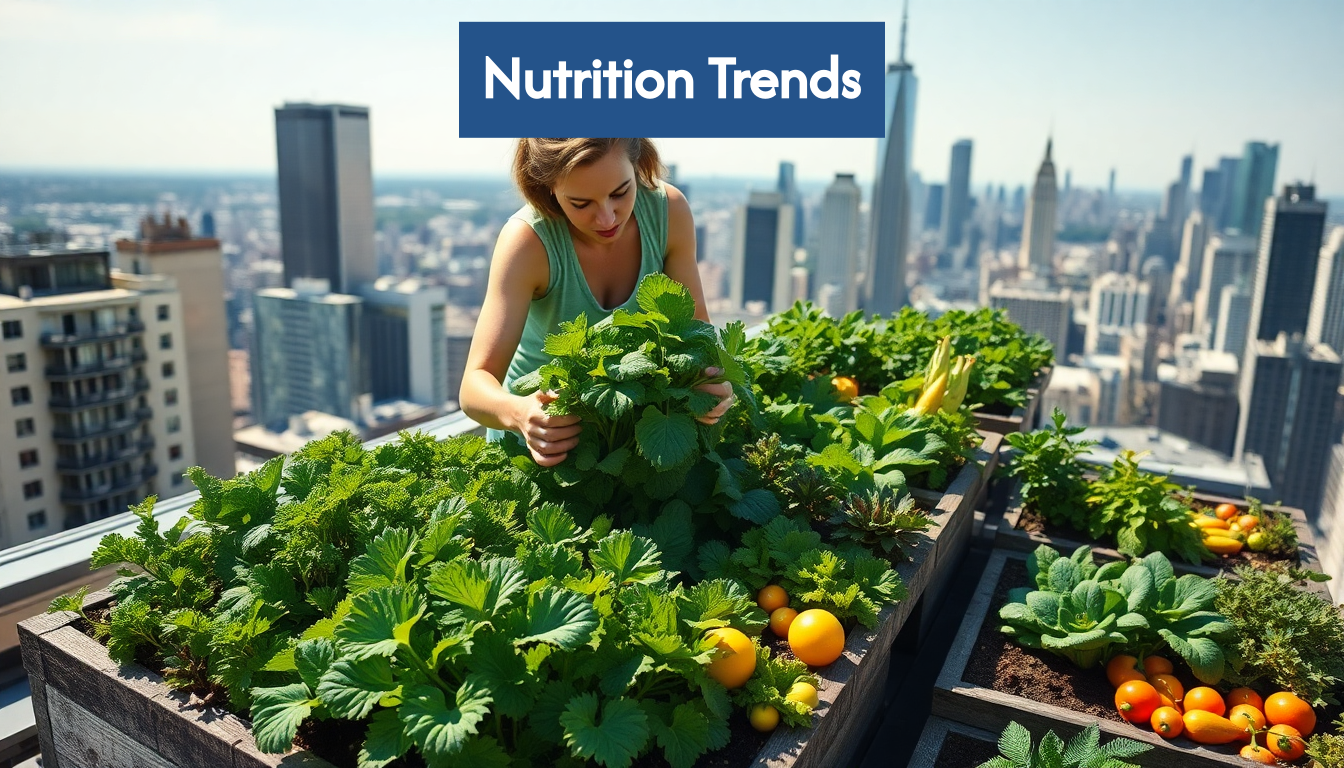
Perhaps the most significant shift in nutritional thinking for 2025 is the emergence of sustainable nutrition as the dominant framework. This approach recognizes that our food choices impact not just our personal health but also the health of our planet.
Sustainable nutrition is identified as the mega-trend for 2025, defined as “the ability of food systems to provide sufficient energy and essential nutrients to maintain a healthy population without compromising the ability of future generations to meet their nutritional needs,” according to Kerry Health and Nutrition Institute. This holistic perspective connects individual food choices with broader environmental and social concerns.
This trend is reflected in consumer behavior, with research indicating that 7% of consumers surveyed plan to start a vegan or plant-based diet in 2025. This shift is supported by findings that a higher ratio of plant to animal protein is associated with lower risk of cardiovascular and coronary heart disease, as reported by the Johns Hopkins Center for a Livable Future.
Personalized Nutrition Advances
The one-size-fits-all approach to nutrition is rapidly becoming outdated as technology enables more tailored nutritional recommendations. Personalized nutrition considers individual differences in genetics, microbiome composition, metabolic responses, and lifestyle factors to create customized dietary guidance.
Advances in testing technologies are making personalized nutrition more accessible and accurate. These include at-home microbiome testing, continuous glucose monitors for non-diabetic individuals, and AI-powered platforms that analyze multiple biomarkers to generate specific dietary recommendations.
Personalized nutrition is expected to evolve as an adjunct to nutritional therapies, with certain nutrients being increasingly recognized for their specific benefits in individual health contexts, according to research published in the Public Health Nutrition journal. This approach promises more effective nutrition interventions by accounting for individual differences in how we process and respond to foods.
Functional Foods 2.0
While functional foods—those that offer benefits beyond basic nutrition—aren’t new, their sophistication and evidence base are expanding significantly. The next generation of functional foods moves beyond simple fortification to focus on bioactive compounds and their specific mechanisms of action.
Emerging functional food categories gaining momentum include:
- Cognitive enhancers containing compounds like phospholipids, antioxidants, and omega-3s targeted at brain health
- Gut microbiome modulators featuring specialized prebiotics, postbiotics, and fermented ingredients
- Stress-reduction formulations incorporating adaptogens and evidence-based botanical ingredients
- Immune-supporting foods with researched combinations of vitamins, minerals, and plant compounds
Unlike earlier functional food trends that sometimes made exaggerated claims, the 2025 landscape emphasizes products with stronger scientific support and transparent communication about their benefits.
Food as Precision Medicine
The line between food and medicine continues to blur as research advances our understanding of how specific dietary components influence health outcomes at the molecular level. This trend represents a significant evolution in how we view the importance of nutrition in health.
Medical nutrition therapy is expanding beyond traditional applications like diabetes management to address a wider range of conditions. Healthcare systems are increasingly integrating nutrition interventions as first-line approaches for issues ranging from inflammatory conditions to mental health concerns.
Prescription digital therapeutics—app-based interventions that include nutritional guidance—are gaining regulatory approval for specific health conditions. These tools often combine personalized dietary recommendations with behavioral support to achieve clinical outcomes.
Tech-Enabled Nutrition Solutions
Technology is transforming how we access nutritional guidance, track our intake, and make food choices. Digital tools are becoming more sophisticated and integrated into our daily routines.
Advanced nutrition apps now offer features like:
- AI-powered meal recommendations based on health goals and preferences
- Augmented reality shopping assistance highlighting foods that align with nutritional needs
- Integration with smart kitchen appliances for guided healthy cooking
- Automated tracking through image recognition and wearable technology
These technologies make it easier to translate nutrition knowledge into practical daily choices, addressing the common gap between understanding the importance of nutrition and consistently implementing healthy eating habits.
As these trends evolve through 2025, they collectively point toward a more personalized, evidence-based, and holistic approach to nutrition. This evolution reflects our growing recognition that nutrition is not just about avoiding deficiencies or managing weight, but about optimizing health, preventing disease, and supporting the wellbeing of both people and planet.
Frequently Asked Questions
What are the core health benefits of nutrition?
Good nutrition supports disease prevention, enhances energy and physical performance, promotes mental health and cognitive function, strengthens the immune system, and aids in healthy aging.
How can I make healthy eating more sustainable?
Start with small, manageable changes to your diet, focus on food quality and variety, plan meals in advance, and create a supportive eating environment to build sustainable habits.
What is personalized nutrition, and why is it important?
Personalized nutrition tailors dietary recommendations based on individual factors such as genetics and lifestyle. This approach increases the effectiveness of nutrition interventions by accommodating different responses to food.
How will nutrition trends impact our health and the environment in 2025?
Nutrition trends are shifting towards sustainable practices that benefit both personal health and the planet. This includes a focus on plant-based diets, personalized nutrition, and functional foods that support overall wellbeing and reduce environmental impact.
Transform Your Nutrition Journey with Menalam!
As we navigate the important nutrition trends of 2025, it’s clear that understanding our unique dietary needs is essential for optimizing both health and well-being. The article highlights how nutrition plays a pivotal role in disease prevention, mental and physical performance, and sustainable eating habits. But here’s the challenge: how do you effectively personalize your nutrition amidst all this information?
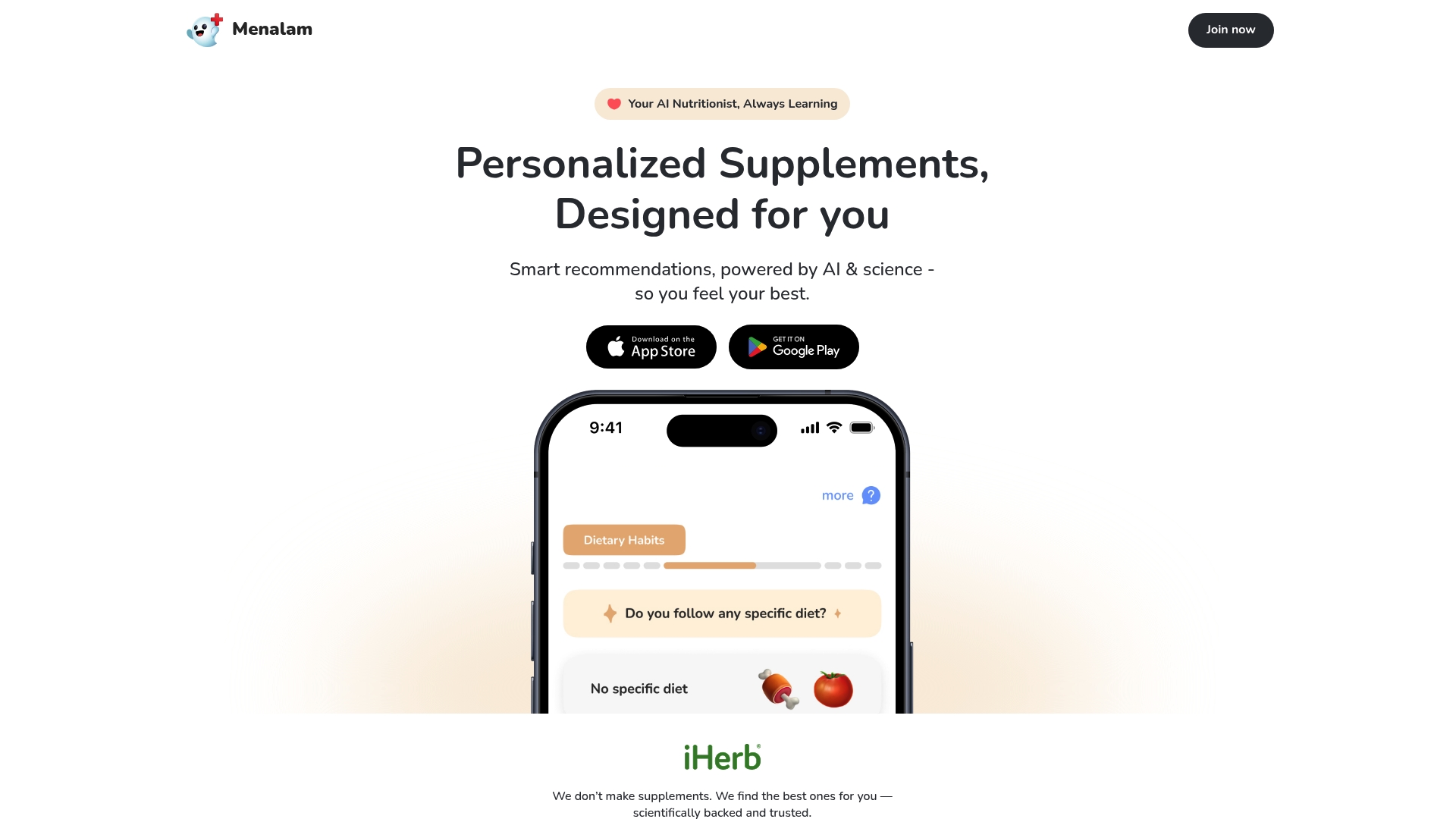
Introducing Menalam, your personal digital nutritionist! With artificial intelligence-driven recommendations, we take the guesswork out of your supplement intake. Our platform tailors personalized supplement plans based on your individual health profile and lifestyle, ensuring you receive only the most relevant options—backed by scientific validation.
Don’t leave your health to chance! Take control of your nutrition today—visit https://menalam.com to complete our quick health quiz and start benefiting from tailored recommendations and ongoing support. Act now and empower yourself with the tools you need to thrive in the evolving nutrition landscape of 2025!
Leave a Reply