
Ultimate Guide: Supplements for Fitness Enthusiasts 2025

Supplements are everywhere in the fitness world, promising faster gains and better recovery. Yet despite the hype, creatine remains one of the top five most effective performance supplements with a recommended dose of just 3 to 5 grams daily. But here’s the kicker: more supplement doesn’t always mean better results. The real secret to success lies in choosing quality products that fit your unique goals and using them smartly, rather than chasing every new trend. This approach can transform your fitness progress and keep you safe along the way.
Table of Contents
- Understanding Key Supplement Benefits
- Choosing The Right Fitness Supplements
- Top Supplement Options For Workouts
- Safe Usage And Dosage Guidelines
- Myths And Facts About Supplements
Quick Summary
| Takeaway | Explanation |
|---|---|
| Focus on Goal-Oriented Supplementation | Your supplement choices should align with your specific fitness objectives—whether they’re performance, recovery, or health improvement—to maximize effectiveness. |
| Prioritize Quality and Safety | Look for third-party testing and transparent manufacturing practices to ensure supplements are safe, effective, and free from harmful substances. |
| Understand Effective Dosages | Use clinically validated dosages for optimal results; many supplements have specific thresholds that should be met for benefits, not just manufacturer’s suggestions. |
| Beware of Myths in Supplement Use | Popular myths, such as the belief that more is better or that supplements can replace whole foods, can lead to ineffective or harmful supplement practices. |
| Individual Response Varies | Recognize that individual differences in genetics and lifestyle can significantly impact how effective a supplement is, necessitating a personalized approach to supplementation. |
Understanding Key Supplement Benefits
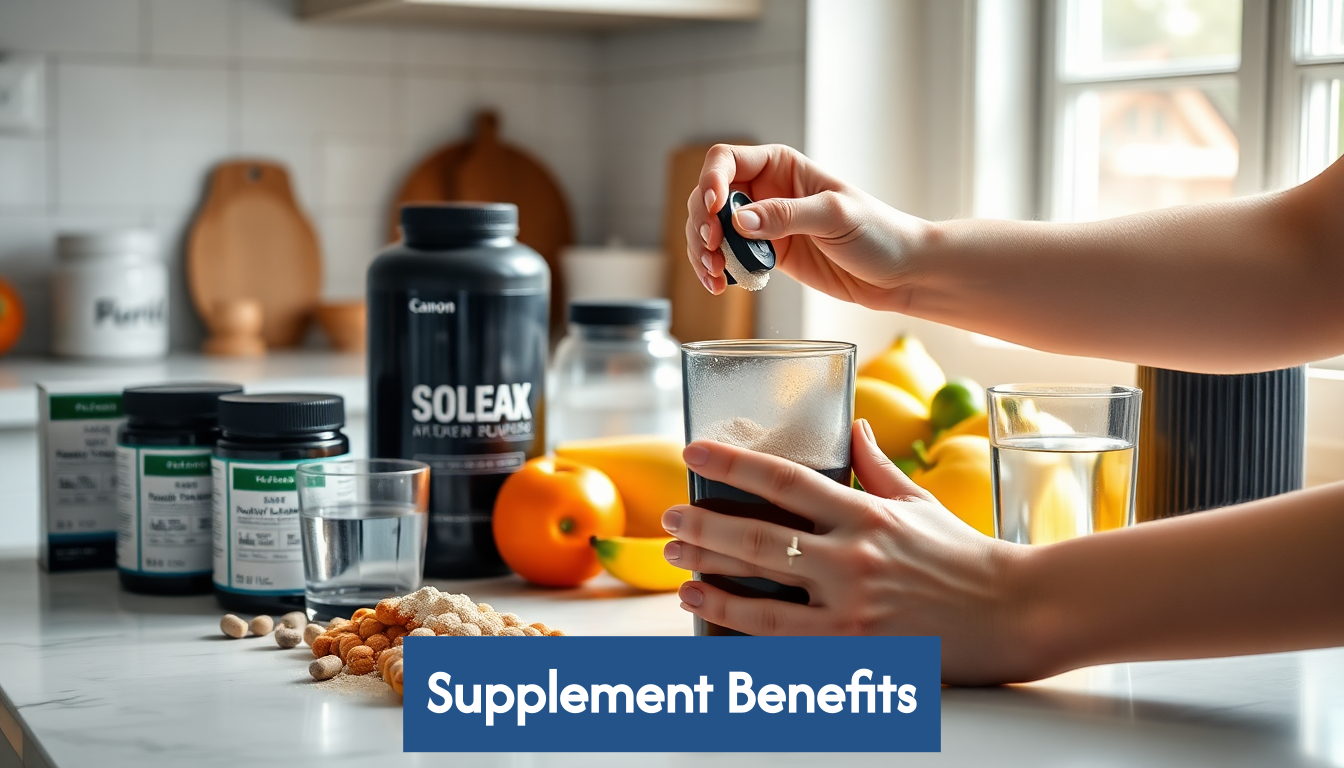
The supplement industry has exploded in recent years, leaving fitness enthusiasts facing endless options and claims. But beyond the marketing hype, certain supplements genuinely deliver measurable benefits when incorporated strategically into a fitness regimen. Understanding these benefits—backed by science rather than promises—enables you to make informed choices that align with your specific fitness goals.
Performance Enhancement Benefits
Among fitness enthusiasts, performance enhancement remains the primary motivation for supplement use. Creatine stands as perhaps the most thoroughly researched performance supplement, consistently demonstrating its ability to increase muscle phosphocreatine stores, which directly enhances performance during high-intensity exercise. According to research published in MDPI’s Nutrients journal, a typical effective dosage ranges from 3-5g daily, making it both accessible and practical for regular use.
Beta-alanine offers another evidence-backed performance benefit by elevating intramuscular carnosine levels, effectively buffering acid buildup during intense exercise. This particularly benefits activities lasting between 1-4 minutes—think 400-800m runs or extended weightlifting sets to failure. Where creatine primarily enhances strength and power, beta-alanine helps delay the onset of fatigue.
Nitrates, commonly found in beetroot juice, represent another supplement category with measurable benefits, enhancing aerobic performance by improving oxygen delivery to working muscles—especially valuable for endurance athletes.
Recovery and Adaptation Benefits
While performance gets the spotlight, recovery supplements often deliver equally important benefits for fitness enthusiasts. Protein supplements—whether whey, casein, plant-based, or blended formulations—provide the amino acid building blocks necessary for muscle repair and growth. The convenience factor cannot be overstated; having a ready-to-mix protein solution after training ensures timely nutrition when whole food preparation isn’t practical.
Anti-inflammatory supplements like omega-3 fatty acids and tart cherry extract help moderate exercise-induced inflammation. While some inflammation is necessary for adaptation, excessive or prolonged inflammatory responses can impede recovery. These supplements help strike the right balance, especially during high-volume training phases or when training multiple muscle groups in succession.
Sleep quality supplements represent an often-overlooked recovery category. Magnesium, zinc, and sometimes melatonin can improve sleep quality—the time when much of the body’s repair processes accelerate. Improved sleep translates to better recovery, which enables more consistent training.
Long-Term Health Benefits
Beyond immediate performance and recovery, certain supplements offer cumulative health benefits that support sustained fitness progress. Vitamin D and vitamin K2 work synergistically to support bone health—crucial for fitness enthusiasts engaged in high-impact activities or heavy resistance training. Maintaining skeletal integrity prevents injuries that could derail months of progress.
Antioxidant supplements can help manage oxidative stress generated through intense exercise. While some oxidative stress is beneficial for triggering adaptations, chronically elevated levels may contribute to cellular damage. Supplements like vitamin C, vitamin E, and various plant compounds help maintain this delicate balance.
The global aging population is increasing rapidly, with projections showing 2.1 billion people aged 60+ by 2050. This demographic shift has sparked interest in supplements that support healthy aging while maintaining physical capacity. Natural products containing polyphenols, saponins, and other bioactive compounds are being studied for their effects on nutrient-sensing pathways that influence aging and physical performance.
Understanding these diverse supplement benefits allows fitness enthusiasts to construct a supplementation strategy tailored to their specific needs rather than adopting a scattershot approach of taking whatever’s trending. The key lies in matching supplement benefits to your individual requirements, training program intensity, and long-term fitness objectives.
Choosing the Right Fitness Supplements
Navigating the supplement marketplace can feel overwhelming for fitness enthusiasts. With thousands of products making bold claims about transforming your physique or performance, how do you separate marketing hype from genuinely effective options? The key lies in taking a systematic, evidence-based approach to supplement selection that aligns with your specific fitness goals.
Aligning Supplements with Fitness Goals
Your supplement choices should directly support your primary fitness objectives. The requirements of a marathon runner differ drastically from those of a powerlifter or someone focused on body composition changes. This goal-based approach allows you to prioritize supplements with proven efficacy for your specific needs.
For strength and power athletes, supplements that enhance ATP production and protein synthesis typically yield the greatest benefits. Creatine monohydrate stands out as particularly effective, with decades of research supporting its safety and efficacy for increasing power output and lean muscle development. According to research published in PubMed, creatine remains among the top five most effective sports supplements, with a recommended dosage of 3-5g daily for optimal results.
Endurance athletes benefit more from supplements that improve oxygen utilization, delay fatigue, and support sustained energy production. Nitrates (often consumed through beetroot juice), caffeine (3-6mg/kg body weight taken about an hour before exercise), and certain amino acids that support mitochondrial function tend to deliver measurable improvements in performance metrics.
For those primarily focused on body composition changes, protein supplements, thermogenics with evidence-backed ingredients like green tea extract, and supplements that help maintain muscle during caloric deficits deserve priority consideration.
Quality and Safety Considerations
Supplement quality varies dramatically across the industry. Unlike prescription medications, supplements undergo limited pre-market testing and regulation, placing the burden of quality assurance primarily on consumers. This reality necessitates additional due diligence before making purchases.
Third-party testing represents the gold standard for supplement quality verification. Organizations like NSF Certified for Sport, Informed Choice, and USP provide independent verification that products contain what their labels claim and are free from harmful contaminants and prohibited substances. These certifications are particularly crucial for competitive athletes subject to drug testing protocols.
Manufacturing practices significantly impact supplement quality. Companies that own their production facilities rather than outsourcing to contract manufacturers often maintain stricter quality control. Look for brands that voluntarily adhere to Good Manufacturing Practices (GMP) and transparently share information about sourcing and production processes.
Simplicity in formulation often signals quality. Products with lengthy ingredient lists, proprietary blends without specified amounts, or exotic-sounding compounds with limited research typically warrant skepticism. The most effective supplements generally feature straightforward formulations with evidence-backed ingredients at clinically effective dosages.
Cost-Benefit Analysis
Supplementation represents a financial investment that should deliver tangible returns. Before purchasing, consider the potential benefit relative to cost, especially compared to whole food alternatives. Protein supplements, for instance, often provide a cost-effective means of meeting daily protein requirements compared to equivalent amounts from meat, fish, or dairy sources.
Dosage efficiency matters for your supplement budget. Some supplements require loading phases or multiple daily servings to achieve results, significantly affecting the true monthly cost. Calculate the per-serving cost based on effective dosages rather than package recommendations, which sometimes understate optimal amounts to make products appear more affordable.
Cycling certain supplements can optimize both effectiveness and cost-efficiency. For example, pre-workout formulations containing beta-alanine, caffeine, and other stimulants might be reserved for key training sessions rather than daily use. This approach prevents tolerance development while extending the product’s lifespan.
A study of 250 fitness supplement users found that health motivation and perceived behavioral control significantly influenced supplement consumption patterns, whereas perceived benefits were less influential factors in decision-making. This suggests that successful supplement selection balances objective evidence with personal values around health optimization.
By systematically evaluating supplements against your specific goals, prioritizing quality and safety, and conducting honest cost-benefit analyses, you can build a supplementation strategy that genuinely enhances your fitness journey without unnecessary products or expenses.
Top Supplement Options for Workouts
Amid the vast array of supplements marketed to fitness enthusiasts, certain options consistently demonstrate genuine value for enhancing workout performance, recovery, and results. These evidence-backed supplements have withstood scientific scrutiny and practical application tests, making them worthy considerations for your fitness regimen.
Performance Enhancers
Creatine monohydrate stands as the most extensively researched and reliably effective performance supplement available. It works by increasing your muscles’ phosphocreatine stores, which directly enhances ATP production during high-intensity exercise. According to research published in MDPI’s Nutrients journal, a daily dosage of 3-5g is typically sufficient for maintaining elevated muscle creatine levels after an initial loading phase. The performance benefits are substantial—increased power output, improved strength, enhanced sprint capacity, and greater work volume during resistance training.
Beta-alanine offers complementary benefits by elevating muscle carnosine levels, which buffers the acidic environment created during intense exercise. This buffering effect particularly benefits high-intensity activities lasting 1-4 minutes, like circuit training or multiple sets with minimal rest. While the characteristic tingling sensation (paresthesia) that often accompanies beta-alanine supplementation is harmless, dividing the daily dose (typically 2-6g) into smaller servings can minimize this sensation.
Caffeine delivers reliable ergogenic effects across multiple exercise modalities. Beyond simply increasing alertness, caffeine reduces perceived exertion, enhances focus during workouts, and can marginally improve power output. Its effectiveness varies based on individual tolerance and genetics, with optimal dosing typically falling between 3-6mg per kilogram of body weight taken approximately one hour before exercise. For a 170-pound individual, this translates to roughly 200-400mg of caffeine.
Recovery Accelerators
Protein supplements represent the cornerstone of recovery supplementation, providing the amino acid building blocks necessary for muscle repair and growth. While whole food protein sources offer similar benefits, supplements provide convenience and precise dosing, especially in the crucial post-workout window. Whey protein digests rapidly, making it ideal immediately after training, while casein’s slower absorption rate creates a sustained amino acid release that many find beneficial before sleep.
Branched-chain amino acids (BCAAs)—leucine, isoleucine, and valine—play key roles in muscle protein synthesis, with leucine being particularly potent for triggering anabolic signaling. While complete protein sources already contain BCAAs, supplemental forms can be useful during fasted training or extended endurance sessions when you want amino acid availability without digesting whole proteins.
Tart cherry extract has emerged as a valuable recovery supplement due to its anti-inflammatory and antioxidant properties. Research indicates it can reduce exercise-induced muscle damage, decrease soreness, and potentially accelerate strength recovery. Unlike some anti-inflammatory agents that might blunt certain training adaptations, tart cherry appears to support recovery without interfering with the body’s adaptive responses to training stress.
Training Support Supplements
Pre-workout formulations typically combine several ingredients to enhance energy, focus, blood flow, and performance. While proprietary blends vary, effective formulations generally contain caffeine, L-citrulline or citrulline malate for improved blood flow, beta-alanine, and sometimes creatine. The synergistic effects of these ingredients can noticeably enhance workout quality, though the stimulant content makes timing important to avoid sleep disruption.
Essential amino acids (EAAs) support training by providing all nine amino acids the body cannot produce itself. While BCAAs focus specifically on three amino acids, EAAs deliver a complete spectrum that supports muscle protein synthesis more comprehensively. For extended training sessions or when training in a fasted state, EAAs can help minimize muscle breakdown while supporting recovery.
Electrolyte supplements have particular value for high-volume training, especially in hot environments or for heavy sweaters. Sodium, potassium, magnesium, and calcium losses through sweat can impair performance and contribute to cramping if not adequately replaced. Advanced electrolyte formulations often include glucose transporters to enhance hydration efficiency beyond what water alone provides.
When selecting from these top supplement options, consider your specific training goals, existing diet, budget constraints, and training volume. Rather than adopting all options simultaneously, a strategic approach involves identifying your primary limiting factors and selecting supplements specifically addressing those needs. This targeted method typically yields better results than a scattered approach using minimal doses of numerous supplements with overlapping benefits.
Safe Usage and Dosage Guidelines
While supplements can significantly enhance fitness outcomes when used appropriately, they require thoughtful implementation to maximize benefits while minimizing potential risks. Following evidence-based dosage protocols and safety practices ensures you get the results you want without unwanted side effects or wasted resources.

Understanding Effective Dosages
Effective supplementation begins with using clinically validated dosages rather than manufacturer recommendations, which sometimes underdose active ingredients while highlighting proprietary blends. Research consistently shows that specific dosage thresholds must be met to achieve desired outcomes.
For performance supplements, these thresholds are well-established through research. Creatine monohydrate requires 3-5g daily for maintenance after an optional loading phase (20g daily for 5-7 days). Beta-alanine needs 3.2-6.4g daily to meaningfully increase muscle carnosine levels, with benefits becoming noticeable after 2-4 weeks of consistent use. For caffeine, the effective ergogenic dose typically ranges from 3-6mg per kilogram of bodyweight, taken approximately 60 minutes before exercise.
Recovery-focused supplements have their own dosage requirements. Protein recommendations depend on training volume and goals, with strength athletes typically benefiting from 1.6-2.2g per kilogram of bodyweight daily. For someone weighing 80kg (176 lbs), this translates to 128-176g of protein daily, with supplements helping to meet this target when whole food sources fall short.
Dosing timing matters significantly for certain supplements. Fast-digesting proteins like whey work best immediately post-workout, while slower-digesting proteins like casein provide greater benefit before longer fasting periods, such as sleep. Caffeine’s performance benefits peak around 45-60 minutes after consumption, while creatine timing is less critical as long as daily requirements are met consistently.
Minimizing Side Effects and Risks
Even evidence-backed supplements can produce unwanted effects when used improperly. Common side effects like digestive discomfort from protein supplements can often be mitigated by switching to a different protein source (e.g., from whey to a plant-based alternative) or using digestive enzymes. Beta-alanine’s harmless but sometimes uncomfortable tingling sensation (paresthesia) can be reduced by dividing the daily dose into smaller servings.
Supplements containing stimulants require particular caution. Caffeine’s half-life averages about 5-6 hours, meaning half the caffeine from a pre-workout taken at 5 PM remains in your system at 10-11 PM, potentially disrupting sleep quality. This makes timing crucial—avoid stimulant-containing supplements within 6 hours of bedtime to prevent compromising recovery through impaired sleep.
Supplements with more serious potential risks require extra vigilance. Certain fat-burning compounds like DNP (2,4-dinitrophenol) present significant dangers even at seemingly low doses. A study analyzing user reports found that even at sublethal doses (150-450mg daily), users commonly experienced profuse sweating and fatigue, with higher doses associated with thermoregulatory problems and neurological symptoms. These findings highlight why avoiding unregulated compounds marketed for extreme results is essential—the margin between effect and harm can be dangerously narrow.
Cycling and Long-Term Considerations
Strategic cycling of certain supplements can maintain their effectiveness while reducing potential habituation or side effects. Stimulant-containing pre-workouts, for example, tend to lose potency as tolerance develops. Implementing scheduled breaks (such as one week off after three weeks of use) helps maintain sensitivity to these ingredients.
Other supplements show sustained benefits with continuous use. Creatine monohydrate does not require cycling for maintained effectiveness, and the same applies to protein supplements, omega-3 fatty acids, and most vitamins and minerals. For these supplements, consistency drives results rather than periodic intensification.
Long-term safety considerations vary by supplement. Creatine has decades of research supporting its safety profile, even with extended use. Protein supplements likewise present minimal concerns when used within reasonable daily intake levels. In contrast, products with less research history warrant more conservative usage patterns until their long-term safety profiles are better established.
Before adding any supplement to your regimen, particularly those targeting fat loss or dramatic performance enhancement, research both efficacy and safety. Prioritize supplements with established safety records, transparent ingredient lists, and third-party testing certifications. This cautious approach helps you capitalize on the genuine benefits supplements can offer while avoiding unnecessary risks that could undermine your broader fitness goals.
Keep in mind that supplements represent just one component of your overall health and fitness strategy. Even the most effective supplements provide marginal benefits compared to the fundamental practices of consistent training, adequate nutrition, proper hydration, and sufficient sleep. Use supplements to enhance these foundations rather than attempting to compensate for deficiencies in these areas.
Myths and Facts About Supplements
The supplement industry thrives not only on legitimate science but also on perpetuated misconceptions. For fitness enthusiasts navigating this landscape, distinguishing fact from fiction becomes crucial for making informed decisions. Let’s examine some prevalent myths and contrast them with evidence-based realities.
Myth: More Is Always Better
One of the most persistent myths in supplementation is that higher doses yield proportionally greater results. This belief leads many fitness enthusiasts to exceed recommended dosages in pursuit of accelerated gains. The reality is more nuanced—biological systems typically respond to supplements according to a dose-response curve that plateaus or even reverses at excessive levels.
Creatine exemplifies this principle perfectly. While a loading phase of 20g daily for 5-7 days can accelerate muscle creatine saturation, maintenance doses beyond 3-5g daily provide no additional benefit once muscles are saturated. The excess simply gets excreted, wasting money without enhancing performance.
Similarly, protein supplementation follows a threshold effect rather than a linear benefit curve. Research consistently shows that protein intake beyond 1.6-2.2g per kilogram of bodyweight for strength athletes offers diminishing returns. The body can only utilize so much protein for muscle protein synthesis, with excess being converted to glucose or stored as fat—a metabolically inefficient and potentially counterproductive outcome.
Myth: Supplements Can Replace Proper Nutrition
Marketing often positions supplements as magical shortcuts that compensate for dietary deficiencies or inconsistencies. This dangerous oversimplification ignores the complex interplay of nutrients in whole foods that supplements cannot replicate.
Whole foods provide thousands of phytonutrients, fiber, and compounds yet to be fully understood by nutritional science. Many of these components work synergistically in ways isolated supplements cannot match. For instance, the antioxidants in fruits and vegetables function within a complex network that single-nutrient supplements fail to replicate effectively.
Even protein supplements, while convenient and effective, lack the micronutrients and dietary factors found in protein-rich whole foods. Eggs provide choline for brain health, fish supplies omega-3 fatty acids, and lean meats offer zinc and iron—nutrients often missing from isolated protein supplements.
The scientific consensus remains clear: supplements should augment an already solid nutritional foundation, not serve as its replacement. As the name implies, they supplement an existing framework.
Myth: Natural Equals Safe
The “natural” label carries significant marketing power, creating a perception of inherent safety compared to synthetic alternatives. This myth dangerously overlooks that many potent toxins occur naturally—from deadly mushrooms to plant-derived compounds like strychnine.
Herbal supplements, despite their “natural” classification, can interact with medications, contain variable active ingredient concentrations, or cause allergic reactions. For instance, St. John’s Wort, commonly used for mood support, can reduce the effectiveness of birth control pills and certain prescription medications. Comfrey, once popular in bodybuilding communities, contains pyrrolizidine alkaloids now known to cause liver damage.
The distinction between natural and synthetic often proves meaningless regarding safety profiles. What matters is the specific compound, its dosage, and its interactions—not whether it originated from a plant or laboratory.
Fact: Scientific Evidence Varies Dramatically
While myths abound, one clear fact emerges: the scientific evidence supporting different supplements varies enormously. A study examining supplement use among middle-distance runners found that 85.85% of athletes reported using sports supplements, but higher-level athletes tended to consume supplements with stronger scientific evidence backing their efficacy.
Some supplements have robust evidence portfolios spanning decades. Creatine monohydrate has been validated through hundreds of peer-reviewed studies demonstrating its safety and efficacy for increasing power output, strength, and muscle mass. Similarly, protein supplementation has strong evidence supporting its role in muscle protein synthesis and recovery.
In contrast, many supplements operate in an evidence gray zone with limited, conflicting, or methodologically weak research. Proprietary blends often make claims based on individual ingredients’ theoretical benefits rather than testing the specific formulation. This gap between marketing claims and scientific validation creates a minefield for consumers seeking evidence-based options.
Fact: Individual Response Varies Significantly
Perhaps the most overlooked fact in supplement discussions is the substantial variability in individual response. Genetic factors, baseline nutritional status, training experience, and even gut microbiome composition can influence how someone responds to a particular supplement.
Caffeine metabolism provides a clear example of this principle. Some individuals carry genetic variations that process caffeine rapidly, limiting its ergogenic effects, while others metabolize it slowly, experiencing more pronounced and prolonged stimulation from the same dose. This explains why a pre-workout that energizes one person might cause jitters or digestive distress in another.
Creatine non-responders represent another example of individual variation. Approximately 20-30% of individuals show minimal performance improvements from creatine supplementation despite following recommended protocols. This non-response appears linked to initially higher baseline muscle creatine levels or genetic factors affecting creatine transport.
Recognizing these individual differences underscores the importance of personalized approaches to supplementation rather than following generic recommendations. What works optimally for one fitness enthusiast may prove ineffective or problematic for another, making self-assessment and possibly professional guidance valuable components of effective supplementation.
Frequently Asked Questions
What are the most effective supplements for enhancing performance in workouts?
Creatine monohydrate, beta-alanine, and caffeine are among the most effective supplements for enhancing workout performance. Creatine helps increase power output, beta-alanine buffers acid buildup during high-intensity exercise, and caffeine reduces perceived exertion and improves focus.
How can I determine the right dosage for fitness supplements?
The right dosage for fitness supplements varies. For example, creatine is effective at 3-5 grams daily, while beta-alanine requires 3.2-6.4 grams for optimal benefits. Always refer to scientific studies or manufacturer guidelines to ensure you are using clinically validated dosages.
What are the benefits of protein supplements for recovery?
Protein supplements provide essential amino acids necessary for muscle repair and growth. They are convenient and can be consumed immediately post-workout, ensuring timely nutrition when whole food preparation might not be practical.
Are there any myths about supplements that I should be aware of?
Yes, common myths include the belief that more is always better and that supplements can replace proper nutrition. It’s essential to understand that effective dosages are key and that whole foods should primarily provide your nutrients, with supplements serving to enhance your diet.
Tailor Your Supplement Strategy with Menalam
Navigating the labyrinth of supplements can be overwhelming, especially when each product claims to be the magic bullet for performance or recovery. The Ultimate Guide: Supplements for Fitness Enthusiasts 2025 emphasizes the importance of personalized, scientifically-backed supplementation tailored to your unique goals—be it performance enhancement, recovery acceleration, or long-term health benefits. But how do you choose wisely amidst the noise?
Imagine having a digital nutritionist at your fingertips, guiding you to optimal choices based on your individual health profile and lifestyle. At Menalam, we transform such visions into reality with:
- Personalized supplement recommendations that align with your fitness goals
- A mobile app to track your intake and progress, ensuring you stick to your plan
- Integration of health data and blood test results for a truly customizable experience
!
Don’t let uncertainty hold you back from reaching your true potential. Join thousands of health-conscious individuals who have taken their fitness journey to the next level. Start your personalized health quiz today at https://menalam.com and take the first step in aligning your supplement intake with your unique needs. Act now, and redefine what performance means for you!
Leave a Reply