
Navigating the world of dietary supplements can be like finding a needle in a haystack—overwhelming choices and ever-changing recommendations flood the market. Yet, surprisingly, many people are taking supplements incorrectly, leading to wasted money and missed benefits. The real challenge lies not in the sheer number of options but in understanding what truly fits your unique health needs. With the right approach, you can harness the power of supplements to optimize your wellbeing, filling nutritional gaps and enhancing your overall health.
Understanding Your Supplement Needs
Navigating the world of dietary supplements can feel overwhelming. With countless options lining store shelves and filling online marketplaces, determining which supplements you actually need requires thoughtful consideration of your unique health profile.
Identifying Your Nutritional Gaps
Before adding any supplement to your regimen, it’s essential to understand your specific nutritional requirements. According to research published in the National Library of Medicine, many Americans have inadequate intake of several essential nutrients, with deficiencies in vitamin D, magnesium, and omega-3 fatty acids being particularly common.
Start by evaluating your diet honestly. Do you consume a varied selection of whole foods? Are there food groups you regularly avoid? For instance, if you follow a plant-based diet, you might need to consider supplements for vitamin B12, iron, or omega-3s. Similarly, if you have limited sun exposure, vitamin D supplementation may be beneficial.
Consider working with a healthcare provider to assess your nutritional status through bloodwork. This objective measurement can reveal deficiencies that might not manifest in obvious symptoms but could affect your long-term health.
Life Stages and Special Circumstances
Your supplement needs evolve throughout different life stages. Pregnant women require additional folate and iron, while adults over 50 often benefit from increased vitamin B12 and calcium. Athletes have unique nutritional demands due to increased energy expenditure and recovery needs.
Certain health conditions also influence nutritional requirements. If you have a gastrointestinal disorder that affects nutrient absorption, take medications that deplete specific nutrients, or have undergone bariatric surgery, your supplement needs will differ significantly from the general population.
Some key life circumstances that may warrant supplementation include:
- Pregnancy and breastfeeding
- Older adulthood (65+)
- Intensive athletic training
- Recovery from illness or surgery
- Diagnosed nutritional deficiencies
Quality Considerations and Supplement Selection
Not all supplements are created equal. When selecting products, look for those manufactured according to Good Manufacturing Practices (GMP) and verified by third-party testing organizations like USP, NSF, or ConsumerLab. These certifications help ensure the supplement contains what it claims and is free from harmful contaminants.
Consider the form of supplement that best suits your needs. For instance, vitamin D3 is generally more effective than D2, and some minerals are better absorbed when chelated with amino acids. The delivery method—whether capsule, liquid, or powder—can also affect absorption and usability.
Remember that supplements should complement a nutritious diet, not replace it. Even the highest quality supplement cannot make up for poor dietary choices. As you develop your supplement routine, maintain focus on building a foundation of nutrient-dense whole foods that provide the complex matrix of nutrients your body recognizes and utilizes most efficiently.
Key Takeaways
| Takeaway | Explanation |
|---|---|
| Understand Your Nutritional Needs | Evaluate your diet for gaps in essential nutrients before considering supplements, potentially consulting a healthcare provider for bloodwork to identify deficiencies. |
| Choose Quality Supplements | Select supplements that are third-party tested and adhere to Good Manufacturing Practices (GMP) to ensure safety and potency. |
| Determine Correct Dosage and Timing | Follow recommended dosages and optimize timing to enhance absorption; for example, take fat-soluble vitamins with meals and iron on an empty stomach. |
| Integrate Supplements Effectively | Anchor supplement intake to daily habits and monitor how they fit into an overall nutrient-dense diet to maximize benefits. |
| Monitor Results and Adjust Accordingly | Keep track of your supplement effects and make adjustments based on objective measures and subjective experiences, consulting healthcare providers as necessary. |
Choosing Safe Supplement Products
Navigating the supplement marketplace requires careful attention to ensure you’re selecting products that are both effective and safe. With minimal pre-market regulation in many countries, the responsibility often falls on consumers to evaluate supplement quality.
Understanding Supplement Regulation
Unlike prescription medications, dietary supplements undergo limited regulatory scrutiny before reaching store shelves. In the United States, the FDA regulates supplements under different standards than drugs, which creates a situation where manufacturers bear primary responsibility for their products’ safety.
This regulatory framework has led to concerning issues in the supplement industry. According to research published in Frontiers in Sports and Active Living, a significant percentage of dietary supplements may contain undeclared ingredients or contaminants. These can include prohibited substances that could lead to health complications or even positive doping tests for athletes.
Understanding this reality doesn’t mean avoiding supplements altogether, but rather approaching selection with appropriate caution and knowledge.
Evaluating Supplement Quality
When assessing supplement quality, look for products from manufacturers who prioritize transparency and testing. Key indicators of quality include:
- Third-party testing certifications from organizations like NSF International, USP, or ConsumerLab that verify product contents match label claims
- Clear ingredient listings without proprietary blends that mask actual amounts
- Manufacturing certifications like Good Manufacturing Practices (GMP)
- Reasonable expiration dates and proper storage instructions
Be particularly cautious with supplements promising dramatic or immediate results, as these claims often signal potential issues with ingredient quality or safety. Similarly, extremely low-priced supplements may indicate corners being cut in sourcing or quality control.
Research Before Purchasing
Before adding any supplement to your regimen, conduct thorough research on both the product and the manufacturer. Look beyond marketing materials and consider:
- Reviewing the company’s reputation and longevity in the industry
- Searching for independent reviews from verified purchasers
- Checking if the company has received FDA warning letters or been involved in recalls
- Investigating the scientific evidence behind key ingredients
Patient advocacy organizations and consumer protection websites often maintain databases of supplement safety information. These resources can help you identify products with histories of contamination or misrepresentation.
Red Flags to Watch For
Certain warning signs should trigger immediate caution when evaluating supplements:
Be wary of supplements marketed primarily through social media with limited company information. Exercise skepticism toward products claiming to treat or cure specific diseases, as this violates regulatory guidelines in most countries. Avoid supplements containing ingredients with known safety concerns or those banned by regulatory agencies.
Remember that natural doesn’t automatically mean safe—many potent toxins occur naturally. The best approach is to maintain healthy skepticism and rely on evidence rather than marketing claims when selecting supplements to support your health goals.
Determining Correct Dosage and Timing
Once you’ve identified your nutritional needs and selected quality supplements, determining the appropriate dosage and timing becomes crucial for effectiveness and safety. This aspect of supplement management is often overlooked but can significantly impact how your body utilizes these nutrients.
Finding Your Optimal Dosage
The concept of “more is better” doesn’t apply to supplement intake. Each nutrient has its own therapeutic window—the range between the minimum effective dose and the upper limit before potential toxicity or diminishing returns occur.
Start by examining the Recommended Dietary Allowance (RDA) or Adequate Intake (AI) values established by nutrition authorities. These provide baseline guidance for most healthy adults. However, individual factors including age, sex, weight, health conditions, and specific deficiencies may necessitate adjustments.
Some supplements exhibit what scientists call a U-shaped benefit curve, where too little provides insufficient benefit, but excessive amounts may cause harm. Fat-soluble vitamins (A, D, E, and K) exemplify this principle, as they can accumulate in body tissues when consumed in excess.
Consider working with a healthcare provider knowledgeable about nutritional supplementation to determine your optimal dosage. They can help interpret laboratory tests and adjust recommendations based on your specific circumstances.
Strategic Timing for Enhanced Absorption

The timing of supplement intake can dramatically affect absorption and efficacy. Research indicates that the body’s natural circadian rhythms influence how nutrients are processed. According to studies on medication pharmacokinetics, time-of-day can significantly impact how substances are absorbed, distributed, and eliminated from the body.
Apply these principles to supplement timing:
- Take fat-soluble vitamins (A, D, E, K) with meals containing healthy fats to enhance absorption
- Consume iron supplements on an empty stomach, but with vitamin C to improve uptake
- Space calcium and iron supplements apart, as they compete for absorption pathways
- Consider taking magnesium in the evening, as it can support relaxation and sleep quality
Pay attention to potential interactions between supplements and medications. For example, calcium can interfere with certain antibiotics, while some herbs may affect the metabolism of prescription drugs.
Consistency and Adjustments
Consistency forms the foundation of effective supplementation. Establishing a regular routine helps maintain steady nutrient levels and makes it easier to remember your supplements. Consider using pill organizers, smartphone reminders, or linking supplement intake to existing daily habits.
However, recognize that your supplement needs aren’t static. They evolve with changes in your diet, health status, age, and even seasons. For instance, you might need additional vitamin D during winter months with limited sun exposure or increased electrolytes during periods of intense physical activity.
Monitor how you feel and perform regular reassessments of your supplement regimen. What worked well initially may need adjustments over time. This mindful approach to supplementation ensures you’re continuously optimizing your nutrition while avoiding unnecessary or potentially harmful excess.
Remember that supplements complement but don’t replace a nutrient-dense diet. The best practices for supplement intake always begin with establishing a foundation of whole foods that provide the complex matrix of nutrients your body recognizes and utilizes most efficiently.
Integrating Supplements into Daily Diet
While identifying quality supplements and proper dosages are essential first steps, successfully integrating supplements into your daily routine requires thoughtful planning and execution. The goal is to create sustainable habits that maximize nutritional benefits while complementing—not replacing—a wholesome diet.
The Food-First Philosophy
Before discussing supplement integration, it’s crucial to emphasize the primacy of whole foods in meeting nutritional needs. Supplements, as their name implies, should supplement an already nutritious diet. According to research published in Nutrition Journal, long-term users of dietary supplements who maintain healthy diets show more favorable health markers compared to the general population.
Nutrients from whole foods exist within complex matrices that include fiber, enzymes, and co-factors that work synergistically to optimize absorption and utilization. These natural packages often deliver benefits that isolated nutrients in supplements cannot fully replicate.
Consider these practical steps for integrating supplements while maintaining a food-first approach:
- Identify and address dietary gaps first through food choices
- Use supplements strategically to fill remaining nutritional gaps
- Regularly reassess your diet to potentially reduce supplement dependence
Creating Sustainable Supplement Routines
Consistency is key to reaping the benefits of supplementation. Establishing reliable routines dramatically increases adherence and effectiveness of your supplement regimen.
Anchor your supplement intake to existing daily habits—what psychologists call “habit stacking.” For instance, place your morning supplements next to your coffee maker or toothbrush. For evening supplements, keep them visible near items associated with your bedtime routine.
Consider using physical or digital reminders. Pill organizers with separate compartments for each day of the week provide visual cues about whether you’ve taken your supplements. Smartphone apps can deliver timely reminders and help track your adherence patterns over time.
When traveling, plan ahead by packing daily supplement portions in labeled containers or using travel-sized pill organizers. This preparation helps maintain your routine even when away from home.
Practical Integration with Meals
Thoughtful meal pairing can significantly enhance the absorption and effectiveness of supplements. Consider these strategic approaches:
For breakfast, pair water-soluble vitamins (like B-complex and vitamin C) with your morning meal to provide energy throughout the day. If taking probiotics, morning consumption on an empty or nearly empty stomach often provides optimal colonization conditions.
With lunch, consider taking supplements that benefit from the presence of dietary fats, such as vitamins A, D, E, and K. The midday meal also works well for herbal supplements that might cause mild digestive discomfort if taken without food.
Dinner offers an opportunity to take minerals like magnesium and zinc, which can support overnight recovery processes. However, avoid stimulating supplements like B vitamins in the evening as they might interfere with sleep quality.
Monitoring Effects and Adjusting as Needed
Supplementation isn’t a set-it-and-forget-it endeavor. Effective integration involves ongoing assessment and adjustment based on how your body responds.
Keep a simple journal tracking supplement intake alongside notes about energy levels, digestive comfort, sleep quality, and other relevant metrics. After several weeks, review these notes to identify patterns that might suggest beneficial or adverse effects.
Schedule regular check-ins with healthcare providers who can order appropriate lab work to evaluate nutrient levels and overall health markers. These objective measurements help confirm whether your supplement routine is achieving the desired outcomes.
Remain flexible and willing to adjust your regimen based on seasonal changes, shifts in dietary patterns, or evolving health goals. What works optimally during one life phase may need modification during another.
By thoughtfully integrating supplements into a nutrient-dense diet with consistent routines and regular monitoring, you create a foundation for sustainable health practices that can support your wellbeing for years to come.
Monitoring Results and Adjusting Intake
Adopting a supplement regimen is just the beginning of your nutritional optimization journey. The true value comes from systematically monitoring your results and making informed adjustments based on objective data and subjective experiences. This evidence-based approach ensures you’re receiving the intended benefits while avoiding potential complications.
Establishing Baseline Measurements
Before you can effectively track progress, you need to establish clear baseline measurements. These initial data points provide the comparative foundation against which all future changes can be measured. Consider documenting:
- Specific symptoms or concerns that prompted supplement use
- Current energy levels and sleep quality
- Baseline blood work related to your nutritional goals
- Physical metrics like weight, body composition, or performance measures
- Mood patterns and cognitive function
The more detailed your baseline assessment, the easier it becomes to identify meaningful changes after implementing your supplement routine. Many people find value in rating subjective measures on a numerical scale (1-10) to better quantify improvements over time.
Tracking Tools and Technologies
Leveraging modern tracking tools can significantly enhance your ability to monitor supplement effectiveness. Digital health platforms and wearable technologies now offer unprecedented insights into physiological responses.
According to research published in Nature, continuous monitoring technologies are increasingly being used not just for disease management but for preventive health optimization. While this study focused specifically on glucose monitoring, the principle applies to numerous biological markers that can be influenced by nutritional supplements.
Consider these practical tracking approaches:
- Maintain a digital or physical journal documenting supplement intake, timing, and observed effects
- Use smartphone apps designed for medication/supplement tracking
- Schedule regular laboratory testing appropriate to your supplementation goals
- Employ wearable devices to monitor relevant health metrics (sleep quality, heart rate variability, etc.)
Interpreting Changes and Making Adjustments
Interpreting the data you collect requires patience and objectivity. Meaningful physiological changes from supplements typically manifest over weeks or months rather than days. Resist the urge to make frequent adjustments based on short-term fluctuations.
When evaluating your results, consider these questions:
- Are you experiencing improvements in your target symptoms or health markers?
- Have you noticed any unexpected effects, either positive or negative?
- Has your need for certain supplements changed due to dietary improvements or seasonal factors?
- Are you consistently taking supplements as planned, or are adherence issues affecting results?
Based on your answers, you might decide to adjust dosages, timing, or even discontinue certain supplements. Remember that nutritional needs aren’t static—they evolve with changes in your diet, activity level, health status, and age.
Working with Healthcare Providers
While self-monitoring is valuable, partnering with knowledgeable healthcare providers adds another layer of objective assessment. Healthcare professionals can:
- Order and interpret specialized laboratory tests
- Identify potential interactions between supplements and medications
- Help distinguish between supplement effects and unrelated health changes
- Recommend evidence-based adjustments to your regimen
Bring your tracking data to appointments to facilitate more productive discussions. This collaborative approach combines your detailed self-observations with professional medical expertise.
Recognizing When to Discontinue
Effective supplement management includes recognizing when certain products are no longer serving your needs. Signs that might indicate it’s time to discontinue a supplement include:
- Achieving and maintaining your targeted health improvements
- Experiencing adverse effects that outweigh benefits
- Significant changes in diet that now provide adequate amounts of the nutrient
- Laboratory tests showing optimal or excessive levels of the supplemented nutrient
Remember that the ultimate goal of supplementation is to support—not replace—a nutritious diet. As your dietary patterns improve, you may find your reliance on certain supplements naturally diminishes.
By implementing this methodical approach to monitoring and adjusting your supplement intake, you transform supplementation from a passive activity into an active, personalized strategy for optimizing your health and wellbeing.
Frequently Asked Questions
What should I consider before taking dietary supplements?
Before taking dietary supplements, evaluate your diet for nutritional gaps and consider working with a healthcare provider to assess deficiencies through bloodwork.
How do I choose quality supplements?
Select supplements that have third-party testing certifications, adhere to Good Manufacturing Practices (GMP), and provide clear ingredient listings without proprietary blends.
What is the importance of dosage and timing in supplement intake?
The right dosage is crucial for effectiveness; each nutrient has a therapeutic window. Timing can enhance absorption—take fat-soluble vitamins with meals and iron on an empty stomach for optimal benefits.
How can I effectively integrate supplements into my daily diet?
Anchor supplement intake to existing daily habits, use digital reminders, and pair supplements with meals to improve absorption while maintaining a focus on whole, nutrient-dense foods.
Unlock Your Personalized Path to Health
Navigating the myriad choices in supplements can leave anyone feeling lost and overwhelmed. In our article, Best Practices for Supplement Intake, we addressed the common challenges of identifying nutritional gaps and understanding optimal dosages. Many individuals struggle to find the right supplements tailored to their unique health needs, often wasting money on ineffective products and missing out on key benefits.
But what if there was a way to take the guesswork out of supplement intake? At Menalam, we provide personalized supplement recommendations through our AI-driven platform. By completing a quick health quiz, you’ll gain access to a tailored supplement plan that aligns with your specific dietary preferences and health goals, empowering you to make informed choices backed by science.
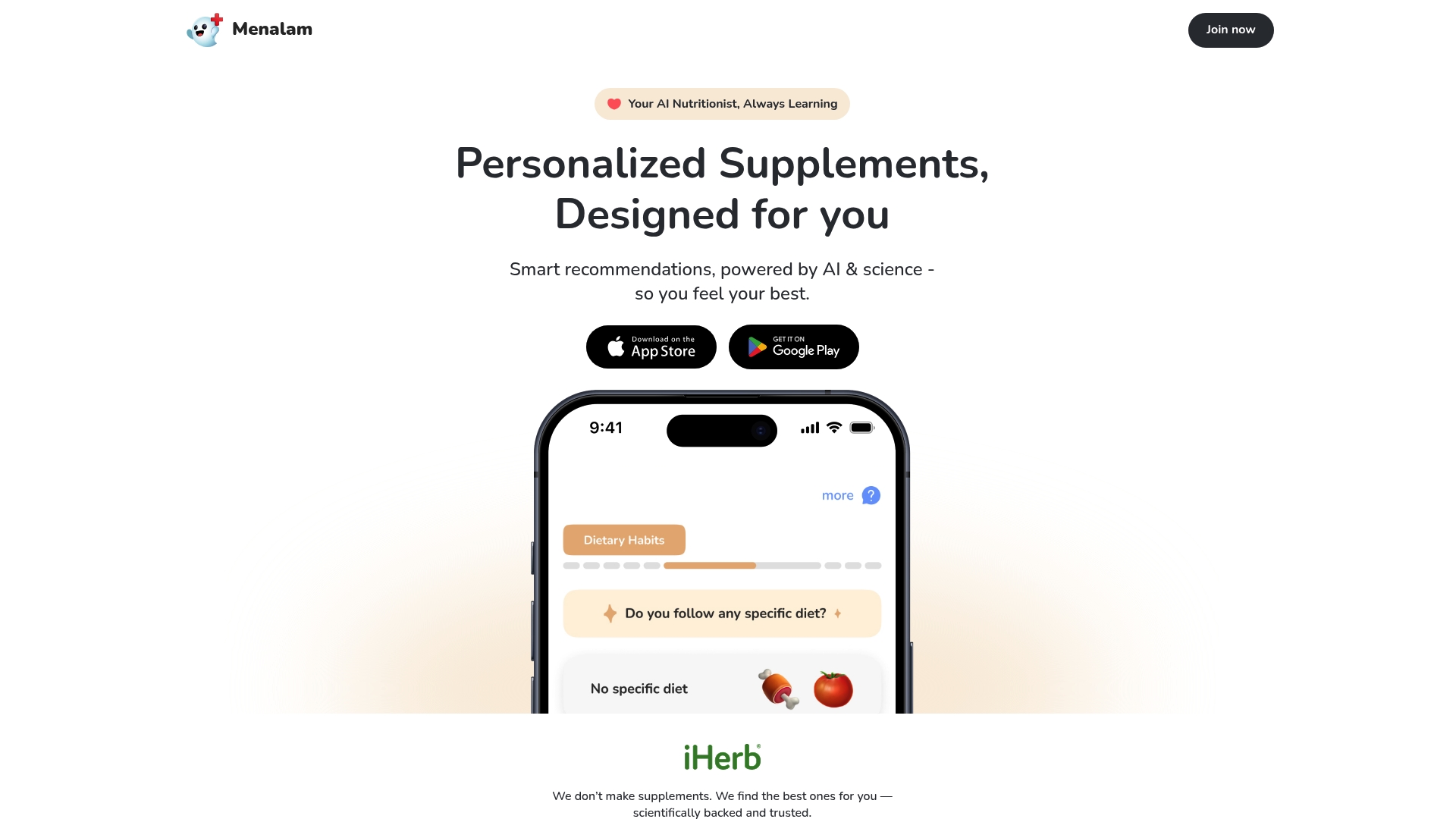
Get ready to transform your health journey. Discover how simple it can be to fill your nutritional gaps and track your progress seamlessly through our engaging mobile app.
Don’t wait—take the first step toward optimizing your wellness today! Visit Menalam now and elevate your supplement experience like never before. Your personalized health journey starts here!
Leave a Reply