

Lifestyle shapes every bite you take and every move you make. Studies show that lifestyle choices can impact up to 80 percent of our overall health outcomes. Surprised? Most people think nutrition is just about eating the right foods and skipping the junk. Turns out, your daily habits, sleep routines, and even your stress levels may have more say in your nutrition than your fridge ever could.
Table of Contents
- What Is Lifestyle and Its Role in Nutrition?
- Why Lifestyle Choices Matter for Nutritional Health
- How Daily Habits Influence Nutritional Outcomes
- Key Factors Linking Lifestyle and Nutrition
- Real-World Implications of Lifestyle on Dietary Choices
Quick Summary
| Takeaway | Explanation |
|---|---|
| Lifestyle impacts nutritional choices directly. | Daily behaviors significantly influence dietary habits and health outcomes. |
| Stress affects nutrient absorption. | Chronic stress can disrupt metabolic functions and reduce the body’s efficiency in absorbing nutrients. |
| Consistent habits shape long-term health. | Regularly maintained healthy routines can enhance metabolic health and overall well-being. |
| Meal timing influences metabolism. | Regular meal timing can help regulate metabolic processes, whereas irregularity can cause hormonal imbalances. |
| Economic factors shape dietary access. | Economic resources and accessibility significantly influence food choices and nutritional options available to individuals. |
What Is Lifestyle and Its Role in Nutrition?
Lifestyle encompasses the collective patterns of behavior, choices, and daily activities that define how individuals live, work, and interact with their environment. In the context of nutrition, lifestyle becomes a critical determinant that significantly influences dietary habits, nutrient intake, and overall health outcomes.
Understanding the Core Components of Lifestyle
Lifestyle is not a monolithic concept but a complex interplay of multiple factors that shape nutritional choices. These components include:
- Work schedules and professional commitments
- Sleep patterns and rest cycles
- Physical activity levels
- Social interactions and cultural practices
- Stress management techniques
- Personal economic circumstances
Each of these elements plays a nuanced role in determining an individual’s nutritional approach. For instance, a high-stress corporate professional might rely more on quick, convenience foods, while someone with a flexible schedule might have more time for meal preparation and balanced nutrition.
The table below compares how different lifestyle components influence nutritional choices and health outcomes, helping clarify their unique roles in shaping dietary patterns.
| Lifestyle Component | Influence on Nutrition | Example Impact |
|---|---|---|
| Work Schedules | Affects meal timing, food access, and energy needs | Shift workers may skip meals or eat irregularly |
| Sleep Patterns | Regulates hunger hormones, affects metabolism | Poor sleep can increase cravings for junk food |
| Physical Activity Levels | Alters caloric requirements and nutrient demand | Athletes require more protein and calories |
| Stress Management | Impacts appetite, absorption, and metabolism | Chronic stress may cause overeating |
| Social/Cultural Practices | Shapes food choices, meal frequency, and dietary traditions | Family meals may encourage balanced eating |
| Economic Circumstances | Determines food selection and nutritional quality | Low income can limit access to fresh produce |
Nutritional Impact of Lifestyle Choices
Lifestyle directly impacts nutrition through multiple interconnected mechanisms. Research from the National Institutes of Health demonstrates that lifestyle factors can significantly alter metabolic processes, nutrient absorption, and overall dietary quality.
Consider how different lifestyle patterns influence nutritional intake. An athlete will have substantially different nutritional requirements compared to a sedentary office worker. Similarly, someone with irregular work hours might struggle to maintain consistent meal times, which can disrupt metabolic rhythms and nutrient utilization.
Crucial lifestyle elements like sleep duration, stress levels, and physical activity interact dynamically with nutritional needs.
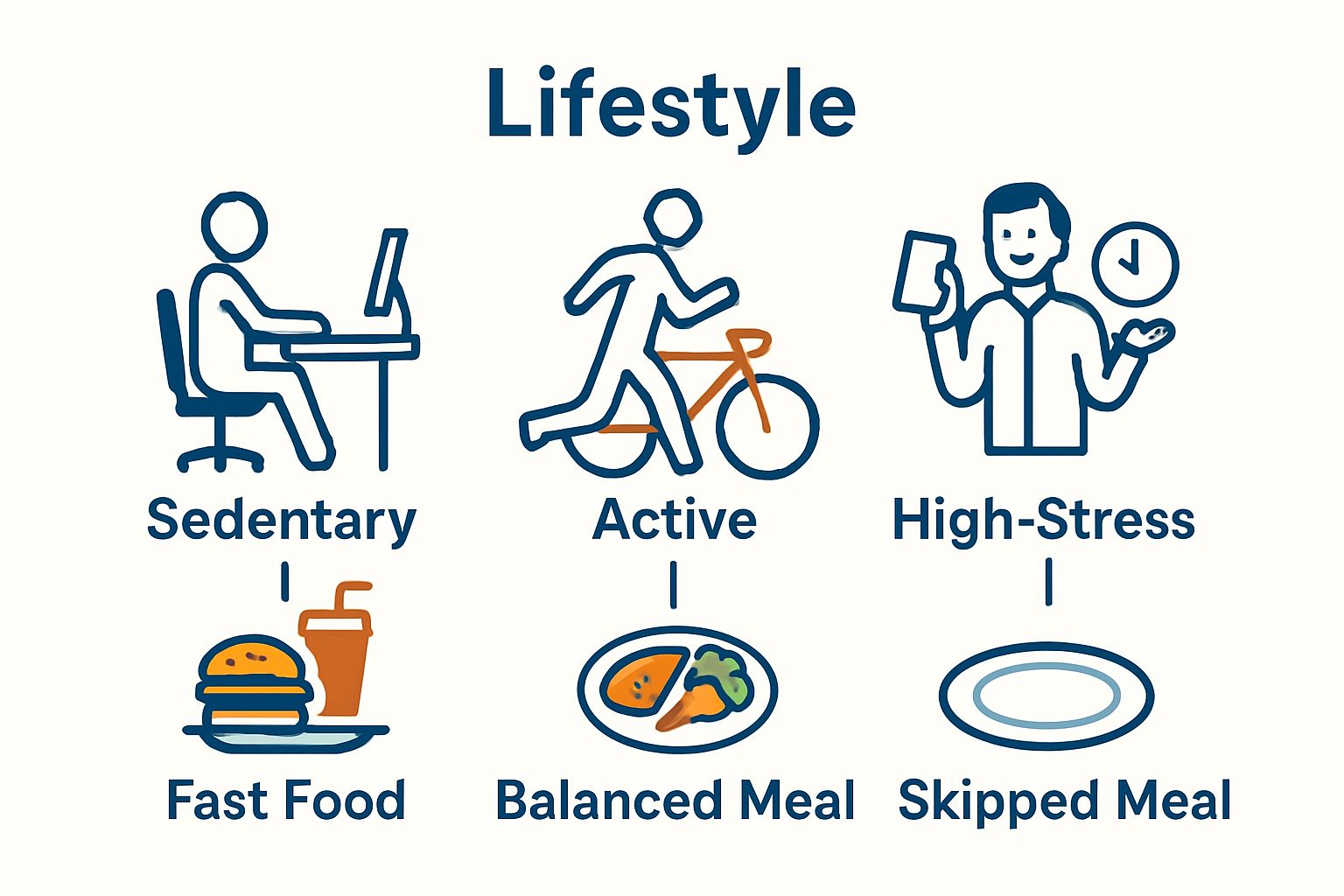 Chronic stress, for example, can increase cortisol levels, potentially leading to altered appetite, reduced nutrient absorption, and changes in metabolic efficiency.
Ultimately, understanding the intricate relationship between lifestyle and nutrition requires a holistic perspective. It is not merely about what one eats, but how one’s entire life pattern supports or challenges optimal nutritional health.
Why Lifestyle Choices Matter for Nutritional Health
Lifestyle choices represent far more than simple daily decisions. They are foundational elements that directly shape our nutritional health, metabolic efficiency, and long-term wellness trajectory. Understanding this profound connection empowers individuals to make informed decisions about their dietary and lifestyle patterns.
The Interconnected Nature of Lifestyle and Nutrition
Nutrition does not exist in isolation. It is deeply intertwined with every aspect of our daily living. Lifestyle choices create a complex ecosystem that either supports or undermines nutritional absorption, metabolic function, and overall health performance. Key interaction points include:
- Energy expenditure and caloric requirements
- Metabolic rate and hormonal balance
- Nutrient absorption and cellular utilization
- Immune system functionality
- Psychological relationship with food
These interconnected systems demonstrate that nutrition is not merely about consuming food, but about creating an integrated approach to personal wellness.
Metabolic and Physiological Consequences
Research from Harvard School of Public Health reveals that consistent lifestyle choices profoundly impact nutritional health. Poor lifestyle patterns can trigger a cascade of metabolic disruptions, including reduced nutrient absorption, compromised immune responses, and increased inflammatory markers.
Consider how different lifestyle components interact. Chronic stress, inadequate sleep, and sedentary behavior can significantly alter hormonal patterns, particularly cortisol and insulin levels. These hormonal shifts directly influence appetite regulation, fat storage, and nutrient metabolism.
Long-Term Health Implications
The cumulative effect of lifestyle choices extends beyond immediate nutritional outcomes. Sustained patterns of behavior create a foundation for long-term health trajectories. Individuals who consistently prioritize balanced nutrition, regular physical activity, stress management, and adequate rest are more likely to maintain optimal metabolic health.

By recognizing lifestyle as a dynamic, interactive system, individuals can develop more holistic approaches to nutrition. This perspective shifts focus from isolated dietary interventions to comprehensive lifestyle strategies that support sustained wellness.
How Daily Habits Influence Nutritional Outcomes
Daily habits represent the microscopic building blocks that collectively shape our nutritional landscape. These seemingly routine behaviors create a cumulative impact on metabolic efficiency, nutrient absorption, and overall physiological performance. Understanding how everyday choices intersect with nutrition provides critical insights into personal health management.
Fundamental Patterns of Nutritional Interaction
Daily habits transform nutrition from an abstract concept into a lived experience. Critical habit domains that directly influence nutritional outcomes include:
- Meal timing and frequency
- Food preparation methods
- Sleep and rest patterns
- Hydration practices
- Stress management techniques
- Physical activity levels
Each of these domains interacts dynamically, creating a complex nutritional ecosystem that extends far beyond simple caloric intake. For instance, consistent meal timing can help regulate metabolic processes, while irregular eating patterns might disrupt hormonal balance and nutrient utilization.
Metabolic Consequences of Routine Behaviors
Research from the National Institutes of Health demonstrates that consistent daily habits profoundly impact nutritional absorption and metabolic efficiency. Repetitive behaviors create neurological and physiological pathways that either support or undermine optimal nutritional health.
Consider how routine actions like late-night eating, irregular sleep schedules, or chronic stress can alter fundamental metabolic processes. These habits can trigger hormonal cascades that influence appetite regulation, nutrient storage, and cellular energy utilization.
Long-Term Nutritional Programming
Daily habits function as a form of nutritional programming, gradually shaping the body’s metabolic responses. Sustained patterns of behavior create neurological and physiological adaptations that become increasingly entrenched over time.
Individuals who develop consistent, health-supportive habits create a positive feedback loop. Balanced nutrition, regular physical activity, adequate hydration, and stress management techniques work synergistically to optimize metabolic function and nutritional outcomes.
Recognizing daily habits as powerful nutritional tools empowers individuals to make intentional, strategic choices that support long-term wellness. By understanding the profound connection between routine behaviors and nutritional health, people can transform their approach from reactive eating to proactive nutritional management.
Key Factors Linking Lifestyle and Nutrition
Nutrition is not a standalone phenomenon but a complex interplay of multiple lifestyle determinants. These interconnected factors create a dynamic ecosystem that profoundly influences dietary choices, metabolic processes, and overall health outcomes.
Socioeconomic and Environmental Influences
Fundamental lifestyle factors that shape nutritional experiences include:
- Economic resources and income levels
- Educational background and nutrition literacy
- Cultural and family food traditions
- Geographic location and food accessibility
- Work environment and schedule complexity
- Social support networks
Each of these elements contributes unique dimensions to an individual’s nutritional landscape. For instance, economic constraints can limit food choices, while education levels can significantly impact understanding of nutritional requirements and healthy eating strategies.
Psychological and Behavioral Determinants
Research from the National Institutes of Health reveals that psychological factors play a critical role in nutrition-related lifestyle choices. Mental health, stress levels, emotional eating patterns, and personal motivations create intricate pathways that directly influence dietary behaviors.
Psychological states like chronic stress can trigger hormonal cascades that alter appetite, metabolism, and nutrient absorption. Emotional relationships with food, developed through personal experiences and cultural conditioning, further complicate the nutritional decision-making process.
Physiological Integration of Lifestyle and Nutrition
Lifestyle factors do not merely influence nutrition superficially. They represent profound physiological programming mechanisms that reshape metabolic responses, cellular functionality, and long-term health trajectories.
Individuals with consistent, health-supportive lifestyle patterns create positive feedback loops. Regular physical activity, balanced stress management, adequate sleep, and mindful eating work synergistically to optimize nutritional absorption, metabolic efficiency, and overall wellness.
Understanding these intricate connections transforms nutrition from a simplistic calories-in-calories-out model to a sophisticated, holistic approach that recognizes the multidimensional nature of human health and well-being.
Real-World Implications of Lifestyle on Dietary Choices
Lifestyle represents a powerful invisible force that shapes dietary behaviors far beyond simple food selection. The complex interplay between daily routines, professional demands, personal circumstances, and nutritional choices creates a nuanced landscape of dietary decision making that extends well beyond individual willpower.
Work and Time Constraint Dynamics
Critical lifestyle factors that directly impact dietary choices include:
- Professional work schedules
- Family and caregiving responsibilities
- Commute duration and transportation methods
- Economic constraints
- Technology and digital engagement levels
- Personal stress management capabilities
These interconnected elements create significant pressure on dietary behaviors. Professionals with demanding jobs might prioritize convenience over nutritional quality, leading to increased reliance on processed and fast foods that can be quickly consumed during limited break times.
Economic and Accessibility Challenges
Research from the National Institutes of Health highlights how urbanization and evolving lifestyle patterns profoundly influence nutritional accessibility. Individuals navigate complex food environments where economic resources, geographical location, and time availability dramatically shape dietary possibilities.
In urban settings, the prevalence of readily available ultra-processed foods creates nutritional landscapes that often prioritize convenience over health. Socioeconomic factors intersect with dietary choices, creating systemic challenges that extend beyond individual decision-making capacities.
Psychological and Behavioral Adaptation
Lifestyle does not merely influence dietary choices. It represents a dynamic system of psychological and behavioral adaptation. Individuals develop intricate coping mechanisms that reflect their unique combination of personal constraints, cultural background, and environmental influences.
Recognizing these complex interactions empowers individuals to develop more intentional nutritional strategies. By understanding how lifestyle components interact, people can design personalized approaches that accommodate their specific circumstances while maintaining nutritional integrity.
This table summarizes the key real-world challenges linking lifestyle and nutrition, offering a clear snapshot of how different daily circumstances affect dietary choices.
| Challenge Area | Real-World Impact on Nutrition | Example |
|---|---|---|
| Work and Time Constraints | Leads to meal skipping or reliance on fast foods | Long commutes leaving little time for meal prep |
| Economic/Accessibility Barriers | Limits healthy food options | Urban food deserts with few affordable produce choices |
| Psychological/Behavioral Adapt. | Influences food choices via stress or emotions | Stress eating or choosing comfort foods under pressure |
| Social and Family Responsibilities | Alters meal timing and composition | Family gatherings influencing portion sizes and choices |
Transforming dietary choices requires a holistic perspective that acknowledges the multifaceted nature of human experience and nutritional decision-making.
Ready to Turn Your Lifestyle Into Lasting Wellness?
If you have ever struggled with tailoring your nutrition to your busy daily routines, the challenges in the article may feel all too real. Irregular work hours, sleep patterns, and stress can disrupt healthy eating, leaving you tired or frustrated with your progress. Menalam understands that lifestyle and nutrition are deeply connected and that a one-size-fits-all plan rarely works. That is why our personalized supplement recommendations use your unique habits, work schedules, and dietary needs to craft a science-backed approach for measurable results every day.
Take control of your nutrition today. Visit Menalam to complete a quick health quiz and discover how our cutting-edge platform transforms your daily habits into a custom health plan. With our personalized supplement tracking tools and ongoing adjustments based on your health data, you get the support you need for lasting wellness. Do not just read about the impact of lifestyle on nutrition—experience real change now.
Frequently Asked Questions
What are the main lifestyle factors that influence nutrition?
Key lifestyle factors include work schedules, sleep patterns, physical activity levels, social interactions, stress management techniques, and economic circumstances. Each of these elements affects dietary habits and overall health outcomes.
How does stress impact nutritional choices?
Chronic stress can alter appetite, reduce nutrient absorption, and disrupt metabolic efficiency. This often leads to unhealthy eating patterns, such as reliance on convenience foods.
Why is meal timing important for nutrition?
Consistent meal timing helps regulate metabolic processes and hormonal balance. Irregular eating patterns can disrupt appetite regulation and nutrient utilization, leading to negative health effects.
How can individuals develop healthier daily habits related to nutrition?
Individuals can foster healthier habits by prioritizing balanced nutrition, engaging in regular physical activity, managing stress effectively, ensuring adequate sleep, and staying hydrated. Establishing routines that support these elements can optimize overall health.
Leave a Reply