

Most people think feeling tired all day is just a normal part of life. People are shocked to learn that even mild dehydration can cause a dramatic drop in energy levels and slow down cell metabolism. It turns out that the way your body turns food, water, and nutrients into energy is much more precise than most imagine and the right choices can flip that switch from sluggish to supercharged.
Table of Contents
- What Is Nutrition For Energy And Why It Matters?
- How Food Choices Influence Energy Levels
- Key Nutrients That Boost Energy Production
- The Role Of Hydration In Sustaining Energy
- Understanding Metabolism And Its Impact On Energy
Quick Summary
| Takeaway | Explanation |
|---|---|
| Balanced nutrition sustains energy levels. | A well-rounded intake of nutrients, including proteins, carbs, and fats, ensures stable energy throughout the day. |
| Hydration is essential for energy production. | Proper hydration supports metabolic processes and facilitates cellular functions crucial for energy generation. |
| Choose low glycemic index foods. | Low GI foods provide steady energy release, preventing sudden spikes and crashes in blood sugar levels. |
| B vitamins are crucial for metabolism. | These vitamins support energy transformation and help convert nutrients into usable energy effectively. |
| Understanding metabolism helps optimize energy. | Knowing how metabolic processes work allows individuals to make informed dietary choices to boost energy efficiency. |
What is Nutrition for Energy and Why It Matters?
Nutrition for energy represents the strategic intake of nutrients that power your body’s metabolic processes, transforming food into sustainable vitality. Understanding this concept goes beyond simply consuming calories it involves comprehending how specific nutrients interact with your physiological systems to generate and maintain optimal energy levels.
The Fundamental Science of Energy Production
At its core, nutrition for energy centers on how macronutrients and micronutrients fuel cellular processes. Metabolic research demonstrates that our bodies convert food into adenosine triphosphate (ATP), the primary energy currency used by cells. This complex biochemical process involves multiple metabolic pathways where carbohydrates, proteins, and fats are systematically broken down and transformed into usable cellular energy.
Key energy production mechanisms include:
- Glycolysis: Converting glucose into pyruvate
- Krebs Cycle: Generating high-energy electron carriers
- Oxidative Phosphorylation: Creating ATP through electron transport chains
Nutrition’s Critical Role in Sustained Vitality
Proper nutrition for energy transcends momentary fuel it establishes a foundation for consistent physiological performance. Balanced nutrient intake supports multiple bodily functions including:
- Maintaining stable blood sugar levels
- Supporting neurological function
- Enhancing metabolic efficiency
- Regulating hormonal balance
- Protecting against oxidative stress
Individuals who prioritize strategic nutrition experience more consistent energy levels, improved cognitive function, and enhanced overall well-being. The quality and composition of your diet directly influence your body’s ability to generate and sustain energy throughout daily activities.
How Food Choices Influence Energy Levels
Food is not merely a source of calories but a complex system of nutrients that directly impacts your body’s energy production, metabolism, and overall performance. Understanding how different food choices interact with your physiological systems can help you make strategic dietary decisions that optimize your energy levels and sustain vitality throughout the day.
The Glycemic Index and Energy Dynamics
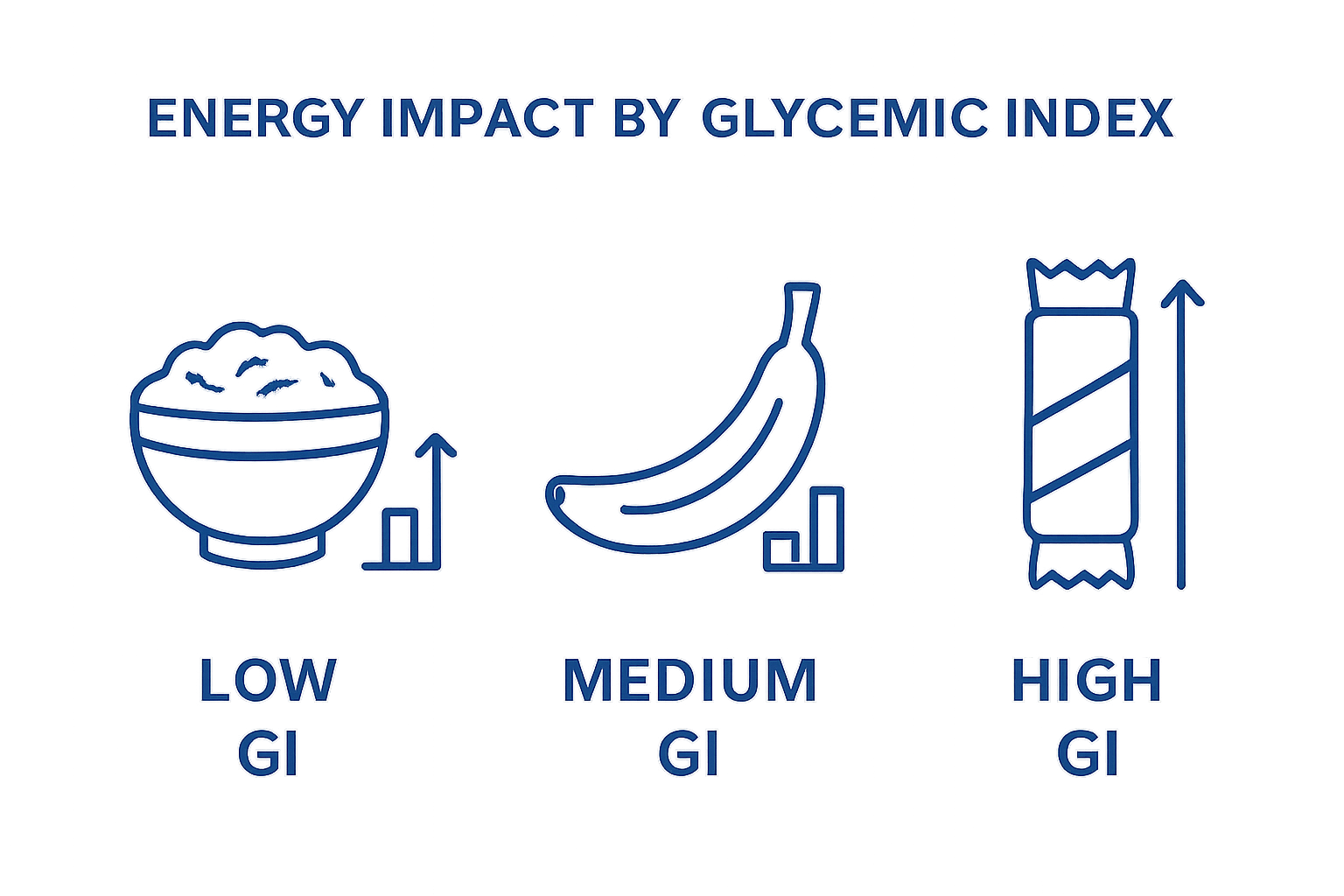
Nutritional science reveals that not all foods metabolize identically. The glycemic index (GI) measures how quickly foods raise blood sugar levels, which significantly influences energy fluctuations. Foods can be categorized into three primary energy impact groups:
- Low GI Foods: Provide steady, sustained energy release
- Medium GI Foods: Offer moderate energy absorption
- High GI Foods: Create rapid energy spikes followed by sudden crashes
Complex carbohydrates like whole grains, legumes, and vegetables typically fall into the low GI category, offering a more stable energy profile compared to simple sugars and processed foods.
Macronutrient Balance and Energy Stability
The strategic combination of macronutrients protein, carbohydrates, and healthy fats plays a crucial role in maintaining consistent energy levels. Protein stabilizes blood sugar, slowing down glucose absorption and preventing sudden energy dips. Healthy fats support prolonged metabolic function, while complex carbohydrates provide the primary fuel for cellular energy production.
Optimal food choices involve creating balanced meals that incorporate diverse nutrient sources. This approach ensures a steady energy supply, prevents metabolic stress, and supports overall physiological efficiency.
Below is a table comparing the three main macronutrients and their unique roles in energy production and stability.
| Macronutrient | Primary Function in Energy | Effect on Energy Levels |
|---|---|---|
| Carbohydrates | Provide immediate fuel for cells | Quick energy, may cause spikes/crashes depending on type |
| Proteins | Aid in blood sugar stabilization | Slow, sustained energy-release, prevents sudden drops |
| Fats | Support prolonged energy metabolism | Provides long-lasting energy, helps maintain satiety |
 By understanding the intricate relationship between nutrition and energy, individuals can transform their dietary habits to achieve more consistent vitality and enhanced performance.
Key Nutrients That Boost Energy Production
Certain nutrients play pivotal roles in transforming food into cellular energy, functioning as critical catalysts in metabolic processes that determine your overall vitality and performance. Understanding these key nutrients provides insights into how targeted nutritional strategies can optimize your body’s energy generation mechanisms.
B Vitamins: The Energy Transformation Specialists
Nutritional research highlights B vitamins as essential micronutrients instrumental in energy metabolism. These water-soluble compounds act as enzymatic cofactors, facilitating critical biochemical reactions that convert consumed nutrients into usable cellular energy. B complex vitamins function as metabolic accelerators, supporting mitochondrial processes and enabling efficient energy extraction from carbohydrates, proteins, and fats.
Key B vitamins critical for energy production include:
- B1 (Thiamine): Supports glucose metabolism
- B2 (Riboflavin): Facilitates fat and protein breakdown
- B3 (Niacin): Enables electron transport in energy cycles
- B6: Assists protein and amino acid metabolism
- B12: Supports red blood cell formation and neurological function
Minerals and Trace Elements in Energy Synthesis
Beyond vitamins, specific minerals play crucial roles in energy production. Magnesium, for instance, serves as a fundamental cofactor in ATP generation, while iron enables oxygen transportation essential for cellular respiration. Trace minerals like zinc and selenium support enzymatic reactions that convert nutritional substrates into energy.
The intricate interplay of these nutrients demonstrates that energy production is not merely about consuming calories, but strategically providing the body with precise molecular components required for efficient metabolic functioning.
This table summarizes the roles of key minerals and trace elements discussed in the context of energy production.
| Mineral/Trace Element | Major Role in Energy Production | Specific Function |
|---|---|---|
| Magnesium | Cofactor in ATP generation | Essential for hundreds of enzymatic reactions, including energy synthesis |
| Iron | Enables oxygen transport for cellular respiration | Critical component of hemoglobin, supports ATP production |
| Zinc | Supports enzymatic reactions in metabolism | Facilitates breakdown of nutrients into energy |
| Selenium | Assists energy-related enzymatic processes | Helps prevent oxidative damage during metabolism |
The Role of Hydration in Sustaining Energy
Hydration represents a fundamental yet often overlooked component in maintaining optimal energy levels. Water is not merely a passive substance but an active participant in numerous physiological processes that directly influence metabolic efficiency, cellular function, and overall vitality.
Water as a Cellular Energy Facilitator
Scientific research demonstrates that proper hydration is crucial for sustaining energy production and metabolic performance. Water serves as a critical medium for biochemical reactions, enabling nutrient transportation, temperature regulation, and cellular waste removal. Cellular metabolism depends intrinsically on adequate hydration, with even mild dehydration potentially disrupting fundamental energy generation mechanisms.
Key physiological functions supported by optimal hydration include:
- Facilitating nutrient absorption in the digestive system
- Supporting efficient mitochondrial energy production
- Maintaining electrolyte balance
- Regulating body temperature
- Promoting cellular communication
Dehydration and Its Impact on Energy Metabolism
When the body experiences insufficient water intake, metabolic processes become compromised. Dehydration triggers a cascade of physiological stress responses that can dramatically reduce energy levels. As cellular water content decreases, enzymatic reactions slow down, mitochondrial efficiency declines, and the body must expend additional energy to compensate for reduced liquid volume.
The complex relationship between hydration and energy underscores the importance of consistent water intake. Individuals seeking to optimize their metabolic performance must view water not as a supplementary element but as a fundamental substrate essential for maintaining physiological momentum and sustaining consistent energy levels throughout daily activities.
Understanding Metabolism and Its Impact on Energy
Metabolism represents the complex network of chemical transformations that convert consumed nutrients into energy, driving every physiological process within the human body. Far more than a simple biological mechanism, metabolism serves as the fundamental engine powering cellular function, determining how efficiently our bodies generate, store, and utilize energy.
The Biochemical Foundations of Metabolic Processes
Endocrine research reveals metabolism as a dynamic system comprising two primary biochemical pathways: catabolism and anabolism. Catabolism breaks down complex molecules to release energy, while anabolism constructs essential cellular compounds. These interconnected processes work continuously to maintain physiological equilibrium, transforming nutrients into ATP the universal energy currency of cellular systems.
Key metabolic characteristics include:
- Conversion of carbohydrates, proteins, and fats into usable energy
- Regulation of hormonal signals controlling energy expenditure
- Maintenance of cellular repair and regeneration processes
- Management of body temperature and thermal homeostasis
- Coordination of nutrient storage and utilization
Factors Influencing Metabolic Efficiency
Multiple physiological and lifestyle factors significantly impact metabolic performance. Genetic predisposition, age, muscle mass, and hormonal balance play crucial roles in determining an individual’s metabolic rate. Factors such as consistent physical activity, adequate sleep, stress management, and balanced nutrition can optimize metabolic function, enhancing overall energy production and utilization.
Understanding metabolism transcends biological complexity it provides a roadmap for comprehending how nutritional choices, lifestyle habits, and individual physiological characteristics collectively determine our body’s energy generation potential. By recognizing metabolism as a dynamic, adaptable system, individuals can make informed decisions to support their metabolic health and sustain optimal energy levels.

Unlock Lasting Energy With Personalized Nutrition Solutions
You have learned that nutrition for energy is more than counting calories. It is about choosing the right nutrients, achieving metabolic balance, and fueling your body to perform at its best. If you ever feel frustrated by sudden energy crashes, difficulty maintaining focus, or confusion about which supplements actually work for your needs, you are not alone. As the article explained, everyone is unique, and your metabolism, hydration, and nutrient needs require more than a one-size-fits-all approach.

Ready to transform what you just learned into real changes? Try Menalam’s personalized supplement and nutrition plans, where you get science-backed recommendations tailored to your body and lifestyle. Take our quick health quiz to discover the optimal vitamins and nutrients for your energy needs. Track progress and receive ongoing guidance with our easy-to-use mobile app. Why wait to feel your best? Visit Menalam now and get started on your path to more vibrant, consistent energy—backed by data, expertise, and true personalization.
Frequently Asked Questions
What is nutrition for energy?
Nutrition for energy refers to the intake of nutrients that your body uses to produce energy, focusing on how macronutrients and micronutrients interact to power metabolic processes.
How do macronutrients influence energy levels?
Macronutrients—carbohydrates, proteins, and fats—play critical roles in energy production. Carbohydrates provide immediate energy, proteins help stabilize blood sugar, and healthy fats support prolonged metabolic function.
What role do B vitamins play in energy production?
B vitamins are essential micronutrients that act as cofactors in metabolic reactions, helping convert nutrients into usable energy. They support mitochondrial function and energy extraction from food.
How does hydration impact energy levels?
Proper hydration is crucial for maintaining energy levels as water facilitates biochemical reactions, nutrient transport, and temperature regulation. Even mild dehydration can disrupt energy production and metabolic efficiency.
Leave a Reply