

Most people think taking a daily multivitamin guarantees all the nutrients your body needs. Yet even if you pop that supplement every morning, research shows that absorption rates can vary dramatically depending on your health, age, and even what you eat with your vitamins. The real surprise is this—your body might be missing out on all those benefits unless you know how vitamin absorption actually works.
Table of Contents
- What Is Vitamin Absorption And Its Importance?
- Why Vitamin Absorption Matters For Health
- How The Body Absorbs Vitamins: The Process
- Key Factors Affecting Vitamin Absorption
- Real-World Implications Of Vitamin Absorption
Quick Summary
| Takeaway | Explanation |
|---|---|
| Effective absorption is vital for health. | Proper vitamin absorption influences numerous physiological functions, directly impacting overall wellness and nutrient utilization. |
| Individual factors affect absorption efficiency. | Age, health conditions, and genetic factors play crucial roles in how well vitamins are absorbed and utilized. |
| Vitamin absorption impacts metabolic processes. | Efficient absorption is essential for energy production, immune function, and cellular repair. |
| Poor absorption can lead to serious health issues. | Ineffective nutrient uptake can cause symptoms like fatigue, immune deficiencies, and chronic conditions. |
| Personalized nutrition enhances absorption. | Tailoring nutritional strategies to individual absorption capabilities can optimize nutrient intake and health outcomes. |
What is Vitamin Absorption and Its Importance?
Vitamin absorption represents a critical biological mechanism where nutrients from food and supplements transition from the digestive system into the bloodstream, enabling cellular utilization and supporting overall health. Research from the National Institutes of Health highlights that this complex process determines how effectively our body can access and use essential micronutrients.
Understanding the Absorption Mechanism
The human body absorbs vitamins through specialized cellular structures located primarily in the small intestine. These intricate mechanisms involve several key steps that transform dietary nutrients into usable cellular resources. Absorption efficiency varies significantly depending on multiple factors including vitamin type, individual metabolic processes, and overall digestive health.
The absorption process typically follows a structured pathway:
- Vitamins are released from food during digestion
- Nutrients are broken down into molecular forms
- Specialized intestinal cells transport vitamins across membrane barriers
- Vitamins enter the bloodstream for distribution throughout the body
Importance of Optimal Vitamin Absorption
Proper vitamin absorption determines more than just nutrient intake it fundamentally influences numerous physiological functions. Without effective absorption, even consuming high quantities of vitamins will not guarantee cellular nourishment. Nutritional science research demonstrates that impaired absorption can lead to significant health complications, including weakened immune response, metabolic disruptions, and potential long term deficiency syndromes.
Factors influencing vitamin absorption include age, existing health conditions, medication interactions, and individual genetic variations. Understanding these nuanced elements helps individuals optimize their nutritional strategies and recognize potential absorption challenges before they become significant health concerns.

Why Vitamin Absorption Matters for Health
Vitamin absorption transcends mere nutrient intake and plays a fundamental role in maintaining comprehensive physiological wellness. Medical research from the National Institutes of Health reveals that proper nutrient absorption is crucial for preventing systemic health complications and supporting optimal bodily functions.
The Impact on Metabolic Processes
Effective vitamin absorption directly influences metabolic efficiency, determining how successfully the body converts nutrients into energy and supporting critical cellular operations. Metabolic pathways depend entirely on precise vitamin utilization, with each micronutrient serving specialized roles in enzyme production, hormone regulation, and cellular repair mechanisms.
Key metabolic functions supported by proper vitamin absorption include:
- Energy production and cellular metabolism
- Immune system regulation
- Neurological signal transmission
- Protein synthesis and cellular regeneration
Long Term Health Consequences of Poor Absorption
Inadequate vitamin absorption can trigger cascading health challenges that extend far beyond immediate nutritional deficiencies. Compromised absorption mechanisms may lead to chronic conditions affecting multiple physiological systems. Persistent malabsorption can result in significant health deterioration, potentially manifesting through complex symptoms such as:
- Persistent fatigue and weakness
- Compromised immune response
- Neurological disruptions
- Impaired wound healing
- Increased susceptibility to infections
Personalized Nutritional Strategies
Recognizing individual absorption variations becomes essential in developing targeted nutritional interventions. Factors such as genetic predispositions, age, underlying health conditions, and medication interactions significantly influence how efficiently the body processes and utilizes vitamins. Nutritional science experts emphasize the importance of personalized approaches that consider unique metabolic profiles to optimize nutrient absorption and overall health outcomes.
How the Body Absorbs Vitamins: The Process
Vitamin absorption represents a sophisticated biochemical journey that transforms dietary nutrients into cellular fuel through intricate physiological mechanisms. Research from the National Institutes of Health reveals the complexity of this critical nutritional pathway, highlighting how different vitamin types require unique absorption strategies.
Digestive System Preparation
The absorption process begins in the digestive tract, where complex biochemical interactions break down food into fundamental nutrient components. Digestive enzymes and stomach acids play a crucial role in preparing vitamins for cellular uptake, initiating the transformation of dietary sources into bioavailable micronutrients.
Key preparatory steps include:
- Chemical breakdown of food molecules
- Separation of vitamins from other nutritional components
- Activation of vitamin precursors
- Creation of molecular structures ready for absorption
Absorption Mechanisms for Different Vitamin Types
Vitamins follow distinct absorption pathways based on their molecular characteristics.
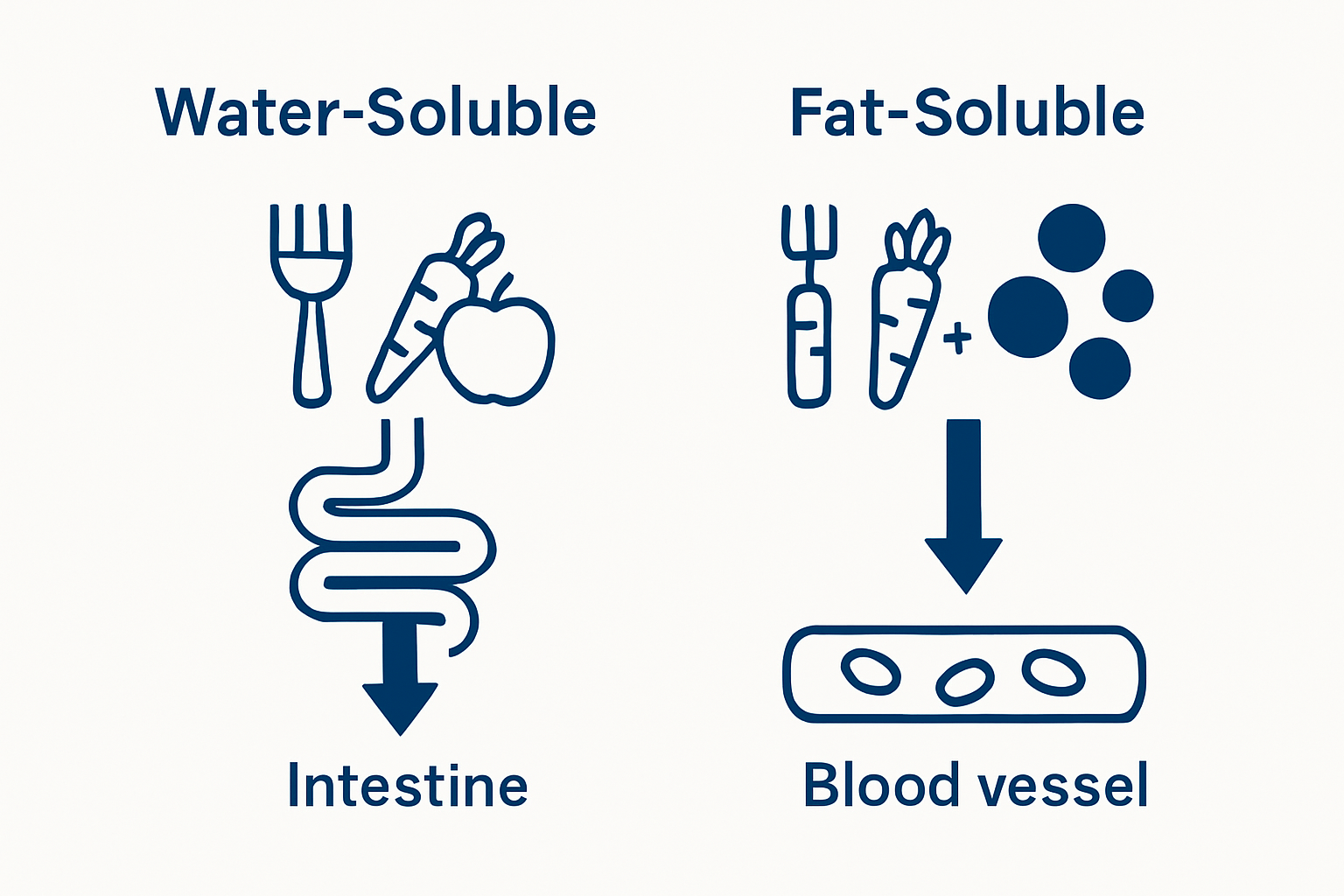
To clarify the pathways and mechanisms involved, the following table compares the absorption and transport of water-soluble versus fat-soluble vitamins in the human body.
| Vitamin Type | Absorption Location | Requires Dietary Fats? | Primary Transport Pathway | Example Vitamins |
|---|---|---|---|---|
| Water-Soluble | Small intestine (intestinal wall) | No | Bloodstream | B-complex, Vitamin C |
| Fat-Soluble | Small intestine (with bile) | Yes | Lymphatic system | Vitamins A, D, E, K |
Absorption variations include:
- Direct bloodstream entry for water-soluble vitamins
- Lymphatic system transport for fat-soluble vitamins
- Carrier protein assistance in cellular transfer
- Specific receptor interactions within intestinal cells
Cellular Utilization and Distribution
Once absorbed, vitamins embark on a complex journey through the bloodstream, ultimately reaching targeted cells and tissues. Specialized transport proteins and metabolic pathways ensure precise delivery and utilization of these essential micronutrients. Nutritional research demonstrates that this final stage of absorption is as critical as the initial digestive processes, determining the ultimate effectiveness of nutritional intake.
Key Factors Affecting Vitamin Absorption
Vitamin absorption represents a complex physiological process influenced by numerous internal and external variables that can dramatically impact nutritional effectiveness. Medical research from the National Institutes of Health highlights the intricate interplay of factors determining how efficiently the human body processes and utilizes essential micronutrients.
Physiological and Health Conditions
Individual health status significantly modulates vitamin absorption capabilities, with certain medical conditions creating substantial barriers to effective nutrient uptake. Gastrointestinal disorders, chronic inflammatory conditions, and metabolic irregularities can fundamentally alter the body’s ability to extract and process vitamins from dietary sources.
Health conditions impacting absorption include:
- Celiac disease
- Inflammatory bowel disorders
- Chronic pancreatic insufficiency
- Autoimmune digestive syndromes
- Genetic metabolic variations
Dietary and Nutritional Interactions
The surrounding nutritional environment plays a critical role in determining vitamin absorption efficiency. Nutrient interactions can either enhance or inhibit the body’s capacity to process micronutrients, creating a complex biochemical landscape where different compounds compete or collaborate during absorption processes.
Key nutritional interaction factors include:
- Presence of dietary fats for fat-soluble vitamin absorption
- Mineral interactions that may block or facilitate vitamin uptake
- Complementary nutrient combinations
- Timing and composition of meal consumption
- Individual metabolic processing capabilities
Lifestyle and External Influences
External factors beyond immediate physiological conditions can substantially impact vitamin absorption mechanisms.
This table summarizes key physiological, dietary, and lifestyle factors that can impact how effectively the body absorbs vitamins, as described in the article.
| Factor Type | Specific Examples | Effect on Absorption |
|---|---|---|
| Physiological/Health | Celiac disease, bowel disorders, genetics | May decrease absorption efficiency |
| Dietary/Nutritional | Dietary fats, mineral interactions | Can enhance or inhibit absorption |
| Lifestyle/External | Age, medications, stress, meal timing | Modulates absorption effectiveness |
Real-World Implications of Vitamin Absorption
Vitamin absorption extends far beyond theoretical nutritional science, directly impacting human health outcomes, performance capabilities, and long-term physiological resilience. Clinical research from Johns Hopkins Medicine demonstrates the profound real-world consequences of effective or compromised nutrient uptake.
Performance and Energy Dynamics
Optimal vitamin absorption fundamentally determines an individual’s metabolic efficiency and energy production, translating complex biochemical processes into tangible physical performance. Efficient nutrient uptake influences everything from cognitive function to muscular endurance, creating a direct connection between cellular nutrition and overall functional capacity.
Key performance areas affected by vitamin absorption include:
- Mental clarity and cognitive processing
- Physical stamina and endurance
- Immune system responsiveness
- Muscular recovery and strength
- Hormonal balance and regulation
Health Prevention and Longevity
Comprehensive vitamin absorption plays a critical role in preventative health strategies, acting as a foundational mechanism for mitigating potential chronic disease risks. Consistent, effective nutrient uptake supports cellular repair mechanisms, reduces inflammatory responses, and helps maintain robust physiological defense systems.
Potential long-term health benefits include:
- Reduced risk of cardiovascular diseases
- Enhanced neurological protection
- Improved metabolic function
- Stronger immune system resilience
- More effective cellular regeneration
Individual Variability and Personalized Nutrition
Recognizing that vitamin absorption is not a uniform process highlights the importance of personalized nutritional approaches. Nutritional genomics research emphasizes that genetic variations, lifestyle factors, and individual metabolic profiles create unique absorption landscapes, requiring tailored strategies for optimal nutritional integration.
Take Control of Your Vitamin Absorption Journey
Have you ever wondered why you still experience fatigue or low immunity even when you eat well? As highlighted in our article, absorption efficiency—not just intake—plays a major role in whether your body truly benefits from vitamins. The process depends on many factors, from digestive health to genetic differences. If you want to move beyond guesswork and make sure your body absorbs the nutrients it needs, it’s time for a new approach tailored just for you.
Let Menalam be your personal nutritionist. Using advanced artificial intelligence, Menalam creates personalized supplement plans based on your unique health profile, lifestyle, and dietary needs. Get smart supplement recommendations, seamless health tracking, and ongoing adjustments—all backed by science and real-time data. Take the first step toward better absorption and improved well-being today at Menalam. Complete our quick health quiz and discover what your body truly needs—make each vitamin count right now.
Frequently Asked Questions
What is vitamin absorption, and why is it important?
Vitamin absorption is the process by which the body takes in vitamins from food and supplements and utilizes them for various physiological functions. Proper vitamin absorption is crucial for maintaining health, supporting immune function, metabolizing energy, and facilitating cellular repair.
How do different types of vitamins absorb in the body?
Vitamins are absorption varies based on their solubility. Water-soluble vitamins (e.g., B and C) are absorbed directly into the bloodstream through the intestinal walls, while fat-soluble vitamins (A, D, E, and K) require dietary fats and bile for absorption and are absorbed through the lymphatic system.
What factors affect vitamin absorption?
Various factors influence vitamin absorption, including individual health conditions (like gastrointestinal disorders), medications, dietary fat intake, and the presence of other nutrients. Age and genetic variations can also play a vital role in absorption efficiency.
How can I improve my vitamin absorption?
To enhance vitamin absorption, focus on consuming well-balanced meals that include healthy fats for fat-soluble vitamins, avoid excessive mineral interactions that can inhibit uptake, and consider your overall digestive health. Personalized nutrition strategies may also help optimize your absorption based on individual needs.
Leave a Reply