

Everyone talks about eating healthy and getting enough vitamins, but most people have no idea what their bodies actually need each day. Here is the surprise: over 90 percent of Americans do not meet daily recommendations for key nutrients like vitamin D or E, according to the National Institutes of Health. You might think following the latest diet trends or popping a multivitamin is all it takes, but daily vitamin needs are more complex and personal than you might expect.
Table of Contents
- What Are Daily Vitamin Needs?
- Why Daily Vitamins Matter For Your Health
- How Vitamins Function In The Body
- Key Concepts Of Vitamin Types And Sources
- Personalizing Your Vitamin Intake
Quick Summary
| Takeaway | Explanation |
|---|---|
| Understand your unique vitamin needs. | Daily vitamin requirements vary by age, gender, health, and lifestyle factors. Personalized assessments can help define these needs. |
| Prioritize whole foods for vitamin intake. | Whole foods offer superior nutrient absorption compared to supplements. A diverse diet enhances overall vitamin intake. |
| Monitor for vitamin deficiencies. | Regular screenings and blood tests can identify deficiencies, allowing for tailored dietary or supplemental interventions. |
| Recognize the importance of vitamin roles. | Vitamins support various bodily functions, from immune response to energy production, highlighting their essential nature for health. |
| Consult professionals for personalized plans. | Seeking guidance from healthcare providers can help develop individualized vitamin strategies that fit your unique health profile. |
What Are Daily Vitamin Needs?
Daily vitamin needs represent the essential micronutrients our bodies require to function optimally, maintain health, and support critical physiological processes. These nutrients are crucial components of a balanced diet that enable cellular metabolism, immune function, and overall wellness.
Understanding Nutritional Foundations
Vitamins are organic compounds that our bodies cannot typically produce in sufficient quantities. According to the National Institutes of Health, humans must obtain these micronutrients through diet or supplementation to prevent deficiencies and support metabolic functions.
The human body requires a complex array of vitamins, each serving unique roles in maintaining physiological balance. Some key functions include:
- Supporting immune system responses
- Facilitating energy production
- Promoting cellular repair and growth
- Regulating hormonal processes
- Enabling neurological functions
Individual Vitamin Requirements
Daily vitamin needs vary significantly based on multiple factors such as age, gender, health status, and lifestyle. Research from Harvard Medical School indicates that individual nutritional requirements are not one-size-fits-all. Factors influencing daily vitamin needs include:
- Metabolic rate
- Physical activity levels
- Existing medical conditions
- Dietary restrictions
- Genetic predispositions
Understanding and meeting your specific daily vitamin needs is a personalized journey that requires careful assessment and potentially professional nutritional guidance.
The following table outlines several major factors that influence how much of each vitamin a person needs daily, helping to better understand the importance of individual assessment.
| Factor | Impact on Vitamin Needs |
|---|---|
| Age | Alters requirements due to growth, aging, or developmental stages |
| Gender | Influences needs based on hormonal and physiological differences |
| Health Status | Chronic illnesses or conditions can increase specific needs |
| Physical Activity Level | Higher exertion can raise demands for certain vitamins |
| Dietary Restrictions | Limits sources, potentially increasing risk of deficiency |
| Genetic Predispositions | Affects absorption, metabolism, or utilization of vitamins |
| Recognizing that each person’s nutritional landscape is unique helps individuals make more informed decisions about their dietary intake and potential supplementation strategies. |
Why Daily Vitamins Matter for Your Health
Vitamins play a critical role in maintaining human health, functioning as essential biochemical catalysts that enable numerous physiological processes. Without adequate daily vitamin intake, individuals risk compromising their body’s fundamental systems and overall wellness.
Preventing Disease and Supporting Bodily Functions
According to the National Institutes of Health, maintaining proper vitamin levels is fundamental to preventing deficiency-related diseases and supporting critical bodily functions. Vitamins act as powerful micronutrients that help protect against various health complications and support systemic performance.
Key protective functions of consistent vitamin intake include:
- Strengthening immune system responses
- Reducing inflammation
- Supporting cellular regeneration
- Protecting against chronic disease development
- Maintaining optimal metabolic processes
Long-Term Health Implications
Consistent daily vitamin intake goes beyond immediate wellness, establishing a foundation for long-term health resilience. Research from Harvard Medical School demonstrates that strategic vitamin consumption can significantly impact age-related health trajectories.
Vitamin deficiencies can lead to profound health challenges such as:
- Decreased cognitive function
- Weakened bone density
- Compromised cardiovascular health
- Reduced muscle strength
- Impaired wound healing
Proactively managing daily vitamin needs represents an investment in personal health, enabling individuals to mitigate potential future medical complications and maintain optimal physiological performance throughout their lifetime.
How Vitamins Function in the Body
Vitamins are intricate biochemical compounds that serve as essential catalysts and regulators within human physiological systems. They operate as critical molecular messengers, enabling complex cellular processes and maintaining comprehensive bodily functions through precise biochemical interactions.
Cellular Communication and Energy Production
According to Harvard Medical School, vitamins function as coenzymes and cofactors, facilitating critical enzymatic reactions that transform nutrients into usable energy. These micronutrients act like specialized keys, unlocking metabolic pathways and enabling cellular communication and transformation.
Key mechanisms of vitamin functionality include:
- Acting as metabolic regulators
- Facilitating protein synthesis
- Supporting enzyme activation
- Enabling cellular signaling
- Protecting against oxidative stress
Biochemical Transformation and Systemic Regulation
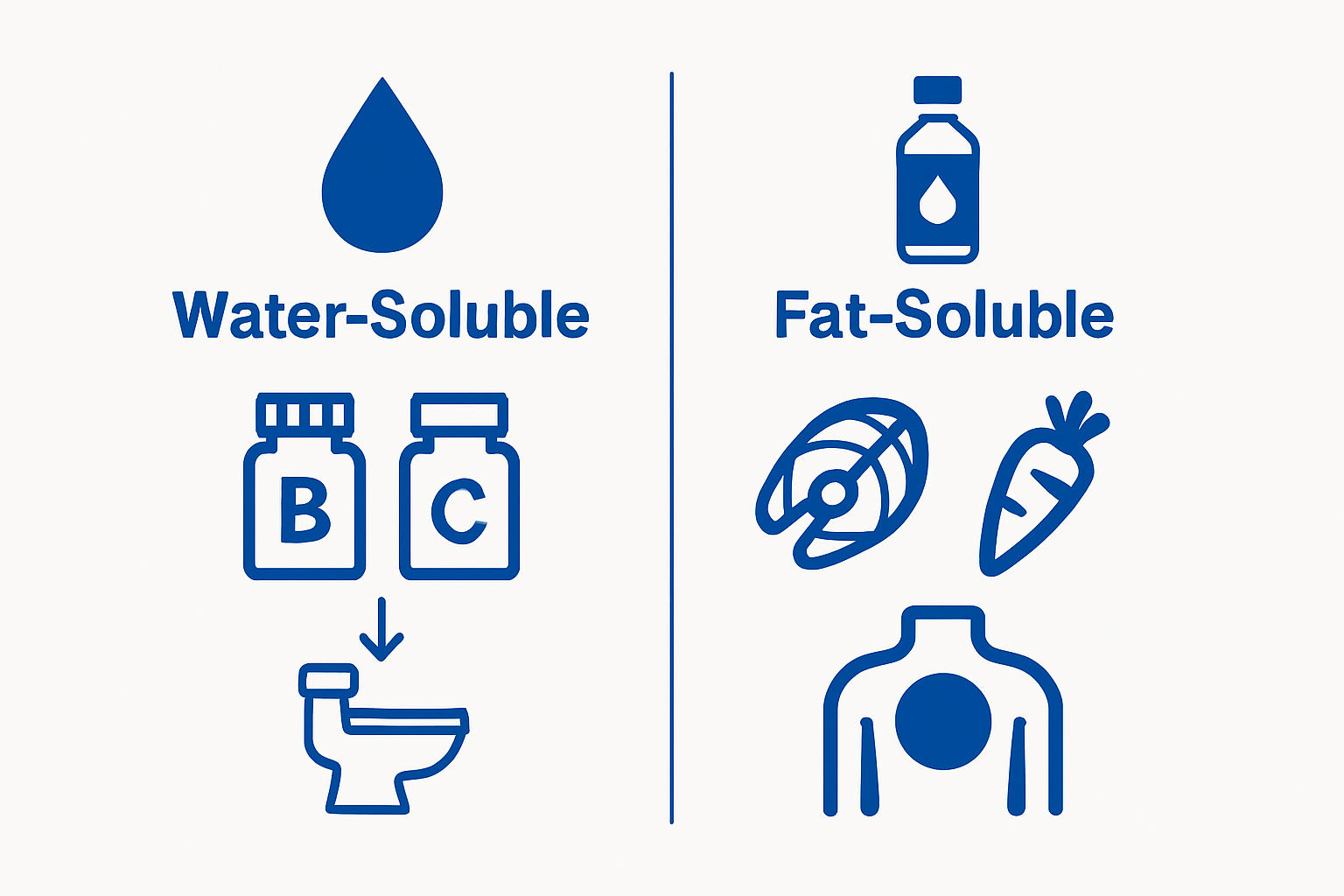
Different vitamin classes perform unique roles within human physiology. Water-soluble vitamins like B and C circulate through bodily fluids and require regular replenishment, while fat-soluble vitamins such as A, D, E, and K can be stored in adipose tissues for extended periods.
Important vitamin transformation processes involve:
- Converting nutrients into energy
- Supporting hormone production
- Regulating genetic expression
- Maintaining neurological function
- Synthesizing critical cellular compounds
These biochemical interactions demonstrate how vitamins are far more than simple nutritional components. They represent sophisticated molecular architects that design, regulate, and maintain the intricate biological infrastructure supporting human health and survival.
Key Concepts of Vitamin Types and Sources
Vitamins represent a complex family of essential nutrients with diverse origins, classifications, and physiological roles. Understanding the nuanced landscape of vitamin types and sources enables individuals to make informed dietary choices and optimize nutritional intake.
Categorizing Vitamin Classifications
According to the National Institutes of Health, vitamins are fundamentally categorized into two primary groups: water-soluble and fat-soluble vitamins, each with distinct metabolic characteristics and storage mechanisms.
Key differences between these vitamin classifications include:
Below is a comparison table detailing the primary differences between water-soluble and fat-soluble vitamins, summarizing their absorption, storage, and excretion characteristics.
| Vitamin Type | Absorption | Storage in Body | Risk of Accumulation | Excretion |
|---|---|---|---|---|
| Water-Soluble | Absorbed directly into bloodstream | Minimal (not stored extensively) | Low | Excreted in urine |
| Fat-Soluble | Absorbed with dietary fat | Stored in liver and fat tissues | Higher (can accumulate) | Not readily excreted |
- Absorption and transportation methods
- Storage duration in human body
- Potential for accumulation
- Excretion processes
- Interactions with other nutrients
Comprehensive Dietary Sources
Nutrient-rich foods serve as primary sources of essential vitamins, with diverse food groups offering unique nutritional profiles. Whole foods provide superior vitamin absorption compared to synthetic supplements, emphasizing the importance of dietary diversity.
Primary vitamin source categories encompass:
- Fresh fruits and vegetables
- Lean proteins
- Whole grains
- Dairy and dairy alternatives
- Nuts and seeds
The human body requires a strategic combination of these vitamin sources to maintain optimal physiological functioning.
 While dietary intake remains the most natural approach, some individuals might require targeted supplementation based on specific health conditions, dietary restrictions, or metabolic needs. Understanding individual nutritional requirements helps create personalized strategies for maintaining comprehensive vitamin intake and supporting overall wellness.
Personalizing Your Vitamin Intake
Personalizing vitamin intake represents a sophisticated approach to nutrition that recognizes individual biochemical diversity and unique physiological requirements. Rather than relying on generic recommendations, personalized vitamin strategies consider multiple complex factors to optimize individual health outcomes.
Comprehensive Individual Assessment
According to the National Institutes of Health, effective vitamin personalization involves analyzing several critical physiological and lifestyle dimensions. These comprehensive assessments help create targeted nutritional interventions that address specific health needs and potential deficiency risks.
Key factors influencing personalized vitamin requirements include:
- Genetic predispositions
- Metabolic functioning
- Existing health conditions
- Dietary patterns
- Stress levels and environmental exposures
Tailoring Nutritional Strategies
Customizing vitamin intake goes beyond basic supplementation, involving strategic approaches that align with individual biochemical profiles. This nuanced methodology requires understanding how personal characteristics interact with nutritional needs.
Important considerations for personalized vitamin planning involve:
- Conducting comprehensive health screenings
- Analyzing blood nutrient levels
- Evaluating lifestyle and dietary habits
- Consulting healthcare professionals
- Monitoring ongoing nutritional responses
Effective personalization transforms vitamin intake from a generic approach to a precision-driven strategy. By recognizing each individual’s unique biochemical landscape, people can develop targeted nutritional plans that support optimal health, prevent potential deficiencies, and enhance overall physiological performance.
Ready to Personalize Your Vitamin Journey?
Are you overwhelmed by the complexities of daily vitamin needs and the struggle to figure out which nutrients your body really requires? The article explained how vitamins work at a cellular level and how individual needs vary based on genetics, health, and lifestyle. But generic advice often fails to address your unique requirements, leaving you at risk for unwanted deficiencies and health setbacks. What if you could finally take control and bridge the gap between information and real-life results?

Discover a smarter way forward with Menalam. Our platform uses artificial intelligence to turn your health profile into a fully personalized supplement plan—no more guesswork. By completing a quick health quiz, Menalam identifies your specific vitamin needs, tracks your daily progress, and adapts as your life changes. Let science and technology support your wellness. Visit Menalam now and see how tailored recommendations can transform your health goals into real achievements. Take the quiz today and experience what it means to have your own digital nutritionist.
Frequently Asked Questions
What are daily vitamin needs?
Daily vitamin needs refer to the essential micronutrients that our bodies require to function optimally, maintain health, and support critical physiological processes. These vitamins can be obtained through diet or supplementation.
How do individual factors influence daily vitamin requirements?
Individual factors such as age, gender, health status, physical activity levels, and dietary restrictions significantly affect daily vitamin requirements, making it essential for personal assessments to determine specific needs.
Why are daily vitamins important for long-term health?
Daily vitamins play a crucial role in preventing deficiency-related diseases, supporting immune function, reducing inflammation, and maintaining overall health. They also contribute to long-term health resilience and can mitigate potential future medical complications.
What are the differences between water-soluble and fat-soluble vitamins?
Water-soluble vitamins, such as B and C, require regular replenishment and are easily excreted, while fat-soluble vitamins (A, D, E, and K) can be stored in the body’s fatty tissues for longer periods. This affects how they are absorbed, utilized, and potentially accumulated in the body.
Leave a Reply