

Millions of Americans pop dietary supplements every day, hoping for better energy or stronger immunity. Most people do not realize that nearly 60 percent of US adults take at least one dietary supplement regularly. That sounds like everyone is safely covered, right? Actually, choosing the wrong supplement or using it carelessly can do more harm than good and the rules around quality are not what most people expect.
Table of Contents
- What Are Dietary Supplements And Why Do We Use Them?
- The Science Behind Dietary Supplements: How They Work
- Nutritional Benefits And Risks Of Common Supplements
- Recognizing Quality: What To Look For In Supplements
- Navigating Personal Needs: Choosing The Right Supplements
Quick Summary
| Takeaway | Explanation |
|---|---|
| Dietary supplements cannot replace a healthy diet | Supplements are intended to enhance, not substitute, balanced nutrition for overall health. |
| Evaluate your personal nutritional needs | Conduct a comprehensive health assessment to identify specific dietary gaps and requirements. |
| Understand potential risks and interactions | Be aware of how supplements may interact with medications and cause unexpected side effects. |
| Choose reputable, quality products | Look for supplements with clear labeling, third-party testing, and verified manufacturing standards. |
| Consult a healthcare professional for guidance | Professional advice ensures a personalized supplement strategy that considers your unique health profile. |
What Are Dietary Supplements and Why Do We Use Them?
Dietary supplements represent a broad category of nutritional products designed to enhance or complement an individual’s regular diet. These concentrated sources of nutrients bridge potential gaps in nutritional intake, providing essential vitamins, minerals, herbs, amino acids, and other dietary ingredients that support overall health and wellness.
Understanding the Basics of Dietary Supplements
At their core, dietary supplements are additional nutritional products consumed to support specific health objectives. Unlike prescription medications, these products are intended to supplement existing dietary intake, not replace balanced nutrition. According to the U.S. National Institutes of Health, dietary supplements include a wide range of products taken orally to provide supplementary nutritional value.
Key characteristics of dietary supplements include:
- Concentrated nutrient sources
- Available in multiple formats (capsules, tablets, powders, liquids)
- Designed to address specific nutritional needs
- Typically derived from natural ingredients
- Regulated differently from pharmaceutical products
Motivations Behind Supplement Usage
People choose dietary supplements for various reasons, ranging from addressing nutritional deficiencies to supporting specific health goals. Some primary motivations include compensating for dietary restrictions, managing age-related nutritional challenges, supporting athletic performance, and promoting overall wellness.
Research from the National Center for Biotechnology Information indicates that supplement usage is widespread, with individuals seeking targeted nutritional support. Common reasons for supplement consumption include:
- Filling nutritional gaps in diet
- Supporting immune system function
- Enhancing energy levels
- Managing specific health conditions
- Supporting physical performance and recovery
While dietary supplements can provide valuable nutritional support, they are not miracle solutions. Consumers should approach supplement usage with informed decision-making, understanding that these products work best when integrated into a balanced diet and healthy lifestyle.
The Science Behind Dietary Supplements: How They Work
Dietary supplements operate through complex biochemical mechanisms that interact with the human body’s physiological systems, delivering targeted nutritional support beyond traditional food intake. These products leverage scientific principles of nutrient absorption, metabolic interactions, and cellular function to provide potential health benefits.
Nutrient Absorption and Bioavailability
Bioavailability represents a critical concept in understanding how dietary supplements function. This term describes the proportion of nutrients that are actually absorbed and utilized by the body after consumption. Different supplement formulations can significantly impact how effectively nutrients are processed, with factors like molecular structure, concentration, and additional compounds influencing absorption rates.
Key factors affecting nutrient absorption include:
- Chemical form of the nutrient
- Presence of cofactors or supporting compounds
- Individual metabolic variations
- Interaction with other consumed substances
- Personal digestive system efficiency
Physiological Interaction Mechanisms
Dietary supplements interact with human physiology through multiple intricate pathways. According to research published in the journal Nutrients, supplements can support metabolic processes by providing essential compounds that trigger specific biochemical reactions, activate enzyme systems, and support cellular repair mechanisms.
Metabolic support occurs through several primary mechanisms:
- Providing raw materials for enzyme production
- Supporting cellular energy generation
- Facilitating hormone regulation
- Enhancing immune system responses
- Supporting genetic expression and protein synthesis
While dietary supplements offer potential health benefits, they are not universal solutions. Individual responses vary based on genetic makeup, existing health conditions, and overall nutritional status. Scientific understanding continues to evolve, emphasizing the importance of personalized approaches to supplementation and consulting healthcare professionals for tailored guidance.
Nutritional Benefits and Risks of Common Supplements
Dietary supplements represent a complex landscape of potential health benefits and inherent risks, requiring careful consideration and informed decision-making. Understanding the nuanced interactions between supplemental nutrients and individual health profiles is crucial for maximizing potential advantages while minimizing potential adverse effects.
Essential Vitamins and Minerals
Nutritional supplementation plays a significant role in addressing specific dietary deficiencies and supporting overall health. Certain vitamins and minerals are particularly important for maintaining physiological functions, with some demonstrating more substantial scientific evidence supporting their benefits.
The table below summarizes common essential vitamins and minerals mentioned in the article, highlighting their roles and potential benefits for health.
| Nutrient | Primary Benefit | Key Physiological Role |
|---|---|---|
| Vitamin D | Bone and immune support | Aids calcium absorption and immune function |
| Vitamin B12 | Neurological support | Supports nerve health and energy production |
| Magnesium | Muscle and nerve regulation | Maintains muscle, nerve, and heart function |
| Omega-3 Fatty Acids | Cardiovascular health | Reduces inflammation and supports heart health |
| Iron | Prevents anemia | Necessary for oxygen transport in blood |
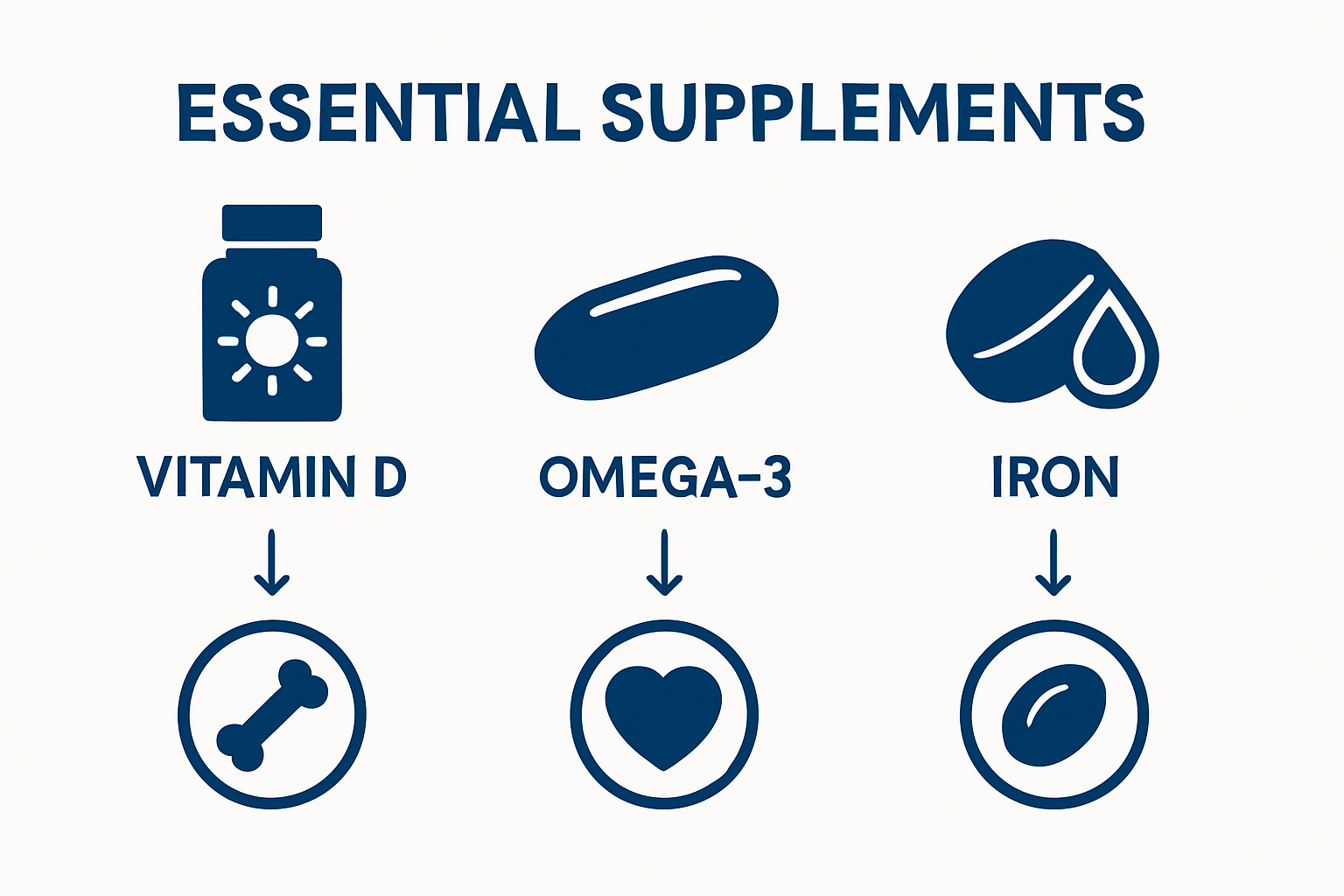
Key nutrients commonly recommended include:
- Vitamin D for bone health and immune function
- Vitamin B12 for neurological support
- Magnesium for muscle and nerve regulation
- Omega-3 fatty acids for cardiovascular health
- Iron for preventing anemia
Understanding Potential Risks and Interactions
While supplements can provide valuable nutritional support, they are not without potential complications. According to research from the Harvard Medical School, individuals must recognize that supplements can interact with medications, produce unexpected side effects, and potentially cause harm if consumed inappropriately.
Critical risk considerations include:
- Potential interactions with prescription medications
- Risk of excessive nutrient intake
- Variability in supplement quality and regulation
- Individual metabolic differences
- Potential allergic reactions
Consumers should approach dietary supplements with a balanced perspective, recognizing that these products are most effective when integrated into a comprehensive health strategy. Consulting healthcare professionals, conducting thorough research, and understanding personal health needs remain essential steps in responsible supplement usage.
Recognizing Quality: What to Look for in Supplements
Navigating the complex world of dietary supplements requires a discerning approach to identifying high-quality products that meet rigorous safety and effectiveness standards. Consumers must develop critical skills for evaluating supplement quality to ensure they are investing in products that truly support their health objectives.

Essential Quality Indicators
Product verification represents the cornerstone of identifying reliable dietary supplements. Credible supplements demonstrate transparency through comprehensive labeling, third-party testing, and adherence to established manufacturing standards. These elements provide crucial insights into a product’s potential effectiveness and safety.
This table outlines the main quality indicators and verification aspects to consider when evaluating dietary supplements, all of which are described in the article.
| Quality Indicator | Description |
|---|---|
| Detailed Ingredient List | Clear disclosure of all included ingredients |
| Manufacturing Transparency | Information about production and sourcing |
| Third-Party Testing Certifications | Independent lab verification for purity and dosage |
| GMP Certification | Follows specific manufacturing safety standards |
| Scientific Health Claims | Claims backed by research and evidence |
| Batch-Specific Quality Documents | Documentation ensuring product consistency |
Key quality indicators include:
- Clear and detailed ingredient list
- Transparent manufacturing information
- Presence of third-party testing certifications
- Accurate dosage recommendations
- Scientifically substantiated health claims
Regulatory and Testing Standards
According to guidance from the National Institutes of Health, consumers should prioritize supplements that have undergone rigorous quality assessment. Verification marks from reputable organizations such as USP (United States Pharmacopeia), NSF International, and ConsumerLab provide additional assurance of a supplement’s quality and safety.
Critical verification aspects to consider:
- Good Manufacturing Practice (GMP) certification
- Independent laboratory testing results
- Batch-specific quality control documentation
- Ingredient source transparency
- Comprehensive product research
Ultimately, selecting high-quality supplements requires a holistic approach that combines scientific understanding, careful research, and consultation with healthcare professionals. Consumers should remain skeptical of products making extraordinary claims and prioritize supplements that offer evidence-based nutritional support tailored to individual health needs.
Navigating Personal Needs: Choosing the Right Supplements
Selecting dietary supplements is a highly personalized process that requires careful consideration of individual health profiles, nutritional needs, and potential physiological interactions. Understanding how to match specific supplements with personal health objectives demands a nuanced approach that goes beyond generic recommendations.
Assessing Individual Nutritional Requirements
Personal health assessment serves as the foundational step in determining appropriate supplement strategies. This involves comprehensive evaluation of dietary habits, existing health conditions, lifestyle factors, and potential nutritional deficiencies that might benefit from targeted supplementation.
Key factors to consider during personal assessment include:
- Current dietary intake and potential gaps
- Age and gender specific nutritional needs
- Existing medical conditions
- Medication interactions
- Physical activity levels and metabolic demands
Professional Guidance and Personalized Recommendations
According to guidance from the National Center for Complementary and Integrative Health, professional consultation remains crucial in developing an effective supplement strategy. Healthcare professionals can provide scientifically grounded recommendations based on comprehensive health evaluations, blood tests, and individual metabolic profiles.
Strategic supplement selection involves:
- Comprehensive health screening
- Blood work to identify specific nutrient deficiencies
- Understanding potential genetic predispositions
- Evaluating current medication interactions
- Developing a targeted supplementation plan
Ultimately, supplement selection is not a one-size-fits-all approach. Individuals must approach supplementation as a dynamic process, regularly reassessing their nutritional needs and remaining open to adjusting their strategies based on evolving health conditions and professional medical advice.
Take Control of Your Personal Supplement Plan—Backed by Science
Struggling to make sense of nutritional gaps, supplement options, or balancing proper dosages as discussed in “Understanding Dietary Supplements: A Comprehensive Guide”? Many people feel overwhelmed by unclear choices and worry about safety, interactions, or spending money on the wrong products. Your health journey deserves a solution that considers your unique needs, tracks your real progress, and turns expert guidance into easy daily actions.
With Menalam, you no longer have to guess what your body truly needs. Our platform uses AI-powered analysis and the latest nutritional science to design personalized supplement plans based on your health profile, diet, and even your lab results. Ready to make your supplement routine smart, simple, and effective? Visit our main website and start your own tailored supplement quiz now. Feel more confident about what you take and start seeing changes in your health today.
Frequently Asked Questions
What are dietary supplements?
Dietary supplements are nutritional products designed to enhance or complement an individual’s diet. They include concentrated sources of vitamins, minerals, herbs, amino acids, and other ingredients intended to support overall health.
How do dietary supplements work in the body?
Dietary supplements operate by delivering concentrated nutrients that interact with the body’s physiological systems. They support various biochemical processes, nutrient absorption, and metabolic activities, thereby contributing to health benefits beyond what is achievable through food alone.
What should I consider when choosing a dietary supplement?
When choosing a dietary supplement, assess your individual nutritional needs, health conditions, and medication interactions. Look for quality indicators like clear labeling, third-party testing, and scientific evidence supporting health claims.
Are there any risks associated with taking dietary supplements?
Yes, dietary supplements can pose risks, including potential interactions with medications, excessive nutrient intake, and variability in product quality. It’s essential to approach supplementation with informed decision-making and consult healthcare professionals when necessary.
Leave a Reply