

People talk about eating right all the time and nutrition seems simple on the surface. Food goes in and somehow it powers everything we do. But here is something that does not match up with what most folks think. Over 90 percent of Americans do not get enough key nutrients just from their food. That means nutrition is a lot more complicated than it looks and what you eat could be shaping your health in ways you never expected.
Table of Contents
- What Is Nutrition And How Does It Impact Health?
- The Role Of Supplements In Supporting Nutritional Needs
- Understanding Nutrients: Types And Their Functions
- Evaluating Supplement Quality And Effectiveness
- Personalized Approaches To Nutrition And Supplementation
Quick Summary
| Takeaway | Explanation |
|---|---|
| Nutrition is essential for health. | Proper nutrition provides nutrients necessary for bodily functions, growth, and repair, supporting overall wellness and health. |
| Balancing macronutrients is key. | Proteins, carbohydrates, and fats each serve critical roles in energy production and bodily functions; a balanced intake is essential. |
| Supplements can bridge dietary gaps. | Nutritional supplements target specific deficiencies and health needs, especially in at-risk populations, enhancing overall nutrient intake. |
| Personalized nutrition enhances effectiveness. | Tailoring nutrition and supplementation to individual needs, considering genetic and lifestyle factors, maximizes health benefits and effectiveness. |
| Evaluate supplement quality rigorously. | Assess supplements based on ingredient sourcing, manufacturing standards, and scientific support to ensure safety and efficacy. |
What is Nutrition and How Does It Impact Health?
Nutrition represents the intricate process of consuming, absorbing, and utilizing food to support human health and bodily functions. At its core, nutrition involves providing essential nutrients that fuel our physiological systems, promote growth, repair tissues, and maintain overall wellness.
Understanding Nutritional Fundamentals
Nutrition encompasses more than simply eating food. It involves a complex interaction between the nutrients we consume and our body’s metabolic processes. These nutrients include macronutrients like proteins, carbohydrates, and fats, and micronutrients such as vitamins and minerals. Each plays a critical role in supporting different bodily functions, from energy production to immune system regulation.
According to Harvard T.H. Chan School of Public Health, good nutrition involves consuming a balanced diet that provides the right quantities of nutrients to support optimal health. This means understanding how different food groups contribute to our overall wellbeing.
Nutrition’s Impact on Health and Wellness
Proper nutrition serves as a fundamental pillar of human health, influencing multiple aspects of physical and mental performance. Key health impacts include:
- Supporting immune system function
- Maintaining healthy body weight
- Reducing risk of chronic diseases
- Promoting mental clarity and cognitive performance
- Enhancing energy levels and metabolic efficiency
The quality of our nutrition directly correlates with our body’s ability to prevent diseases, recover from physical stress, and maintain optimal performance. Poor nutritional choices can lead to deficiencies, weakened immune responses, and increased vulnerability to various health complications.
Understanding nutrition isn’t about restrictive diets but about making informed, balanced choices that provide comprehensive nutritional support for your body’s unique needs.
The Role of Supplements in Supporting Nutritional Needs
Supplements represent targeted nutritional products designed to fill potential gaps in dietary intake, providing concentrated forms of vitamins, minerals, amino acids, and other essential nutrients that might be challenging to obtain through diet alone.
Understanding Nutritional Supplement Categories
Nutritional supplements come in diverse forms, each serving specific health purposes. These range from basic multivitamins that provide broad nutritional coverage to specialized supplements targeting specific physiological needs. Common supplement categories include:
- Vitamin and mineral supplements
- Protein and amino acid formulations
- Herbal and botanical extracts
- Omega fatty acid complexes
- Probiotics and digestive health supplements
Each supplement category addresses unique nutritional requirements, helping individuals optimize their dietary intake and support overall health performance.
When and Why Supplements Become Essential
According to research published in the journal Nutrients, dietary supplements play a critical role for populations at higher risk of nutritional deficiencies. These groups include pregnant women, elderly individuals, people with restricted diets, athletes with high metabolic demands, and those managing specific health conditions.
Supplements are not replacement for balanced nutrition but strategic interventions that can address specific physiological needs. Key indicators suggesting potential supplement requirements include:
- Persistent fatigue
- Weakened immune responses
- Nutritional gaps in current diet
- Increased metabolic stress
- Specific health management goals
The effectiveness of supplements depends on personalized assessment, understanding individual nutritional profiles, and selecting high-quality, scientifically validated products that align with specific health objectives.
Understanding Nutrients: Types and Their Functions
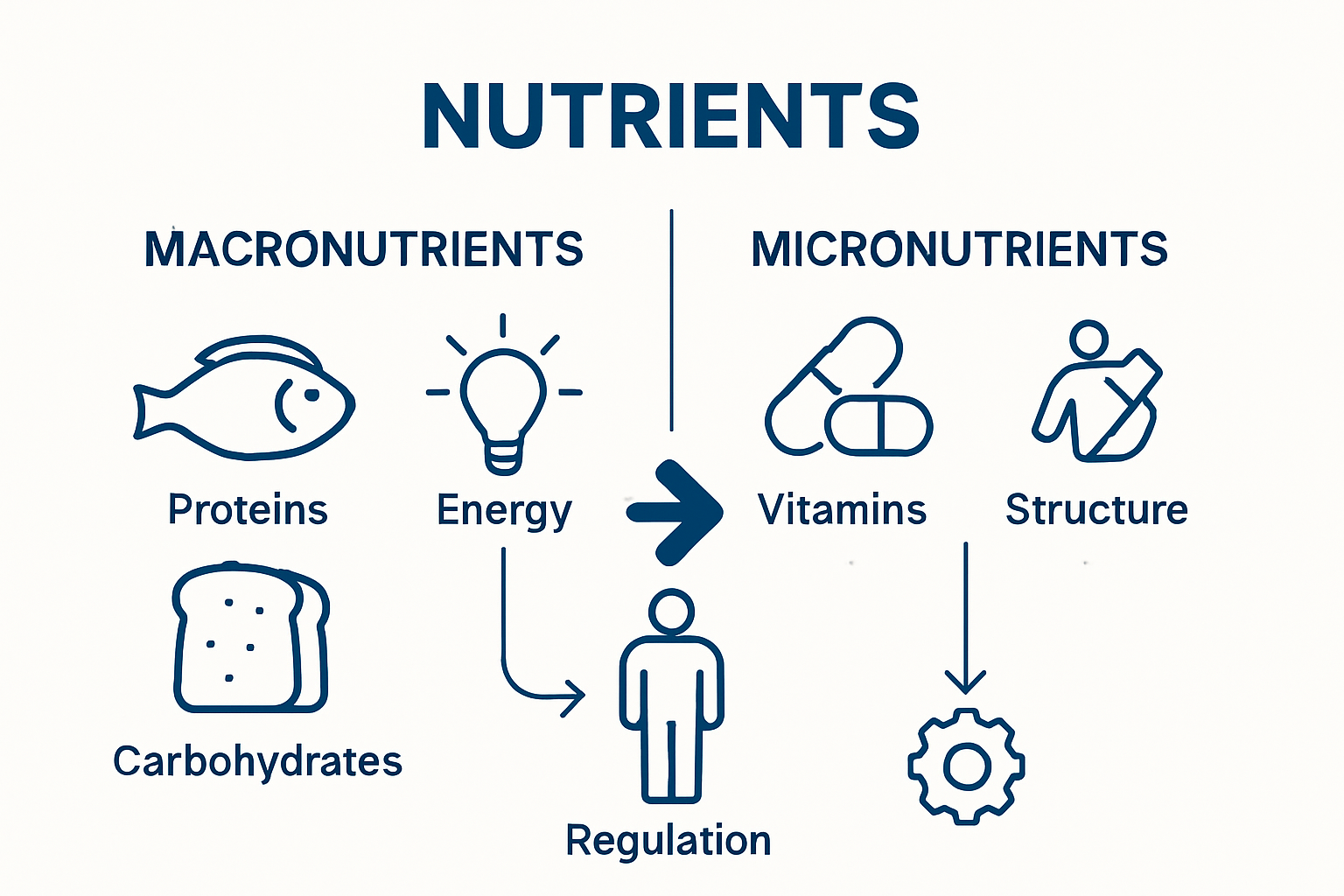
Nutrients are essential compounds that our body requires for survival, growth, and optimal functioning. They serve as the fundamental building blocks of human health, providing energy, supporting metabolic processes, and enabling critical physiological functions.
Macronutrients: The Body’s Primary Energy Sources
Macronutrients represent the primary nutritional components that our body needs in large quantities to generate energy and support structural development. These include:
- Proteins: Essential for muscle repair, enzyme production, and immune system function
- Carbohydrates: Primary energy source that fuels cellular activities
- Fats: Critical for hormone production, cell membrane structure, and energy storage
Each macronutrient plays a unique role in maintaining bodily functions. Proteins are composed of amino acids that build and repair tissues, carbohydrates provide quick energy, and fats offer concentrated energy storage and support hormonal processes.
Micronutrients: The Cellular Regulators
Micronutrients are vitamins and minerals consumed in smaller quantities but crucial for complex metabolic reactions. Key micronutrient functions include:
-
Supporting immune system performance
-
Facilitating enzyme and hormone production
-
Enabling cellular communication
-
Protecting against oxidative stress
-
Regulating genetic expression
According to National Institutes of Health, micronutrients like vitamin D, B12, iron, and zinc are particularly important for maintaining optimal health and preventing potential nutritional deficiencies.
Understanding the intricate roles of different nutrients helps individuals make informed dietary choices that support comprehensive nutritional wellness.
The following table summarizes the main types of macronutrients and micronutrients, describing their primary functions and key contributions to health.
| Nutrient Type | Examples | Primary Functions |
|---|---|---|
| Protein | Meat, beans, dairy | Muscle repair, enzyme production, immune support |
| Carbohydrate | Grains, fruits, vegetables | Main energy source, fuels cellular activities |
| Fat | Oils, nuts, fatty fish | Hormone production, cell structure, energy storage |
| Vitamins | Vitamin D, B12, C | Immune support, metabolic reactions, cellular protection |
| Minerals | Iron, zinc, calcium | Oxygen transport, enzyme function, bone health |
Evaluating Supplement Quality and Effectiveness
Determining the quality and effectiveness of dietary supplements requires a comprehensive approach that goes beyond marketing claims. Consumers must develop critical skills to assess supplement reliability, potential benefits, and potential risks before incorporating them into their nutritional strategy.
Key Quality Assessment Criteria
Supplement quality depends on multiple interconnected factors that ensure safety, potency, and potential health benefits. Critical evaluation criteria include:
- Ingredient Sourcing: Origin and purity of raw materials
- Manufacturing Standards: Adherence to Good Manufacturing Practices (GMP)
- Third-Party Testing: Independent verification of product claims
- Scientific Research: Presence of clinical studies supporting effectiveness
- Transparent Labeling: Clear disclosure of ingredient quantities
These criteria help distinguish high-quality supplements from potentially ineffective or potentially harmful products in a largely unregulated market.
Here is a table outlining the key criteria to consider when evaluating the quality and effectiveness of dietary supplements.
| Evaluation Criterion | Description |
|---|---|
| Ingredient Sourcing | Assessing the origin and purity of raw materials |
| Manufacturing Standards | Ensuring adherence to Good Manufacturing Practices (GMP) |
| Third-Party Testing | Use of independent verification for product accuracy and safety |
| Scientific Research | Presence of clinical studies supporting supplement effectiveness |
| Transparent Labeling | Clear disclosure of all ingredient types and their quantities |
Scientific Validation and Effectiveness
The effectiveness of supplements is not universal but context-specific. Research published in scientific journals emphasizes the importance of understanding individual nutritional needs, potential interactions, and specific health objectives.
Consumers should consider critical evaluation factors when selecting supplements:
- Alignment with personal health goals
- Potential interactions with existing medications
- Individual metabolic differences
- Scientifically validated dosage recommendations
- Professional healthcare provider consultation
Understanding supplement quality involves recognizing that not all products are created equal. Rigorous assessment, critical thinking, and personalized approach are essential in making informed nutritional supplement choices.

Personalized Approaches to Nutrition and Supplementation
Personalized nutrition represents a revolutionary approach to dietary interventions that moves beyond generic recommendations, focusing instead on individual biological characteristics, genetic profiles, lifestyle factors, and specific health objectives.
Understanding Individual Nutritional Variability
Nutritional needs are not universal but deeply personal, influenced by complex interactions between genetics, metabolism, environment, and lifestyle. Key factors contributing to individual nutritional variability include:
- Genetic predispositions
- Metabolic efficiency
- Existing health conditions
- Age and gender
- Physical activity levels
- Stress and environmental exposure
Recognizing these individual differences highlights the limitations of standardized nutritional approaches and underscores the importance of tailored dietary strategies.
Advanced Personalization Technologies
Research in personalized nutrition reveals emerging technologies that enable more precise nutritional interventions. These advanced approaches integrate multiple data points to create comprehensive nutritional profiles:
- Genomic analysis for genetic nutritional insights
- Microbiome testing to understand digestive health
- Metabolic screening for individual nutrient processing
- Blood biomarker assessments
- Comprehensive lifestyle and dietary tracking
These technological innovations transform nutrition from a one-size-fits-all model to a sophisticated, individualized health optimization strategy. By understanding unique physiological characteristics, individuals can develop targeted nutrition and supplementation plans that precisely address their specific health requirements.
Take Control of Your Nutrition With Smart Personalization
Are you overwhelmed trying to balance macros, fill nutrient gaps, or choose effective supplements? If you have ever worried about missing key vitamins or struggled to match your supplements to your unique health needs, you are not alone. As explored in this article, nutrition is highly personal. Generic approaches can leave you facing persistent fatigue, slow progress, or confusion over which products actually work. Your health deserves a targeted solution that really understands you.

Experience the future of nutrition with Menalam where every supplement recommendation is tailored to your personal profile, lifestyle, and data. Take our quick health quiz and receive science-backed supplement plans crafted just for you. Track your wellness and adjust your plan as your body changes. Visit our main platform today to start optimizing your nutrition with artificial intelligence-powered solutions. Discover how easy it can be to feel your best when every recommendation is all about you.
Frequently Asked Questions
What are macronutrients and why are they important?
Macronutrients are essential nutrients needed in large quantities, including proteins, carbohydrates, and fats. They are crucial for energy generation, tissue repair, and supporting overall bodily functions.
How can I determine if I need nutritional supplements?
You might need supplements if you experience persistent fatigue, weakened immune responses, nutritional gaps in your diet, increased metabolic stress, or have specific health management goals. Consulting a healthcare provider can provide personalized advice.
What should I look for in a high-quality supplement?
When evaluating supplements, consider factors such as ingredient sourcing, adherence to Good Manufacturing Practices (GMP), third-party testing, scientific research supporting effectiveness, and transparent labeling of ingredient quantities.
How does personalized nutrition differ from standard dietary recommendations?
Personalized nutrition tailors dietary strategies based on individual biological characteristics, genetics, lifestyle factors, and specific health objectives, moving away from one-size-fits-all recommendations to optimize health effectively.
Leave a Reply