
Senior nutrition is more complicated than just cutting calories or eating more greens. After age 65, the body’s ability to absorb vitamins and minerals can drop by as much as 30 percent. Most people expect a slower metabolism to mean fewer dietary worries, not new nutritional challenges. What really matters is how drastically seniors need to rethink their approach to food and supplements if they want to stay healthy and independent.
Table of Contents
- Understanding Nutritional Needs In Seniors
- The Importance Of Vitamin D For Seniors
- Why Omega-3 Fatty Acids Matter
- Benefits Of Calcium And Vitamin K
- Probiotics For Digestive Health
- The Role Of Multivitamins In Senior Nutrition
- Safety Tips For Supplement Use
Quick Summary
| Takeaway | Explanation |
|---|---|
| Prioritize nutrient density over calories | Seniors need fewer calories but higher nutrient density to support health and energy. Focus on foods rich in essential vitamins and minerals. |
| Ensure adequate vitamin D intake | Optimal vitamin D levels are crucial for bone health, immune function, and may protect cognitive abilities. Consider supplements if dietary intake is insufficient. |
| Supplement with omega-3 fatty acids | Omega-3s support heart health, cognitive function, and help preserve muscle mass. Regular intake can mitigate age-related decline in these areas. |
| Combine calcium with vitamin K | These two nutrients work together to enhance bone strength and cardiovascular health. Proper supplementation can reduce the risk of fractures and osteoporosis. |
| Consult healthcare providers about supplements | Seniors should always discuss new supplements with healthcare professionals to avoid adverse interactions and ensure safety based on individual health needs. |
1: Understanding Nutritional Needs in Seniors
As we age, our nutritional requirements transform dramatically, making understanding senior nutrition crucial for maintaining health and vitality. The human body undergoes significant physiological changes that directly impact how nutrients are absorbed, processed, and utilized.
According to research from the National Institutes of Health, seniors experience metabolic shifts that create unique dietary challenges. These changes can include decreased muscle mass, reduced digestive efficiency, and altered nutrient absorption rates. Key nutritional considerations for seniors include:
- Decreased caloric needs but increased nutrient density requirements
- Higher protein demands to preserve muscle strength
- Enhanced need for specific micronutrients like vitamin D and calcium
Metabolic slowdown means seniors must be more strategic about their nutritional intake. Their bodies typically require fewer calories but paradoxically need more concentrated sources of essential nutrients. This nutritional paradox demands a targeted approach to supplementation and diet.
Physiological changes impact nutrient absorption significantly. Digestive enzyme production decreases, stomach acid levels decline, and intestinal absorption becomes less efficient. These factors contribute to potential deficiencies that can compromise overall health and immune function.
Seniors face multiple nutritional challenges that make targeted supplementation critical. Chronic conditions, medication interactions, and reduced appetite can further complicate nutritional intake. Understanding these complex dynamics helps develop more personalized nutrition strategies that support optimal senior health and wellness.
Careful nutritional planning becomes not just beneficial but essential for maintaining independence, preventing chronic diseases, and supporting overall quality of life in later years.
2: The Importance of Vitamin D for Seniors
Vitamin D plays a critical role in senior health, serving as a fundamental nutrient that goes far beyond traditional bone health understanding. While often overlooked, this essential vitamin significantly impacts multiple physiological systems and overall wellness for older adults.
Research from the National Institutes of Health reveals that seniors are particularly vulnerable to vitamin D deficiency due to several interconnected factors:
- Reduced skin synthesis of vitamin D with aging
- Decreased dietary intake
- Limited sun exposure
- Compromised absorption mechanisms
Bone Health and Beyond: Vitamin D is crucial for calcium absorption and maintaining skeletal integrity. For seniors, adequate vitamin D levels can help prevent osteoporosis, reduce fracture risks, and support muscle strength. This becomes increasingly important as bone density naturally declines with age.
Beyond skeletal support, vitamin D demonstrates profound impacts on immune function. Seniors with optimal vitamin D levels often experience enhanced immune response, reduced inflammation, and potentially lower risks of chronic diseases. Studies suggest a direct correlation between vitamin D levels and protection against respiratory infections, cardiovascular diseases, and certain autoimmune conditions.
Neurological function represents another critical area where vitamin D plays a significant role. Emerging research indicates potential connections between vitamin D levels and cognitive performance, with some studies suggesting that adequate supplementation might help mitigate age-related cognitive decline.
Seniors typically require higher vitamin D intake compared to younger populations. Recommended daily intake can range between 600 to 800 international units, though individual needs may vary based on health status, geographic location, and existing medical conditions.
Strategic vitamin D supplementation, combined with moderate sunlight exposure and dietary sources like fatty fish, egg yolks, and fortified foods, can help seniors maintain optimal health and potentially improve overall quality of life.
3: Why Omega-3 Fatty Acids Matter
Omega-3 fatty acids represent a critical nutritional component for seniors, offering comprehensive health benefits that extend far beyond basic dietary recommendations. These essential nutrients play a pivotal role in maintaining optimal physiological function, particularly as the body ages.
Research from the journal Nutrients highlights the multifaceted impact of omega-3 supplementation for older adults. Key benefits include:
- Supporting cardiovascular health
- Reducing inflammatory responses
- Protecting cognitive function
- Maintaining joint flexibility
Brain Health Protection: Omega-3 fatty acids are particularly crucial for neurological well-being. As seniors age, these nutrients help support cognitive function, potentially slowing age-related mental decline. The brain consists of nearly 60% fat, with omega-3s playing a significant role in maintaining neural connections and supporting overall brain structure.
Cardiovascular benefits represent another critical aspect of omega-3 supplementation. These fatty acids help regulate heart rhythm, reduce triglyceride levels, and potentially decrease the risk of heart disease. Seniors who maintain consistent omega-3 intake often experience improved heart health markers and reduced inflammation throughout the body.
Muscle preservation becomes increasingly important with aging, and omega-3 fatty acids contribute significantly to this process. They help combat age-related muscle loss, support muscle protein synthesis, and potentially improve overall physical function. This becomes particularly crucial for maintaining independence and quality of life in later years.
While dietary sources like fatty fish, walnuts, and flaxseeds provide omega-3s, many seniors struggle to consume adequate amounts through diet alone. Supplementation offers a strategic approach to ensuring optimal intake, with recommended daily amounts typically ranging between 250-500 milligrams of combined EPA and DHA.
Understanding and implementing omega-3 supplementation can be a transformative strategy for seniors seeking to maintain comprehensive health, support bodily functions, and potentially mitigate age-related physiological challenges.
4: Benefits of Calcium and Vitamin K
Calcium and vitamin K form a powerful nutritional partnership critical for senior health, working synergistically to support bone strength, cardiovascular function, and overall physiological wellness. Understanding their collaborative role becomes increasingly important as the body ages and nutritional requirements transform.
Research from the National Institutes of Health demonstrates the intricate relationship between these two nutrients, highlighting their comprehensive health benefits for older adults. Key advantages include:
- Preventing bone density loss
- Supporting cardiovascular health
- Reducing fracture risks
- Maintaining muscle function
Bone Health Protection: Calcium serves as the primary mineral responsible for bone structure, while vitamin K activates critical proteins that facilitate calcium absorption and bone mineralization. This intricate process becomes crucial as seniors experience natural bone density reduction. Proper supplementation can significantly mitigate osteoporosis risks and support skeletal integrity.
Cardiovascular health represents another critical area where calcium and vitamin K demonstrate remarkable synergy. Vitamin K helps prevent calcium from depositing in arterial walls, reducing potential cardiovascular complications. This mechanism becomes increasingly important as seniors face higher risks of heart-related conditions.
Seniors often require higher nutrient intake due to reduced absorption capabilities. Recommended daily calcium intake typically ranges between 1000-1200 milligrams, with vitamin K recommendations around 90-120 micrograms. However, individual needs may vary based on overall health status, existing medical conditions, and lifestyle factors.
Dietary sources like dairy products, leafy green vegetables, and fortified foods can provide these essential nutrients. However, supplementation offers a strategic approach to ensuring consistent and adequate intake, particularly for seniors with dietary restrictions or absorption challenges.
By understanding and implementing targeted calcium and vitamin K supplementation, seniors can proactively support their bone health, cardiovascular function, and overall physiological resilience.
5: Probiotics for Digestive Health
Probiotics represent a sophisticated nutritional strategy for seniors seeking to optimize digestive function and overall wellness. As the human microbiome becomes increasingly complex with age, targeted probiotic supplementation offers a powerful approach to maintaining gut health and supporting broader physiological systems.
Research from the journal Nutrients reveals the profound impact of probiotic supplementation in older adults. Key benefits include:
- Restoring beneficial gut bacteria balance
- Reducing age-related digestive inflammation
- Supporting immune system function
- Mitigating gastrointestinal discomfort
Digestive System Transformation: The aging process significantly alters gut microbiota composition, leading to reduced bacterial diversity and potential digestive complications. Probiotics help counteract these changes by introducing beneficial bacterial strains that support optimal digestive function and nutrient absorption.
Beyond digestive support, probiotics demonstrate remarkable potential in modulating immune response. Seniors often experience decreased immune functionality, and a robust gut microbiome can help strengthen overall immune defenses. The gut microbiome plays a critical role in maintaining comprehensive health, acting as a complex ecosystem that influences multiple bodily systems.
Chronic conditions common among seniors can disrupt gut health, making probiotic supplementation even more critical. Medications, dietary changes, and reduced physical activity can negatively impact digestive processes. Targeted probiotic strains like Lactobacillus and Bifidobacterium can help restore and maintain healthy gut flora.
When selecting probiotic supplements, seniors should consider factors such as bacterial strain diversity, colony-forming units (CFUs), and potential interactions with existing medications. Recommended daily intake typically ranges between 10-20 billion CFUs, though individual needs may vary based on specific health conditions.
Strategic probiotic supplementation offers seniors a proactive approach to maintaining digestive wellness, supporting immune function, and potentially improving overall quality of life.
6: The Role of Multivitamins in Senior Nutrition
Multivitamins represent a comprehensive nutritional strategy designed to address the complex dietary needs of seniors, providing a broad spectrum of essential nutrients that may be challenging to obtain through diet alone. As nutritional requirements become increasingly nuanced with age, these supplements offer a targeted approach to supporting overall health and wellness.
Research from the National Institutes of Health highlights the potential cognitive benefits of consistent multivitamin supplementation. Key advantages include:
- Filling nutritional gaps in daily diet
- Supporting cognitive function
- Enhancing immune system resilience
- Promoting overall metabolic health
Nutritional Insurance: Multivitamins function as a critical safety net for seniors who may experience reduced nutrient absorption, limited dietary variety, or increased metabolic demands. Older adults often have diminished ability to extract and utilize nutrients from food, making comprehensive supplementation particularly important.
Cognitive health represents a significant area of potential benefit. Some studies suggest that consistent multivitamin use may contribute to modest improvements in memory function and cognitive performance. This becomes increasingly crucial as seniors seek to maintain mental sharpness and neurological resilience.
The composition of multivitamins for seniors typically differs from standard adult formulations. These specialized supplements often include higher concentrations of key nutrients like vitamin D, vitamin B12, and minerals critical for bone health, nerve function, and energy metabolism. Recommended formulations typically address specific age-related nutritional challenges.
While multivitamins offer comprehensive support, they should not replace a balanced diet. Seniors are encouraged to view these supplements as a complementary strategy, working alongside whole foods and targeted nutritional approaches. Individual needs vary, and consultation with healthcare providers can help determine the most appropriate multivitamin regimen.
Strategic multivitamin supplementation provides seniors with a proactive approach to maintaining nutritional balance, potentially supporting long-term health and quality of life.
7: Safety Tips for Supplement Use
Navigating the complex world of nutritional supplements requires careful consideration, especially for seniors who may have unique health circumstances and medication interactions. Understanding how to safely integrate supplements into a daily routine becomes crucial for maximizing health benefits while minimizing potential risks.
Research from the NIH Office of Dietary Supplements provides critical guidance for responsible supplement use. Essential safety considerations include:
- Consulting healthcare providers before starting any supplement regimen
- Thoroughly reviewing potential medication interactions
- Purchasing supplements from reputable sources
- Understanding individual health requirements
Medication Interaction Awareness: Supplements can significantly interact with prescription medications, potentially altering their effectiveness or creating unexpected side effects. Seniors taking multiple medications must exercise extra caution, ensuring comprehensive consultation with healthcare professionals before introducing new supplements.
Quality and sourcing represent critical factors in supplement safety. Not all supplements are created equal, and variations in manufacturing standards can dramatically impact their reliability and potential health risks. Seniors should prioritize supplements from verified manufacturers with transparent production processes and third-party testing certifications.
Dosage management becomes increasingly important with age. Seniors metabolize nutrients differently, and standard recommended dosages might not always apply. Individual factors like body weight, existing health conditions, and current medication regimens can influence appropriate supplement levels.
Potential side effects require careful monitoring. While supplements are often perceived as harmless, they can trigger adverse reactions, particularly when consumed in inappropriate quantities or combinations. Symptoms like digestive discomfort, allergic reactions, or unexpected interactions should prompt immediate medical consultation.
A strategic approach to supplement use involves ongoing communication with healthcare providers, regular health assessments, and a commitment to understanding individual nutritional needs. By prioritizing safety and informed decision-making, seniors can effectively leverage nutritional supplements to support their overall health and wellness.
Below is a comprehensive table summarizing the key nutritional supplements and safety considerations for seniors as discussed in the article.
| Topic / Supplement | Core Purpose / Role | Key Benefits for Seniors | Special Considerations |
|---|---|---|---|
| Nutritional Needs in Seniors | Adapting diet to aging-related changes | Supports muscle mass, bone strength, immune function; increases nutrient density despite fewer calories | Higher protein, vitamins D & calcium |
| Vitamin D | Maintains bone and immune health | Improves calcium absorption, prevents osteoporosis, supports immunity, may aid cognitive function | Reduced skin production with age; supplement as needed |
| Omega-3 Fatty Acids | Supports heart, brain, muscle health | Reduces inflammation, protects cognitive function, preserves muscle mass, supports heart health | Dietary intake often insufficient; supplement recommended |
| Calcium & Vitamin K | Strengthens bones, supports cardiovascular health | Prevents bone loss/fractures, improves muscle function, keeps calcium out of arteries | Synergistic use; monitor dosage |
| Probiotics | Promotes digestive and immune health | Restores gut bacterial balance, reduces digestive inflammation, supports immune system | Choose strains and dosages carefully |
| Multivitamins | Fills dietary gaps and ensures broad nutrient intake | Enhances cognitive and immune function, supports metabolism, “nutritional insurance” | Use senior-specific formulations |
| Supplement Safety | Ensures safe, effective supplement use | Prevents adverse reactions, medication interactions, ensures reliable sourcing | Always consult healthcare providers |
Take Control of Your Senior Nutrition with Personalized Solutions
Struggling to balance your changing nutritional needs as you age? Many seniors, as highlighted in this article, face unique challenges like reduced nutrient absorption and the need for targeted supplements such as vitamin D, omega-3s, calcium, and probiotics. Staying on top of complex dietary requirements and making sense of ever-evolving supplement advice can feel overwhelming. Finding the right balance is crucial for strong bones, brain health, and overall vitality.
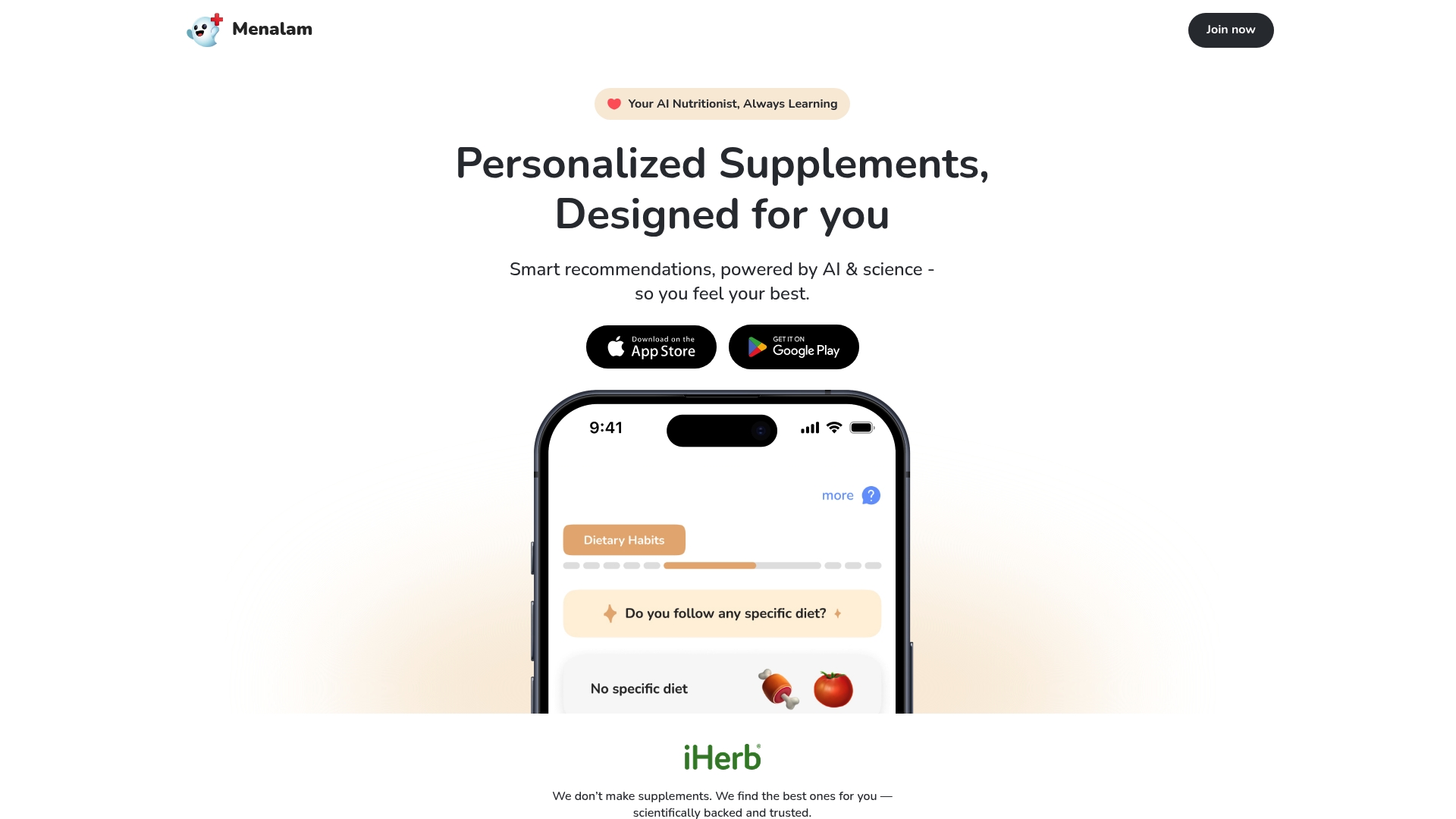
Why leave your health to guesswork? Discover science-backed, tailored supplement recommendations designed specifically for your age, health history, and lifestyle at Menalam. Our digital nutritionist uses advanced AI and your personal health data to build a supplement plan just for you. Take our quick health quiz to pinpoint which essential vitamins and minerals will make the biggest difference in your daily life. You can also leverage our mobile app to track progress, receive reminders, and adjust your plan as your needs change. Start your journey now on Menalam’s homepage and make your senior years stronger, healthier, and more confident.
Frequently Asked Questions
What are the key nutritional needs for seniors?
As seniors age, they generally require fewer calories but need more nutrient-dense foods. Important nutrients include higher protein, vitamin D, calcium, and omega-3 fatty acids to manage muscle mass and bone health.
Why is vitamin D important for older adults?
Vitamin D is crucial for calcium absorption and bone health, preventing osteoporosis and fractures. It also supports immune function and may help mitigate cognitive decline.
How do omega-3 fatty acids benefit seniors?
Omega-3 fatty acids support heart health, reduce inflammation, protect cognitive function, and help preserve muscle mass, which is vital for maintaining independence as seniors age.
Are multivitamins beneficial for seniors?
Yes, multivitamins can help fill nutritional gaps in seniors’ diets, boost cognitive function, enhance immune resilience, and provide essential nutrients that may be challenging to consume in sufficient amounts through food alone.
Leave a Reply