

Cell nutrients sound tiny, but their impact runs deep. Over 37 trillion cells in the human body depend on these microscopic compounds to function every second. Most people focus on what’s on their plate and think they’ve got nutrition covered. The real surprise? What matters most is not just what you eat, but how your cells use those nutrients to power every breath, thought, and heartbeat.
Table of Contents
- What Are Cells Nutrients and Their Role in The Body?
- Why Cells Nutrients Matter For Overall Health
- How Cells Nutrients Function In Cellular Processes
- Key Types Of Cells Nutrients And Their Benefits
- The Impact Of Cells Nutrients On Fitness And Performance
Quick Summary
| Takeaway | Explanation |
|---|---|
| Cellular nutrients are vital for life. | These microscopic compounds are essential for sustaining cellular functions and overall human health. |
| Balanced nutrient intake prevents diseases. | Consistent consumption of a variety of nutrients mitigates risks associated with chronic health conditions and supports immunity. |
| Macronutrients provide energy for cellular processes. | Proteins, carbohydrates, and lipids are crucial for energy production and supporting cellular growth and repair. |
| Micronutrients ensure cellular regulation and protection. | Vitamins and minerals act as essential cofactors, supporting enzymatic reactions and protecting against cellular damage. |
| Nutrition is key to athletic performance. | Adequate nutrient supply enhances muscle recovery, energy metabolism, and overall physical resilience during training and competition. |
What Are Cells Nutrients and Their Role in the Body?
Cells nutrients are microscopic biochemical compounds essential for sustaining life and enabling cellular functions. These critical molecular components provide the fundamental building blocks that power every biological process within our bodies. Understanding cells nutrients helps us recognize how nutrition directly impacts cellular health and overall human wellness.
Defining Cellular Nutrition
At the most basic level, cells nutrients encompass a diverse range of organic and inorganic molecules necessary for cellular metabolism, growth, and repair. These include macronutrients like proteins, carbohydrates, and lipids, as well as micronutrients such as vitamins and minerals. According to research from the National Institutes of Health, each nutrient plays a unique and irreplaceable role in cellular function.
Key characteristics of cells nutrients include:
- Providing energy for cellular processes
- Supporting enzyme and protein production
- Facilitating cellular communication
- Maintaining cellular structure and integrity
- Enabling genetic expression and DNA repair
Mechanisms of Cellular Nutrient Absorption
Cells acquire nutrients through complex transportation mechanisms involving cell membranes. Different nutrients enter cells through specialized protein channels and transporters, which selectively permit specific molecules based on size, charge, and chemical composition. This precise selection ensures that cells receive exactly what they need while preventing potentially harmful substances from entering.
The absorption process involves multiple stages:
- Passive diffusion for small, uncharged molecules
- Active transport requiring cellular energy
- Facilitated diffusion using membrane protein carriers
- Endocytosis for larger molecular compounds
Understanding how cells utilize nutrients reveals the intricate biochemical symphony occurring within our bodies every moment.
The following table organizes and compares the main mechanisms by which cells absorb nutrients, highlighting their basic process and the types of molecules transported.
| Absorption Mechanism | Description | Types of Molecules Transported |
|---|---|---|
| Passive Diffusion | Direct movement across membrane without energy | Small, uncharged molecules (e.g., O2) |
| Active Transport | Movement using cellular energy (ATP) | Ions, glucose, amino acids |
| Facilitated Diffusion | Uses membrane proteins to aid transport | Larger or polar molecules |
| Endocytosis | Cell engulfs particles into vesicles | Large compounds, proteins |
Why Cells Nutrients Matter for Overall Health
Nutrients are not simply food components but essential molecular architects that construct and maintain our body’s intricate biological systems. These microscopic building blocks play a critical role in determining our overall health, influencing everything from immune function to disease prevention.
Cellular Health and Disease Prevention
Cell nutrients serve as fundamental guardians of human health, acting as preventive mechanisms against potential cellular damage and dysfunction. According to research from Harvard School of Public Health, proper nutrient intake directly influences cellular repair mechanisms and immune system resilience.
Key protective functions of cells nutrients include:
- Neutralizing harmful free radicals
- Supporting DNA repair processes
- Regulating inflammatory responses
- Enhancing cellular regeneration capabilities
- Strengthening metabolic efficiency
Metabolic Regulation and Energy Production
Every cellular process requires specific nutrients to function optimally. Micronutrients act as critical catalysts in metabolic pathways, enabling efficient energy production and supporting complex biochemical transformations. Without adequate nutrient intake, cellular metabolism becomes compromised, potentially leading to systemic health challenges.
Nutrients play essential roles in:
- Converting food into usable cellular energy
- Facilitating enzyme and hormone production
- Supporting mitochondrial function
- Regulating cellular signaling networks
- Maintaining electrolyte balance
Long Term Health Implications
Consistent and balanced nutrient intake represents a proactive approach to preventing chronic diseases. The biological investment in cellular nutrition yields significant long term health dividends. By prioritizing comprehensive nutrient consumption, individuals can potentially mitigate risks associated with metabolic disorders, reduce inflammation, and support overall physiological resilience.
The intricate relationship between cellular nutrients and human health underscores the importance of viewing nutrition not as a simple dietary requirement, but as a sophisticated biological strategy for maintaining optimal wellness.
How Cells Nutrients Function in Cellular Processes
Cells nutrients are dynamic molecular actors that orchestrate complex biological performances within our body. These microscopic compounds do not merely exist passively but actively engage in intricate biochemical interactions that drive cellular functionality and maintain physiological balance.
Energy Production and Metabolic Pathways
At the core of cellular processes, nutrients serve as primary energy sources and catalysts for metabolic transformations. According to research from the National Institutes of Health, cellular nutrients trigger sophisticated biochemical reactions that convert nutritional molecules into usable cellular energy through multiple metabolic pathways.
Key energy production mechanisms include:
- Glycolysis for glucose metabolism
- Krebs cycle for generating ATP
- Electron transport chain for energy transfer
- Fatty acid oxidation for lipid breakdown
- Protein catabolism for amino acid utilization
Cellular Signaling and Communication
Nutrients play a crucial role in cellular communication networks, acting as signaling molecules that regulate gene expression, protein synthesis, and intercellular interactions. These molecular messengers transmit critical information between cellular compartments, enabling coordinated responses to environmental changes and physiological demands.
Signaling functions encompass:
- Activating protein kinase cascades
- Modulating receptor interactions
- Triggering genetic transcription
- Regulating hormone responses
- Controlling cellular differentiation processes
Structural Maintenance and Repair
Beyond energy production, cells nutrients contribute fundamentally to cellular structure and regeneration. Amino acids, minerals, and vitamins serve as building blocks for proteins, enzymes, and cellular membranes, ensuring structural integrity and supporting continuous cellular repair mechanisms.
Nutrients enable critical structural processes such as protein folding, membrane reconstruction, and DNA repair, transforming raw nutritional inputs into complex biological architectures. This intricate molecular choreography highlights how nutrients are not just consumable resources but active participants in maintaining cellular health and functionality.

Key Types of Cells Nutrients and Their Benefits
Cellular nutrients represent a sophisticated network of molecular compounds that power biological functions. Understanding the diverse types of nutrients and their specific roles helps illuminate the complex mechanisms driving human health and cellular performance.
Macronutrients: The Fundamental Energy Providers
Macronutrients form the primary category of cellular nutrients, delivering essential energy and structural components for cellular processes. According to research from the National Institutes of Health, these nutrients are critical for maintaining cellular integrity and supporting metabolic functions.
Key macronutrient types include:
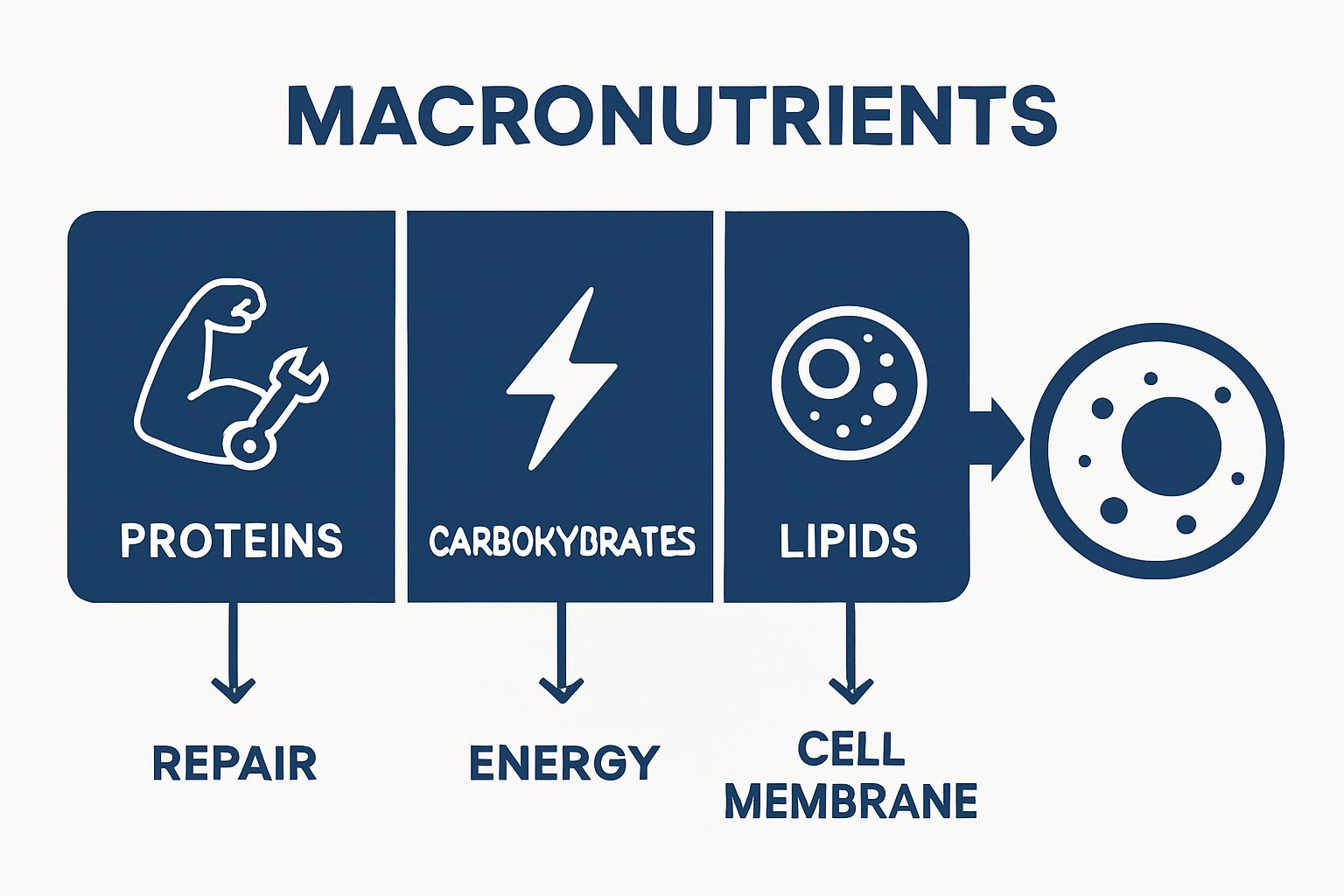
- Proteins for cellular structure and enzyme production
- Carbohydrates as primary energy sources
- Lipids for membrane construction and hormone synthesis
- Amino acids supporting protein formation
- Complex molecules enabling cellular communication
Micronutrients: Cellular Regulation and Protection
Micronutrients function as precise molecular regulators, enabling sophisticated cellular mechanisms with minimal quantities. These nutrients act as cofactors for enzymatic reactions, support immune function, and provide antioxidant protection against cellular damage.
Essential micronutrient functions encompass:
- Vitamin D for calcium metabolism
- Zinc supporting immune responses
- Magnesium facilitating enzymatic reactions
- Iron enabling oxygen transportation
- Selenium protecting against oxidative stress
Trace Elements: Specialized Cellular Support
Trace elements represent minute yet powerful cellular nutrients that catalyze critical biochemical processes. Despite their minimal quantities, these elements play disproportionately significant roles in maintaining cellular health and supporting complex physiological functions.
Trace elements contribute to:
- Copper supporting neurological functions
- Chromium regulating insulin sensitivity
- Manganese assisting bone formation
- Iodine supporting thyroid metabolism
- Selenium enhancing antioxidant mechanisms
The intricate interplay between these nutrient categories demonstrates the remarkable complexity of cellular nutrition, where each molecular component serves a unique and indispensable role in maintaining human biological systems.
Below is a table summarizing the different types of cellular nutrients discussed in the article, their main functions, and specific examples.
| Category | Main Function | Example Nutrients |
|---|---|---|
| Macronutrients | Provide energy, structure, and support growth | Proteins, Carbohydrates, Lipids |
| Micronutrients | Regulate cellular processes and protection | Vitamins (D), Minerals (Iron) |
| Trace Elements | Specialized support for biochemical processes | Selenium, Iodine, Zinc |
| Amino Acids | Building blocks for proteins and enzymes | Leucine, Lysine |
| Complex Molecules | Enable cellular communication and repair | Enzymes, Hormones |
The Impact of Cells Nutrients on Fitness and Performance
Cellular nutrients are the hidden architects of physical performance, transforming nutritional inputs into dynamic muscular and metabolic capabilities. These microscopic compounds play a pivotal role in determining an individual’s capacity for exercise, recovery, and overall athletic potential.
Muscle Protein Synthesis and Recovery
Nutrients serve as critical building blocks for muscle regeneration and growth, directly influencing an athlete’s ability to adapt and improve performance. According to research from the International Society of Sports Nutrition, specific cellular nutrients trigger complex biochemical processes that accelerate muscle repair and enhance metabolic efficiency.
Key mechanisms of muscle performance include:
- Protein synthesis for muscle tissue repair
- Amino acid utilization for cellular regeneration
- Glycogen replenishment for energy storage
- Reducing muscle protein breakdown
- Supporting mitochondrial adaptation
Energy Metabolism and Endurance
Cellular nutrients transform nutritional inputs into sustainable energy systems that power physical performance. By optimizing metabolic pathways, these molecular compounds enable athletes to maintain higher intensity levels and extend their endurance capabilities.
Nutrient contributions to metabolic performance encompass:
- Converting carbohydrates into immediate energy
- Supporting fat oxidation during prolonged activities
- Regulating insulin sensitivity
- Enhancing mitochondrial efficiency
- Facilitating oxygen utilization
Cellular Resilience and Adaptive Responses
Beyond immediate performance metrics, cellular nutrients play a fundamental role in developing physiological resilience. They support the body’s adaptive mechanisms, enabling athletes to respond more effectively to training stress and environmental challenges.
Nutrients drive critical adaptive processes such as:
- Reducing exercise induced inflammation
- Supporting immune system functionality
- Enhancing cellular antioxidant defenses
- Regulating hormonal stress responses
- Promoting neurological recovery
The sophisticated interaction between cellular nutrients and physiological systems reveals nutrition as a dynamic tool for optimizing human performance, transcending simple caloric intake to become a strategic approach to athletic excellence.
Transform Your Cellular Health with Personalized Nutrition
Understanding the importance of cell nutrients is not just about knowing what your body needs. Many people struggle to connect what they learn about macronutrients, micronutrients, and cellular function with their own unique health situations. You might be searching for guidance on choosing the right supplements or worried that your current routine is not supporting your DNA repair, metabolic efficiency, or immune resilience discussed in the article. The truth is, one-size-fits-all nutrition falls short when your cells need a truly tailored approach.

Ready for a more intelligent path to optimal health? At Menalam, you gain access to a digital nutritionist that specializes in AI-powered personalized supplement plans designed around your real needs—not generic suggestions. Take a quick health quiz to receive recommendations based on your lifestyle, health profile, and even blood test results. Track your progress and get reminders with the Menalam mobile app, so you never miss a day of vital nutrients. Discover the easiest way to support your cellular health and switch to science-backed guidance today at Menalam. Act now and bring clarity to your supplement choices for a healthier tomorrow.
Frequently Asked Questions
What are cellular nutrients and why are they important?
Cellular nutrients are biochemical compounds essential for sustaining life. They provide the building blocks for cellular functions such as energy production, growth, and repair, which are vital for overall health.
How do cells absorb nutrients?
Cells absorb nutrients through various mechanisms, including passive diffusion, active transport, facilitated diffusion, and endocytosis. These processes ensure that cells obtain the necessary nutrients while keeping harmful substances out.
What roles do macronutrients play in cellular health?
Macronutrients, including proteins, carbohydrates, and fats, provide energy and are crucial for maintaining cellular structure and function. They support metabolic processes and the synthesis of biomolecules essential for health.
How do micronutrients contribute to cell function?
Micronutrients, such as vitamins and minerals, act as cofactors in enzymatic reactions, support immune function, and protect cells from oxidative stress. They are vital for regulatory functions within the body, even in small amounts.
Leave a Reply