

Most people grab a handful of vitamins and hope for the best. Yet, experts reveal that certain vitamin combos can make each other up to twice as effective or completely block absorption altogether. Here is the twist. Building a powerful supplement routine is more detective work than guesswork and requires tailoring every step for your own body.
Table of Contents
- Step 1: Identify Your Nutritional Needs And Goals
- Step 2: Research Compatible Vitamins For Synergy
- Step 3: Create A Supplement Schedule That Aligns With Your Lifestyle
- Step 4: Monitor Your Body’s Response To The Vitamins
- Step 5: Adjust Your Intake Based On Feedback And Results
Quick Summary
| Key Point | Explanation |
|---|---|
| 1. Assess your nutritional needs first. | Conduct a thorough health evaluation to identify deficiencies and health goals prior to selecting vitamins. |
| 2. Research vitamin compatibility and synergy. | Investigate which vitamins enhance each other’s absorption and effectiveness, avoiding harmful combinations. |
| 3. Create a personalized supplement schedule. | Tailor the timing and method of taking vitamins based on your lifestyle for better adherence and effectiveness. |
| 4. Monitor your body’s responses continuously. | Keep track of how you feel after taking vitamins, noting positive and negative changes to inform adjustments. |
| 5. Adjust intake based on feedback. | Refine your vitamin regimen according to what your body needs, consulting professionals for guidance and insights. |
Step 1: Identify Your Nutritional Needs and Goals
The foundation of effective vitamin supplementation starts with a comprehensive understanding of your unique nutritional landscape. Before selecting any vitamins you can take together, you need a clear picture of your current health status, potential deficiencies, and wellness objectives. This initial assessment will guide your entire supplementation strategy, ensuring you choose nutrients that genuinely support your body’s specific requirements.
Begin by conducting a thorough personal health evaluation. This involves more than a casual glance at your diet or general well-being. Consider scheduling a consultation with a healthcare professional who can perform a detailed nutritional assessment. According to the National Institutes of Health, understanding your individual nutritional status requires examining multiple factors including age, sex, dietary patterns, existing health conditions, and potential nutrient deficiencies.
Your personal health audit should encompass several key areas. First, review your current diet meticulously. Track your typical weekly food intake, noting areas where you might be lacking essential nutrients. Are you consuming enough fruits, vegetables, lean proteins, and whole grains? Vegetarians and vegans, for instance, might require different supplementation compared to omnivores due to potential protein, iron, and B12 deficiencies.
Second, consider your lifestyle and specific health goals. Athletes might need different vitamin combinations compared to sedentary individuals. Someone looking to boost immune function will have different requirements than someone focusing on bone health or cardiovascular wellness. Your personal objectives will significantly influence which vitamins you can take together for optimal results.
Blood tests can provide invaluable insights during this assessment. These tests can reveal precise nutrient levels, helping you identify specific deficiencies that might not be apparent through diet analysis alone. Common tests include vitamin D, B12, iron, and comprehensive metabolic panels that offer a holistic view of your nutritional health.
Finally, document your findings comprehensively. Create a detailed profile that includes:
- Current dietary habits
- Lifestyle factors
- Specific health goals
- Identified potential nutrient gaps
- Any existing medical conditions
This documented assessment becomes your roadmap for selecting the most appropriate vitamin combinations, ensuring you approach supplementation with precision and purpose.
Step 2: Research Compatible Vitamins for Synergy
Understanding which vitamins you can take together requires a strategic approach that goes beyond simple supplement selection. Vitamin synergy represents a complex interaction where certain nutrients enhance each other’s absorption, effectiveness, and overall health benefits. Your goal in this step is to discover complementary vitamin combinations that work harmoniously within your body.
Begin by diving deep into nutritional science research. Not all vitamins interact positively, and some combinations can actually inhibit nutrient absorption or create potential health risks. According to research published in Nutrients, certain vitamin pairings demonstrate remarkable synergistic effects that can significantly amplify their individual health benefits.
Consider exploring classic vitamin combinations with proven effectiveness. For instance, vitamin D works exceptionally well when taken with calcium, as they collaborate to support bone health and density. Similarly, vitamin C dramatically improves iron absorption, making them powerful allies for individuals managing anemia or seeking enhanced immune function. Fat-soluble vitamins like A, D, E, and K are particularly interesting, as they require dietary fat for optimal absorption and often work best when consumed together.
Your research should encompass more than just potential positive interactions. Equally important is understanding potential conflicts. Some vitamins can interfere with each other’s absorption or create imbalances if taken simultaneously. High doses of zinc, for example, can potentially reduce copper absorption, while excessive calcium intake might limit iron uptake.
Here is a comparison of common synergistic and conflicting vitamin combinations discussed in the article, helping you plan which vitamins to take together or separately.
| Vitamin Combination | Synergistic Effect / Benefit | Potential Conflict / Caution |
|---|---|---|
| Vitamin D + Calcium | Enhances bone health and density | None mentioned in the article |
| Vitamin C + Iron | Boosts iron absorption, supports immune function | None mentioned in the article |
| Fat-soluble Vitamins (A, D, E, K) | Improved absorption together, especially with dietary fat | Should be consumed with meals containing fat |
| Zinc + Copper | None noted together | High zinc may reduce copper absorption |
| Calcium + Iron | None noted together | Excessive calcium could limit iron absorption |
| B Complex, Vitamin C | Can be taken with or without food | None mentioned in the article |
Utilize multiple research sources during your investigation. Scientific journals, nutrition databases, and reputable health websites can provide comprehensive insights. Look for peer-reviewed studies and expert nutritionist recommendations that offer evidence-based guidance on vitamin interactions. Professional nutritional databases and academic publications often provide the most reliable, nuanced information about these intricate relationships.
Document your findings meticulously. Create a reference guide that outlines:
- Proven synergistic vitamin combinations
- Potential absorption interactions
- Recommended dosage considerations
- Vitamins that should be taken separately
Remember that individual biochemistry varies, so while general guidelines are helpful, consulting with a healthcare professional can provide personalized insights tailored to your specific health profile. Your documented research becomes a crucial tool in developing a sophisticated, scientifically grounded approach to vitamin supplementation.

Step 3: Create a Supplement Schedule That Aligns with Your Lifestyle
Transforming your vitamin research into a practical, sustainable routine requires thoughtful planning that integrates seamlessly with your daily life. A well-designed supplement schedule is not just about taking vitamins, but about creating a consistent habit that supports your long-term health goals. Your approach must balance scientific precision with real-world practicality.

According to the NIH Office of Dietary Supplements, personalizing your supplement intake around your unique lifestyle and health needs is crucial for maintaining consistency and maximizing effectiveness. Start by examining your daily routine meticulously. When are you most likely to remember taking supplements? For many, this might be during morning breakfast, immediately after waking, or before bed. Choose a time that feels natural and requires minimal disruption to your existing habits.
Consider the specific absorption requirements of your chosen vitamins. Some nutrients perform better when taken with food, while others might be more effective on an empty stomach. Fat-soluble vitamins like A, D, E, and K typically require a meal containing some fat to enhance absorption. Water-soluble vitamins such as B complex and vitamin C can generally be taken with or without food. Strategic timing can significantly improve your body’s ability to utilize these essential nutrients.
Technology can be a powerful ally in maintaining your supplement schedule. Leverage smartphone apps, digital calendars, or specialized health tracking tools that offer customizable reminder systems. Set multiple alerts if needed, understanding that consistency is more important than perfect execution. Some individuals find success with pill organizers that compartmentalize daily supplements, making the process more structured and less overwhelming.
Additionally, factor in potential interactions with medications or other supplements. Some vitamins might require spacing out from prescription drugs or other nutrients to prevent absorption interference. This might mean creating a multi-stage supplement strategy throughout your day, potentially dividing your intake between morning and evening to optimize absorption and minimize potential conflicts.
Document your proposed schedule comprehensively. Your tracking should include:
- Specific vitamins and their recommended timing
- Potential food or drink pairings
- Backup reminder strategies
- Periodic review dates to assess effectiveness
Remember that your supplement schedule is not set in stone. Be prepared to make adjustments based on your body’s response, lifestyle changes, or recommendations from healthcare professionals. Flexibility and attentiveness are key to developing a sustainable, health-supporting vitamin routine.
Step 4: Monitor Your Body’s Response to the Vitamins
Monitoring your body’s response to new vitamin combinations is a critical step that transforms supplementation from a guessing game into a precise, personalized health strategy. Your body is uniquely complex, and how it responds to vitamins can vary dramatically from person to person. This step is about becoming an attentive observer of your own physiological changes and interpreting the subtle signals your body sends.
According to the NIH Office of Dietary Supplements, tracking your body’s response involves more than just watching for dramatic side effects. Start by establishing a comprehensive baseline of your current health status. Before beginning your new vitamin regimen, document key health indicators like energy levels, sleep quality, mood, digestive comfort, and any existing symptoms or health challenges.
Create a detailed tracking system that goes beyond casual observation. Consider using a dedicated health journal or a digital tracking app where you can log daily experiences systematically. Record not just objective measurements like weight or blood pressure, but also subjective experiences such as energy fluctuations, mental clarity, and overall sense of well-being. Pay special attention to both positive changes and potential negative reactions.
Be vigilant about identifying potential side effects or interactions. Some vitamin combinations might cause unexpected responses like digestive discomfort, changes in energy levels, or subtle mood shifts. Not all reactions are immediately apparent, which is why consistent, long-term monitoring is crucial. Some vitamin interactions can take weeks to manifest fully, so patience and careful observation are key.
The following checklist table summarizes the essential items to track while monitoring your body’s response to new vitamin combinations for a more systematic approach.
| Tracking Item | What to Observe | How to Record |
|---|---|---|
| Energy Levels | Daily fluctuations, fatigue | Health journal or app |
| Sleep Quality | Patterns, disturbances | Sleep log or digital tracker |
| Mood Changes | Emotional shifts, clarity | Daily notes or mood app |
| Digestive Comfort | Changes in digestion, discomfort | Symptom checklist |
| Physical Symptoms | New or changing issues | Daily symptom record |
| Objective Health Markers | Blood test results, lab data | Medical reports and timeline |
| Notable Side Effects | Reactions to supplement changes | Immediate entry in log |
Schedule periodic health assessments to gain deeper insights. This might involve follow-up blood tests to measure nutrient levels, consultations with healthcare professionals, or comprehensive health screenings. These professional evaluations can provide objective data about how your body is processing and utilizing the vitamins you’re taking.
Your monitoring checklist should include tracking:
- Daily energy and mood levels
- Sleep quality and patterns
- Digestive comfort and regularity
- Any new or changing physical symptoms
- Objective health markers from professional assessments
Remember that vitamin supplementation is not a static process. Be prepared to adjust your approach based on your body’s feedback. What works perfectly for one person might require modification for another. Flexibility, patience, and a commitment to listening to your body are the cornerstones of an effective, personalized vitamin strategy.
Step 5: Adjust Your Intake Based on Feedback and Results
Adjusting your vitamin intake is a dynamic process that requires careful consideration, scientific insight, and personalized attention. Your vitamin regimen is not a static prescription, but a living strategy that evolves with your body’s changing needs. This step transforms your initial supplement plan from a theoretical approach into a responsive, adaptive health management system.
According to the National Institutes of Health, dietary intake recommendations are not one-size-fits-all but require continuous refinement. Begin by comprehensively analyzing the data collected during your monitoring phase. Look beyond surface-level observations and dig deep into the nuanced feedback your body has provided. Are you experiencing the anticipated benefits? Have new symptoms emerged? Are your energy levels consistent with your health goals?
Consult with healthcare professionals to interpret your findings scientifically. A registered dietitian or nutritionist can help you decode the complex signals your body is sending. They can provide expert guidance on whether your current vitamin combinations need subtle adjustments or more significant modifications. Professional interpretation transforms raw data into actionable health insights.
Be prepared to make incremental changes rather than dramatic overhauls. Small, strategic adjustments are typically more effective and less disruptive to your body’s delicate nutritional balance. This might involve slightly modifying dosages, changing the timing of supplement intake, or introducing new vitamins that complement your existing regimen. The key is a measured, thoughtful approach that prioritizes your body’s adaptive response.
Remember that seasonal changes, lifestyle shifts, and natural aging can all impact your nutritional requirements. What worked perfectly six months ago might need recalibration as your body evolves. Stay flexible and open-minded, viewing your vitamin intake as a collaborative dialogue between you and your physiological needs.
Your adjustment strategy should include:
- Periodic professional health consultations
- Comprehensive review of tracked health data
- Willingness to make incremental supplement modifications
- Open communication with healthcare providers
- Continuous learning about your body’s unique nutritional profile
The ultimate goal is not just supplement consumption, but achieving optimal health through intelligent, personalized nutrition. Your vitamin intake should be a dynamic, responsive system that adapts as quickly and efficiently as your body does. Trust the process, remain patient, and celebrate the journey of understanding your unique physiological needs.
Ready to Stop Guessing Which Vitamins to Take Together?
If you feel overwhelmed by tracking your nutritional needs, researching safe supplement combinations, and creating a personalized schedule, you are not alone. The journey from identifying nutrient gaps to monitoring your body’s response can be frustrating when juggling information from multiple sources. Imagine having expert guidance and powerful technology to help you at every step, so you never have to rely on guesswork again.
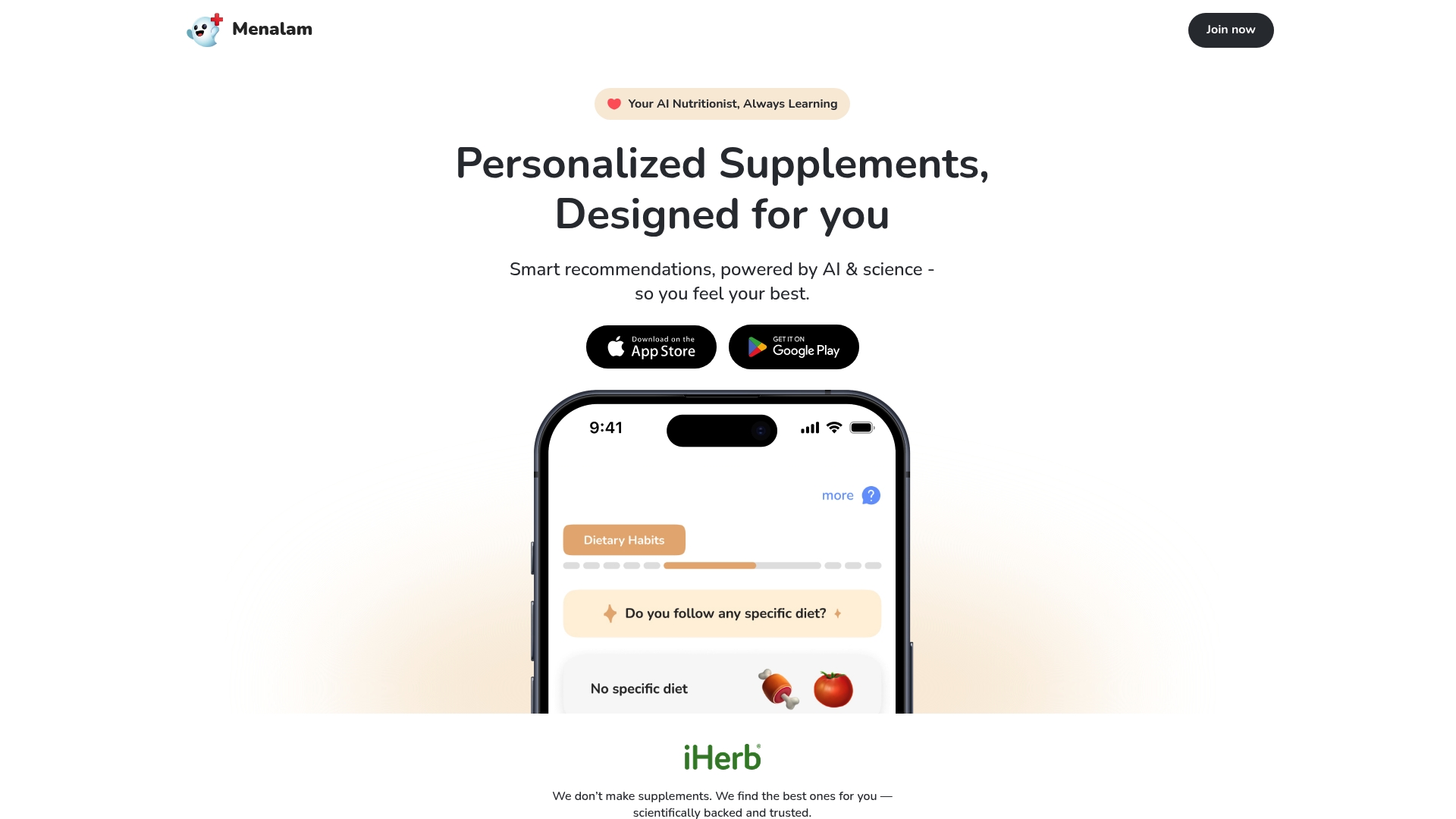
Transform how you approach your health. Menalam uses artificial intelligence to analyze your health profile, dietary habits, and test results, then delivers science-backed recommendations about vitamins you can take together for real results. Take our quick health quiz and get your personalized supplement plan along with tracking tools and smart reminders. Go beyond basic advice and take control of your well-being today. Your smarter supplement routine begins right now—discover it at Menalam’s innovative platform.
Frequently Asked Questions
What vitamins can I take together for better absorption?
Certain vitamins work synergistically to enhance absorption. For example, vitamin D should be taken with calcium for improved bone health, and vitamin C aids in the absorption of iron.
How do I determine my vitamin supplementation needs?
Start by assessing your diet, lifestyle, and health goals. A consultation with a healthcare professional can help identify specific nutrient deficiencies through blood tests and personal evaluations.
Can I take all my vitamins at once?
While some vitamins can be taken together, others may interact negatively. For instance, taking high doses of zinc may inhibit copper absorption. It’s essential to space out vitamins based on their interactions and absorption requirements.
How often should I adjust my vitamin intake?
Regular monitoring of your body’s response to vitamins is crucial. Review your regimen every few months or upon noticing changes in your health. Consulting with a healthcare provider can guide necessary adjustments based on your unique needs.
Leave a Reply