

Switching up your eating habits feels like a huge leap, especially when most diets fail to stick for nearly 80 percent of people who make drastic changes overnight. Most folks think willpower is all it takes and just grit through. Surprise. The secret to a lasting healthier diet is not a giant overhaul, but tracking the tiny bites and finding your own rhythm before making any changes at all.
Table of Contents
- Step 1: Assess Your Current Eating Habits
- Step 2: Define Your Dietary Goals
- Step 3: Research Suitable Diets
- Step 4: Create a Transition Plan
- Step 5: Implement Gradual Changes
- Step 6: Monitor Your Progress and Adjust
Quick Summary
| Key Point | Explanation |
|---|---|
| 1. Document Your Eating Habits | Track all food consumed for a week, noting portion sizes and times to understand current habits. |
| 2. Define Clear Dietary Goals | Set specific, measurable, and realistic health objectives tailored to your needs and lifestyle. |
| 3. Research Evidence-Based Diets | Investigate dietary patterns supported by science that align with your health goals, avoiding fad diets. |
| 4. Create a Detailed Transition Plan | Develop a phased approach to gradually introduce new foods and dietary changes, making it manageable. |
| 5. Regularly Monitor and Adjust | Track multiple health indicators and adjust your nutrition strategy based on progress and personal responses. |
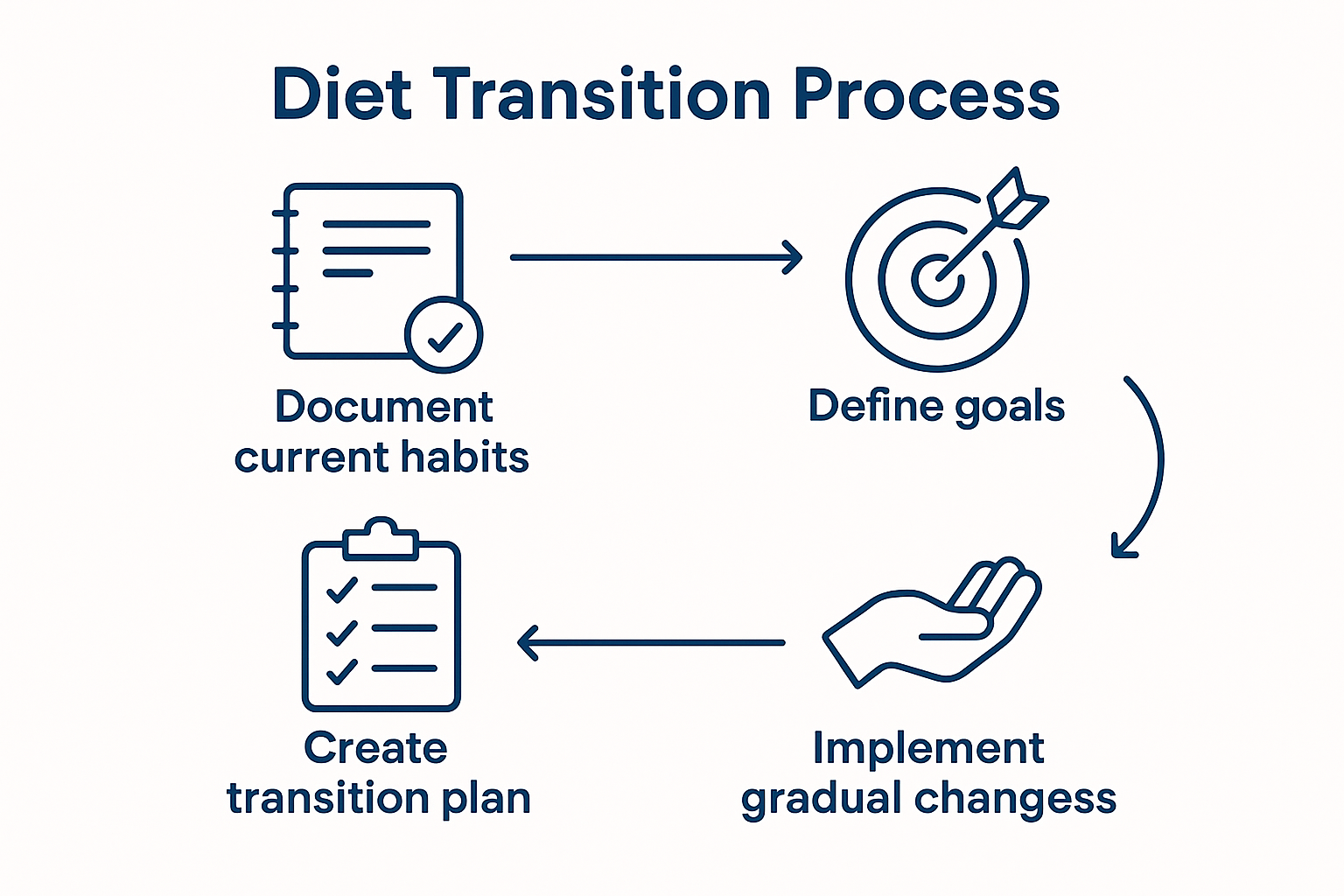
Step 1: Assess Your Current Eating Habits
Transitioning your diet successfully begins with a comprehensive understanding of your current nutritional landscape. This crucial first step involves creating a detailed snapshot of your existing eating patterns, identifying potential areas for improvement, and establishing a baseline for your nutritional journey.
Start by documenting everything you consume for a full week. This means tracking not just main meals, but also snacks, beverages, and even small bites throughout the day. Use a digital food tracking app or a simple notebook to record precise details such as portion sizes, ingredients, and times of consumption. The goal is to develop an unfiltered, honest representation of your current dietary habits.
Centers for Disease Control and Prevention recommends focusing on understanding the nutritional composition of your current diet. Look beyond just calories and examine the quality of nutrients you’re consuming. Are you getting sufficient vegetables, lean proteins, and whole grains? Are processed foods dominating your meals? Analyze your food choices with a critical yet compassionate eye.
Pay special attention to patterns and triggers in your eating habits. Do you tend to eat when stressed? Do late-night snacks derail your nutrition goals? Recognize emotional and situational eating patterns that might be undermining your health objectives. Understanding these nuanced behaviors is key to creating sustainable dietary changes.
Key verification points for completing this assessment include:
- A complete 7-day food log with detailed entries
- Identification of nutritional gaps in your current diet
- Recognition of emotional eating patterns
- Clear insights into your typical food choices and portion sizes
Remember, this assessment is not about judgment but about gathering valuable information that will guide your personalized nutrition strategy. By developing a clear, honest picture of your current eating habits, you’re laying the groundwork for a successful dietary transition that aligns with your health goals.
Below is a checklist to help you verify that you have fully completed the assessment of your current eating habits. Use this table as a quick reference to ensure nothing is overlooked.
| Verification Step | Description |
|---|---|
| 7-day food log completed | Document all meals, snacks, and beverages for a full week |
| Portion sizes and times recorded | Note precise amounts and timing for every food and drink entry |
| Nutritional gaps identified | Analyze for missing food groups or nutrients |
| Emotional eating patterns recognized | Detect situations where emotions influence eating habits |
| Typical food choices and portions summarized | Review which foods and average portions define your usual intake |
| Non-judgmental reflection performed | Ensure assessment is honest and compassionate |
Step 2: Define Your Dietary Goals
Defining your dietary goals is a transformative process that bridges the gap between your current eating habits and your ideal nutritional profile. This step requires honest self-reflection, strategic planning, and a clear understanding of your personal health objectives.
Begin by conducting a comprehensive self-assessment that goes beyond surface-level desires. Articulate specific, measurable goals that reflect your holistic health vision. Are you seeking weight management, increased energy, improved athletic performance, managing a health condition, or overall wellness optimization? Each goal demands a nuanced approach tailored to your unique physiological needs.
Dietary Guidelines for Americans emphasizes the importance of creating sustainable, personalized nutrition strategies. Consider consulting with a registered dietitian or nutritionist who can help translate your objectives into practical dietary recommendations. They can provide expert insights into crafting goals that are both ambitious and achievable.
When defining your goals, embrace a multidimensional perspective. Nutrition isn’t just about calories or macronutrients – it’s about nourishing your body, supporting mental clarity, and enhancing overall quality of life. Break down your primary goal into smaller, actionable milestones that create a sense of progression and maintain motivation.
Key elements to include in your goal-setting process:
- Specific health outcomes you want to achieve
- Realistic timeline for goal implementation
- Measurable metrics to track progress
- Potential challenges and preemptive strategies
- Emotional and psychological motivations behind your goals
Remember that dietary goals are not static blueprints but dynamic roadmaps. They should evolve as you progress, adapting to your changing body, lifestyle, and health requirements. Approach this process with flexibility, compassion, and a commitment to continuous learning and self-improvement.
Step 3: Research Suitable Diets
Researching suitable diets is a critical phase in your nutritional transformation, requiring a methodical and open-minded approach. This step involves exploring dietary frameworks that align with your previously defined health goals, personal preferences, and physiological requirements.
Begin by casting a wide net in your research, examining evidence-based dietary approaches beyond trendy fad diets. Prioritize scientific credibility and long-term sustainability over quick-fix solutions. Consider established nutritional frameworks like Mediterranean, plant-based, low-carbohydrate, and balanced whole-food diets that have demonstrated consistent health benefits.
National Institutes of Health research underscores the importance of choosing dietary patterns that support long-term health outcomes. Investigate each potential diet’s nutritional profile, examining how it addresses your specific health objectives, potential nutrient deficiencies, and compatibility with your lifestyle.
Dive deeper than surface-level descriptions. Scrutinize the scientific literature, read peer-reviewed studies, and consult reputable nutrition journals. Look for dietary approaches that offer comprehensive nutritional balance, emphasizing whole foods, nutrient density, and metabolic flexibility. Pay attention to how different diets impact not just weight, but overall health markers like inflammation, energy levels, and metabolic function.
Key research considerations include:
- Scientific evidence supporting the diet’s health claims
- Potential nutritional gaps or supplementation needs
- Compatibility with your personal food preferences
- Long-term sustainability and adaptability
- Potential interactions with existing health conditions
Remember that diet research is not about finding a universal solution, but discovering a personalized nutritional strategy that resonates with your unique physiological and psychological needs. Approach this exploration with curiosity, skepticism, and a commitment to your holistic well-being.
Here is a comparison table to help you evaluate and select suitable dietary approaches based on key features mentioned in the article. Use this as a reference when researching and choosing evidence-based diets that match your personal needs.
| Diet Approach | Scientific Evidence | Sustainability | Food Preference Compatibility | Potential Nutrient Gaps |
|---|---|---|---|---|
| Mediterranean | Strong | High | Omnivore, flexitarian | Usually minimal |
| Plant-Based | Strong | High | Vegetarian, vegan | B12, iron, omega-3 |
| Low-Carbohydrate | Moderate | Medium | Varies (depends on plan) | Fiber, some vitamins |
| Balanced Whole-Food | Strong | High | Flexible | Minimal |
| Fad Diets | Weak | Low | Narrow/restrictive | Multiple |
Step 4: Create a Transition Plan
Creating a transition plan transforms your dietary research into a practical, actionable roadmap. This crucial step bridges the gap between intention and implementation, requiring strategic thinking, self-awareness, and a compassionate approach to personal change.
Develop a phased approach that allows gradual dietary adaptation rather than abrupt, overwhelming modifications. Start by identifying which current foods you’ll gradually replace and which new nutritional elements you’ll introduce. Consider your lifestyle, cooking skills, time constraints, and budget when designing this transition strategy. Realistic planning prevents burnout and increases the likelihood of long-term success.
Harvard T.H. Chan School of Public Health emphasizes the importance of personalized, incremental dietary shifts. Break your transition into manageable weekly or monthly milestones. For instance, if moving towards a plant-based diet, begin by introducing one meatless meal per week, then progressively increase plant-based meal frequency as you become more comfortable with new recipes and ingredients.
Incorporate practical tools to support your transition. Meal preparation becomes critical during dietary changes. Dedicate specific time each week to planning menus, grocery shopping, and prepping ingredients. This proactive approach reduces decision fatigue and helps maintain consistency. Consider using digital meal planning apps or maintaining a physical nutrition journal to track your progress and document successful strategies.
Key elements of an effective transition plan include:
- Specific, measurable dietary modification goals
- Realistic timeline for implementing changes
- Contingency strategies for potential challenges
- Regular self-assessment checkpoints
- Flexibility to adjust the plan as needed
Remember that a successful dietary transition is not about perfection but consistent, intentional progress. Approach your plan with patience, curiosity, and a willingness to learn from both successes and temporary setbacks. Your transition is a personal journey of nutritional self-discovery, designed to support your unique health objectives.

Step 5: Implement Gradual Changes
Implementing gradual changes is the pivotal moment where your carefully crafted dietary transition plan transforms from theoretical strategy to practical reality. This step demands patience, self-compassion, and a strategic approach to nutritional transformation.
Start with small, manageable modifications that feel less overwhelming and more sustainable. Instead of completely overhauling your entire diet overnight, focus on introducing one or two new nutritional elements each week. This might mean replacing processed snacks with whole food alternatives, incorporating an additional serving of vegetables into your daily meals, or swapping sugary beverages for herbal teas and water.
Harvard T.H. Chan School of Public Health emphasizes the importance of incremental dietary shifts. Consider creating a visual tracking system to monitor your progress and maintain motivation. Use a journal, smartphone app, or simple spreadsheet to log your daily nutritional choices, noting how each change impacts your energy levels, mood, and overall well-being.
Anticipate and plan for potential obstacles that might derail your progress. Social situations, stress, and ingrained eating habits can challenge your commitment. Develop flexible strategies for maintaining your nutritional goals in various contexts. This might involve preparing healthy snacks in advance, practicing mindful eating techniques, or communicating your dietary goals with friends and family who can offer support.
Key strategies for successful gradual implementation include:
- Introducing one new healthy food or recipe each week
- Creating a supportive environment that facilitates nutritional changes
- Developing backup plans for challenging dietary scenarios
- Practicing self-compassion during moments of temporary setback
- Regularly reassessing and adjusting your approach
Remember that dietary transitions are deeply personal journeys. Embrace the process with curiosity and kindness, understanding that sustainable change happens through consistent, intentional choices rather than dramatic, unsustainable transformations. Your commitment to gradual, mindful progress is the cornerstone of long-term nutritional success.
Step 6: Monitor Your Progress and Adjust
Monitoring your progress and making strategic adjustments is the most dynamic phase of your dietary transition, transforming your nutrition plan from a static document into a living, responsive strategy. This step requires consistent self-observation, honest reflection, and a willingness to adapt your approach based on real-world results.
Establish comprehensive tracking mechanisms that go beyond simple weight measurements. Create a holistic monitoring system that captures multiple health indicators such as energy levels, sleep quality, mood, cognitive performance, and physical symptoms. Use digital health apps, wearable fitness trackers, or a detailed personal journal to document these multifaceted metrics consistently.
U.S. Department of Agriculture’s MyPlate recommends implementing regular check-ins to evaluate nutritional progress. Schedule monthly or quarterly comprehensive assessments where you thoroughly review your dietary goals, actual performance, and emerging health patterns. During these reviews, analyze which strategies worked effectively, which challenges arose, and how your body responded to specific nutritional modifications.
Develop a flexible mindset that views dietary adjustments as opportunities for learning rather than failures. If certain approaches aren’t delivering expected results, investigate why without self-judgment. Consider consulting nutrition professionals who can provide objective insights and help recalibrate your strategy based on scientific evidence and your individual physiological responses.
Key elements for effective progress monitoring include:
- Establishing clear, measurable health indicators
- Creating a consistent tracking routine
- Scheduling regular comprehensive nutrition reviews
- Maintaining openness to strategic modifications
- Documenting both quantitative and qualitative health changes
Remember that nutritional optimization is a nuanced, personalized journey. Your body’s needs are dynamic, and your dietary approach should reflect this complexity. Embrace the process of continuous refinement, understanding that each adjustment brings you closer to your ultimate health objectives. Patience, curiosity, and self-compassion are your most valuable tools in this transformative nutritional expedition.
Unlock Personalized Nutrition Success for 2025
You have taken the time to assess your eating habits, define your health goals, and build a transition plan, but real change can feel overwhelming without true personalization. The article highlighted how emotional eating patterns and ongoing dietary adjustments can make sustainable progress difficult. You need support that adapts to your evolving needs and gives you clear, data-driven guidance every step of the way.
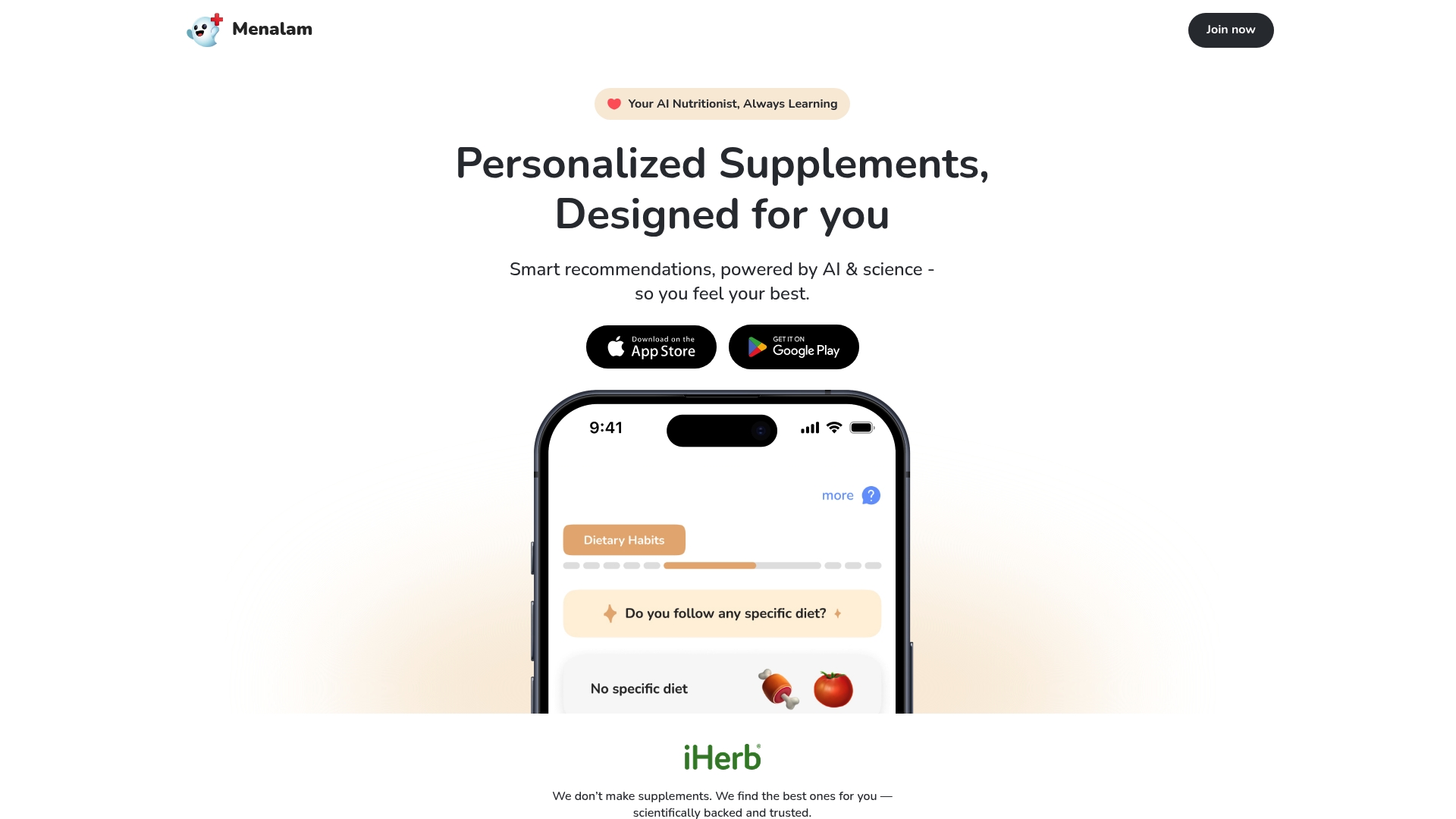
Take the next step now and experience nutrition transformation with Menalam’s digital nutritionist. Complete a quick health quiz to receive intelligent supplement recommendations designed for your unique lifestyle and goals. Effortlessly track your habits and progress in the Menalam mobile app. Receive smart reminders and ongoing adjustments—so your nutrition plan grows with you over time. Visit https://menalam.com today and let Menalam empower your journey to optimal health in 2025.
Frequently Asked Questions
How can I assess my current eating habits effectively?
Start by documenting everything you consume for a full week, including meals, snacks, and beverages. Use an app or a notebook to track portion sizes, ingredients, and eating times to create a comprehensive overview of your dietary patterns.
What should I consider when defining my dietary goals?
When defining dietary goals, focus on specific health outcomes, create measurable metrics for progress, and consider your personal health objectives. Also, identify potential challenges and emotional motivations behind your goals.
How do I research suitable diets for my health needs?
Research suitable diets by exploring established nutritional frameworks that align with your health goals. Look for scientific credibility and long-term sustainability, and scrutinize the nutritional profiles of various dietary approaches, considering their effects on overall health.
What are effective strategies for implementing gradual dietary changes?
To implement gradual changes, start with small, manageable modifications like introducing one new healthy food each week. Prepare for potential obstacles and develop flexible strategies to maintain your nutritional goals in various situations.
Leave a Reply