
Tracking your health used to mean yearly checkups and a few scribbled notes from your doctor. Now everything has changed. With digital apps and wearable devices, people are tracking every step, heartbeat, and even sleep, giving themselves instant feedback at a level never seen before. But the real surprise is the impact. One study tracked 1.4 million fitness app users and found that consistent self-monitoring massively increased long-term health success. So if you thought health tracking was just another tech fad, think again. Becoming your own best expert has never been easier or more powerful.
Table of Contents
- Why Tracking Health Progress Matters
- Best Methods For Monitoring Your Wellness
- Using Technology To Personalize Health Tracking
- Applying Your Progress Data To Reach Goals
Quick Summary
| Takeaway | Explanation |
|---|---|
| Tracking health empowers informed decisions | Actively monitoring health metrics helps individuals recognize patterns and make proactive lifestyle changes. |
| Digital tools enhance wellness tracking | Wearable devices and apps provide real-time insights and actionable recommendations for effective health monitoring. |
| Set specific health goals for success | Establishing clear, measurable objectives based on personal health data fosters accountability and motivates progress. |
| Analyze trends to optimize performance | Identifying patterns in health metrics allows for informed adjustments in wellness strategies and goal-setting. |
| Integrate various health factors for holistic understanding | Combining physical, nutritional, and mental health assessments offers a comprehensive view of overall wellbeing. |
Why Tracking Health Progress Matters
Tracking health progress is more than a trend. It represents a fundamental shift in how individuals approach personal wellness, transforming passive healthcare consumption into active, data-driven self-management. The ability to monitor and understand one’s health metrics provides unprecedented insights into individual physiological patterns and potential areas of improvement.
Understanding Personal Health Dynamics
Modern healthcare increasingly recognizes the power of personal health tracking. Research published in JAMA highlights that self-monitoring health metrics is directly linked to healthier behaviors and improved disease management. By consistently tracking key health indicators, individuals gain a comprehensive view of their physical condition, enabling more proactive and personalized wellness strategies.
The significance of health tracking extends beyond simple number recording. It empowers individuals to recognize subtle changes in their body, detect potential health risks early, and make informed decisions about lifestyle modifications. For instance, tracking blood pressure, heart rate, sleep patterns, and physical activity can reveal trends that might otherwise go unnoticed until they become more serious health concerns.
Technology Enabling Comprehensive Health Insights
A systematic review from the National Institutes of Health demonstrates that digital health tracking supports behavior change and increases self-efficacy. Modern technologies like smartphone apps, wearable devices, and integrated health platforms have revolutionized how people monitor their wellness. These tools provide real-time data, personalized recommendations, and seamless integration of various health metrics.
By collecting and analyzing comprehensive health data, individuals can:
- Detect Patterns: Identify recurring health trends and potential risk factors
- Set Realistic Goals: Develop targeted wellness strategies based on personal metrics
- Monitor Progress: Track improvements and adjust lifestyle choices accordingly
Moreover, health tracking is not just about identifying problems. It’s a proactive approach to understanding one’s body, recognizing individual strengths, and creating sustainable wellness strategies. Whether managing chronic conditions, optimizing fitness performance, or simply maintaining overall health, tracking provides critical insights that traditional healthcare approaches often miss.
The evolution of health tracking represents a paradigm shift from reactive to preventive healthcare. By embracing data-driven wellness monitoring, individuals take control of their health journey, transforming complex medical information into actionable, personalized insights. As technology continues to advance, the potential for precise, individualized health management becomes increasingly sophisticated and accessible.
Best Methods for Monitoring Your Wellness
Monitoring wellness requires a comprehensive and strategic approach that goes beyond simple measurement. Effective health tracking involves understanding multiple dimensions of personal well-being, integrating advanced technologies, and creating personalized strategies that adapt to individual health needs.
Digital Tools and Tracking Technologies
Research published in the Journal of Physical Activity and Health reveals the transformative potential of wearable sensors and mobile technology for real-time health assessment. Modern digital tools offer unprecedented capabilities for continuous wellness monitoring, providing individuals with immediate insights into their physical and physiological states.
Wearable devices and smartphone applications now enable comprehensive tracking across multiple health parameters. These technologies can monitor heart rate, sleep quality, physical activity, stress levels, and even provide preliminary health risk assessments. The key advantage lies in their ability to collect granular data continuously, allowing for more nuanced understanding of personal health trends.
Comprehensive Health Assessment Strategies
Guidelines from the National Institutes of Health emphasize a holistic approach to wellness monitoring. Effective health tracking should encompass multiple interconnected dimensions:
Below is a summary table highlighting key dimensions of comprehensive health assessments, outlining the main focus areas and examples for each, as discussed in the article.
| Health Dimension | Focus Areas | Examples |
|---|---|---|
| Physical Health | Body composition, cardiovascular fitness, metabolism | Heart rate, blood pressure |
| Nutritional Status | Diet tracking, nutrient monitoring | Dietary intake, metabolic responses |
| Mental Well-being | Stress assessment, sleep, emotional resilience | Sleep quality, stress levels |
- Physical Health: Tracking metrics like body composition, cardiovascular fitness, and metabolic indicators
- Nutritional Status: Monitoring dietary intake, nutrient levels, and metabolic responses
- Mental Well-being: Assessing stress levels, sleep quality, and emotional resilience
The Centers for Disease Control and Prevention recommends developing structured wellness monitoring plans that integrate quantitative measurements with qualitative self-assessments. This approach ensures a more comprehensive understanding of an individual’s health beyond mere numerical data.
Successful wellness monitoring requires consistency, personalization, and adaptive strategies. By leveraging advanced technologies and evidence-based assessment frameworks, individuals can transform health tracking from a passive activity into an active, empowering process of self-discovery and continuous improvement. The future of personal health management lies in sophisticated, integrated approaches that provide actionable insights tailored to individual physiological profiles.
Using Technology to Personalize Health Tracking
Personalized health tracking represents a revolutionary approach to wellness, transforming how individuals understand and manage their health. Technology has become the cornerstone of this transformation, offering unprecedented capabilities to create individualized health monitoring experiences that adapt to unique physiological needs and personal wellness goals.
Advanced Algorithmic Personalization
Research published in the Journal of Medical Internet Research highlights how digital health interventions leverage sophisticated algorithms to provide real-time, personalized health insights. These intelligent systems analyze multiple data points from various sources, creating comprehensive health profiles that go beyond traditional one-size-fits-all approaches.
Modern health tracking technologies use machine learning and artificial intelligence to interpret complex health data. By integrating information from wearable devices, smartphone sensors, genetic profiles, and user-reported metrics, these systems can generate highly personalized wellness recommendations. The technology learns and adapts, continuously refining its understanding of an individual’s unique health patterns and potential risk factors.
Integrated Health Ecosystem
The future of personalized health tracking lies in creating seamless, interconnected health ecosystems. Advanced platforms now combine data from multiple sources, including:
The following table compares core health tracking technologies, their key features, and examples of health metrics they can monitor, providing a clear overview for readers considering digital tracking solutions.
| Technology Type | Key Features | Monitored Metrics |
|---|---|---|
| Wearable Devices | Continuous monitoring, real-time feedback | Physical activity, heart rate, sleep |
| Mobile Applications | Data logging, personalized recommendations | Nutrition, mental health, lifestyle |
| Blood Test Integration | Precise metabolic/physiological data | Blood glucose, cholesterol, nutrient levels |
- Wearable Devices: Continuous monitoring of physical activities, heart rate, and sleep patterns
- Mobile Applications: Detailed tracking of nutrition, mental health, and lifestyle factors
- Blood Test Integration: Precise metabolic and physiological insights
This integrated approach allows for a more holistic understanding of personal health. Instead of viewing health metrics in isolation, technology now enables comprehensive analysis that considers the intricate relationships between different bodily systems and lifestyle factors.
Personalized health tracking is no longer about collecting data. It’s about transforming raw information into actionable insights that empower individuals to make informed decisions about their wellness. As technology continues to advance, the potential for truly personalized health management becomes increasingly sophisticated, offering unprecedented levels of individual health understanding and proactive wellness strategies.
Applying Your Progress Data to Reach Goals
Transforming health tracking data into tangible wellness achievements requires strategic planning and purposeful interpretation. Raw health metrics become powerful tools for personal transformation when systematically analyzed and applied toward specific, meaningful goals.
Strategic Goal Setting
Research from the National Institutes of Health emphasizes the critical importance of establishing precise, actionable health objectives. Rather than setting vague aspirations, successful goal achievement involves creating structured, measurable targets that align with individual health profiles and physiological capabilities.
Effective goal setting requires understanding current health baselines and identifying realistic progression pathways. By analyzing accumulated health data, individuals can develop nuanced strategies that account for personal strengths, limitations, and potential growth areas. This approach transforms health tracking from passive measurement to an active planning mechanism.
Data-Driven Performance Optimization
A comprehensive study published in the Journal of Medical Internet Research analyzing data from 1.4 million fitness app users revealed fascinating insights into goal achievement. The research demonstrated that early engagement behaviors and consistent self-monitoring significantly predict long-term success. Specifically, users who logged initial progress and maintained consistent tracking were more likely to achieve sustained health improvements.
Key strategies for applying progress data include:
- Trend Analysis: Identifying patterns in health metrics
- Adaptive Goal Refinement: Continuously adjusting objectives based on collected data
- Performance Benchmarking: Comparing personal progress against established health standards
Personalized Progression Frameworks
Additional research focusing on wearable activity tracking highlighted the effectiveness of gradual, personalized goal-setting. By implementing step-by-step progression frameworks, individuals can create sustainable health improvement strategies that minimize overwhelm and maximize long-term adherence.
Successful goal application involves more than simply collecting data. It requires developing a holistic understanding of how different health metrics interconnect, creating comprehensive approaches that address physical, nutritional, and mental wellness simultaneously. The most effective health tracking strategies view data not as isolated numbers, but as dynamic indicators of overall personal well-being.
By embracing a sophisticated, data-driven approach to goal setting, individuals can transform health tracking from a passive monitoring activity into an empowering journey of continuous personal improvement. The future of wellness lies in our ability to intelligently interpret, adapt, and leverage the rich information our bodies continuously generate.
Frequently Asked Questions
What are the benefits of tracking health progress?
Tracking health progress empowers individuals to make informed decisions regarding their lifestyle choices, improve their overall wellness, and recognize patterns that can help in managing potential health issues.
What digital tools can assist in health monitoring?
Popular digital tools include wearable devices like fitness trackers, smartphone apps that monitor nutrition, and integrated health platforms that compile data from various sources for a comprehensive overview of health metrics.
How can I set effective health goals based on tracking data?
To set effective health goals, establish specific, measurable objectives that align with your personal health data. Analyze your current metrics to identify strengths and improvement areas, then create gradual progression pathways to meet your goals.
Why is personalization important in health tracking?
Personalization in health tracking is crucial because it allows individuals to tailor their wellness strategies to their unique physiological needs and lifestyle choices. This approach enhances relevance and efficacy, resulting in better health outcomes.
Transform Your Health Data Into Real Results With Menalam
You have just learned how tracking your health can change your wellness journey by making personal data the center of real, measurable progress. But many still struggle to turn health tracking into real improvements. Keeping up with supplement intake, understanding blood test results, or even knowing which changes to make based on your unique data can feel overwhelming, even with the best digital tools. Missing out on tailored support means you may lose momentum, or worse, miss warning signs hiding in your trends.
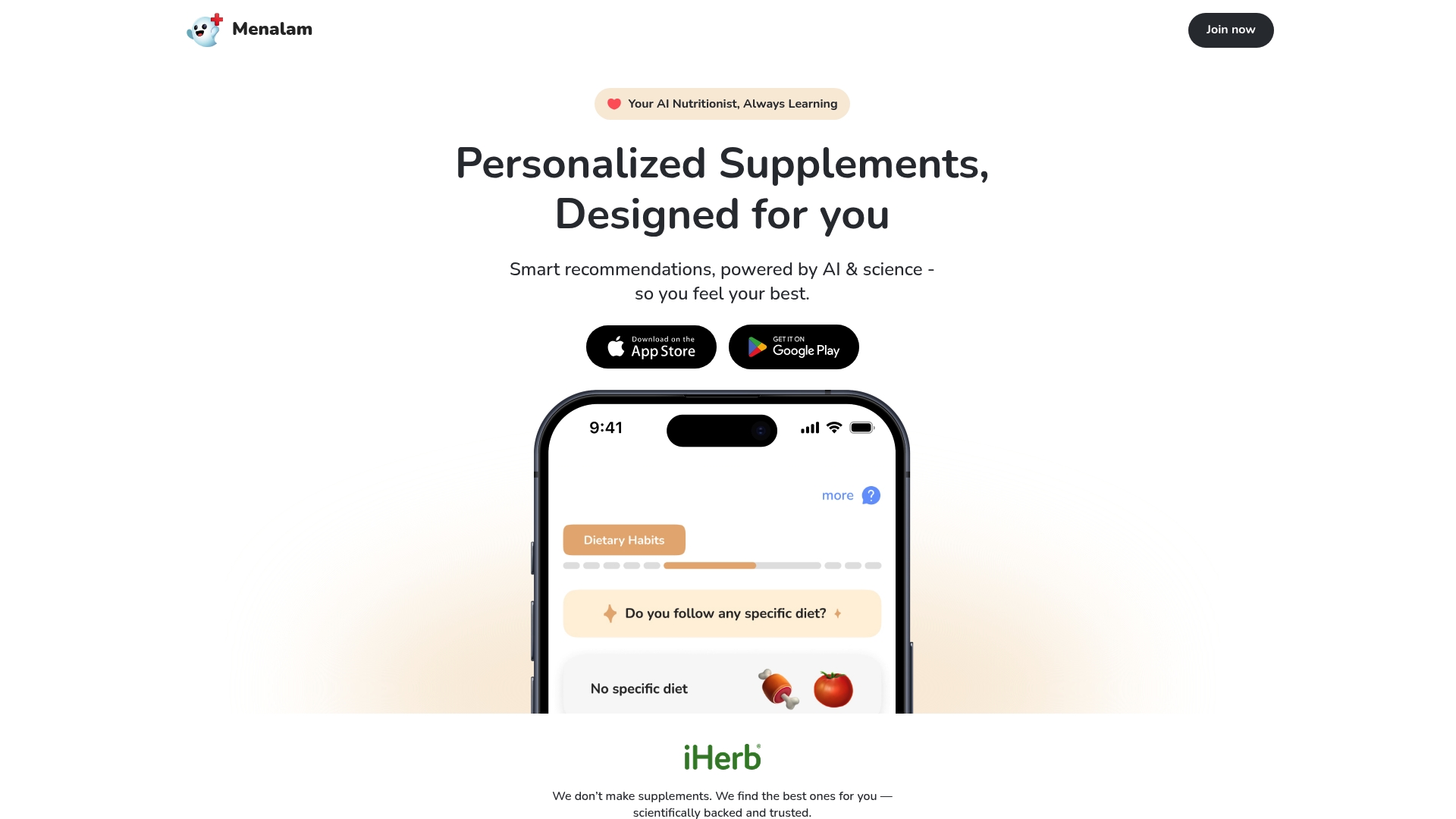
Ready to make informed changes that truly fit your life? Menalam helps you bridge the gap between understanding your tracked metrics and actually reaching your health goals. Our platform uses artificial intelligence to create personalized supplement plans, integrates your health tracking and blood test results, and gives you smart reminders so you never lose track of your progress. Take the first step now — complete a quick health quiz on Menalam to see which science-backed recommendations fit your needs. Connect your health data with actionable plans and start seeing everyday results.
Leave a Reply