
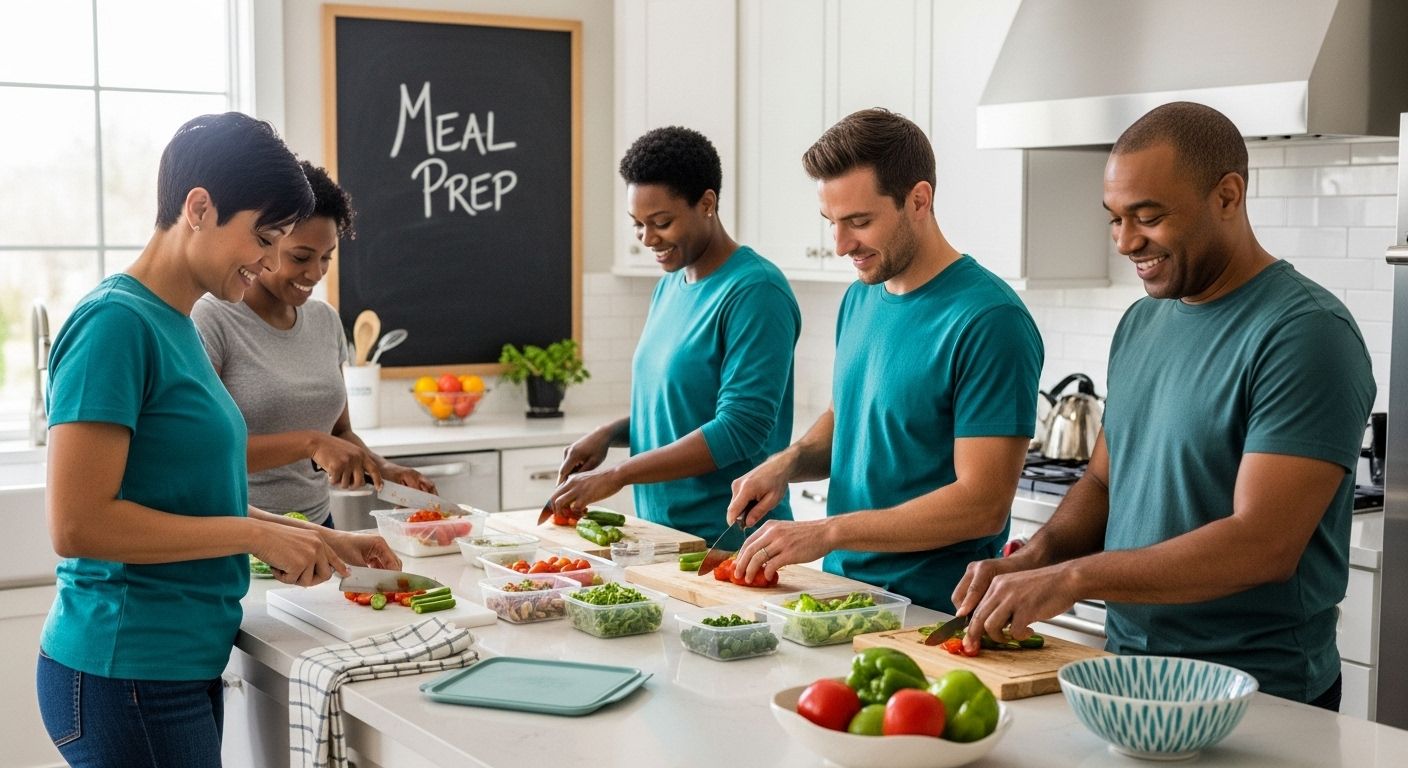
Meal prepping is catching on for a reason. Studies show that people who prep their meals are more likely to meet their nutritional goals and save serious time and money each week. You might expect that a rigid meal routine would get boring fast or feel overwhelming. Yet the real surprise is how meal prepping can actually make your diet more flexible and empowering, helping you eat better without sacrificing flavor or freedom.
Table of Contents
- Understanding The Benefits Of Meal Prepping
- Step-By-Step Guide To Effective Meal Prep
- Personalizing Meals For Nutrition And Fitness Goals
- Smart Tips For Saving Time And Staying Consistent
Quick Summary
| Takeaway | Explanation |
|---|---|
| Meal prepping enhances nutritional control. | By planning meals, you can select quality ingredients, manage portion sizes, and meet dietary goals effectively. |
| Meal prep saves time and money. | Dedicate a few hours weekly for meal prep to cut down on food expenses and reduce daily cooking time. |
| Set clear nutritional goals before prepping. | Define your objectives, such as weight loss or muscle gain, to tailor meal plans to your individual needs. |
| Batch cooking reduces daily cooking effort. | Preparing large quantities of versatile ingredients allows multiple meals to be enjoyed throughout the week with minimal effort. |
| Repurpose ingredients to minimize waste. | Use leftovers creatively to keep meals interesting and reduce food waste, saving both money and effort. |
Understanding the Benefits of Meal Prepping
Meal prepping is more than just a trendy approach to nutrition. It’s a strategic method that transforms how individuals manage their diet, health, and time. By planning and preparing meals in advance, people can achieve significant improvements in their overall wellness and lifestyle efficiency.
Nutritional Control and Improved Diet Quality
Taking control of your nutrition begins with intentional meal preparation. Research published in the International Journal of Behavioral Nutrition and Physical Activity reveals that consistent meal planning is directly correlated with healthier eating patterns. Individuals who regularly prep meals demonstrate a higher likelihood of meeting nutritional recommendations and consuming a more diverse diet.
The advantages extend beyond simple convenience. Meal prepping allows you to make deliberate choices about ingredient quality, portion sizes, and nutritional balance. Instead of relying on impulsive food decisions or fast food options, you create meals that align precisely with your health goals. This approach means you can carefully select whole grains, lean proteins, and fresh vegetables, ensuring each meal provides optimal nutritional value.
Time and Financial Efficiency
Beyond nutritional benefits, meal prepping offers substantial practical advantages. Harvard T.H. Chan School of Public Health recommends this strategy as an effective way to manage dietary intake while saving time and reducing stress. By dedicating a few hours each week to meal preparation, you eliminate daily decision fatigue around food choices and reduce the likelihood of expensive, less healthy takeout meals.
The financial savings can be significant. When you plan meals in advance, you can:
- Purchase ingredients in bulk
- Reduce food waste
- Minimize impulse food purchases
- Create more predictable grocery budgets
Moreover, the time saved during busy weekdays translates into reduced stress and more opportunities for other important activities. Imagine returning home after a long day and having a nutritious, pre-prepared meal ready in minutes instead of spending an hour cooking or waiting for delivery.
Supporting Long Term Health Goals
Meal prepping is not just a short term solution but a sustainable approach to nutrition. By consistently providing your body with well-balanced, thoughtfully prepared meals, you support long term health objectives. This method helps regulate metabolism, maintain consistent energy levels, and can be a powerful tool for weight management.
The psychological benefits are equally important. Knowing you have healthy meals prepared reduces the mental burden of constant food planning. It creates a sense of control and empowerment in your nutritional journey, making healthy eating feel more achievable and less overwhelming.
Ultimately, meal prepping is about creating a proactive relationship with nutrition. It transforms eating from a reactive, stress-induced activity to a deliberate, health-supporting practice that enhances overall quality of life.
Step-by-Step Guide to Effective Meal Prep
Successful meal prepping requires a systematic approach that transforms your nutrition strategy from chaotic to calculated. By following a structured method, you can turn meal preparation from an overwhelming task into an efficient, enjoyable process that supports your health and fitness goals.
Planning and Goal Setting
Healthline’s comprehensive meal prep guide emphasizes the critical first step of establishing clear nutritional objectives. Before diving into cooking, take time to define what you want to achieve. Are you looking to lose weight, build muscle, improve overall nutrition, or save time during busy weekdays? Your goals will directly influence your meal prep strategy.
Start by assessing your current dietary habits and nutritional needs. Consider factors like:
- Caloric requirements
- Macronutrient balance
- Dietary restrictions or preferences
- Weekly schedule and time availability
Creating a detailed meal plan is not just about randomly selecting recipes. It requires strategic thinking about ingredient compatibility, cooking methods, and portion sizes that align with your specific health objectives.
Practical Preparation Techniques
The Cleveland Clinic’s beginner’s guide offers insights into different meal prep approaches. There are multiple strategies you can adopt depending on your lifestyle and comfort level:
Here is a table summarizing the main meal prep methods discussed in the article, including their key features and best use cases. This helps you quickly compare and select the approach that fits your lifestyle best.
| Meal Prep Method | Description | Best For |
|---|---|---|
| Batch Cooking | Large quantities of base ingredients cooked at once | Flexibility, multiple meal types |
| Individual Portioning | Meals divided into grab-and-go containers | Precise control, calorie management |
| Ingredient Prepping | Ingredients (e.g., veggies, proteins) prepped in advance | Reducing daily cooking time |
Batch Cooking: Prepare large quantities of base ingredients that can be mixed and matched throughout the week. This might include cooking proteins like chicken or tofu, roasting vegetables, or preparing grains in bulk.
Individual Portioning: Divide meals into grab-and-go containers, ensuring precise calorie and nutrient control. This method works exceptionally well for individuals with specific fitness or weight management goals.
Ingredient Prepping: Chop vegetables, marinate proteins, and pre-mix spice blends in advance. This technique reduces daily cooking time and makes meal assembly quick and straightforward.
Key tools for successful meal prep include:
- High-quality food storage containers
- Kitchen scale for precise portioning
- Sharp knives and cutting boards
- Meal planning app or spreadsheet
Execution and Consistency
The final stage of effective meal prepping is developing a consistent routine. Choose a specific day and time each week dedicated to meal preparation. Many people find Sunday afternoon or evening ideal for planning, shopping, and cooking for the upcoming week.
Start small and gradually build complexity. Do not attempt to prepare every single meal in one go. Begin with a few meals or components and expand your repertoire as you become more comfortable with the process. Track your progress, noting what works well and areas for improvement.
Remember that meal prepping is a skill that improves with practice. Each week, you’ll become more efficient, creative, and confident in your approach. The initial time investment pays significant dividends in health, convenience, and nutritional consistency.
Ultimately, successful meal prepping is about creating a sustainable system that supports your lifestyle. It’s not about perfection but about making consistent, incremental improvements to your nutrition and wellness strategy.
Personalizing Meals for Nutrition and Fitness Goals
Personalizing meals is not a one-size-fits-all approach but a nuanced strategy that considers individual health objectives, metabolic needs, and lifestyle factors. The era of generic nutrition plans is giving way to more sophisticated, targeted dietary strategies that recognize each person’s unique physiological requirements.
Understanding Individual Nutritional Needs
Research from the NutrifyAI system highlights the importance of personalized nutrition through advanced technological approaches. With food detection accuracy approaching 80%, modern tools can provide immediate, precise insights into dietary composition and nutritional content.
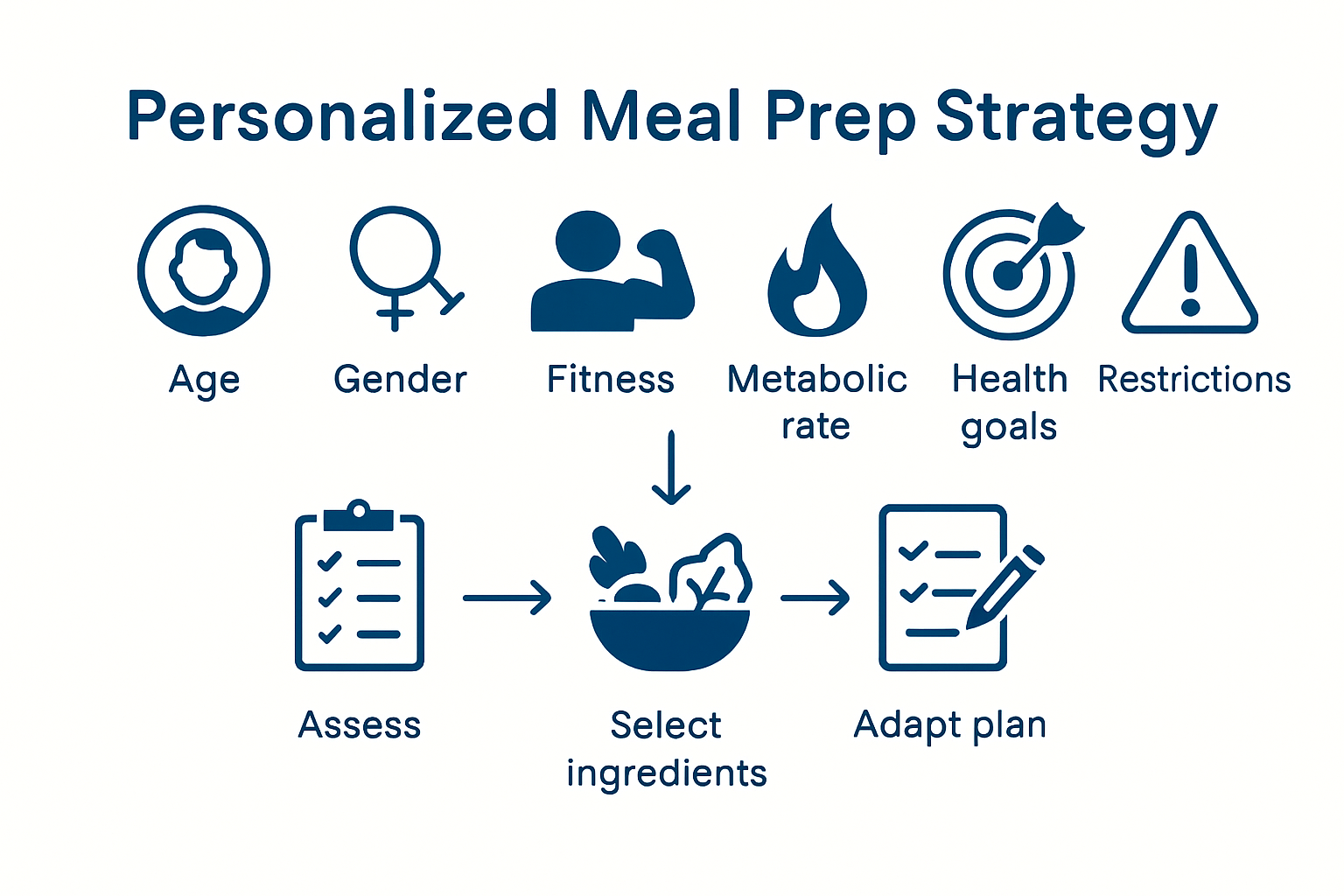
Personalization begins with comprehensive assessment. This involves analyzing multiple factors such as:
To help personalize your meal prep, the following table highlights the main factors to consider based on your individual needs. Use it as a checklist to ensure your nutrition plan matches your goals and lifestyle.
| Factor | Description |
|---|---|
| Age and Gender | Biological demographic impacts nutrient needs |
| Current Fitness Level | Dictates calorie and macro requirements |
| Metabolic Rate | Influences total energy needs |
| Specific Health Goals | Weight loss, muscle gain, wellness, etc. |
| Existing Medical Conditions | May require dietary adjustments |
| Preferences/Restrictions | Allergies, intolerances, personal choices |
- Age and gender
- Current fitness level
- Metabolic rate
- Specific health goals
- Existing medical conditions
- Dietary preferences and restrictions
By collecting detailed information, you can create a nutrition plan that goes beyond generic recommendations. Each meal becomes a targeted intervention designed to support your specific physiological objectives, whether that involves muscle building, weight management, or overall wellness optimization.
Advanced Meal Planning Strategies
The NutriGen framework demonstrates how large language models can generate personalized meal plans with remarkable precision. These advanced systems can produce meal recommendations that align within 1.55% to 3.68% of targeted caloric requirements, offering unprecedented accuracy in nutritional planning.
Effective personalization involves several key strategies:
- Macro and micronutrient balance
- Caloric alignment with fitness goals
- Ingredient substitution for dietary restrictions
- Flavor profile customization
Technology now enables dynamic meal planning that adapts in real time. The PROTEIN app research showcases how AI-driven platforms can continuously re-calibrate nutritional recommendations based on user feedback and ongoing performance metrics.
Implementing Personalized Nutrition
Successful personalization requires an iterative approach. Start by establishing baseline metrics through comprehensive health assessments. This might involve metabolic testing, body composition analysis, and detailed nutritional screenings.
Consider working with nutrition professionals who can help interpret complex data and design truly personalized meal strategies. They can provide insights that go beyond algorithmic recommendations, understanding the nuanced interplay between diet, metabolism, and individual physiological responses.
Track your progress meticulously. Use tools that allow you to log meals, monitor nutritional intake, and assess how different dietary approaches impact your energy levels, body composition, and overall performance. This data-driven approach transforms meal planning from a static process to a dynamic, responsive system.
Remember that personalization is an ongoing journey. Your nutritional needs will evolve with changes in fitness level, age, health status, and personal goals. Remain flexible, open to adjustment, and committed to continuous learning about your body’s unique nutritional requirements.
Ultimately, personalized nutrition is about empowerment. It’s a holistic approach that recognizes nutrition as a powerful tool for optimizing health, performance, and overall quality of life.
Smart Tips for Saving Time and Staying Consistent
Consistency in meal prepping is not about perfection but about developing sustainable strategies that make healthy eating convenient and achievable. Transforming meal preparation from a time-consuming chore into an efficient, streamlined process requires smart planning and strategic approaches.
Kitchen Organization and Efficiency
The USDA’s MyPlate initiative provides practical insights into kitchen optimization. Efficient meal prepping starts with creating a functional workspace that minimizes unnecessary movement and maximizes productivity.
Key organizational strategies include:
- Clearing countertops before starting
- Keeping frequently used tools and ingredients accessible
- Investing in quality food storage containers
- Maintaining a clean workspace during preparation
Prepare your kitchen like a professional chef would. Gather all ingredients and tools before beginning, which reduces stress and prevents last-minute scrambling. This approach transforms meal preparation from a potentially overwhelming task into a smooth, enjoyable experience.
Batch Cooking and Flexible Meal Strategies
The University of Alabama at Birmingham recommends utilizing batch cooking techniques to maximize efficiency. Large-quantity cooking methods like preparing soups, stews, and casseroles can provide multiple meals with minimal additional effort.
Smart batch cooking involves:
- Preparing versatile base ingredients
- Using slow cookers for hands-off cooking
- Creating sheet pan meals for easy preparation
- Developing recipes that can be easily modified
These techniques allow you to cook once and eat multiple times, significantly reducing daily cooking time. By preparing foundational ingredients that can be transformed into different meals, you create flexibility in your meal plan while maintaining nutritional consistency.
Ingredient Repurposing and Waste Reduction
Clemson University’s Home & Garden Information Center emphasizes the importance of ingredient versatility. Smart meal preppers view leftovers not as repetitive meals but as opportunities for culinary creativity.
Strategies for ingredient repurposing include:
- Using leftover proteins in salads, wraps, or grain bowls
- Transforming roasted vegetables into soups or sauces
- Incorporating extra grains into frittatas or stir-fries
- Freezing surplus ingredients for future use
This approach reduces food waste, saves money, and keeps meals interesting. By viewing ingredients as adaptable components rather than single-use items, you can maintain variety and excitement in your meal prep routine.
Consistency ultimately comes from making meal preparation feel less like a chore and more like a sustainable lifestyle choice. Develop a routine that feels manageable, enjoyable, and aligned with your personal health goals. Remember that perfection is not the objective—progress and sustainable habits are what truly matter in your nutrition journey.

Frequently Asked Questions
What are the benefits of meal prepping for health and fitness?
Meal prepping enhances nutritional control, saves time and money, and supports long-term health goals by providing organized meal options that align with your dietary needs.
How can I start meal prepping effectively?
Begin by setting clear nutritional goals, planning your meals based on those objectives, and utilizing different cooking methods like batch cooking or individual portioning to streamline the process.
What strategies can I use to personalize my meal prep?
Consider factors such as your age, fitness level, and specific health goals. Use this information to balance macronutrients and customize meals according to dietary preferences or restrictions.
How can I reduce waste when meal prepping?
Repurpose leftover ingredients creatively, such as transforming roasted vegetables into soups or using extra proteins in salads. This approach not only minimizes waste but also keeps meals interesting.
Make Meal Prep Even Smarter With Personalized Nutrition
Reading about the benefits and strategies of meal prep gives you powerful tools to build better habits. Still, many people struggle to know exactly what their bodies need or worry that generic plans will not deliver the right results. Meal prepping is even more effective when you match it with recommendations designed for your unique health profile, goals, and routine. Imagine building your weekly meals with real data about your nutritional needs and clear reminders to support your supplement and health journey.
Take your nutrition further today. Menalam uses advanced artificial intelligence to analyze your health quiz, dietary preferences, and even blood test results, so you get supplement plans and habit reminders built just for you. Ready to see how data-driven personalization can maximize your meal prep efforts? Visit Menalam’s platform now and get your tailored plan in minutes. The best time to start customizing your health is now.
Leave a Reply