

Everyone wants a stronger immune system in 2025 and it all comes down to choices you make every day. Here is something that surprises a lot of people. Research shows adults who get just one extra hour of quality sleep can significantly increase the number of infection-fighting immune cells in their bodies. Most people focus on superfoods or trendy supplements but real immune strength often starts with habits hiding in plain sight. Curious about the overlooked factors holding your immunity back? Let’s look closer.
Table of Contents
- Understanding How Your Immune System Works
- Nutrition And Lifestyle Changes To Boost Immunity
- Science-Backed Supplements For A Stronger Immune System
- Tracking Progress And Personalizing Your Immunity Plan
Quick Summary
| Takeaway | Explanation |
|---|---|
| Strengthen immunity with nutrition | Focus on vitamins C, D, zinc, and protein for immune cell health. Balanced nutrition is essential for optimal immune function. |
| Manage stress for better health | Chronic stress harms immune response. Techniques like meditation and exercise reduce stress levels, enhancing immune resilience. |
| Prioritize sleep quality | Aim for 7-9 hours of quality sleep. Sleep is critical for immune cell production and optimal immune system performance. |
| Utilize targeted supplements wisely | Choose high-quality supplements like vitamin D and zinc. Proper integration of supplements supports your immune health while avoiding excess. |
| Personalize your immunity strategy | Use advanced tracking and profiling for tailored immune support. Understanding your unique health profile helps optimize your immune plan. |
Understanding How Your Immune System Works
The human immune system represents a sophisticated defense mechanism that protects our body against harmful pathogens, viruses, and diseases. Understanding its intricate workings provides crucial insights into how to effectively boost immunity and maintain optimal health.
The Two Pillars of Immune Defense
Our immune system operates through two primary components that work in remarkable harmony. According to the National Institute of General Medical Sciences, these are the innate and adaptive immune systems.
The innate immune system provides immediate, generalized protection against invading organisms. This first line of defense includes physical barriers like skin and mucous membranes, as well as specialized white blood cells that rapidly respond to potential threats. When a pathogen enters the body, these frontline defenders quickly mobilize to neutralize the risk.
In contrast, the adaptive immune system develops a more targeted response. This sophisticated network learns and remembers specific pathogens, creating specialized antibodies that can recognize and neutralize particular threats more efficiently in future encounters. It’s essentially the body’s intelligent defense mechanism that becomes more refined with each exposure.
Critical Components of Immune Function
Research from Johns Hopkins Medicine highlights several key organs and tissues integral to immune system functionality. The bone marrow serves as the primary production site for immune cells, generating white blood cells that patrol the body. The lymph nodes act as strategic filtering stations, trapping and destroying harmful microorganisms.
The spleen plays a crucial role in filtering blood and removing old or damaged red blood cells. Meanwhile, the thymus gland is responsible for maturing T lymphocytes, which are essential in coordinating immune responses. These interconnected systems work seamlessly to detect, respond to, and neutralize potential health threats.
To help you better understand the main organs and tissues involved in immune function, here’s a table summarizing their roles:
| Organ/Tissue | Primary Role in Immune System |
|---|---|
| Bone Marrow | Produces immune cells (white blood cells) |
| Lymph Nodes | Filter/trap pathogens, destroy harmful microorganisms |
| Spleen | Filters blood, removes old/damaged red blood cells |
| Thymus Gland | Matures T lymphocytes (coordination of immune response) |
Maintaining Optimal Immune Performance
The Cleveland Clinic emphasizes that lifestyle factors significantly impact immune system effectiveness. Nutrition, sleep, stress management, and physical activity directly influence how well our immune defenses function.
A balanced diet rich in vitamins and minerals provides the necessary nutrients for immune cell production. Regular exercise promotes circulation and helps immune cells move more efficiently through the body. Quality sleep allows the immune system to regenerate and strengthen its protective mechanisms.
Understanding these complex interactions empowers individuals to make informed choices about their health. By recognizing the immune system’s intricate design and supporting its natural functions, we can develop more robust, responsive defenses against potential health challenges.
Remember, your immune system is not just a passive shield but an active, intelligent network constantly working to protect and maintain your overall well-being.
Nutrition and Lifestyle Changes to Boost Immunity
Strengthening your immune system requires a holistic approach that combines strategic nutrition, mindful lifestyle choices, and targeted health practices. By understanding how specific dietary and behavioral modifications can enhance immune function, you can proactively support your body’s natural defense mechanisms.
Strategic Nutritional Foundations
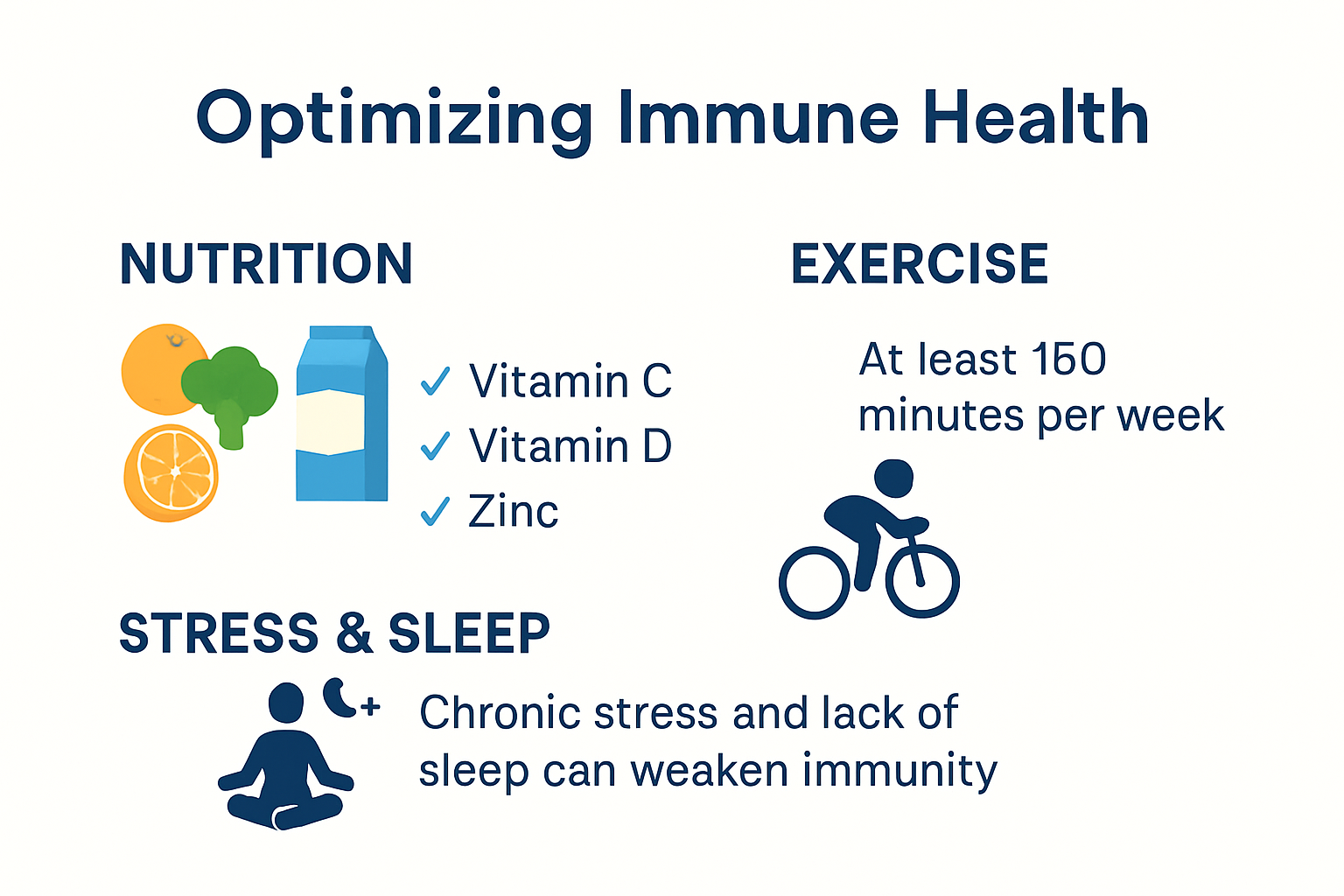
Research from Harvard School of Public Health reveals that certain nutrients play a critical role in supporting immune system performance. Micronutrients like vitamin C, vitamin D, zinc, and selenium are particularly important in maintaining robust immune responses.
Vitamin C, found abundantly in citrus fruits, berries, and leafy greens, supports the production and function of white blood cells. Zinc, present in lean meats, seafood, and legumes, helps immune cells develop and communicate effectively. Selenium, available in Brazil nuts, seafood, and whole grains, supports the production of cytokines that help coordinate immune responses.
Protein also plays a fundamental role in immune health. Amino acids are essential for building and repairing immune cells. Incorporating diverse protein sources such as lean meats, fish, eggs, legumes, and plant-based proteins ensures your body has the necessary building blocks for a strong immune system.
Lifestyle Practices for Immune Resilience
According to the Mayo Clinic, chronic stress significantly undermines immune function. When stress hormones like cortisol remain elevated, they suppress immune system effectiveness, making you more susceptible to infections.
Effective stress management techniques are crucial. Regular meditation, deep breathing exercises, and mindfulness practices can help regulate stress responses. Physical activities like yoga and moderate exercise not only reduce stress but also directly enhance immune function by improving circulation and reducing inflammatory markers.
Sleep emerges as another critical factor. During sleep, your body produces and distributes key immune cells. Adults should aim for 7-9 hours of quality sleep nightly. Establishing consistent sleep schedules, creating a dark and cool sleeping environment, and limiting screen time before bed can significantly improve sleep quality and, consequently, immune system performance.
Holistic Approach to Immune Support
Hydration and gut health are often overlooked yet vital components of immune resilience. Water helps transport nutrients, remove toxins, and support lymphatic system function. Probiotics and prebiotics found in fermented foods like yogurt, kefir, and kimchi promote a healthy gut microbiome, which plays a crucial role in immune regulation.
Regular exercise emerges as a powerful immune booster. Moderate, consistent physical activity stimulates immune cell circulation and reduces inflammation. Aim for at least 150 minutes of moderate aerobic activity or 75 minutes of vigorous activity weekly, complemented by strength training exercises.
Vaccinations and routine health screenings represent another layer of immune protection. Staying current with recommended immunizations and conducting regular health check-ups can help identify and address potential immune system vulnerabilities early.
Transforming your immune health is not about drastic changes but consistent, intentional choices. By integrating nutrient-rich foods, managing stress, prioritizing sleep, and maintaining an active lifestyle, you create a comprehensive approach to supporting your body’s natural defense mechanisms.
Here’s a table outlining key lifestyle practices and the specific immune benefits they provide:
| Lifestyle Practice | Immune Benefit |
|---|---|
| Regular sleep (7-9 hours) | Supports immune cell production and regeneration |
| Balanced nutrition | Provides necessary vitamins/minerals for immune function |
| Consistent exercise | Enhances immune cell movement and reduces inflammation |
| Stress management | Lowers cortisol, improves immune system responsiveness |
| Hydration | Supports nutrient transport and lymphatic function |
| Gut health (probiotics) | Regulates immune response via microbiome |
Science-Backed Supplements for a Stronger Immune System
Navigating the world of immune-supporting supplements requires a scientific approach that prioritizes evidence-based solutions. Understanding which supplements genuinely contribute to immune health can help individuals make informed decisions about their nutritional strategy.
Core Immune-Supporting Micronutrients
Research from the National Institutes of Health reveals critical micronutrients that play substantial roles in immune system function. Vitamin D, vitamin C, and zinc emerge as particularly important supplements with well-documented immune-modulating properties.
Vitamin D stands out as a crucial immune system regulator. Unlike many supplements, it functions more like a hormone, influencing immune cell production and inflammatory responses. Individuals with consistent vitamin D deficiencies often experience compromised immune function, making supplementation particularly valuable for those with limited sun exposure or dietary intake.
Zinc represents another fundamental supplement for immune resilience. This mineral supports multiple aspects of immune defense, including the development and communication of immune cells. It plays a critical role in reducing oxidative stress and supporting the body’s natural inflammatory responses. People with zinc deficiencies may experience slower immune reactions and increased susceptibility to infections.
Advanced Immune-Enhancing Compounds
According to research published in the Journal of Functional Foods, certain botanical compounds demonstrate significant immune-modulating capabilities. Elderberry, echinacea, and medicinal mushroom extracts like reishi and shiitake have shown promising results in supporting immune system functionality.
Echinacea has been extensively studied for its potential to stimulate immune cell production and enhance overall immune response. Some clinical studies suggest it may help reduce the duration and severity of common respiratory infections. Elderberry extract demonstrates notable antiviral properties, potentially inhibiting viral replication and supporting the body’s natural defense mechanisms.
Medicinal mushroom extracts represent a sophisticated approach to immune support. Compounds like beta-glucans found in reishi and shiitake mushrooms have been shown to activate and enhance macrophage and natural killer cell activity. These specialized immune cells play crucial roles in detecting and eliminating potential pathogens.
Strategic Supplement Integration
While supplements offer valuable immune support, they are not miracle solutions. Proper supplementation requires a comprehensive approach that considers individual health status, potential interactions, and overall lifestyle factors. Consulting healthcare professionals can help develop personalized supplement strategies tailored to specific health needs.
Individuals should prioritize high-quality supplements from reputable sources. Look for third-party tested products that provide transparent ingredient information and scientific documentation. Dosage matters significantly – more is not always better, and excessive supplementation can potentially disrupt immune balance.
Modern immune support goes beyond simple supplementation. It involves a holistic strategy that combines targeted nutritional interventions, lifestyle modifications, and a proactive approach to personal health. Supplements serve as strategic tools to complement a balanced diet, regular exercise, stress management, and adequate sleep.
Remember that supplements work best when integrated into a comprehensive wellness approach. They are supportive elements that enhance, not replace, fundamental health practices. By understanding the science behind immune-supporting supplements, individuals can make informed choices that genuinely contribute to their overall health and resilience.
Tracking Progress and Personalizing Your Immunity Plan
Personalizing your immunity strategy requires a sophisticated approach that combines advanced tracking technologies, scientific insights, and individual health data. Moving beyond generic recommendations, modern immune health management emphasizes precise, data-driven interventions tailored to your unique physiological profile.
Technology-Enabled Immune Monitoring
Research from Integrative Medicine reveals that wearable devices now offer unprecedented capabilities in tracking critical health metrics. These sophisticated tools can monitor pulse rate, body temperature, oxygen saturation, sleep cycles, respiration rate, and heart rate variability.
These technological innovations provide real-time insights into your body’s immune responses. By continuously tracking physiological indicators, you can identify patterns, detect potential immune system fluctuations, and understand how lifestyle choices directly impact your health. Wearable technology transforms immune tracking from a periodic assessment to a continuous, dynamic process.
Smart devices can help you recognize subtle changes in your immune function before they manifest as significant health issues. For instance, consistent elevated heart rate variability might indicate increased stress levels that could compromise immune performance. By identifying these early signals, you can proactively adjust your lifestyle and nutritional strategies.
Scientific Immune Profiling
The National Institute of Allergy and Infectious Diseases introduced the Immune Health Metric (IHM), a groundbreaking tool that analyzes gene transcripts and blood-based proteins to predict immune system performance. This scientific approach provides unprecedented insights into individual immune functionality.
Immune profiling goes beyond traditional blood tests. By examining specific genetic markers and protein interactions, researchers can develop highly personalized immunity strategies. This method recognizes that each person’s immune system is unique, with distinct strengths, vulnerabilities, and response mechanisms.
Blood tests can now reveal intricate details about your immune system’s composition. They can identify potential deficiencies, measure inflammatory markers, and assess the efficiency of your immune cell interactions. These comprehensive assessments allow for targeted interventions that address your specific immune system characteristics.
Holistic Immune Strategy Development
Research published in the Proceedings of the National Academy of Sciences emphasizes the concept of an individual’s immune self, highlighting the critical importance of personalized immunological approaches.
Developing a holistic immunity plan involves integrating multiple data points: your genetic predispositions, lifestyle factors, nutritional intake, stress levels, sleep quality, and physical activity. Each of these elements contributes to your overall immune resilience. A truly personalized approach considers these interconnected factors rather than treating them in isolation.
Consider working with healthcare professionals who specialize in functional medicine or integrative health. These experts can help interpret complex health data, recommend targeted supplements, and design lifestyle modifications that specifically support your immune system’s unique needs.
Regular reassessment is crucial. Your immune system is dynamic, constantly adapting to environmental challenges and personal health changes. What works today might require adjustment in six months. Maintain flexibility in your approach, remain open to new scientific insights, and be willing to modify your strategy based on ongoing health data.

Remember, personalizing your immunity plan is a journey of continuous learning and adaptation. By leveraging advanced technologies, scientific insights, and a holistic understanding of your health, you can develop a robust, responsive immune system that supports your overall well-being.
Frequently Asked Questions
How can I boost my immune system naturally?
To boost your immune system naturally, focus on a balanced diet rich in vitamins C, D, zinc, and protein, manage stress through practices like meditation, prioritize quality sleep (7-9 hours), and engage in regular physical activity.
What are the best supplements for immune support?
Core supplements for immune support include vitamin D, vitamin C, and zinc. Additionally, advanced compounds like elderberry and medicinal mushroom extracts can enhance immune functionality.
How does sleep affect my immune system?
Quality sleep is critical for immune health. Adults should aim for 7-9 hours of sleep each night, as adequate rest helps produce infection-fighting immune cells, enhancing your body’s defenses against illness.
What lifestyle changes can improve my immune response?
To improve your immune response, adopt a holistic approach including a balanced diet, regular exercise, effective stress management, proper hydration, and support for gut health through probiotics.
Your Immunity Deserves a Smarter Approach in 2025
Are you tired of generic health advice and frustrated by guesswork when it comes to building a stronger immune system? As highlighted in our article, true immune resilience is deeply personal and influenced by your nutrition, sleep quality, stress levels, and supplement choices. Many people struggle to understand what their own body needs or how to track their progress over time.
Take control and empower your immune health with a solution made for you. Menalam uses artificial intelligence to create personalized supplement plans tailored to your unique lifestyle, health profile, and even blood test results. Imagine receiving science-backed recommendations, easy-to-follow reminders, and real-time tracking all in one place. Start today at Menalam and see the difference a personalized plan can make. Complete the quick health quiz to unlock your custom plan and give your immunity the support it needs. Your best health starts now.
Leave a Reply