

Personalized nutrition is shaking up how we think about food and well-being. New research shows that one-size-fits-all diets are rapidly becoming outdated, and tailored nutrition plans can support better health outcomes for almost everyone. You might expect dietary choices to be mostly about taste or habit, but that only scratches the surface. The real story is how technology and genetics are letting people fine-tune what they eat to match not just their bodies, but their goals—and even their DNA.
Table of Contents
- What Are Dietary Preferences and Why They Matter
- Personalizing Nutrition for Optimal Health
- How to Track and Adapt Your Dietary Preferences
- Dietary Preferences and Supplement Choices for Athletes
Quick Summary
| Takeaway | Explanation |
|---|---|
| Understanding Diet Involves Multiple Factors | Dietary preferences are influenced by culture, biology, and personal values, not just taste. |
| Personalized Nutrition Is Essential | One-size-fits-all diets are becoming ineffective; individualized nutrition plans are more effective. |
| Technology Enhances Dietary Tracking | Advanced tools and AI help monitor, assess, and adjust dietary habits in real time. |
| Athletes Need Tailored Nutritional Strategies | Athletes require specific diets and supplements based on their unique performance needs. |
| Holistic Approaches Improve Wellness | Integrating various health data leads to more effective and adaptable nutrition plans. |
What Are Dietary Preferences and Why They Matter
Dietary preferences represent a complex interplay of personal choices, biological needs, and lifestyle factors that shape an individual’s nutritional approach. Far more than simple food likes and dislikes, these preferences encompass a holistic view of how people select, consume, and interact with food and nutrition.
The Multifaceted Nature of Dietary Preferences
Dietary preferences are not random selections but intricate decisions influenced by numerous factors. Research from the National Institutes of Health reveals that these preferences emerge from a combination of cultural, biological, psychological, and environmental influences. An individual’s dietary choices might stem from health conditions, ethical beliefs, religious practices, genetic predispositions, or personal wellness goals.
Consider a health-conscious individual who chooses plant-based proteins not just for taste, but because of potential cardiovascular benefits or environmental sustainability. Another person might select specific nutrient combinations based on athletic performance goals or managing a chronic health condition. These choices go beyond mere food selection they represent a personalized approach to nutrition.
Importance of Understanding Individual Dietary Preferences
Recognizing dietary preferences is crucial for developing effective, personalized nutrition strategies. Precision nutrition research demonstrates that one-size-fits-all dietary recommendations are increasingly obsolete. The human body responds uniquely to different nutritional inputs, making personalized approaches significantly more effective.
Individuals with specific dietary preferences such as vegetarian, ketogenic, or gluten-free diets are not merely following trends. They are often making deliberate choices based on comprehensive understanding of their body’s needs. These preferences can be driven by multiple factors including:
- Health Management: Addressing specific medical conditions or genetic predispositions
- Performance Optimization: Enhancing physical or cognitive capabilities
- Ethical Considerations: Aligning nutritional choices with personal values
- Metabolic Efficiency: Supporting individual metabolic processes
Understanding dietary preferences allows for more targeted, effective nutritional interventions. By recognizing that each person’s nutritional needs are unique, health professionals and nutrition experts can develop more nuanced, personalized recommendations that truly support individual wellness goals.
Moreover, as technology and scientific understanding advance, the ability to map and respond to individual dietary preferences becomes increasingly sophisticated. Artificial intelligence, genetic testing, and advanced health tracking now enable unprecedented levels of nutritional personalization, transforming how we approach diet and wellness.
Here is a table summarizing factors that influence dietary preferences, for easy comparison and reference.
| Factor | Description | Examples |
|---|---|---|
| Health Management | Dietary choices based on medical or genetic needs | Managing diabetes, hereditary cholesterol |
| Performance Optimization | Nutrition tailored to enhance physical/cognitive abilities | Muscle recovery, mental focus |
| Ethical Considerations | Choosing food according to morals or beliefs | Vegetarianism, veganism, fair-trade foods |
| Metabolic Efficiency | Adjusting diet to support better metabolic function | Ketogenic diet, low-carb/high-fat strategies |
| Cultural/Religious | Dietary habits shaped by traditions or spiritual practices | Kosher, Halal, cultural food customs |
| Environmental Factors | Select foods with sustainability or ecological impact in mind | Plant-based to reduce carbon footprint |
Personalizing Nutrition for Optimal Health
Personalized nutrition represents a revolutionary approach to health and wellness, moving far beyond traditional dietary recommendations. By tailoring nutritional strategies to individual genetic profiles, metabolic responses, and lifestyle factors, this emerging field promises more precise and effective health interventions.
The Science Behind Personalized Nutrition
The NIH’s Nutrition for Precision Health program is pioneering research that demonstrates how individual responses to diet are deeply complex. By studying intricate interactions between diet, genes, proteins, microbiome, and metabolism, researchers are developing sophisticated algorithms that can predict how specific nutrients will impact an individual’s health.
Northwestern University researchers are actively challenging traditional nutritional paradigms. Their nationwide study focuses on creating nutrition recommendations that account for an individual’s unique genetic composition, cultural background, and environmental context. This approach recognizes that what works nutritionally for one person may not be optimal for another.
Genetic Profiling and Nutritional Optimization
Research published in the journal Nutrients highlights how genetic profiling can transform nutritional strategies. By analyzing an individual’s genetic markers, healthcare professionals can now develop highly targeted nutrition plans that address potential metabolic weaknesses, predispositions to certain health conditions, and optimal nutrient absorption mechanisms.
Genetic insights allow for unprecedented precision in nutritional recommendations. For instance, individuals with specific gene variants might require different levels of vitamins, minerals, or macronutrients to maintain optimal health. This granular approach means nutrition becomes a personalized health optimization tool rather than a generic set of guidelines.
Holistic Approach to Personalized Nutrition
Personalized nutrition extends beyond genetic analysis. It incorporates comprehensive health data including blood tests, metabolic markers, lifestyle factors, physical activity levels, and even microbiome composition. This holistic approach enables the creation of dynamic nutritional strategies that can adapt and evolve with an individual’s changing health status.
Technology plays a crucial role in this transformation. Advanced health tracking devices, artificial intelligence algorithms, and sophisticated data analysis tools now make it possible to collect and interpret complex health information in real time. These technologies enable continuous monitoring and adjustment of nutritional recommendations, ensuring that dietary strategies remain precisely aligned with an individual’s current health needs.
As our understanding of human metabolism and genetic interactions continues to advance, personalized nutrition represents more than a trend. It is a fundamental shift towards a more intelligent, responsive approach to health and wellness that recognizes the profound complexity of human nutrition.
How to Track and Adapt Your Dietary Preferences
Tracking and adapting dietary preferences requires a strategic approach that combines technological tools, self-awareness, and continuous learning. Modern health technologies now offer unprecedented opportunities to monitor, analyze, and refine nutritional strategies with remarkable precision.
Technological Tools for Dietary Tracking
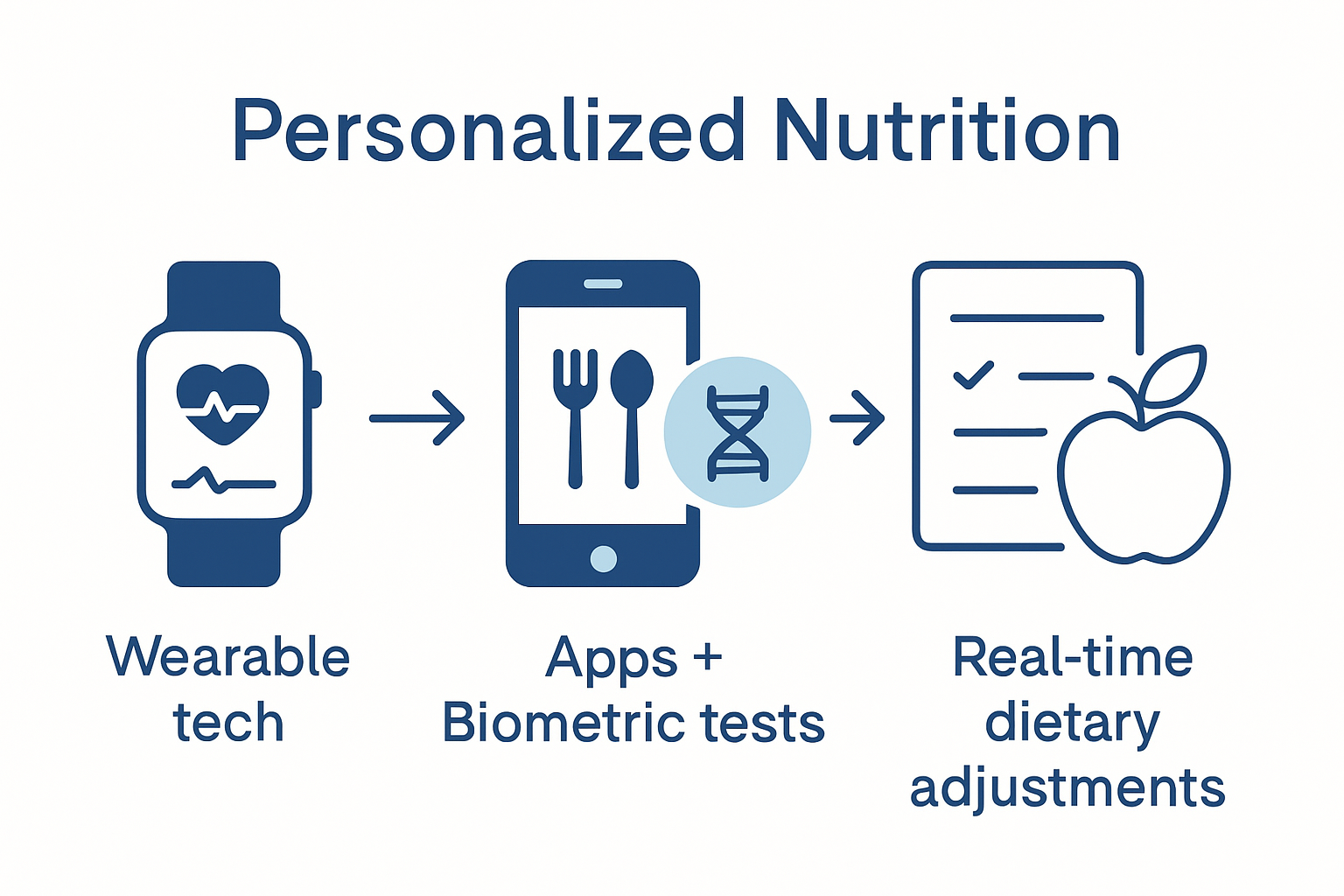
Research detailing web-based personalized nutrition systems reveals innovative methods for monitoring dietary intake and behavior. Advanced tracking technologies enable individuals to gather comprehensive data about their nutritional habits, metabolic responses, and health outcomes.
Passive tracking technologies have revolutionized dietary monitoring. Emerging research highlights the use of audio and motion sensors that can automatically detect meal timing, food types, and consumption patterns. These technologies eliminate the need for manual logging, providing more accurate and consistent dietary insights.
Integrating Multiple Data Sources
Biomedical research emphasizes the importance of integrating diverse data streams to create truly personalized nutrition strategies. This approach combines physiological markers, behavioral patterns, and environmental factors to develop dynamic dietary recommendations.
Key data sources for comprehensive dietary tracking include:
- Metabolic Blood Tests: Analyzing nutrient levels, hormonal balance, and metabolic markers
- Wearable Health Devices: Monitoring physical activity, sleep patterns, and heart rate
- Genetic Profiles: Understanding individual metabolic predispositions
- Food Intake Logs: Tracking nutritional consumption and dietary patterns
Below is a summary table outlining the various data sources and their roles in creating personalized nutrition strategies.
| Data Source | What It Measures | Role in Personalization |
|---|---|---|
| Metabolic Blood Tests | Nutrient levels, hormones, metabolic markers | Identifies deficiencies, monitors biochemical status |
| Wearable Devices | Activity, sleep, heart rate | Tracks lifestyle factors and overall health impact |
| Genetic Profiles | Genetic markers, predispositions | Tailors diet to metabolic and health vulnerabilities |
| Food Intake Logs | Consumed food types, portion sizes | Reveals eating patterns for refinement |
Adaptive Strategies for Continuous Improvement
Effective dietary preference tracking is not just about collecting data but transforming insights into actionable strategies. Individuals must develop a flexible approach that allows for continuous refinement of their nutritional plan.
This adaptive process involves regular assessment and modification. By consistently comparing health outcomes with dietary inputs, you can identify which nutritional strategies work best for your unique physiological makeup. Advanced AI algorithms can help interpret complex data sets, providing personalized recommendations that evolve with your changing health status.
Technology now enables real-time adjustments. Imagine a system that immediately suggests dietary modifications based on your latest blood test results or recognizes when your energy levels correlate with specific nutrient combinations. This level of personalization transforms nutrition from a static recommendation to a dynamic, responsive health optimization tool.
The future of dietary preference tracking lies in creating intelligent, interconnected systems that understand your body’s unique language. By embracing these technological advances and maintaining an open, experimental mindset, you can develop a nutrition strategy that is as unique and dynamic as you are.
Dietary Preferences and Supplement Choices for Athletes
Athletes represent a unique population with specialized nutritional requirements that extend far beyond standard dietary recommendations. Their supplement and nutrition strategies must balance precise performance optimization with individual physiological needs, genetic predispositions, and specific training demands.
Personalized Nutrition in Athletic Performance
Research published in the journal Nutrients highlights the emerging field of nutrigenomics as a critical tool for understanding how individual genetic variations influence athletic performance and nutritional requirements. These genetic insights enable more targeted supplement selection that goes beyond generic recommendations.
An athlete’s dietary preferences are not merely about taste or personal choice but represent a complex interaction between metabolic efficiency, energy requirements, and individual physiological responses. Some athletes might require higher protein intake for muscle recovery, while others might need specific micronutrients to support endurance or strength training.
Data-Driven Supplement Selection
A comprehensive study in Sports Medicine – Open demonstrates the sophisticated approach modern athletes take toward supplementation. By integrating multiple data points including genetic profiles, microbiome composition, performance analytics, and individual metabolic markers, athletes can develop highly personalized nutrition strategies.
Key considerations for athletes when selecting supplements include:
- Performance Goals: Aligning supplement choices with specific athletic objectives
- Metabolic Efficiency: Understanding individual nutrient absorption and utilization
- Training Intensity: Adapting supplement intake based on current training cycles
- Recovery Needs: Supporting muscle repair and reducing inflammation
The following table organizes the key considerations for athlete supplement selection, providing a clear overview of how choices align with specific needs.
| Consideration | Description | Example |
|---|---|---|
| Performance Goals | Targeting supplements to sport-specific outcomes | Creatine for strength, caffeine for endurance |
| Metabolic Efficiency | Tailoring intake based on absorption/utilization | Adjusting protein forms for digestive efficiency |
| Training Intensity | Matching nutrients to training loads | Increasing electrolytes during intense sessions |
| Recovery Needs | Aiding repair and reducing inflammation | Omega-3s or collagen for muscle/joint support |
Holistic Approach to Athletic Nutrition
Successful athletic nutrition goes beyond simply consuming supplements. It requires a holistic understanding of how different nutritional components interact with an individual’s unique physiological system. Advanced tracking technologies now allow athletes to monitor real-time responses to dietary interventions, enabling rapid adjustments to their nutritional strategies.
The future of athletic nutrition lies in creating personalized, adaptive systems that can predict and respond to an athlete’s changing needs. Machine learning algorithms and advanced health tracking technologies are making it possible to develop nutrition plans that are as dynamic and responsive as the athletes themselves.
By embracing a comprehensive, data-driven approach, athletes can transform their dietary preferences from generic guidelines into powerful performance optimization tools. This approach recognizes that peak performance is not about following standard protocols but about understanding and leveraging individual physiological strengths.

Frequently Asked Questions
What are dietary preferences?
Dietary preferences are the individual choices regarding food consumption, influenced by cultural, biological, ethical, and personal health factors, rather than just taste.
Why is personalized nutrition important?
Personalized nutrition is important because it tailors dietary recommendations to individual needs, leading to better health outcomes compared to one-size-fits-all diets.
How can technology enhance dietary tracking?
Technology enhances dietary tracking through advanced tools and AI that monitor eating habits, analyze nutritional data, and adjust dietary plans in real time for improved health management.
What factors influence an individual’s dietary preferences?
Individual dietary preferences are influenced by health management needs, performance optimization goals, ethical considerations, metabolic efficiency, and cultural or religious factors.
Turn Personalized Nutrition Into Real Results Now
Are you frustrated that generic diets never deliver the results you want? The article on dietary preferences explained how confusing and inconsistent nutrition advice can feel when your unique body responds differently than others. You read about the importance of tailored nutrition, advanced tracking, and integrating real-time data for authentic progress. If you are striving for improved health, optimal performance, or better wellness through evidence-based approaches, you need a solution that adapts to your exact needs.
Instead of guessing which supplements, vitamins, or nutrients your body needs, let science and technology work for you. With Menalam, you get personalized supplement recommendations that match your health profile, dietary habits, and lifestyle goals. Complete a simple health quiz and let our artificial intelligence analyze your data, blood test results, and progress for the most targeted plan. Start tracking your supplements and enjoy smart reminders through our mobile app to make sure you never miss a dose. Stop following broad advice and experience what true personalized nutrition can do. Visit Menalam today to take control of your health journey and turn your knowledge into action.
Leave a Reply