


Anti-inflammatory supplements promise a natural way to tackle chronic pain, joint stiffness, and even stubborn health conditions. Here is something that might surprise you. Studies show curcumin can lower C-reactive protein by 0.75 mg/dL and interleukin-6 by 1.41 pg/mL, both major inflammation markers. Yet, not every supplement on the shelf delivers those results, and picking the right one can mean the difference between real relief or wasted time. Ready to discover what the science actually says—and which supplements are truly worth your attention?
Table of Contents
- How Anti-Inflammatory Supplements Work
- Top Science-Backed Supplements To Try
- Choosing The Right Supplement For Your Goals
- Tips For Safe And Effective Supplement Use
Quick Summary
| Takeaway | Explanation |
|---|---|
| Curcumin is a premier anti-inflammatory supplement | Supported by extensive research, curcumin significantly reduces key inflammatory markers like IL-6 and hs-CRP, making it a powerful choice for managing inflammation. |
| Omega-3 fatty acids offer notable benefits | These fatty acids help manage symptoms of conditions like rheumatoid arthritis and contribute to overall cardiovascular health through their anti-inflammatory properties. |
| Personalized supplement selection is crucial | Tailoring supplement choices to individual health profiles, medical conditions, and bioavailability enhances their effectiveness in addressing specific inflammatory conditions. |
| Consult healthcare professionals for safe use | Prior medical consultation is essential to avoid potential interactions, monitor side effects, and ensure a strategic approach to supplement implementation. |
| Continuous monitoring and adjustment are key | Regular assessments of inflammatory markers and symptom tracking help optimize the effectiveness of anti-inflammatory supplements over time. |
How Anti-Inflammatory Supplements Work
Understanding the intricate mechanisms behind anti-inflammatory supplements reveals how these natural compounds combat chronic inflammation at the cellular level. Inflammation is a complex biological response that can either protect or harm the body, depending on its duration and intensity.
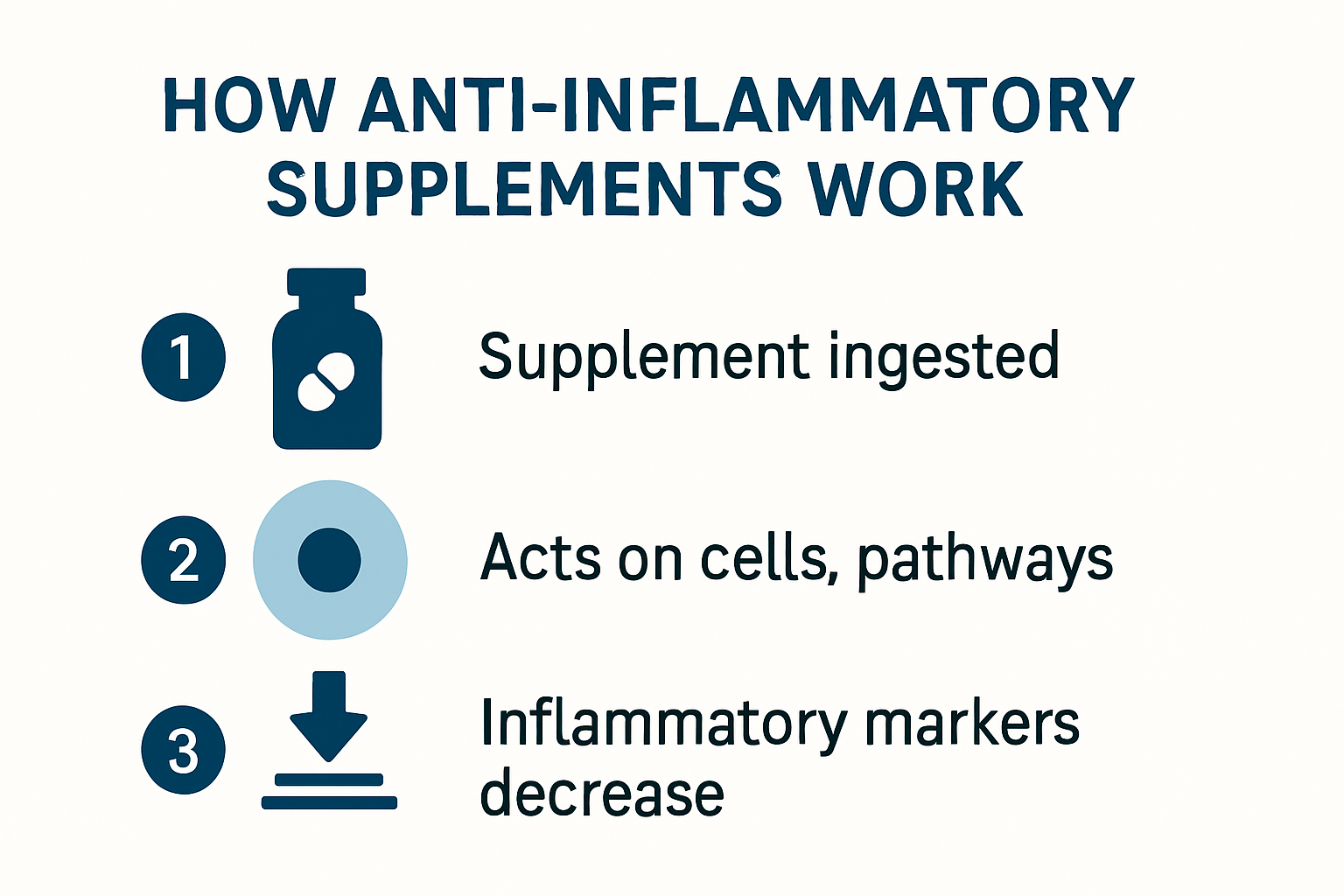
The Cellular Mechanism of Inflammation Reduction
Anti-inflammatory supplements work through sophisticated biochemical pathways that interrupt the body’s inflammatory response. Research from the National Institutes of Health demonstrates that these supplements target specific molecular mechanisms responsible for inflammatory processes.
Flavonoids, a critical class of compounds, play a significant role in this process. According to scientific research, these polyphenolic compounds inhibit key enzymes like cyclooxygenase (COX) and lipoxygenase. These enzymes are primary contributors to pro-inflammatory mediator synthesis, meaning their suppression directly reduces inflammatory responses in the body.
Curcumin, the active component in turmeric, provides an excellent example of targeted inflammation reduction. Studies published in molecular biology journals reveal that curcumin specifically decreases inflammation by blocking the NF-κB pathway, a critical regulator of inflammatory responses. This targeted approach means the supplement can interrupt inflammatory signals before they cascade into more serious health complications.
Biochemical Pathways of Supplement Action
Omega-3 fatty acids represent another powerful anti-inflammatory supplement with unique biochemical mechanisms. Research from the National Center for Complementary and Integrative Health indicates these fatty acids provide measurable benefits in managing inflammatory conditions, particularly for rheumatoid arthritis symptoms.
The biochemical action involves modulating inflammatory protein production and reducing the production of molecules that trigger inflammation. By introducing these supplements, individuals can potentially reset their body’s inflammatory response, creating a more balanced physiological environment.
Systemic Impact of Anti-Inflammatory Supplements
Beyond immediate cellular interactions, anti-inflammatory supplements contribute to long-term health management. They work by creating a comprehensive approach to reducing chronic inflammation, which is increasingly recognized as a root cause of numerous health challenges.
Key mechanisms include neutralizing free radicals, supporting immune system regulation, and promoting cellular repair processes. By addressing inflammation at multiple levels, these supplements offer a holistic approach to managing the body’s inflammatory responses.
Understanding these complex interactions empowers individuals to make informed decisions about incorporating anti-inflammatory supplements into their wellness strategies. While not a standalone solution, they represent a powerful tool in comprehensive health management.
As research continues to evolve, our understanding of how these supplements interact with human biology becomes increasingly sophisticated, offering hope for more targeted and effective inflammation management approaches.
Top Science-Backed Supplements to Try
Navigating the world of anti-inflammatory supplements requires understanding which options have robust scientific support. Not all supplements are created equal, and selecting those with proven effectiveness can significantly impact your health management strategy.
Curcumin: The Gold Standard of Anti-Inflammatory Supplements
Curcumin stands out as a premier anti-inflammatory supplement with extensive scientific validation. A comprehensive 2018 systematic review analyzed 15 randomized controlled trials and discovered significant improvements in key inflammatory markers. The research revealed curcumin supplementation decreased interleukin-6 (IL-6) levels, reduced high-sensitivity C-reactive protein (hs-CRP), and lowered malondialdehyde (MDA) concentrations.
A more recent 2024 meta-analysis further confirmed curcumin’s potent anti-inflammatory properties. The study demonstrated remarkable reductions in inflammatory markers, including:
- C-reactive protein decreased by 0.75 mg/dL
- Interleukin-6 reduced by 1.41 pg/mL
- Tumor necrosis factor-alpha dropped by 3.15 pg/mL
These findings underscore curcumin’s potential as a powerful natural anti-inflammatory agent.
Omega-3 Fatty Acids and Resveratrol: Comprehensive Protection
Scientific research published in nutritional journals highlights the remarkable benefits of omega-3 fatty acids and resveratrol. These supplements demonstrate extraordinary cardioprotective effects through their potent antioxidant and anti-inflammatory mechanisms.
The study revealed these supplements provide multiple health benefits, including:
- Improved inflammatory markers: Reducing systemic inflammation
- Enhanced atherogenic profiles: Supporting cardiovascular health
- Optimized glucose metabolism: Supporting metabolic function
- Better endothelial function: Improving blood vessel health
Additional Powerful Anti-Inflammatory Supplements
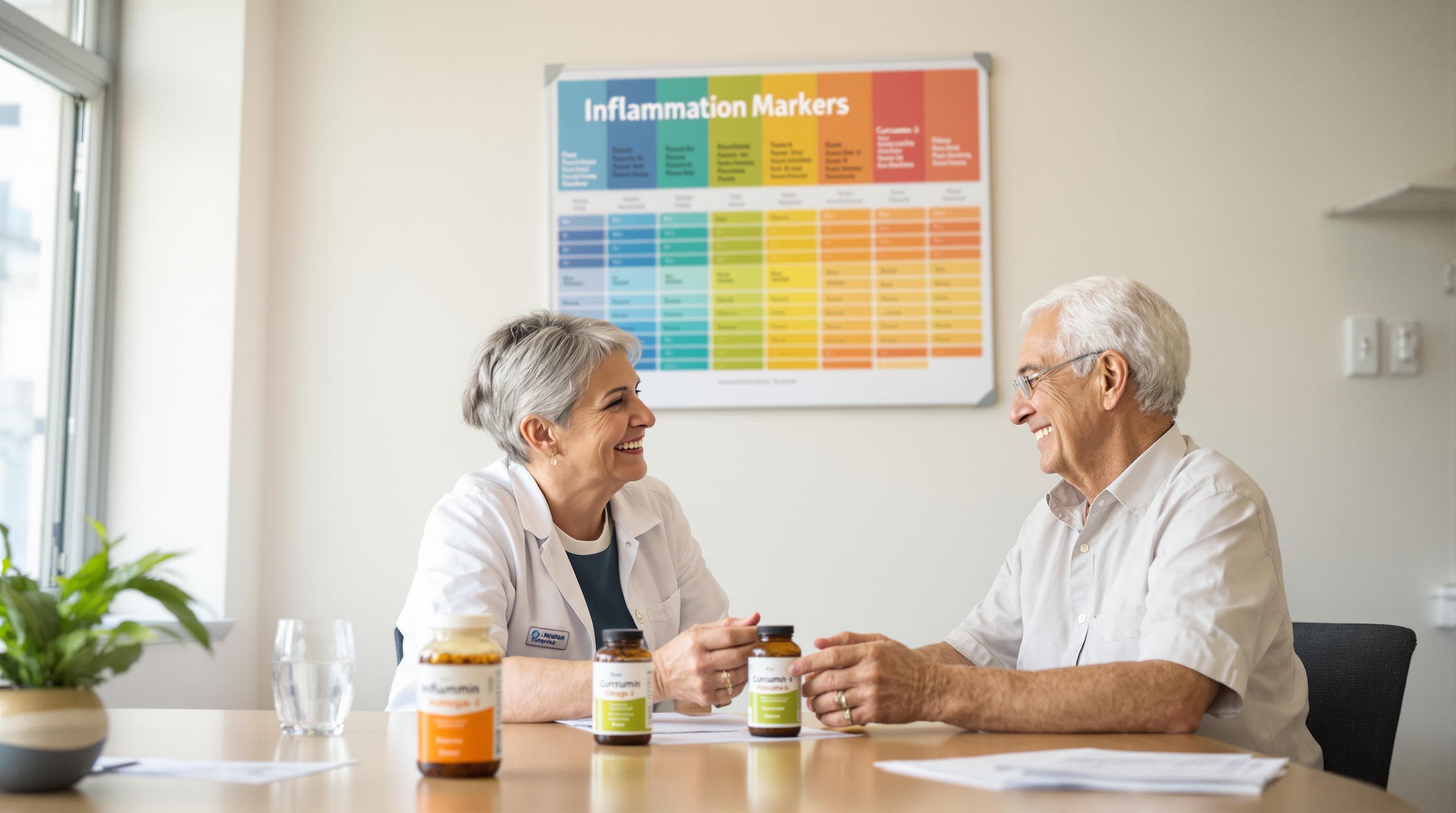
Beyond curcumin and omega-3s, several other supplements show promising anti-inflammatory potential:
- Ginger: Contains compounds that inhibit inflammatory pathways
- Boswellia: Traditional herb with documented anti-inflammatory effects
- Green Tea Extract: Rich in polyphenols that combat inflammation
Important considerations when selecting supplements include bioavailability, potential interactions with medications, and individual health conditions. Consulting healthcare professionals can help develop a personalized supplement strategy tailored to specific inflammatory challenges.
Science continues to unveil the intricate ways these natural compounds interact with human biology. While supplements offer significant potential, they work best as part of a comprehensive approach that includes balanced nutrition, regular exercise, and stress management.
Remember that individual responses to supplements vary. What works effectively for one person might produce different results for another. Patience, consistent monitoring, and a holistic approach are key to successfully managing inflammation through supplementation.
To clarify the key scientific evidence mentioned in this section, here is a table summarizing the main anti-inflammatory supplements and the specific inflammatory markers or health benefits they impact:
| Supplement | Notable Effects/Markers Impacted | Supporting Evidence |
|---|---|---|
| Curcumin | Lowers CRP (by 0.75 mg/dL), IL-6 (by 1.41 pg/mL), TNF-alpha | 2018 & 2024 reviews/meta-analyses |
| Omega-3 Fatty Acids | Reduces rheumatoid arthritis symptoms, improves inflammation | NCCIH clinical studies |
| Resveratrol | Enhances atherogenic profile, metabolic and cardiovascular | Nutritional journal research |
| Ginger | Inhibits inflammatory pathways | Documented in clinical references |
| Boswellia | Traditional herb with anti-inflammatory effects | Documented in clinical references |
| Green Tea Extract | Improves inflammation via polyphenols | Documented in clinical references |
Choosing the Right Supplement for Your Goals
Selecting the most appropriate anti-inflammatory supplement requires a strategic approach that considers individual health goals, existing conditions, and specific inflammatory challenges. Understanding how different supplements target unique health concerns can help you make more informed decisions.
Targeting Specific Inflammatory Conditions
Different supplements demonstrate varying effectiveness for specific health conditions. Research from the National Center for Complementary and Integrative Health provides critical insights into supplement selection.
Rheumatoid Arthritis Management
Omega-3 fatty acids show promising results for individuals managing rheumatoid arthritis. Clinical studies indicate modest improvements in disease activity markers, making them a valuable consideration for those experiencing joint inflammation.
Osteoarthritis Support
Curcumin emerges as a particularly effective supplement for osteoarthritis patients. A comprehensive medical study revealed significant improvements in pain and function, especially for knee osteoarthritis sufferers.
Personalized Supplement Selection Strategies
Choosing the right supplement involves more than understanding its potential benefits. Consider these critical factors:
- Individual Health Profile: Assess your specific inflammatory markers
- Existing Medical Conditions: Understand potential interactions with current medications
- Supplement Bioavailability: Evaluate how effectively your body can absorb and utilize the supplement
Research suggests that alternative supplements like devil’s claw can offer modest benefits for specific conditions. For instance, it demonstrates moderate efficacy in managing osteoarthritis of the spine, hip, and knee.
Consultation and Monitoring Approach
Before initiating any supplement regimen, professional medical guidance is crucial. Healthcare providers can:
- Conduct comprehensive health assessments
- Recommend personalized supplement strategies
- Monitor potential interactions and side effects
- Adjust recommendations based on individual response
Individuals with chronic inflammatory conditions should prioritize a holistic approach. Supplements work most effectively when combined with:
- Balanced nutrition
- Regular physical activity
- Stress management techniques
- Consistent sleep patterns
Remember that supplement effectiveness varies significantly between individuals. What works exceptionally well for one person might produce minimal results for another. Patience, consistent monitoring, and open communication with healthcare professionals are key to developing an effective anti-inflammatory supplement strategy.
Advanced diagnostic tools and personalized health tracking can provide deeper insights into your body’s specific inflammatory responses. Consider working with healthcare providers who utilize comprehensive testing to create truly customized supplement recommendations.
Tips for Safe and Effective Supplement Use
Navigating the world of anti-inflammatory supplements requires careful consideration and strategic implementation. Safety and effectiveness are paramount when incorporating these powerful natural compounds into your wellness routine.
Understanding Supplement Interactions and Risks
The National Center for Complementary and Integrative Health provides critical guidance on responsible supplement use. Dietary supplements can interact complex ways with medications and individual health conditions, making professional consultation essential.
Key interaction risks include:
- Potential medication interference: Some supplements can alter drug effectiveness
- Unexpected side effects: Natural compounds can trigger physiological responses
- Metabolic complications: Certain supplements may impact how your body processes medications
The U.S. Food and Drug Administration emphasizes the critical importance of adhering to recommended dosages. Exceeding suggested intake can lead to significant health risks, potentially transforming a beneficial supplement into a potential health hazard.
Strategic Supplement Implementation
Developing a comprehensive supplement strategy requires careful planning and professional guidance. Consider these critical steps:
- Medical Consultation: Always discuss supplement plans with healthcare providers
- Comprehensive Health Assessment: Understand your individual inflammatory markers
- Quality Verification: Select supplements from reputable manufacturers
- Gradual Introduction: Start with lower doses and monitor body responses
Research from the French Agency for Food, Environmental and Occupational Health & Safety highlights potential immune system interactions. Some anti-inflammatory supplements might temporarily modulate immune responses, particularly during infectious periods.
Monitoring and Adjusting Your Supplement Approach
Effective supplement use is not a static process but a dynamic, ongoing strategy. Regular monitoring and willingness to adjust your approach are crucial for long-term success.
Recommended monitoring practices include:
- Periodic blood tests to track inflammatory markers
- Regular discussions with healthcare providers
- Maintaining a detailed supplement and symptom journal
- Being attentive to your body’s unique responses
Individuals with pre-existing health conditions or those taking multiple medications should exercise extra caution. Potential interactions can be complex and sometimes unpredictable.
Remember that supplements are complementary tools, not miracle solutions. They work most effectively when integrated into a holistic approach that includes:
- Balanced nutrition
- Regular physical activity
- Stress management techniques
- Adequate sleep
- Consistent health monitoring
Understanding that each person’s body responds differently to supplements is crucial. What works exceptionally well for one individual might produce minimal results for another. Patience, careful observation, and professional guidance are key to developing an effective and safe supplement strategy.
For readers seeking a straightforward overview of supplement safety guidelines, here’s a checklist table highlighting essential steps for safe and effective use:
| Safe Supplement Use Step | Completed? (Yes/No) | Notes/Reminders |
|---|---|---|
| Medical consultation before starting | Discuss with your healthcare provider | |
| Health assessment of inflammation | Test key markers when possible | |
| Review supplement quality/source | Choose reputable brands | |
| Check for medication interactions | Ask provider about all interactions | |
| Start with gradual introduction | Begin with lower dosages | |
| Monitor for side effects | Keep a supplement and symptom journal | |
| Schedule regular follow-ups | Review with healthcare provider |
Frequently Asked Questions
What are the best anti-inflammatory supplements?
Curcumin, omega-3 fatty acids, and resveratrol are among the best science-backed anti-inflammatory supplements, with proven effectiveness in reducing inflammatory markers and supporting overall health.
How does curcumin help reduce inflammation?
Curcumin, the active compound in turmeric, reduces inflammation by blocking the NF-κB pathway and decreasing markers like interleukin-6 and high-sensitivity C-reactive protein, which are associated with chronic inflammation.
Are omega-3 fatty acids effective for inflammatory conditions?
Yes, omega-3 fatty acids are effective in managing symptoms of conditions like rheumatoid arthritis and can improve overall cardiovascular health due to their anti-inflammatory properties.
How should I choose the right anti-inflammatory supplement?
Choose anti-inflammatory supplements based on your individual health profile, existing conditions, and specific inflammatory challenges. Consulting a healthcare professional can help tailor your supplement strategy.
Ready to Personalize Your Anti-Inflammatory Journey?
You have seen the science on curcumin, omega-3s, and other supplements in our guide. Still, figuring out which anti-inflammatory supplement actually meets your body’s needs can feel overwhelming. Maybe you have tried popular options and are frustrated by trial and error. You want certainty, not guesswork. Your health deserves a plan built on your unique markers, not generic advice. Imagine harnessing your own data to choose supplements that actually match your body, lifestyle, and changing goals.
Experience the difference that true personalization can make. Menalam’s digital nutritionist creates a custom supplement plan that evolves with you. You get science-backed recommendations, smart health tracking, and reminders that help you stay consistent. Take the Menalam health quiz today for instant, evidence-based guidance. Start transforming your health strategy now while your motivation is high.
Leave a Reply